
Best Binoculars for 500 Dollars: A 2026 Checklist for Smart Buying
Disclosure: We may earn a commission when you buy through links on this page, at no extra cost to you. As an Amazon Associate I earn from qualifying purchases. Learn more

Compare the best binoculars for 500 dollars with a clear checklist on optics, low light views, field of view, focus and a weatherproof build for field use.
Around 500 dollars is where binoculars stop feeling like a compromise. Glass gets clearer and controls feel smoother. The best binoculars for 500 dollars should reward that budget in every view, and this checklist shows you what to check before you pay.
Start with your main use. Birding at dawn, watching wildlife across a valley, and following a game from the stands each favor a different size and magnification. Match the format to that use first, then compare glass, focus, and build.
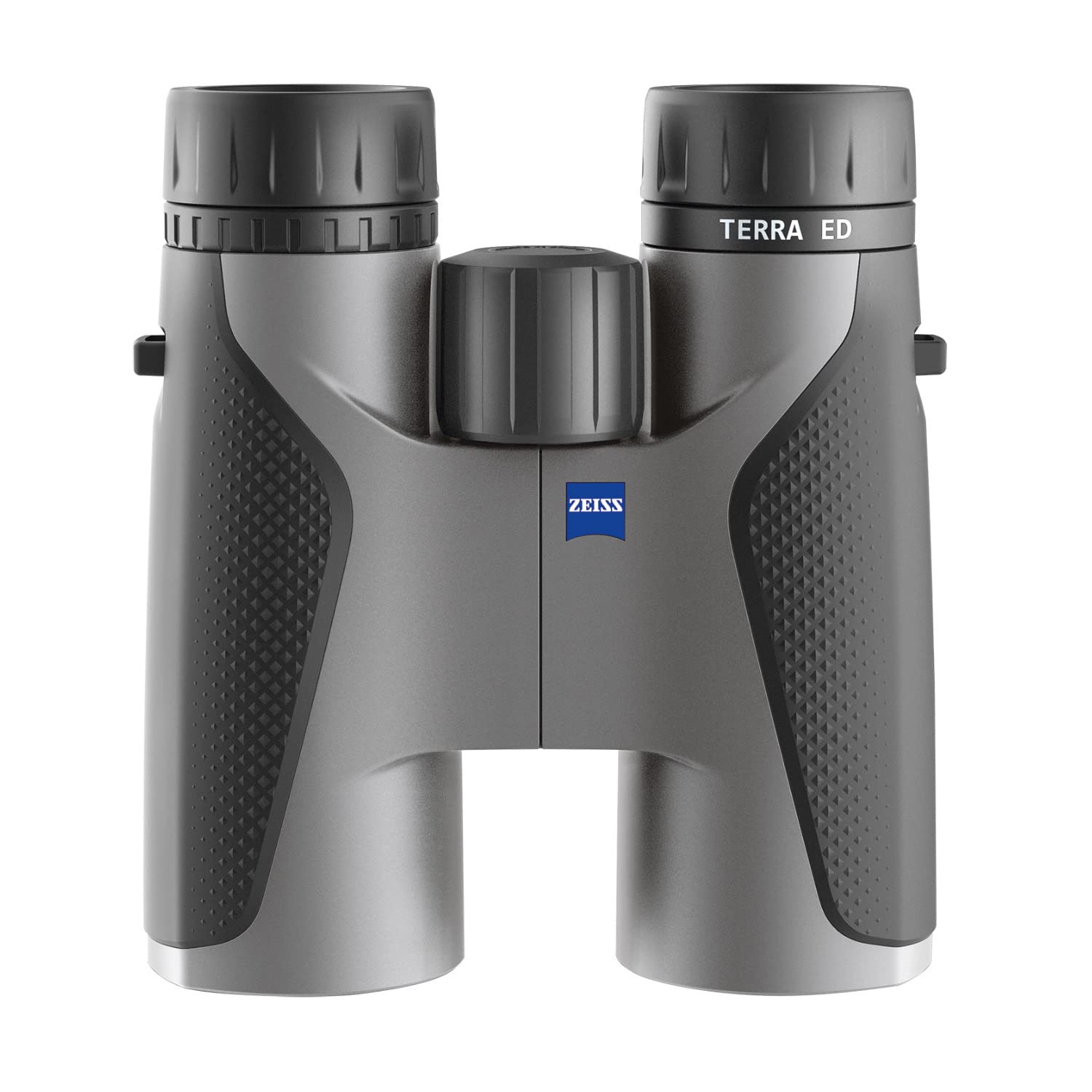


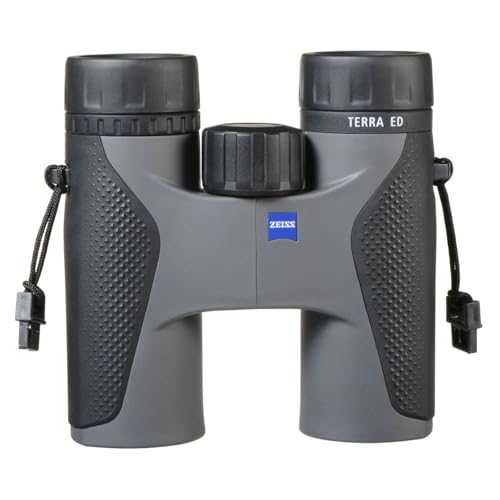


Who Should Buy Binoculars for 500 Dollars?
Buyers at this price usually keep a pair for many years, so fit and comfort matter as much as clarity.
Birders and Wildlife Watchers at Dawn and Dusk
You need bright views in soft light and a focus wheel fast enough to follow a moving bird. Choose an 8x42 pair for a wide, steady view, with a close focus near 6 to 8 feet for nearby birds. Strong color and contrast help you separate similar species in shade.
Hunters and Walkers Who Scan Open Country
You glass for long periods in cold or wet weather, and small shakes grow tiring fast. A 10x42 pair brings distant slopes closer, but pick it only if you can hold it steady while seated or braced. Look for a sealed body, grippy armor, and a harness that spreads weight on long carries.
Travel, Sports, and Boating Viewers Who Want One Pair
You want one pair for a stadium, a harbor, and a scenic overlook that will not fill your bag. Compact binoculars in 8x32 or 10x32 travel well and give a clear daytime view. Accept a slightly dimmer image at dusk for lower weight, and choose twist up eyecups if you switch between sunglasses and bare eyes.
Key Features to Compare
Compare these factors in order, because optics and fit decide how often you reach for the pair. At this level, the best binoculars for 500 dollars should combine clear glass with a body you can hold and carry with ease.
Magnification and Objective Lens Size
The first number is magnification and the second is front lens size in millimeters, so 8x42 makes subjects look eight times closer through 42 mm lenses. Higher power shows more detail but narrows the view and magnifies hand movement, while larger front lenses gather more light and add weight. Start with 8x42 for general use or 10x42 for open country, and treat 12 power as a choice for braced viewing only.
Glass Quality and Lens and Prism Coatings
Good glass is the main reason to pay around 500 dollars. ED glass, short for extra low dispersion glass, reduces color fringing around high contrast edges like a white bird against a dark tree line. Fully multi coated lenses pass more light and cut glare. Roof prisms should be phase coated, because that coating keeps contrast high in the slim roof prism shape most buyers at this price choose.
Exit Pupil, Twilight Factor, and Low Light Views
Exit pupil is objective size divided by magnification, so an 8x42 pair gives about 5.3 mm and a 10x42 gives about 4.2 mm. A larger exit pupil feels brighter at dawn and dusk and is easier to align with your eyes. Twilight factor is a rough guide for detail in dim light, but it does not replace good coatings. In dim woods, brightness and contrast matter more than extra power.
Field of View, Eye Relief, and Fit for Your Eyes
Field of view tells you how wide a scene you see at 1,000 yards, often about 330 to 430 feet for an 8x42 pair. A wider view helps you find and follow moving subjects. Eye relief of about 17 to 20 mm suits glasses wearers, who should view with eyecups down. Check that the barrels adjust to your interpupillary distance, about 56 to 74 mm for most adults, and set the diopter once for both eyes.
Focus Wheel, Close Focus, and Handling
A good center focus wheel turns smoothly with light finger pressure, with no gritty spots or loose play. Fast travel helps for birding, while slower travel helps for precise focus at long range. Close focus shows how near a subject can be and still sharpen, which matters for butterflies and close wildlife. The body should balance in your hands without strain during a long scan.
Weatherproof Build, Armor, and Weight
A pair used outdoors should be waterproof and fogproof, usually sealed and purged with nitrogen so inner lenses stay clear after a cold morning. Rubber armor adds grip and protects against bumps, but it cannot fix weak hinges. Most full size pairs weigh about 24 to 32 ounces. If that feels heavy after ten minutes, a mid size 32 mm pair may serve you better on long days.
Quick Buyer Checklist for a 500 Dollar Pair
Run through these questions before you order. Any no should have a clear reason tied to your main use.
- Does the magnification match your main distance and your ability to hold the pair steady?
- Is the exit pupil at least about 4 mm for the light you view in most often?
- Does the listing name ED glass and fully multi coated optics in plain terms?
- Are the roof prisms phase coated and made from BaK 4 glass rather than BK 7 glass?
- Does the eye relief suit your glasses, and do the eyecups stay in place?
- Is the pair waterproof and fogproof, with lens caps and a case included?
- Does the weight feel fine for your longest planned carry and viewing session?
- Is the warranty clear, with service available in the United States?
Distance deserves its own check, because power that suits a stadium can feel cramped in woods. If you often view across fields or water, see our guide to the best binoculars for 500 yards for how range changes the size you should pick.
Common Mistakes to Avoid
- Choosing 12 power for handheld use leaves you with a shaky image that hides the detail you paid to see.
- Chasing a huge objective lens for daylight use adds weight that makes you leave the pair at home.
- Trusting vague claims like high definition without named coatings or prism glass hides weak optics behind bold words.
- Ignoring eye relief as a glasses wearer forces you to move the pair away from your eyes and lose the edges of the view.
- Skipping the diopter setup leaves one eye straining and causes headaches during long viewing sessions.
- Buying a pair with a short or unclear warranty risks a costly repair after one drop or seal failure.
Care Habits That Keep a 500 Dollar Binocular Working for Years
Clean lenses with a soft lens cloth, never your shirt, because grit in fabric can scratch coatings. Blow loose dust off first, then wipe in small circles with light pressure. Use lens caps whenever the pair is not in use.
Store the pair in a dry padded bag with the strap untangled. Keep it out of a hot car trunk, because heat can age seals and lubricants. Check strap mounts and hinge tension each season, and send a loose pair for service rather than forcing parts into place.
Binoculars for 500 Dollars: Your Questions Answered
What features matter most in binoculars for 500 dollars?
Glass quality and coatings matter most at this price, since ED glass and phase coated roof prisms give the clear step up over cheaper pairs. After optics, check eye relief and focus feel, because a bright pair that strains your eyes will stay home. A sealed body protects that value outdoors.
Which binocular size is better for low light viewing?
An 8x42 binocular is usually better for low light viewing than a 10x42 of similar quality. Its larger exit pupil delivers a brighter image when light fades. Watching deer at a field edge at twilight is a good example, since you need to spot movement in shadow rather than count fine points at noon.
Is 500 dollars a good budget for a first pair of binoculars?
Yes, 500 dollars is a strong budget for a first pair of binoculars if you know your main use. It buys glass and build quality that can serve for a decade or more with basic care. Buyers unsure about their hobby can start lower, but committed birders or hunters often save money by buying this level once.
What specs matter most for beginners choosing binoculars?
Beginners should focus on an easy view before fine optical terms. A moderate 8 power, a field of view above about 330 feet at 1,000 yards, and twist up eyecups make learning far easier. Weight matters too, since a light pair gets used more often. Skip image stabilization claims at this price, because true stabilized models usually cost far more.
Is a smartphone enough instead of binoculars for distant viewing?
No, a smartphone is not enough instead of binoculars for sustained distant viewing. Phone zoom crops a small image, so detail softens quickly and the screen is hard to read in bright sun. Binoculars show both eyes a live optical view with real depth. A phone still wins for sharing a quick photo.
What does 8x42 or 10x42 mean on binoculars?
On binoculars, 8x42 means eight times magnification with 42 mm front lenses, and 10x42 means ten times magnification with the same lens size. The 10 power view looks closer but shows a narrower slice of a scene. Watching birds cross a pond shows the difference, since the wider 8 power view often keeps them in frame longer.
Wrapping Up
Let your main use set the format, then let glass, coatings, and eye comfort rank the rest. An 8x42 pair suits most buyers, a 10x42 suits steady hands in open country, and a 32 mm pair suits travel. Use the product table above to confirm size and weight.
Chosen with this checklist, the best binoculars for 500 dollars will feel clear and easy on your eyes from the first morning out. Buy the pair you will carry often.


