
Best Binoculars for 100 Yards: Every Type Explained Side by Side for 2026
Disclosure: We may earn a commission when you buy through links on this page, at no extra cost to you. As an Amazon Associate I earn from qualifying purchases. Learn more
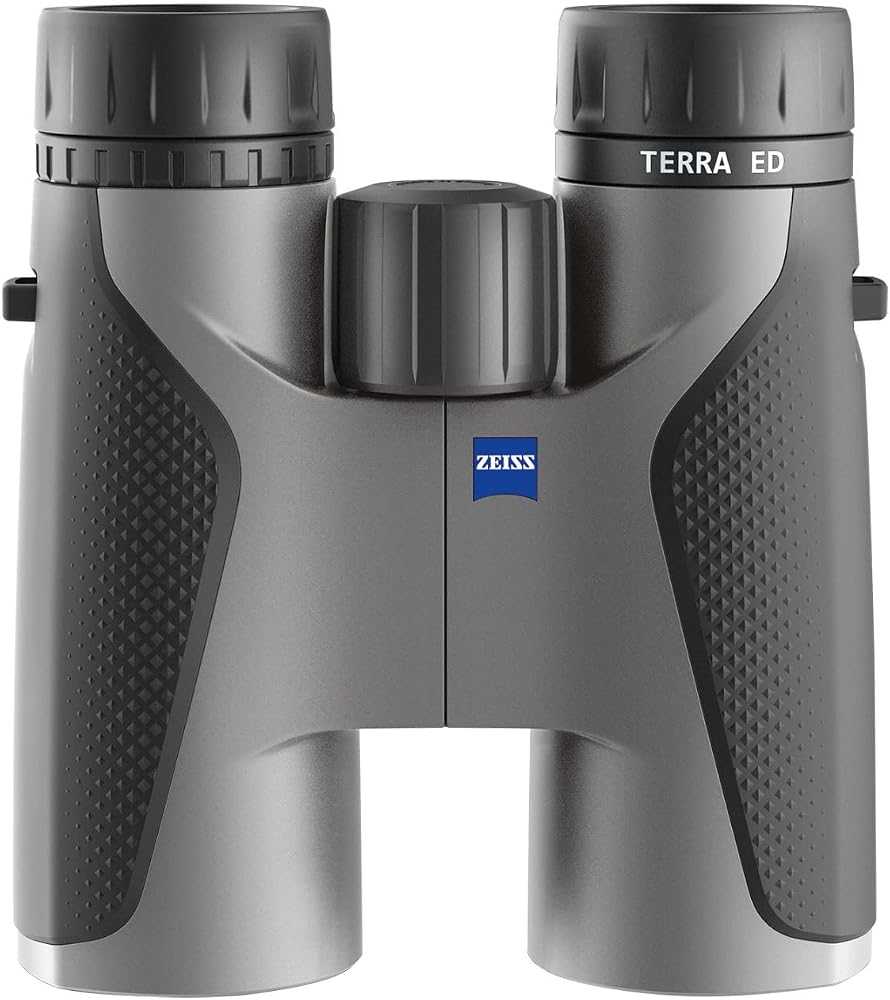
Compare compact, mid size and full size types to pick the best binoculars for 100 yards, from magnification and lens size to field of view and price.
At 100 yards, a football field away, you want detail you can hold steady, not the highest number on the box. The best binoculars for 100 yards balance magnification, brightness and field of view so a target, bird or player stays clear. Match each type below to your habits.
Start with how you will watch. A spectator sits in one place, a hiker carries the pair for miles, and a hunter often watches at dawn when light is weak. Those habits decide which size, power and lens suit you.
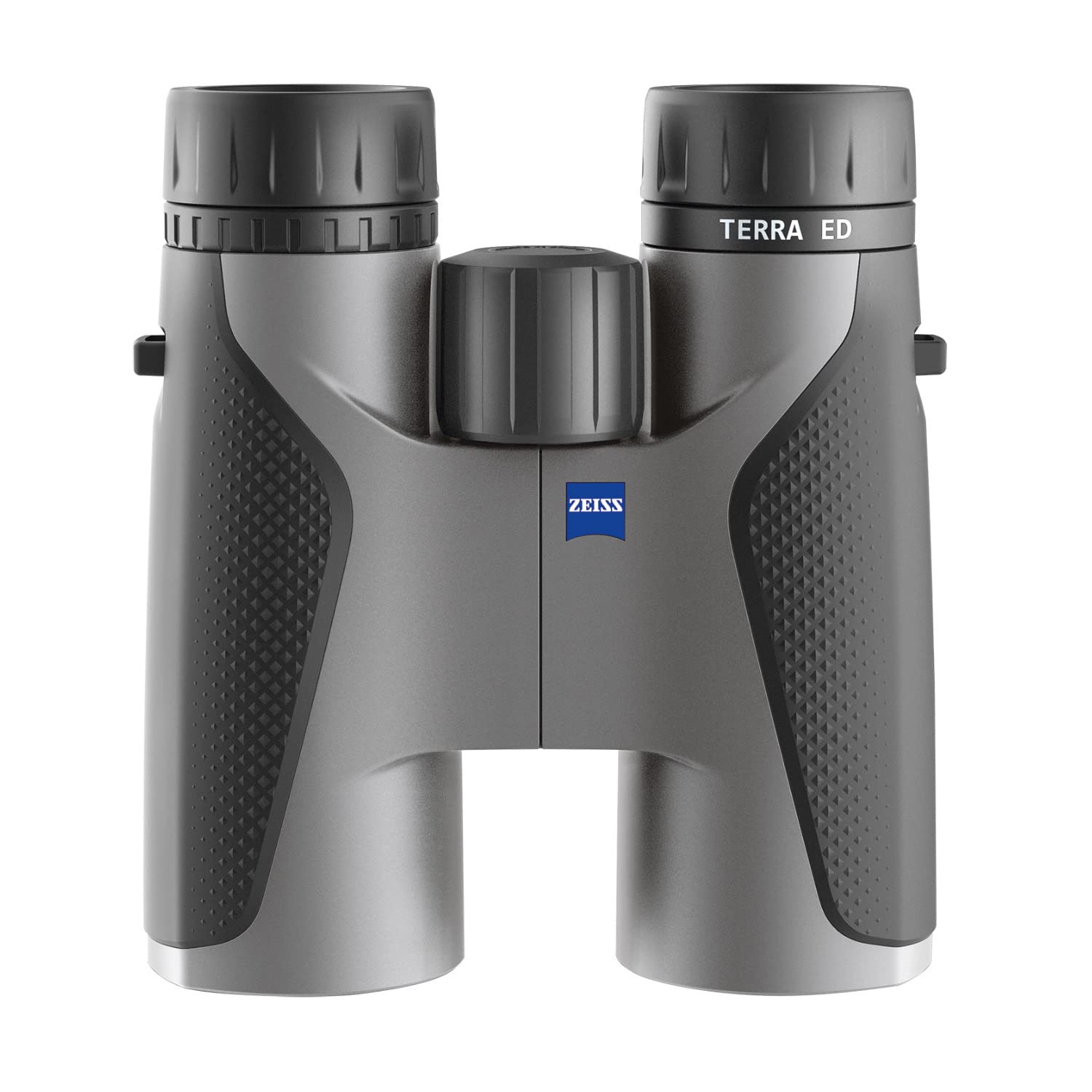


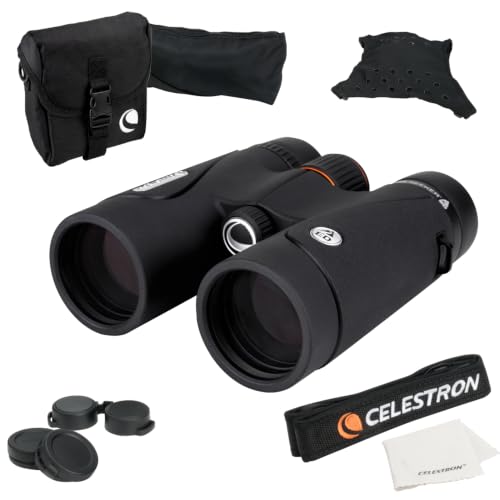


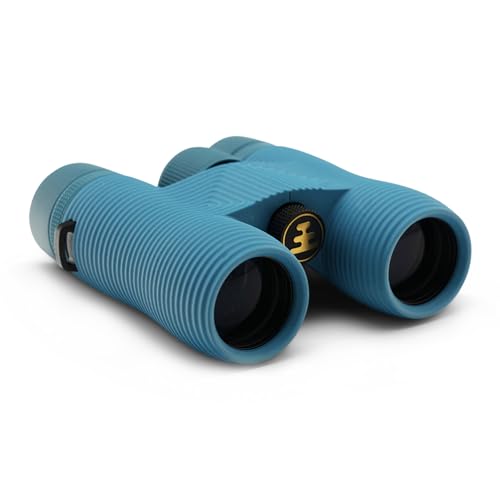
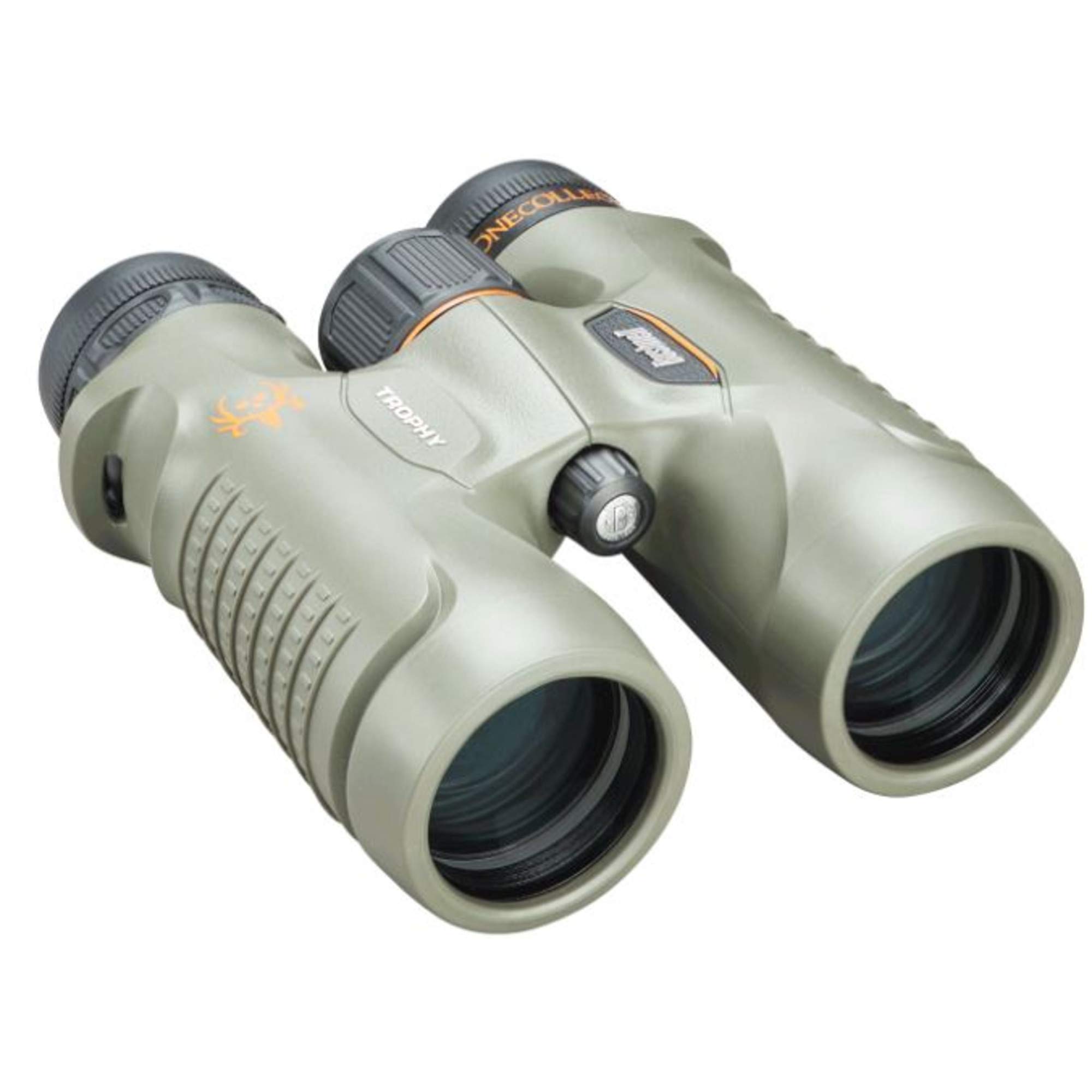

Types of Binoculars Compared for 100 Yards
Three size classes cover this distance, based on front lens diameter. Larger lenses gather more light but add weight.
Compact Binoculars for Short Sessions
Compact binoculars use front lenses of about 25 to 28 mm, often give 8 or 10 power, and fit a jacket pocket. They suit daytime games, concerts and travel, where low weight matters more than dim light performance. Their small exit pupil darkens sooner at dusk, and the narrow view makes a moving bird harder to track.
Mid Size Binoculars for Balanced Use
Mid size binoculars use front lenses of about 30 to 32 mm and split the difference between pocket and full size models. An 8 by 32 pair feels light, gives a wide and steady view, and still shows good detail across a field. Brightness at dawn beats a compact but cannot match a 42 mm lens.
Full Size Binoculars for Long Sessions
Full size binoculars use front lenses of about 42 to 50 mm and suit long sessions at this distance best. The larger exit pupil keeps the image bright in shade and near sunset, and the heavier body can feel steadier once you settle in. The trade off is bulk, since a 10 by 50 pair can weigh about 28 to 36 ounces.
Who Should Choose Which Binocular Type?
Spectators at Fields, Ranges and Arenas
You watch a fixed area from a seat, so a steady image and a wide view matter more than saving ounces. An 8 by 42 pair lets you follow play across the field without losing the ball at the edge of the view, and its larger lens helps in shade or evening light. For birds on a budget, see our guide to the best binoculars for birding under 100.
Hikers and Travelers Watching Wildlife
You carry everything on your back, so weight and pack space shape your choice as much as optics do. A mid size 8 by 32 pair is a sound default, since 8 power shakes less while you breathe hard after a climb. Pick a pair with a neck strap and a snug case, because brush and pack zippers can scratch exposed lenses.
Hunters and Property Watchers in Low Light
You often glass a tree line, field edge or fence line at first light, when a small lens looks dull and gray. A full size 8 by 42 or 10 by 42 pair gives the bright image you need to judge antlers, markings or movement at 100 yards. Weather sealing matters too, since dew and light rain are common at dawn.
How to Choose the Right Pair of Binoculars for 100 Yards
Magnification: 8 Power or 10 Power
Magnification tells you how much closer a subject appears, so a target at 100 yards looks about 12 yards away through 8 power and about 10 yards away through 10 power. Higher power also magnifies hand shake and narrows the view, which is why 8 power suits most handheld use here. Pick 10 power for still subjects viewed from a rest. If you later watch farther, see our guide to the best binoculars for 200 yards.
Objective Lens Size and Brightness
The second number in a spec such as 8 by 42 is the front lens diameter in millimeters, and it controls how much light the binoculars gather. Divide it by the magnification to get the exit pupil, so an 8 by 42 pair gives about 5.3 mm, which suits dawn and shade well. A 10 by 25 compact gives only about 2.5 mm and looks dim as light fades.
Field of View at 100 Yards
Field of view tells you how wide a slice of the scene you see at once, often listed as feet at 1,000 yards. At 100 yards, a listed width of about 330 feet shrinks to about 33 feet across your view, enough to follow a deer, rider or player without constant panning. Wider views usually come with 8 power, while 10 power trades width for reach. If your usual distance grows well beyond this range, see our guide to the best binoculars for 300 yards.
Prism Design, Glass and Lens Coatings
Roof prism binoculars have straight barrels and a slim shape, while Porro prism models have offset barrels, cost less and can give a strong sense of depth. Extra low dispersion glass, often marked ED, reduces color fringing on bright edges such as white jerseys against dark trees. Fully multi coated lenses pass more light than a single coating layer, so the image looks brighter.
Eye Relief, Focus Wheel and Diopter Adjustment
Eye relief is how far your eye can sit from the rear lens while still seeing the full view, and about 15 to 18 mm suits most glasses wearers. Twist up eye cups set that distance with or without glasses. A smooth center focus wheel should turn with one finger without grit, and a diopter dial on one barrel corrects for a difference between your eyes.
Weather Sealing and Steady Viewing
Sealed and nitrogen filled binoculars resist internal fog when you move from a warm car into cold air, and they shrug off dew and light rain. Look for a stated waterproof rating rather than vague claims of weather resistance. Image stabilization on a few powered models can steady a 10 power view, but it adds cost, weight and batteries. For most people, the best binoculars for 100 yards are an 8 by 42 pair with good coatings and full sealing.
Common Mistakes to Avoid
- Choosing 12 or 16 power for handheld use lets shake blur the detail you paid for.
- Buying a tiny compact for dawn watching leaves you with a dim image in weak light.
- Ignoring eye relief when you wear glasses cuts off the edges of the view.
- Judging by magnification alone overlooks field of view, so moving subjects slip away sooner.
- Skipping weather sealing invites internal fog that wiping the outer lenses cannot clear.
- Forgetting to set the diopter leaves one eye slightly out of focus every session.
Setup and Care Tips for Binoculars
Set up a new pair in daylight. Turn the hinge until the two circles merge into one round view, then cover the right lens and focus the left eye with the center wheel. Cover the left lens next and focus the right eye with the diopter dial. Note that setting, and hang the strap first, since most drops happen during early handling.
Clean lenses with a soft lens cloth, never your shirt, because grit in fabric can scratch coatings. Blow dust off first, then wipe in small circles from the center outward. Store the pair in a dry padded bag with caps on, away from car heat. Each season, check the hinge, strap and focus wheel.
Binoculars for 100 Yards FAQ
What features matter most in binoculars for 100 yards?
Brightness, steadiness and field of view matter most in binoculars for 100 yards, and an 8 by 42 pair with fully multi coated lenses covers all three. One point buyers overlook is focus wheel travel. A wheel that moves from near to far in less than one full turn helps on subjects that shift often, such as grazing animals.
Is a smartphone camera enough instead of binoculars at 100 yards?
No, a smartphone camera is not enough for sustained viewing at 100 yards. Phone zoom at that range is mostly digital cropping, so feathers, numbers and detail turn soft and blocky, and the screen drains the battery fast outdoors. Binoculars give both eyes a live optical image with real depth, which makes following movement far less tiring.
How much should I spend on my first pair of binoculars for 100 yards?
Most first time buyers do well spending about $100 to $250 on binoculars for 100 yards. Below that range, dim coatings and loose focus wheels are common, while the step up buys brighter glass and better sealing. Keep part of the budget for a padded case. Spending more mainly adds low light clarity and build quality.
What binocular specs matter most for beginners watching at 100 yards?
For beginners, the specs that matter most are 8 power magnification, a 42 mm front lens and eye relief of at least 15 mm. Add one comfort check that spec sheets rarely show. Hold the pair for two full minutes before buying if you can, because bridge width and barrel shape decide whether your hands cramp.
What does 8x42 or 10x42 mean on binoculars?
On binoculars, 8x42 means 8 power magnification with a 42 mm front lens, while 10x42 means 10 power with the same lens size. The x reads as by, so say eight by forty two. Because the lens is shared, the 10 power version shows a larger but slightly dimmer and narrower image, which favors 8x42 for moving subjects.
Final Thoughts
Match the size class to your light and your carry first, then pick 8 power for a wide and steady view or 10 power for still subjects you can brace. Check eye relief if you wear glasses, insist on real weather sealing, and use the product table above to compare weight, lens size and price. Chosen that way, the best binoculars for 100 yards will stay clear and comfortable through the whole session.


