
Best Bilge Pumps For Boats 2026: Types, Flow Rate and Wiring Guide
Disclosure: We may earn a commission when you buy through links on this page, at no extra cost to you. As an Amazon Associate I earn from qualifying purchases. Learn more

Flow rate, switch type, hose size and wiring decide the best bilge pumps for boats. Here is how to size a pump to your hull.
A bilge pump is the one piece of boat gear you hope never to need and cannot afford to get wrong. The best bilge pumps for boats move enough water for your hull, switch on without anyone watching and keep working when the weather turns. This guide explains pump types, flow ratings, switches, hoses and wiring in plain terms so you can match a pump to your boat.
The product table lists automatic, non automatic and manual pumps. Use the sections below to decide which type your boat needs first, then compare flow and fittings.


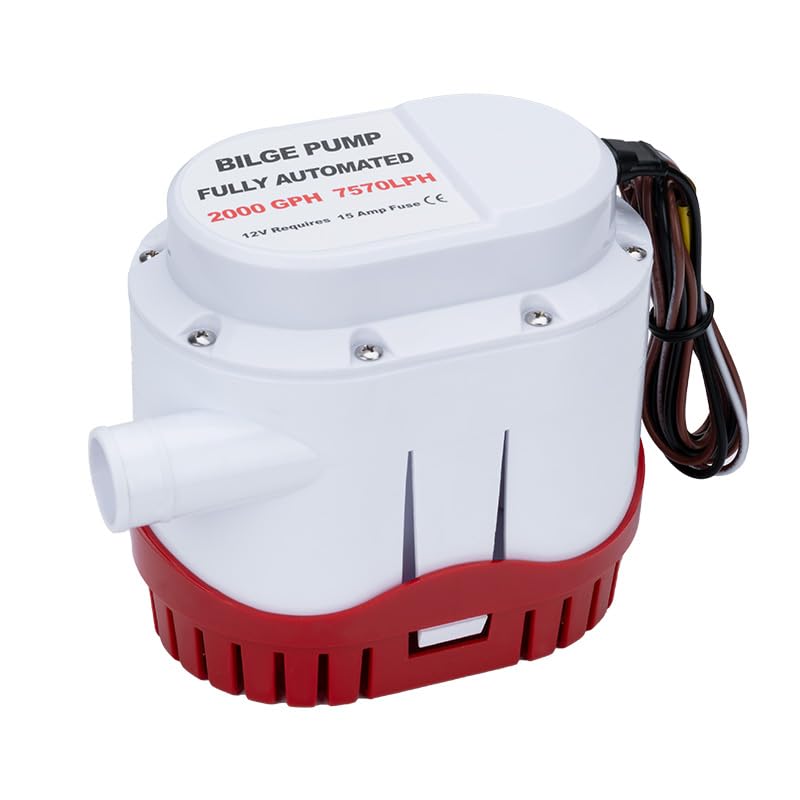

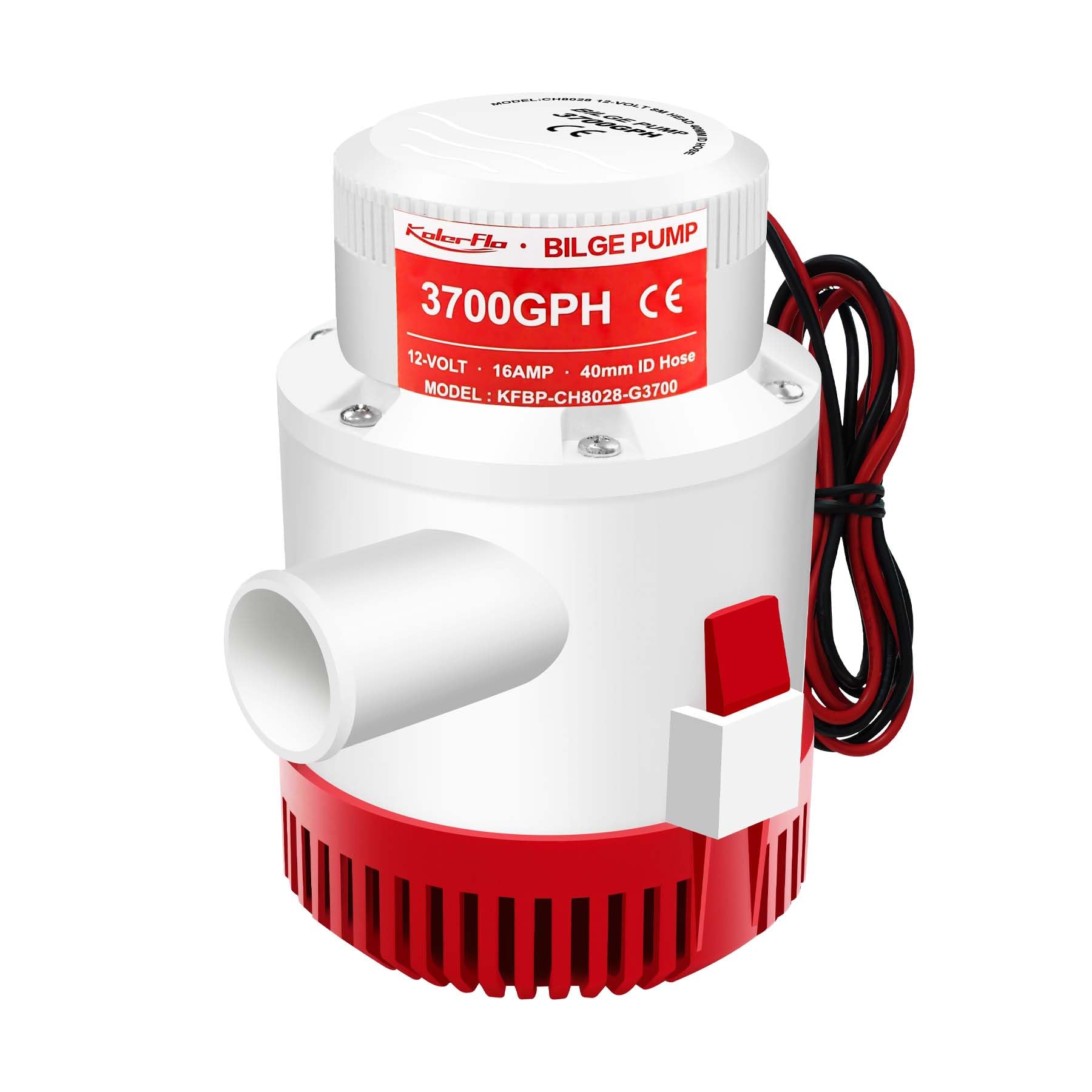


Automatic, Non Automatic and Manual Pumps
Automatic pumps have a built in or separate float switch that turns the motor on when water rises to a set level. They suit boats that sit on a mooring or trailer and collect rain or small leaks while nobody is aboard. Non automatic pumps run only when you flip a switch, so they work best on a manual panel, with a separate float switch or as a high capacity backup. Manual hand pumps need no power at all and are the standard emergency tool for kayaks, canoes, dinghies and small fishing boats.
Many boats carry two pumps: an automatic one low in the bilge for steady protection and a larger one or a hand pump for emergencies. A pump that depends on a single battery connection is only as reliable as that connection, so a manual backup earns its place.
Reading Flow Ratings (GPH)
Bilge pump ratings are given in gallons per hour at zero lift. Real output falls as the hose rises and bends, and as battery voltage drops. A pump advertised at 1,100 GPH may deliver closer to half of that once it lifts water six feet through a long hose. As a rule, choose a rating well above the amount of water you expect, and pick a larger pump if your hull is bigger or you boat in rough water.
- Small boats and dinghies: 500 to 750 GPH is common for everyday seepage.
- Fishing boats and runabouts: 1,100 to 2,000 GPH gives comfortable margin.
- Larger boats or high risk use: 3,000 GPH or more, often as a second pump.
Float Switches and Sensing
The float switch is the part most likely to fail, so it deserves attention. Mechanical floats are simple and cheap but can jam in debris or oil. Electronic sensors have no moving parts and are less likely to stick, but they cost more. Some pumps also run a short test cycle on their own to confirm they still work. Mount a float switch where it can rise and fall freely, away from wiring and hoses that could snag it.
Hose, Outlet and Plumbing
Match the hose diameter to the pump outlet, and avoid long runs with sharp bends because they cut flow sharply. Use smooth bore hose and double clamps at both ends. The discharge fitting should sit above the waterline, with a loop high enough that water cannot siphon back into the hull. A check valve in the line helps stop backflow, though it adds a small amount of resistance.
Wiring, Fuses and Power
Most boat pumps run on 12 volt power, so use marine grade tinned wire in the size the maker recommends and keep the runs short. Fit a fuse or breaker close to the battery, use sealed connectors above the bilge level and keep connections off the floor of the hull where they sit in water. Weak connections cause more pump failures than weak motors, so check terminals for green corrosion every season. If you are not comfortable with wiring, ask a qualified marine electrician to review the installation.
Choosing the Best Bilge Pumps For Boats by Hull Size
Kayaks and canoes rely on manual pumps that you can operate while sitting in a cockpit, and a floating or tethered pump is a sensible choice. Small powerboats and aluminum fishing boats often do well with a 1,100 GPH automatic pump and a hand pump as backup. Larger cruisers and boats that carry people offshore need greater capacity, a second pump at the lowest point and a high water alarm so the crew knows when a pump is working hard.
Installation and Maintenance
Mount the pump at the lowest point in the bilge so it can pick up water when the boat sits level or heeled. Keep the strainer clear of debris, leaves and fishing line, and clean the bilge so loose items do not clog the intake. Press the manual test switch each time you head out, and lift the float by hand to confirm the pump starts. Replace pumps that sound labored, run hot or draw more current than before.
Common Mistakes With Bilge Pumps
- Trusting the box rating and ignoring lift, hose length and voltage drop.
- Mounting the float where it can tangle or stick.
- Using household wire and cheap connectors in a wet bilge.
- Relying on one automatic pump with no backup.
- Leaving the pump untested all season.
For nearby choices, see our guides to the best bilge pumps, the best bilge pumps for small boats, the best automatic bilge pumps and the best kayak bilge pumps.
Frequently Asked Questions
How big should a bilge pump be?
Choose a pump rated comfortably above the water you expect, remembering that real output drops with lift and long hoses. Small boats do well with 500 to 1,100 GPH, while larger boats should add a second, bigger pump.
Do I need an automatic bilge pump?
If the boat stays in the water or outside between trips, yes, because rain and small leaks can build up unseen. An automatic pump with a reliable switch protects the boat while you are away.
Can a bilge pump run dry?
Most submersible pumps are cooled by water and can overheat when they run dry for long periods. An automatic switch limits this by turning the pump on only when water is present.
How often should I check my bilge pump?
Check it before every trip and give it a full inspection each season, covering the float, strainer, hose, clamps and wiring.
Is a manual pump enough on its own?
For a kayak or canoe it is often the main tool. On a powered boat it works best as a backup to an electric pump.
Final Thoughts
The best bilge pumps for boats combine enough real flow for your hull, a switch you can trust and clean, well protected wiring. Pick the type for your boat first, size it with margin and keep a manual backup aboard. Then use the product table to compare options and match the right pump to your boat.


