
Best Bilge Pumps 2026 Buying Guide
Disclosure: We may earn a commission when you buy through links on this page, at no extra cost to you. As an Amazon Associate I earn from qualifying purchases. Learn more

Learn how to choose best bilge pumps for a boat bilge. Compare types, features, prices, and care tips in this clear guide that helps you buy with confidence.
Every boat takes on some water, from rain and spray to small leaks around fittings, and a bilge pump is what keeps that water from collecting where it can damage the hull, the wiring and the engine. The best bilge pumps match the size of the boat, switch on without you, and keep running when conditions are poor. This guide explains pump types, ratings, wiring and installation in plain terms so you can pick a pump that fits your boat and your habits.
A bilge pump is a safety item as well as a convenience, so treat it as part of a system: pump, switch, wiring, hose and discharge fitting all have to work together. A strong pump with thin wire or a kinked hose will still disappoint when you need it.
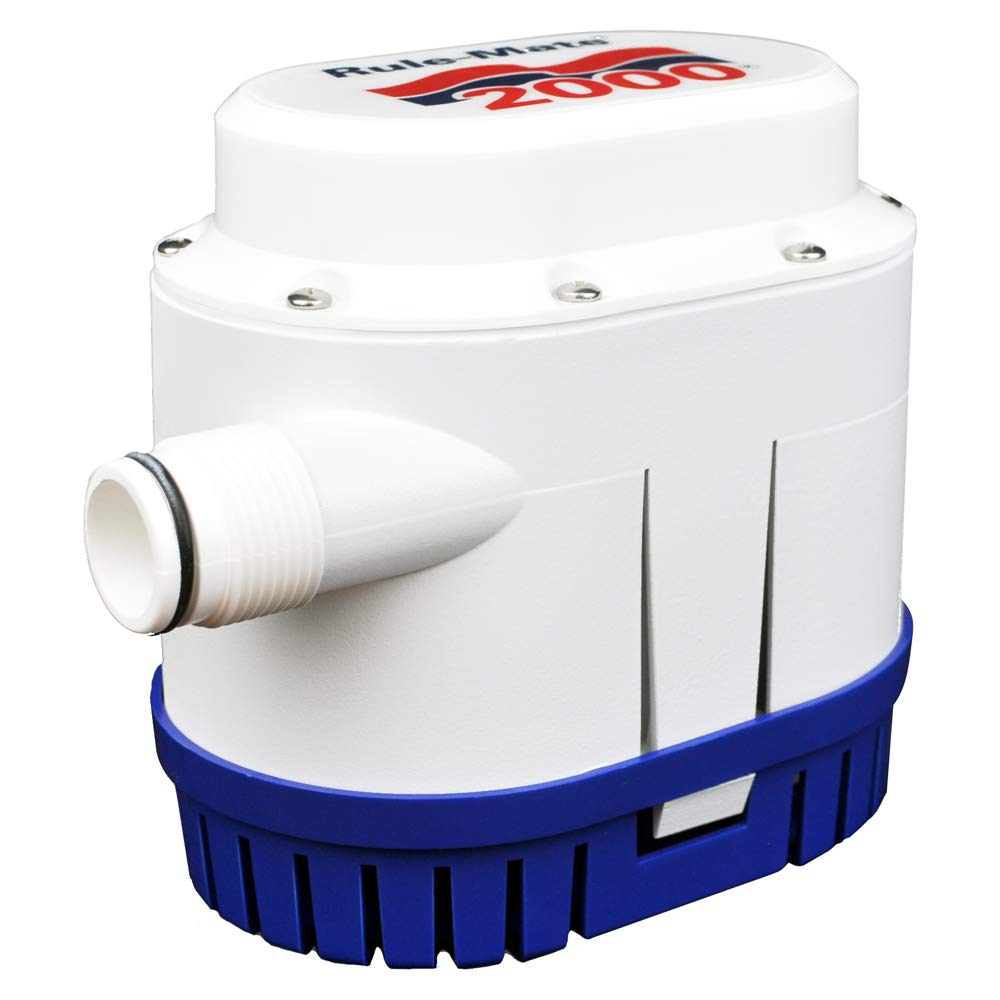
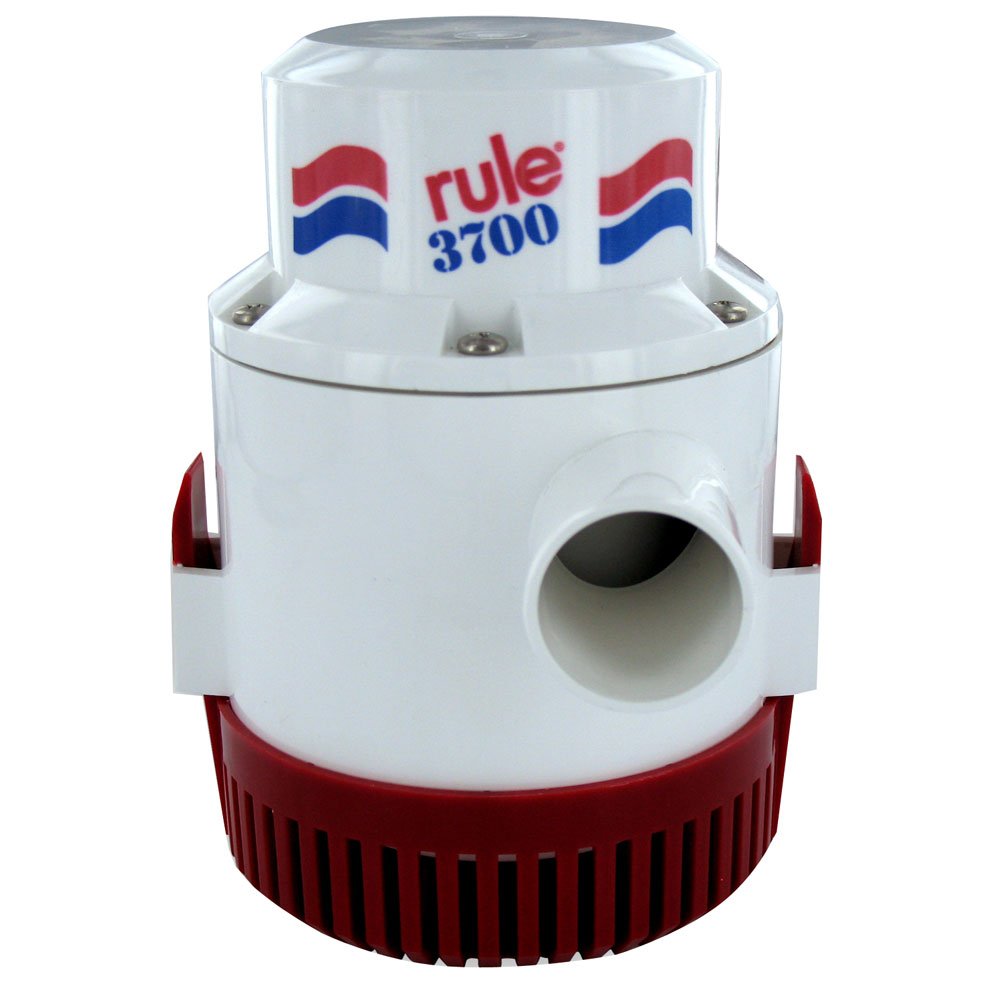
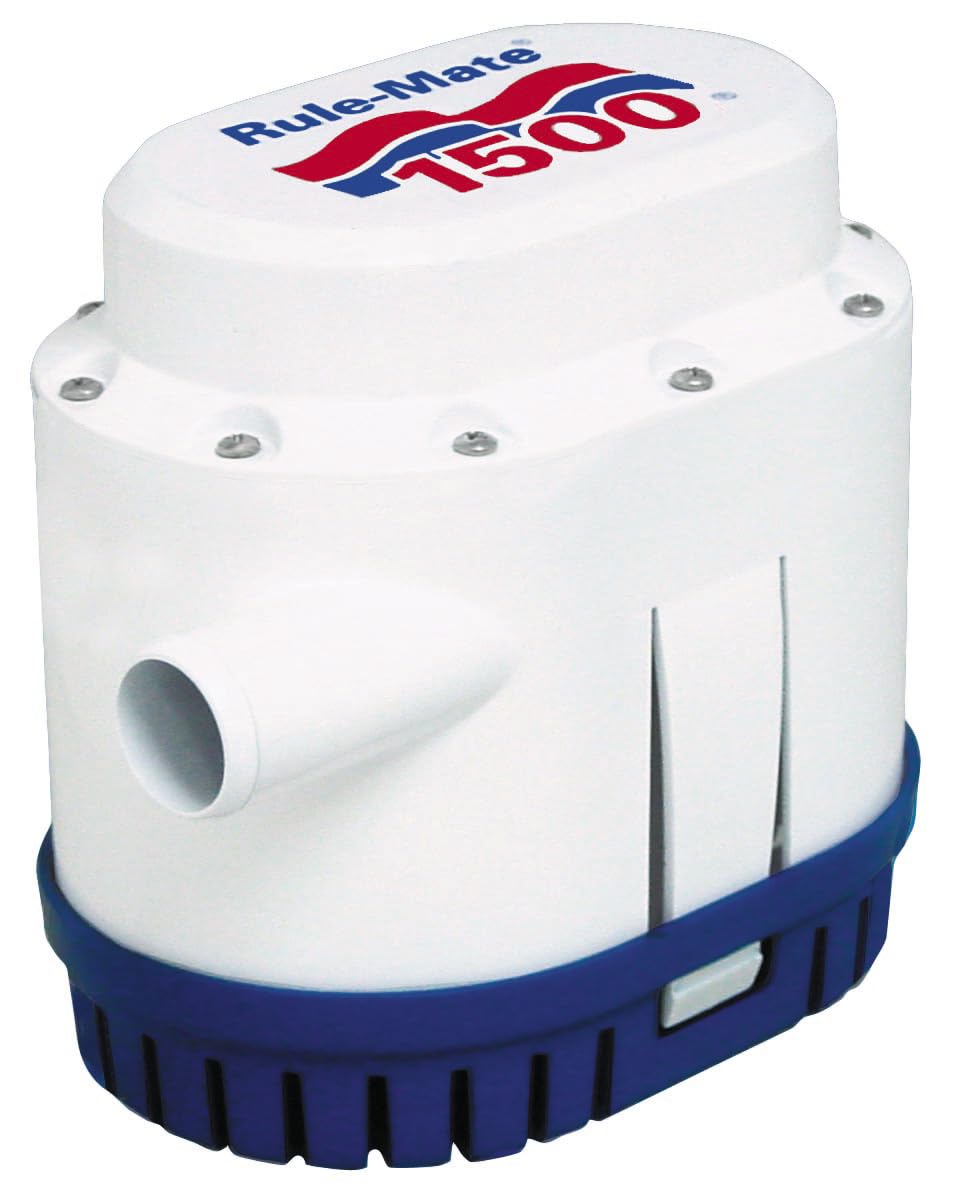
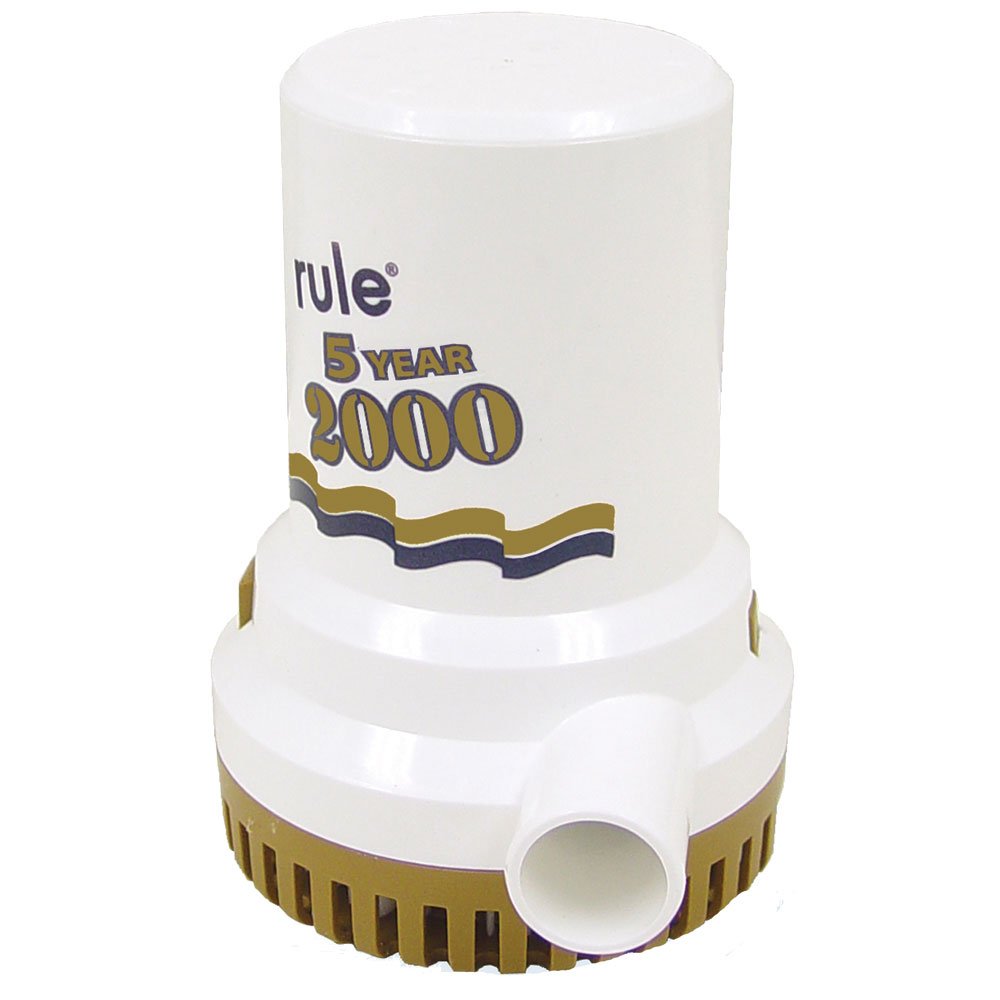


Who Needs a Bilge Pump
Any boat with an enclosed or partly enclosed bilge benefits from one, from fishing skiffs and runabouts to sailboats and cabin cruisers. Boats kept on a mooring or in a slip need a pump that works while you are away, and trailer boats still gather rain water between trips. Very small boats and kayaks can often manage with a hand pump or a bailer, but a powered pump gives extra margin on bigger craft. If water can pool somewhere you cannot easily reach, you want a pump there.
Types of Bilge Pumps
Automatic submersible pumps
These sit low in the bilge and start when a built in sensor or float switch detects rising water. They are the usual choice for boats left afloat because they work without you. Look for a pump with a reliable switch and a strainer base that resists clogging.
Manual submersible pumps
A manual pump runs only when you turn on a switch at the helm. This gives full control and avoids surprise battery drain, which suits boats you use daily. Many owners fit a manual pump as a backup on its own switch and fuse.
Hand operated pumps
Hand pumps need no power and are useful as an emergency backup on small boats, dinghies and kayaks. They move far less water than electric pumps, so treat them as a supplement, not a main system.
High output and diaphragm pumps
Larger boats and rough water call for higher flow rates, and some owners choose diaphragm pumps because they tolerate debris and dry running well. They cost more and need more space and wiring, so match them to the size of the vessel.
Key Features to Compare
Flow rate
Flow is rated in gallons per hour, but ratings assume ideal conditions with a short hose and no lift. Real output is lower once you add hose length, bends and discharge height. Choose a pump with a comfortable margin over what your boat is likely to take on.
Switching and sensors
A float switch is simple and proven, while electronic sensors have no moving parts and resist sticking. Whichever you choose, check that you can test the switch by hand, and test it at the start of each season.
Voltage and power draw
Most boats run 12 volt systems, and some larger vessels use 24 volts. Check amp draw against your battery and wire size, because thin wire over a long run causes voltage drop and makes the pump run slowly.
Hose size and discharge
Use the hose size the maker specifies and keep the run short and straight. Fit the discharge well above the waterline, and avoid low loops where water can sit and flow back into the pump.
Strainer and debris handling
Leaves, rags and fishing line are the usual cause of a pump that fails when it is needed. A good strainer helps, but you still need to clear the area around the pump regularly.
How to Choose the Best Bilge Pumps for Your Boat
Begin with the size of the boat and the way it is used. A small open boat needs a modest pump with a float switch, while a large cruiser or a boat that sits unattended for weeks may need a bigger pump plus a second backup. Next, check the electrical system: voltage, fuse size, wire gauge and the spot where the pump will mount. Then decide how much automatic control you want. For most boats left in the water, an automatic pump plus a manual backup on a separate switch gives the best protection.
Budget follows the size of the boat. Small pumps are inexpensive, and larger or electronic models cost more. Spending a little extra on a reliable switch and a sturdy strainer is usually sensible, because the pump only has to fail once. The product table above lets you compare current options by price and rating.
Installation Basics
Mount the pump at the lowest point of the bilge so it can pick up shallow water, and leave enough room to reach the strainer and lift the float. Use marine grade wire, crimp connectors and a fuse or breaker sized to the pump. Route the hose upward in a smooth line to a through hull fitting above the waterline, and secure it so gear cannot kink it. If you are not comfortable with boat wiring, ask a marine technician to check the installation.
Common Mistakes to Avoid
- Choosing a pump by the flow rating alone and ignoring hose length and lift.
- Using thin wire or no fuse, which risks overheating and a weak pump.
- Mounting the pump above the lowest point, so it leaves water behind.
- Skipping a regular test, then finding a stuck float switch when water rises.
- Letting debris, oil and rags collect around the strainer.
Care and Maintenance
Check the pump at the start of each season and again after any rough trip. Lift the float to confirm that the pump starts, clear the strainer, and look for chafed wire, corroded connections and cracked hoses. Keep the bilge clean, because oil and debris shorten pump life. Replace a pump that runs rough, draws more current than before or cycles when the bilge is dry, and fix leaks instead of relying on the pump alone. If you ever find the bilge full, stop and ask a professional to check the cause.
Related Guides
Read our guides to the best bilge pumps for small boats, the best automatic bilge pumps and the best kayak bilge pumps if your boat fits one of those cases.
Frequently Asked Questions
How big a bilge pump do I need?
Match capacity to the size of the boat and how much water it might take on. Small boats often do well with a pump rated around 500 to 1100 gallons per hour, while larger boats need more. Remember that real output is lower than the rating once hose length and lift are counted.
Should I choose an automatic or a manual pump?
An automatic pump is the safer main choice for boats left in the water because it starts when water rises. A manual pump on its own switch is a useful backup, and many owners fit both.
Will a bilge pump drain my battery?
A pump that runs briefly uses little power, but one that cycles often because of a leak can drain a battery over days. Find and fix the leak, and check battery voltage before each trip.
Where should a bilge pump be mounted?
At the lowest point of the bilge, with the intake sitting flat so it can pick up shallow water. Leave room to reach the strainer and test the float switch by hand.
How often should I test a bilge pump?
Test it at the start of the season, before long trips and after any hard use. A quick check by lifting the float or flipping the manual switch takes only a minute.
Final Thoughts
Size the pump to your boat, choose reliable switching, and install it with proper wire, a fuse and a clear discharge route. Test it often and keep the strainer clean. Compare the product table above and choose the best bilge pumps for your boat, then treat the pump as part of a small safety system and look after it like one.


