
Best Bilge Pumps for Small Boats 2026 Buying Guide
Disclosure: We may earn a commission when you buy through links on this page, at no extra cost to you. As an Amazon Associate I earn from qualifying purchases. Learn more

A plain guide to bilge pumps for small boats: capacity, automatic switches, wiring, hose size, and mounting, so you can pick a pump that fits your boat.
Water finds its way into almost every small boat, through spray, rain, and small leaks around fittings, and best bilge pumps for small boats give you a simple way to get that water out before it becomes a problem. A good pump sits low in the bilge, starts when water rises, and moves water overboard through a hose and a discharge fitting. The comparison table below shows the main types side by side, so you can match capacity and features to your boat before you buy.
Small boats have limited space, limited battery power, and bilges that are often shallow or oddly shaped, so the right pump is rarely the biggest one on the shelf. This guide walks through capacity, switching, power draw, hose routing, and mounting, with plain explanations of each choice. By the end you should know what size you need, where to put it, and what to check before every trip.


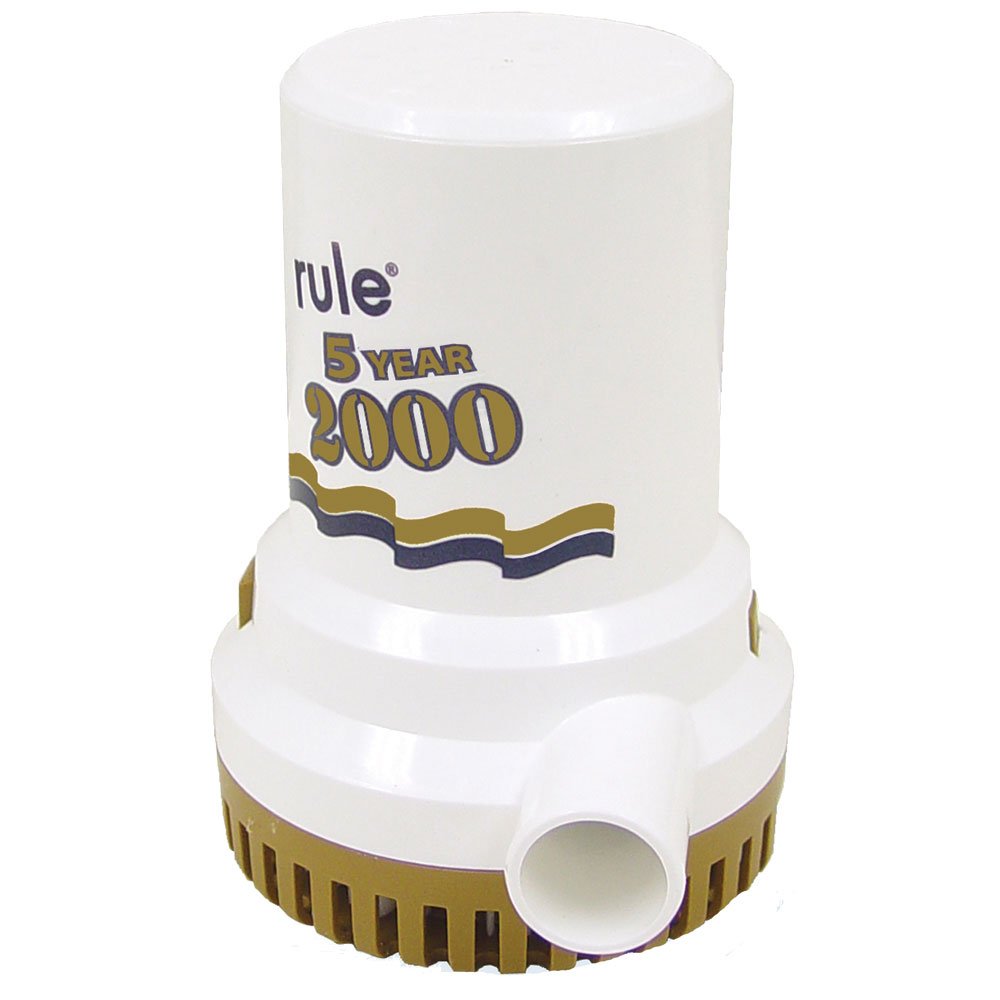


Who Should Buy a Bilge Pump for a Small Boat
A bilge pump suits any small boat that can take on water, from open fishing boats and runabouts to small sailboats and cuddy cabin boats. Even a boat that lives on a trailer benefits, because rain can collect in the bilge between trips and sit against wood, wiring, and fasteners. If your boat stays in the water, a pump matters even more, since slow leaks and heavy rain can add up while you are away.
Boats with sealed decks or foam filled hulls still benefit from a pump in any open bilge area, such as a cockpit sump or an engine well. The key question is whether water can pool somewhere you cannot easily bail by hand. If the answer is yes, a small automatic pump is cheap insurance. Manual pumps and sponges still have a place as backups, but they cannot help when no one is aboard.
Pump Capacity and Boat Size
Capacity is rated in gallons per hour, and makers test under ideal conditions with short hoses and no lift, so real world output is lower. For a small boat, a pump rated around 500 to 1100 gallons per hour usually covers rain, spray, and minor leaks, while larger or heavier boats may need more. Do not buy far more capacity than your battery and wiring can support, since an oversized pump that trips a fuse or drains a small battery helps no one.
Think about how water enters your boat. A boat with an open cockpit in rainy weather needs more capacity than a covered boat used on calm lakes. Also consider the bilge volume: a deep bilge holds more water before the pump starts, so the pump must move a larger slug of water each cycle. Match the pump to the boat, not to the biggest number on the box.
Automatic Switching or Manual Control
Automatic pumps use a float switch or a built in sensor to start when water reaches a set level and stop when the bilge is nearly dry. This is the safer choice for boats left in the water, because the pump works while you are away. Look for a switch that resists jamming from debris, and test it by lifting the float or adding water before each season.
Manual pumps run only when you flip a switch at the helm, which gives you full control and avoids surprise battery drain. Some boaters fit both: an automatic pump as the main unit and a manual pump as a backup on a separate switch and fuse. Whichever you choose, wire the automatic pump so it can run with the battery switch off if your boat stays afloat, and label the switch clearly.
Power Draw, Wiring, and Battery Life
Small boats often run on a single battery, so power draw matters. Check the amp draw at your system voltage, usually 12 volts, and size the wire and fuse to the maker instructions. Thin wire over a long run causes voltage drop, which makes the pump run slowly and can overheat the wire. Keep wire runs short, use marine grade tinned wire, and protect every connection from moisture.
A pump that cycles often because of a slow leak will drain a battery over days, so fix leaks rather than relying on the pump alone. A battery monitor or a simple voltage check before each trip tells you whether the pump has been working hard. For boats left afloat, a solar trickle charger or shore power charger can keep the battery topped up, but neither replaces fixing the leak.
Hose Routing and Discharge Fittings
The hose carries water from the pump to a discharge fitting above the waterline, and its size and route affect real output. Use the hose size the maker specifies, since a narrow hose chokes flow, and keep the run as short and as straight as possible. Avoid low loops where water can sit and flow back, and support the hose so it cannot kink when gear shifts in the bilge.
Fit the discharge outlet well above the waterline, even when the boat is loaded and heeling, and use a fitting that resists backflow. A check valve can help in some layouts, but it also adds resistance and can stick, so many boaters prefer a high loop in the hose instead. Inspect the outlet from outside the boat each season for blockages, cracked fittings, and loose clamps.
Mounting Position and Keeping It Clear
Mount the pump at the lowest point of the bilge where water collects, and make sure the intake sits flat so it can pick up shallow water. Leave room around the pump for your hand, because you will need to clear debris from the intake screen and lift the float switch during checks. If the bilge is divided by frames or bulkheads, water may pool in more than one section, and you may need a second small pump or a limber hole that lets water flow to the main pump.
Keep the area around the pump free of oil, rags, and loose gear. Debris is the most common cause of a pump that fails when it is needed, and a simple strainer or screen helps but does not replace cleaning. Check the pump at the start of the season and after any trip in dirty or weedy water, and carry a manual bailer as a backup on every outing.
Related Buying Guides
If you are still comparing pump types, the guide to best bilge pumps for boats covers larger installations, while the general guide to best bilge pumps explains the main pump styles in more depth. For boats left afloat, the guide to best automatic bilge pumps is worth reading before you choose a switching method.
Frequently Asked Questions
How much pump capacity does a small boat need?
For most small boats, a pump rated around 500 to 1100 gallons per hour is a sensible starting point, because it handles rain, spray, and minor leaks without overloading a small battery. Real output is lower than the rated number once hose length and lift are counted, so do not treat the box rating as delivered flow. Larger boats, open cockpits, and boats left in the water usually need capacity toward the upper end of that range.
Should I choose an automatic or a manual bilge pump?
An automatic pump is the better main choice for most small boats, because it starts on its own when water rises and keeps working while you are away from the boat. A manual pump gives you direct control and avoids surprise battery drain, which suits boats that are always trailered and checked often. Many boaters fit an automatic main pump plus a manual backup on a separate switch and fuse for redundancy.
Where should a bilge pump sit in a small boat?
The pump belongs at the lowest point of the bilge where water naturally collects, with the intake sitting flat so it can pick up shallow water. Leave enough room around it to clear debris and test the float switch by hand. If frames or bulkheads divide the bilge into separate pools, you may need a second small pump or a passage that lets water flow to the main pump location.
Will a bilge pump drain my boat battery?
A pump that runs only briefly uses little power, but one that cycles often because of a slow leak can drain a single battery over days. Fixing the leak matters more than fitting a bigger pump, and a voltage check before each trip shows whether the pump has been working hard. Boats left afloat benefit from a battery charger or solar trickle charger, but charging never replaces finding and fixing the leak.
What hose size should I use for a bilge pump?
Use the hose size the pump maker specifies, because a narrower hose chokes flow and a much wider hose can be hard to route and clamp well. Keep the run short and straight, avoid low loops where water can sit, and support the hose so gear cannot kink it. Fit the discharge outlet well above the waterline and inspect it each season for blockages and cracked fittings.
Final Thoughts
Choosing best bilge pumps for small boats comes down to matching capacity to your boat, picking a switching method you will actually test, and wiring and routing the installation with care. The product table above gives a quick side by side view, but the details in this guide matter more than any single rating number. Size the pump honestly, keep the bilge clear, and test the pump before every trip. A small pump that works every time is worth far more than a large pump that fails when water starts rising.


