Best Berkel Food Slicer: A Complete Buying Guide
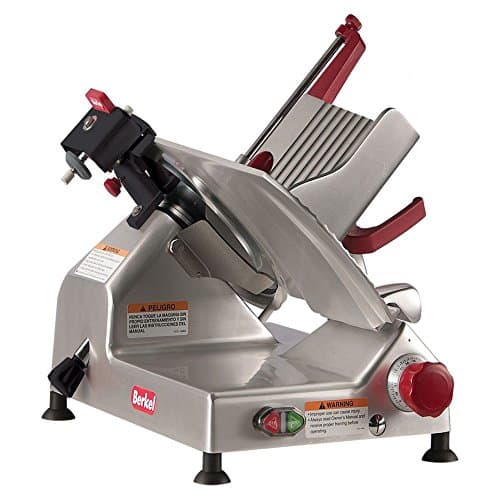
Slicing your own prosciutto, roast beef, or aged cheese at home sounds simple until you try doing it evenly with a kitchen knife. Uneven slices cook unevenly, wrap poorly, and never look quite as good as what you get from the deli counter. That is why so many serious home cooks eventually look into buying a dedicated slicer, and Berkel is one of the names that comes up again and again. If you are trying to find the best Berkel food slicer for your kitchen, the challenge is not a lack of options. It is understanding how blade size, motor power, and feed type actually affect the way the machine performs once it is on your counter. This guide walks through what matters most so you can compare the lineup with confidence and pick a slicer that fits how you actually cook.
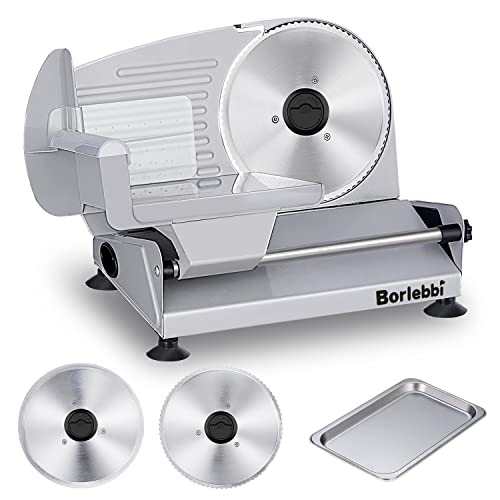

Understanding the Berkel Slicer Lineup
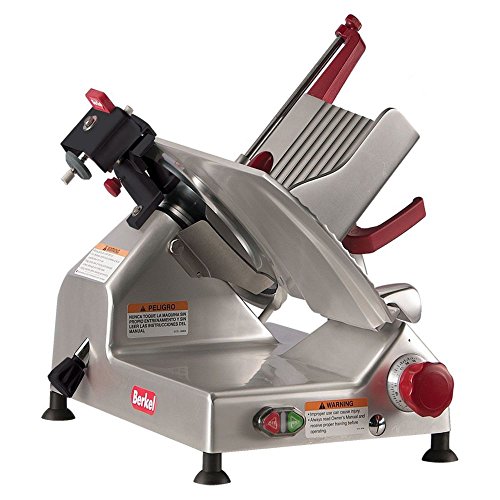
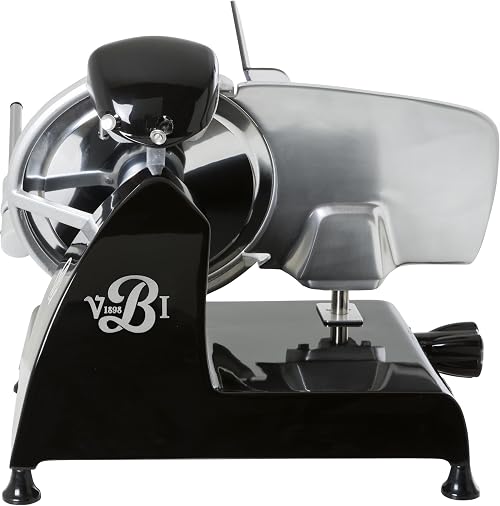
Berkel has been building slicing machines since the late 1800s, and the brand's modern lineup spans everything from compact countertop units designed for occasional home use to heavier-duty machines built for daily, high-volume slicing. Rather than treating every option as interchangeable, it helps to think of the lineup in broad tiers based on how much slicing you plan to do and how much space you have to work with.
Home-Tier Slicers
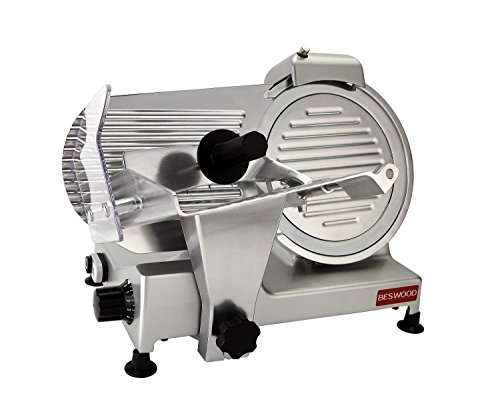
Entry-level home models are designed to be compact, attractive enough to leave out on a counter, and simple enough that a first-time owner can start slicing within minutes. These units typically use smaller blades and lighter motors, which is fine if you are slicing a few pounds of deli meat or cheese a week rather than running the machine for hours at a stretch.
Premium and Semi-Commercial Tiers
Above the entry tier sit models built with larger blades, stronger motors, and extras like built-in sharpeners or wider gauge plates for thicker cuts. These are aimed at people who slice often, host frequently, or run a small operation like a home charcuterie business out of their kitchen. They cost more and take up more counter or storage space, but they hold up to regular use in a way that lighter home units are not designed for. Matching your slicing habits to the right tier is really the core of choosing the best Berkel food slicer for your household rather than simply picking the model with the most features. If your needs really do go beyond home kitchen volume, it's worth comparing these premium tiers against a dedicated commercial meat slicer built specifically for daily, high-volume work.
What to Look for in the Best Berkel Food Slicer
Once you know roughly how much slicing you will be doing, a handful of specs and features separate a good fit from a frustrating one, and understanding them is what turns a random purchase into the best Berkel food slicer for the way you actually cook.
Blade Size
Blade diameter is usually the first spec listed, and it is a reasonable shorthand for capacity. Smaller blades, generally in the 8 to 10 inch range, work well for occasional home slicing of deli meats, cheese, and vegetables. Larger blades, 12 inches and up, cut through bigger roasts and thicker items more easily and tend to pair with sturdier motors. If you mostly slice smaller cuts like prosciutto or bacon, you do not need the largest blade available, but if you plan to slice full roasts or large cheese wheels, a bigger blade will save you time and effort.
Motor Power and Duty Cycle
Motor power determines how long and how often you can run the slicer without straining it. A slicer meant for light home use might be rated for short daily sessions, while a more powerful motor can handle back-to-back slicing without slowing down or overheating. If you only slice a couple of times a week for a family dinner, a lighter-duty motor is plenty. If you are prepping for gatherings, running a small food business, or slicing daily, look for a model with a higher duty cycle rating so the motor is not working at its limit every time you use it.
Feed Type: Gravity vs Automatic
Most home-oriented slicers use a gravity feed design, where the food sits on an angled tray and you push it toward the blade by hand. This gives you direct control over speed and pressure, which is useful for delicate items like thinly sliced prosciutto. Automatic or motorized feed slicers move the food for you at a consistent pace, which is convenient for large batches but adds cost and is generally geared toward higher-volume use. For most home kitchens, a gravity feed model offers the right balance of control and simplicity.
Blade Material
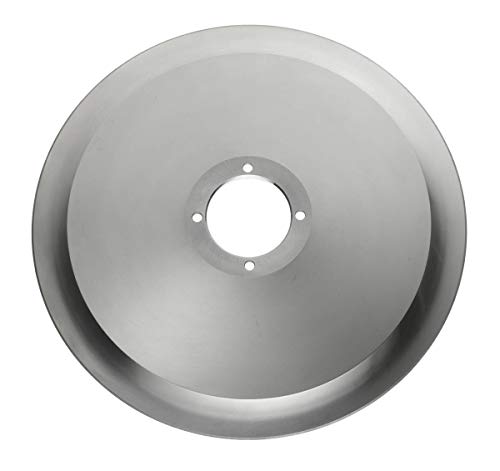
Slicer blades are typically made from either stainless steel or chromed carbon steel. Chromed carbon steel tends to hold a sharp edge longer between sharpenings, but it needs more careful drying and maintenance to avoid rust. Stainless steel is more forgiving with moisture and generally easier to live with day to day, though it may need touch-ups slightly more often. Neither choice is wrong, but it is worth knowing which one you are getting so you can plan your cleaning routine accordingly.
Safety Features
Because a slicer blade stays exposed during use, safety features are not optional extras. Look for a solid blade guard that shields the edge when the machine is idle, a safety interlock that prevents the motor from running if the guard or carriage is not properly seated, and a non-slip base that keeps the unit steady on the counter. A finger guard on the food carriage is another small feature that makes a real difference, especially if the slicer will be used by more than one person in the household.
What Can You Actually Slice With It
A well-built food slicer is not limited to meat. Firm to semi-firm cheeses slice cleanly, and many home cooks use theirs regularly for vegetables like cucumbers, zucchini, or potatoes when they want uniform thickness for a recipe. Soft, crumbly cheeses and very hard, brittle items tend to be harder to slice cleanly on any machine, so it helps to think about the mix of foods you actually prepare at home before assuming a slicer will handle everything equally well. If your goal is mostly deli-style meats and semi-firm cheese, almost any model in the lineup will cover you comfortably. Once you have sliced more than you need for one sitting, portioning the extra with a good vacuum sealer keeps it fresh far longer than simply wrapping it in plastic.
How to Keep Your Slicer Cleaning and Maintenance Ready
A slicer that touches raw meat needs to be cleaned after every use, not just at the end of the day. Unplug the machine first, then remove the blade guard and tray according to the manufacturer's instructions so you can reach all the surfaces that come into contact with food. Wipe down the blade from the center outward in one direction, wearing a cut-resistant glove, and use a food-safe sanitizer rather than anything abrasive that could scratch the surface. Dry every part completely before reassembling, since leftover moisture is what leads to rust and bacterial growth over time. Plan on sharpening the blade periodically as well. How often depends on how much you use the slicer, but a dull blade tears food instead of cutting it cleanly, which is usually the first sign it is time. Keeping the rest of your prep tools sharp matters too, and many slicer owners keep a compact electric knife sharpener nearby for trimming knives before meat ever reaches the machine.
Common Mistakes to Avoid
New slicer owners tend to make a few predictable mistakes. Forcing food through the blade instead of letting the machine do the work strains the motor and produces messier slices. Guessing at the thickness setting rather than testing on a scrap piece first often leads to torn or uneven slices, especially with delicate meats. Skipping cleaning between raw and ready-to-eat foods creates a real cross-contamination risk, so the blade and tray should be sanitized any time you switch between them. Finally, never try to slice frozen food or items with pits and hard seeds. Both can damage the blade and put unnecessary stress on the motor, shortening the life of the machine. Before food ever reaches the slicer, trimming it with a solid kitchen knife set makes the whole process smoother, since a slicer works best when it isn't compensating for a rough initial cut.
Frequently Asked Questions
What size blade do I need for a home food slicer?
For typical home use, an 8 to 10 inch blade handles deli meats, cheese, and vegetables comfortably. If you regularly slice larger roasts or big cheese wheels, a 12 inch or larger blade will make the job easier and faster.
Is a gravity feed slicer better than an automatic one for home use?
For most households, yes. A gravity feed slicer gives you more direct control over speed and pressure, which suits smaller batches and delicate items, and it typically costs less than an automatic model.
How much horsepower does a home food slicer need?
Occasional home slicing does not require a powerful motor. If you slice daily or in larger batches, though, a stronger motor with a higher duty cycle rating will hold up better over time without straining.
Can a food slicer handle cheese and vegetables as well as meat?
Yes, a quality slicer handles firm to semi-firm cheese and vegetables like cucumbers and zucchini well. Very soft cheeses and hard, brittle foods are trickier and may not slice as cleanly.
How often should I clean and sharpen a food slicer?
Clean it after every use, especially if raw meat is involved. Sharpening frequency depends on how often you use the machine, but slices that start to tear rather than cut cleanly are a good sign it is time.
What's the difference between a stainless steel and chromed carbon steel blade?
Chromed carbon steel tends to hold its edge longer but needs more careful drying to prevent rust. Stainless steel is more forgiving with moisture and easier to maintain, though it may need sharpening slightly more often.
Is a built-in blade sharpener worth having?
If you use your slicer often, a built-in sharpener is a convenient way to maintain a clean edge without removing the blade or buying separate sharpening tools. For occasional use, it is a nice extra rather than a necessity.
Final Thoughts
Finding the best Berkel food slicer for your kitchen comes down to matching blade size, motor power, and feed type to how often you actually plan to slice. Think honestly about your typical week, whether that means the occasional charcuterie board or regular batch prep, and let that guide which tier of the lineup makes sense. Pay attention to safety features and plan for basic maintenance from the start, and whichever model you choose should serve you well for years.