Best Beginner SLR Digital Cameras for 2026: Budget, Midrange, and Premium Choices
Disclosure: We may earn a commission when you buy through links on this page, at no extra cost to you. As an Amazon Associate I earn from qualifying purchases. Learn more

Compare the best beginner slr digital cameras at every price point. Learn what you get at budget, midrange, and premium levels and where spending more pays off.
Prices for a first SLR span a wide range, and the gap can confuse a new buyer. The best beginner slr digital cameras share clear menus, helpful auto modes, and a lens mount you can grow with, but they differ in sensor, focus speed, and video. Use the comparison table below to match price to the features you will actually use.
Start with how you plan to learn. If you want guided help while you practice manual control, a simpler body may suit you best. If you shoot family action or travel in dim light, paying more for focus can save frustration later.


Who Should Buy a Beginner SLR Digital Camera?
Your first subject and your patience for learning should shape the choice more than a spec list alone. If you are still weighing SLR handling against simpler options, see our guide to the best digital cameras beginners for a broader starting view.
New Learners Who Want Guided Manual Control
You want to move beyond a phone and learn aperture, shutter speed, and ISO at your own pace. Choose a body with a guide mode, clear dial labels, and on screen explanations for each setting. A light body and a standard kit lens keep practice simple at first.
Families Who Need Fast and Forgiving Focus
You photograph children, pets, and school events where moments pass quickly. Choose strong autofocus coverage, a fast burst rate, and a screen you can tilt for low or high angles. Face detection in live view makes portraits easier while you build skill.
Travel and Hobby Shooters Planning to Grow
You want one camera for trips, landscapes, and portraits, and you expect to keep it for years. Choose a comfortable grip, a bright viewfinder, and a lens mount with many lens choices. The body and first lenses will shape your kit for a long time.
What a Beginner SLR Budget Buys at Each Tier
Price tiers for SLR bodies follow a clear pattern once you look past megapixel counts. Budget models teach the basics well, midrange models add speed and control, and premium models add sensor size and build strength that matter only for certain goals.
Budget Tier: Core Learning Tools on a Kit Lens
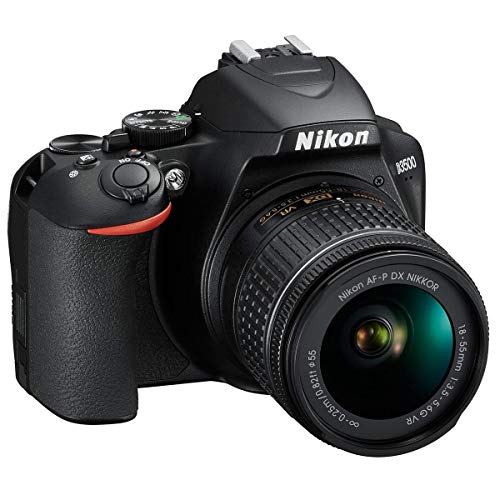
For about $400 to $650 with a kit lens, you get an APS C sensor, guided auto modes, and a standard zoom for everyday subjects. The viewfinder and screen are basic, and video is often limited to Full HD. This tier suits careful learners who would rather spend later on a lens than pay now for speed.
Midrange Tier: Faster Focus and Extra Control for Practice
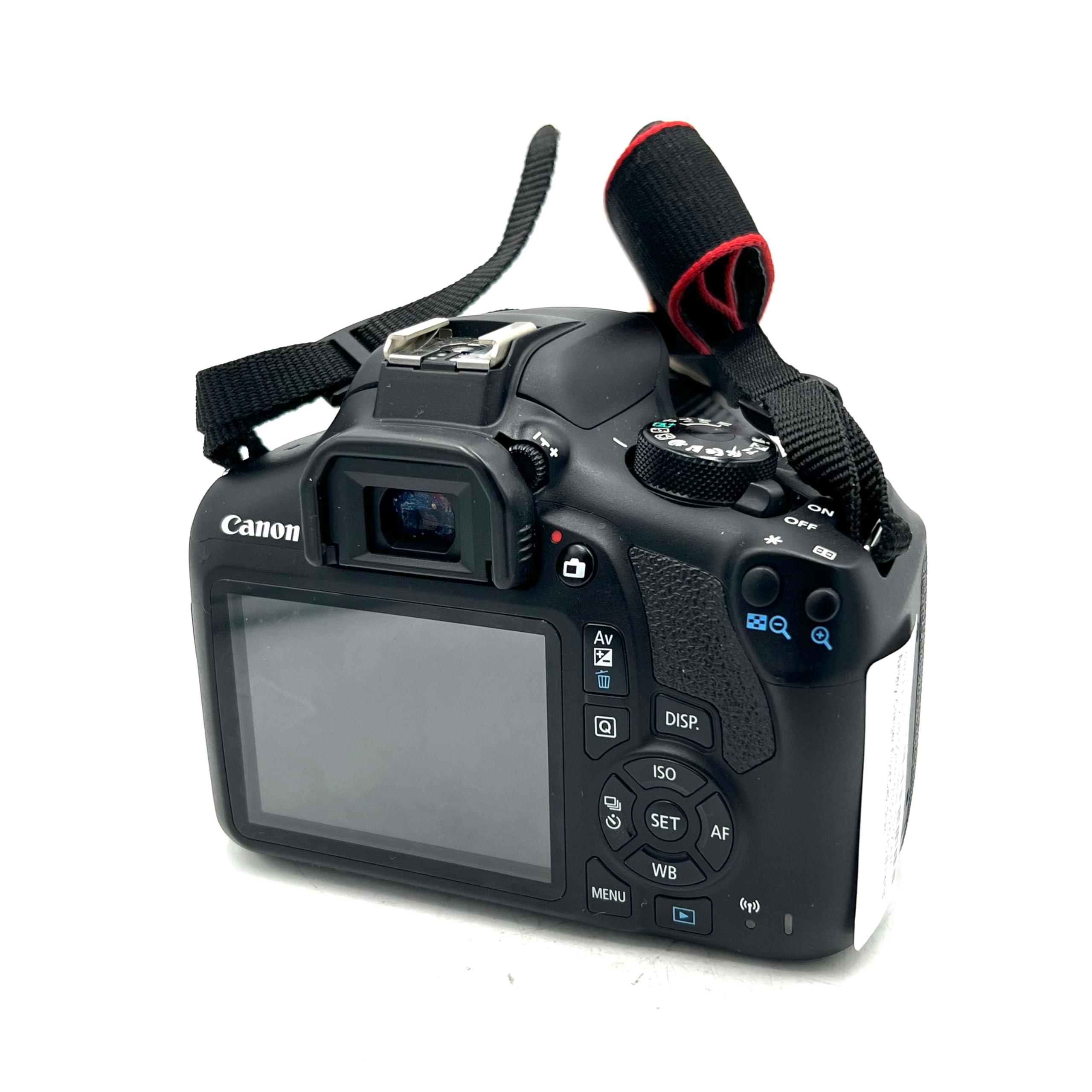
For about $650 to $1,100 with a kit lens, you get quicker autofocus, more focus points, a larger viewfinder, and often a touch screen that tilts. Many models add WiFi sharing and better video, including 4K on some bodies. This tier suits families and hobby shooters who practice often.
Premium Tier: Larger Sensors and Stronger Build for Long Term Use
For about $1,100 to $2,000 with a kit lens, you may get a full frame sensor, stronger weather sealing, and a tougher body with twin control dials. Low light range and background blur control improve, but weight and lens costs rise too. See our guide to the best digital slr cameras to compare the wider SLR range.
Key Features to Compare
Compare the features below in order, since each one changes daily use more than a small difference in megapixels.
Sensor Size and Image Quality
Sensor size sets the base for image quality on an SLR camera. Most beginner bodies use an APS C sensor, which gathers enough light for sharp prints and clean files at moderate ISO settings. Full frame sensors are larger, so they handle dim rooms with less noise and allow softer backgrounds for portraits. More megapixels help only when you crop heavily or print very large.
Autofocus That Forgives Beginner Timing
Autofocus decides how many early shots stay sharp while you learn composition. Through the viewfinder, more focus points and wider coverage help track a child or pet moving across the frame. In live view, face detection can hold focus on eyes for portraits with less effort from you. A burst rate of about 5 to 7 frames per second gives you more keepers during action.
Viewfinder, Screen and Handling for Learning
An SLR viewfinder shows the scene through the lens, so what you see matches what the sensor will record. Look for viewfinder coverage near 100 percent and magnification that makes the frame easy to read without straining your eye. A tilting touch screen helps for live view, video, and low angle shots, while a balanced grip matters during long walks.
Kit Lens Range and Room to Expand
Most kits start with an 18 to 55 mm zoom, which covers wide group shots, street scenes, and portraits at the long end. Optical zoom on a kit lens is set by that range, so a second lens is the usual next step rather than digital zoom. A common 50 mm prime lens adds a wide aperture for dim light. Choose a mount with a deep lens catalog, since lenses often stay with you longer than the first body.
Low Light Range and Image Stabilization
Low light results depend on the sensor, the lens aperture, and steady handling together. A usable ISO range up to about 12800 or higher gives you room in halls and evening rooms, but files stay cleanest at lower settings. Image stabilization in the lens or body reduces blur from small hand movements at slow shutter speeds. It cannot freeze a moving child, so raise shutter speed for action.
Long Term Costs of Owning a First SLR Camera
Budget for the full kit when you compare best beginner slr digital cameras, not just the body on sale. A memory card, a padded bag, and a spare battery are near essential on day one, and together they often add about $75 to $150. A cleaning kit and a basic tripod can wait.
Over the first two years, a second lens is the largest added cost, often about $150 to $400 for a prime or telephoto zoom. Factor in a care plan only if you travel often or shoot near water and dust. If a complete starter bundle fits your budget better, see our guide to the best starter digital slr cameras for kit based options.
Common Mistakes to Avoid
These errors cost new SLR owners money or missed shots in the first months.
- Buying on megapixel count alone leads to a camera with weak focus or a poor kit lens that limits your photos.
- Choosing the heaviest premium body for daily family use leaves it at home on walks where a lighter body would have come along.
- Spending the whole budget on the body leaves no money for a memory card, spare battery, or second lens that your subjects need.
- Using full auto for months without trying aperture or shutter control slows learning and leaves you unready when auto picks the wrong setting.
- Storing the camera with a drained battery for long periods can shorten battery health and leave you without power on the next outing.
Care and Maintenance for Your SLR Camera
Keep the lens cap on when the camera is in a bag, and change lenses indoors or sheltered from wind when you can, since dust on the sensor shows as dark spots in bright skies. Use a blower first for loose dust, and never touch the sensor or the mirror with your fingers.
Wipe the lens with a clean microfiber cloth, store the body in a dry place away from direct sun, and charge the battery before long storage. Check the strap and lens mount for looseness each month, and follow the maker guide exactly for any firmware update.
Frequently Asked Questions
What makes beginner SLR digital cameras different from other starter cameras?
Beginner SLR digital cameras differ because they pair guided auto help with full manual control on the same body. A mode guide explains what each setting does as you turn the dial, which a basic compact rarely does in the same depth. You also gain changeable lenses from the start, so you can take over one setting at a time.
What specs matter most for a first SLR camera bought on a budget?
The specs that matter most are autofocus coverage, sensor size, and kit lens aperture. On a tight budget, an APS C body with reliable focus will serve you better than a newer body with a slow kit lens. Battery life is worth checking too, since SLR bodies often reach about 600 to 900 shots per charge.
How much should you spend on a first beginner SLR digital camera?
Most new learners should spend about $650 to $1,100 for a body with a kit lens and basic accessories. That range buys focus and screen quality you will feel every week, without the weight and lens costs of full frame gear. Rent first if you can, since a short rental confirms that SLR size suits your hands.
Which beginner SLR digital camera setup works better for low light photos?
A beginner SLR setup with a wide aperture prime lens works better for low light photos than a kit zoom alone. A 50 mm lens at f/1.8 lets in far more light than a kit zoom at f/5.6, so you can keep ISO lower. Shoot near a window or lamp where you can, since added light improves focus speed as well as exposure.
Is a smartphone enough instead of a beginner SLR digital camera?
A smartphone is enough for casual snaps, but it is not a full substitute for a beginner SLR digital camera. A phone limits lens choice, background blur control, and handling with physical dials, and its small sensor struggles more in dim light. See our guide to the best beginner slr cameras when you feel ready to step up.
Final Thoughts
Match sensor, focus, and handling to your main subject first, then let your budget tier decide how much speed and build you add. Use the product table above to confirm kit lens, weight, and total cost with accessories before you order. When you compare best beginner slr digital cameras that way, the right tier usually becomes clear.