Best Affordable SLR Digital Cameras in 2026: Everything to Know Before Your First Purchase
Disclosure: We may earn a commission when you buy through links on this page, at no extra cost to you. As an Amazon Associate I earn from qualifying purchases. Learn more

Compare affordable SLR digital cameras by sensor, lens, video, battery and total cost, with plain English guidance for your first camera purchase.
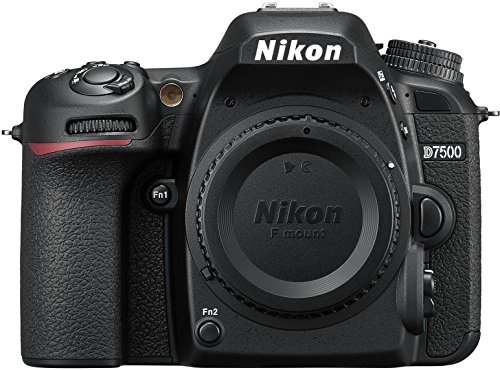
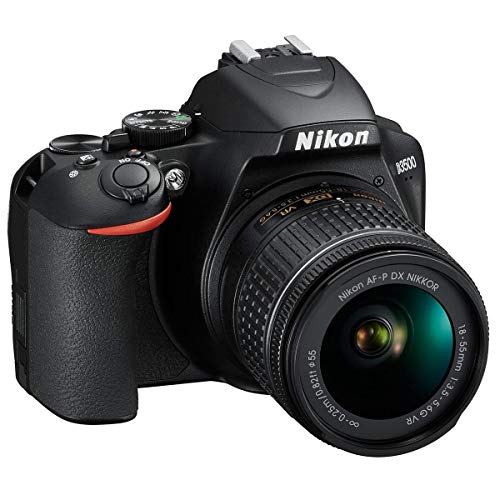
Buying your first SLR can feel confusing because every listing leads with numbers you may never have used before. The best affordable slr digital cameras are not the ones with the longest spec list. They are the ones whose sensor, lens and controls fit the photos you want to take, at a total price you can sustain. Use the comparison table below to check price and core specs as you read.
This guide starts with how an SLR works, then explains each major choice in plain English. You will learn what to expect on a budget, where saving money makes sense, and which extra costs to plan for before you order. Match each section to your own subjects and habits.



SLR Digital Cameras 101: The Basics for a First Purchase
SLR means single lens reflex. Light enters through the lens, reflects off a mirror, and reaches an optical viewfinder, so you see the scene through the same lens that records it. When you press the shutter, the mirror flips up and the sensor captures the image. That direct view has almost no delay, which helps for sports, pets and kids in motion.
An SLR is also a system, not a single fixed camera. You can remove the starter lens and fit another lens made for the same mount when your needs grow. That freedom is the main reason to choose an SLR over a fixed lens camera. To compare the wider field first, see our guide to the best affordable digital cameras for other camera types at similar prices.
Who Should Buy an Affordable SLR as a First Camera?
Students and Hobby Learners Who Want Real Controls
You want to learn aperture, shutter speed and ISO by turning dials and seeing the result. A guided automatic mode helps on day one, while manual controls let your skill grow without replacing the body. Choose a lighter body you will carry to class and practice sessions often.
Families Who Want Better Photos Than a Phone Gives
You photograph birthdays, school events and trips, and you want sharper results indoors and at a distance. A kit lens covers group shots and portraits, and the optical viewfinder helps you follow moving children without screen lag.
New Hobbyists Planning to Add Lenses Slowly
You have one main interest, such as portraits, landscapes or wildlife, and you plan to buy one extra lens later. Start with the kit lens, learn which focal lengths you use most, and let that record guide your next purchase. A camera from our guide to the best starter digital slr cameras suits this slow growth path.
Reading an SLR Spec Sheet Without the Jargon
Read each spec by asking what it changes in daily use, not which number is biggest. The six points below cover the choices that shape your results and your total cost. That is how you judge best affordable slr digital cameras on value rather than on headline numbers.
Starter Kit Costs and the Features You Give Up
A starter outfit with a body and kit lens usually costs about $500 to $900, and you should add about $50 to $150 for a memory card, a bag and a spare battery. At this level you get a capable APS C sensor and good automatic modes. What you give up is usually weather sealing, the fastest burst rates and the most advanced video tools. Do not skip the spare battery or card to save money.
Sensor Size and Image Quality in an Affordable SLR
Most affordable SLRs use an APS C sensor, much larger than a phone sensor, so they gather more light for cleaner photos indoors and after sunset. Full frame sensors are larger again, but bodies and lenses cost far more, so they rarely fit a first purchase budget. Megapixels matter less than listings suggest. A sensor with about 24 megapixels already makes large prints, and lens quality affects sharpness more than extra megapixels do.
Video Capabilities of a Budget SLR Camera
Many affordable SLRs record 1080p video with good color, and some offer 4K video with a cropped view or a lower frame rate, so read the fine print before you count on 4K. For talking to the camera, a tilting screen and a microphone input matter more than resolution, because you need to frame yourself and record clear sound. Focus in video is also slower on many SLRs than focus through the viewfinder for stills.
Battery Life and Charging on an Entry Level SLR
Shooting through the optical viewfinder uses little power, so many affordable SLRs take about 600 to 1500 shots on one charge. Using the rear screen for live view or video drains the same battery far faster, often in a few hours. Most models at this price use a dedicated charger and a removable battery. A spare battery is cheap insurance.
Ease of Use for Your Skill Level
Good beginner SLRs explain settings on screen, offer scene modes for portraits, sports and close subjects, and give you direct dials for the settings you will learn first. Check that menus feel clear and that the grip suits your hand, because a camera that feels awkward stays home. WiFi transfer helps you share favorite shots to your phone, though moving a full card is faster with a reader. For more on these learning features, see our guide to the best slr digital cameras for beginners.
Lens and Zoom Range for an SLR Starter Kit
An SLR does not have a fixed optical zoom like a compact camera. Zoom range comes from the lens you fit, and a common kit lens covers about 18 to 55 mm, from wide group shots to short distance portraits. Smaller aperture numbers such as f/2.8 let in more light than f/5.6, which helps indoors and softens backgrounds. Many kit lenses include image stabilization to reduce blur from hand movement. A later lens must match your mount and sensor format, so the objective lens you buy has to fit the system you choose now.
First Setup: Battery, Card and Your First Test Shots
Charge the battery fully, format the memory card in the camera, and set the date and time before your first outing. Fit the kit lens until it clicks, remove the cap, and take test shots at home in automatic mode. Shoot one scene at several ISO and aperture settings and view the results on a larger screen. That one exercise teaches more than a week of menus.
Common Mistakes to Avoid When Buying Your First SLR
- Spending your whole budget on the body leaves nothing for a card, bag and spare battery.
- Choosing a camera only for its megapixel count can ignore lens quality and light.
- Buying several extra lenses at once means guessing at focal lengths before you know what you shoot most.
- Ignoring the total weight of body and lens leads to a camera that stays home on long trips.
- Expecting full weather sealing at a budget price risks damage in rain the body was not built for.
- Using your shirt to clean a lens can grind dust across the glass and leave marks.
Care and Maintenance for an SLR Digital Camera
Clean the lens with a lens cloth and a blower, never with a shirt or tissue, and keep caps on whenever a lens is off the body so dust stays off the sensor. Change lenses with the camera facing down and the power off. Store the camera in a dry bag away from heat, and remove the battery during long storage. Have a professional clean the sensor if spots appear in every photo at small apertures.
SLR Digital Cameras: Your Questions Answered
How much should a first time buyer spend on an affordable SLR digital camera?
A first time buyer should plan on about $500 to $900 for a body with a kit lens, plus a small reserve for basic extras. If you already own lenses that fit a mount, a body only price can stretch your budget further. Set a firm ceiling before you shop, because bundle add ons at checkout can push a fair price into an uncomfortable one.
What does viewfinder magnification mean on an SLR camera?
Viewfinder magnification describes how large the scene appears when you look through the optical viewfinder. A higher figure makes details and manual focus easier to judge, while a lower figure can feel like looking down a tunnel. If you wear glasses, test whether you can see the full frame and the settings display at once.
Is a smartphone enough instead of an affordable SLR digital camera?
A smartphone is enough if you mostly share photos online right after taking them and rarely shoot in dim light or at a distance. An SLR earns its cost when you want an optical viewfinder with no lag, interchangeable lenses, or large prints that hold fine detail.
Which specs matter most for a beginner buying an affordable SLR camera?
Sensor size, kit lens range and clear guided controls matter most for a beginner, because they shape image quality and how fast you learn. After those, judge the camera by how it feels in your hand during a full hour of shooting, since grip comfort decides whether you practice often.
Which affordable SLR camera setup is better for low light photos?
A setup with a fast prime lens, such as a 35 mm or 50 mm lens with a wide aperture, is better for low light than a kit zoom at its longest setting. Raise ISO in steps and check noise on a larger screen to find the highest value you accept. For still subjects, a tripod lets you use a slower shutter speed and keep ISO low, which gives the cleanest result of all.
Final Thoughts
Choose by sensor, kit lens and controls first, then confirm that battery life, video tools and total cost fit your plans. The right first SLR is the one you can afford to use often, with room to add one lens later. Use the product table above to compare those points before you decide.
When you shop for best affordable slr digital cameras with a clear budget and a short list of subjects in mind, the choice gets simple. Start with the kit, learn the core settings, and let your photos tell you what to buy next.