
Best Beginner Downhill Mountain Bike 2026: Buying Guide
Disclosure: We may earn a commission when you buy through links on this page, at no extra cost to you. As an Amazon Associate I earn from qualifying purchases. Learn more
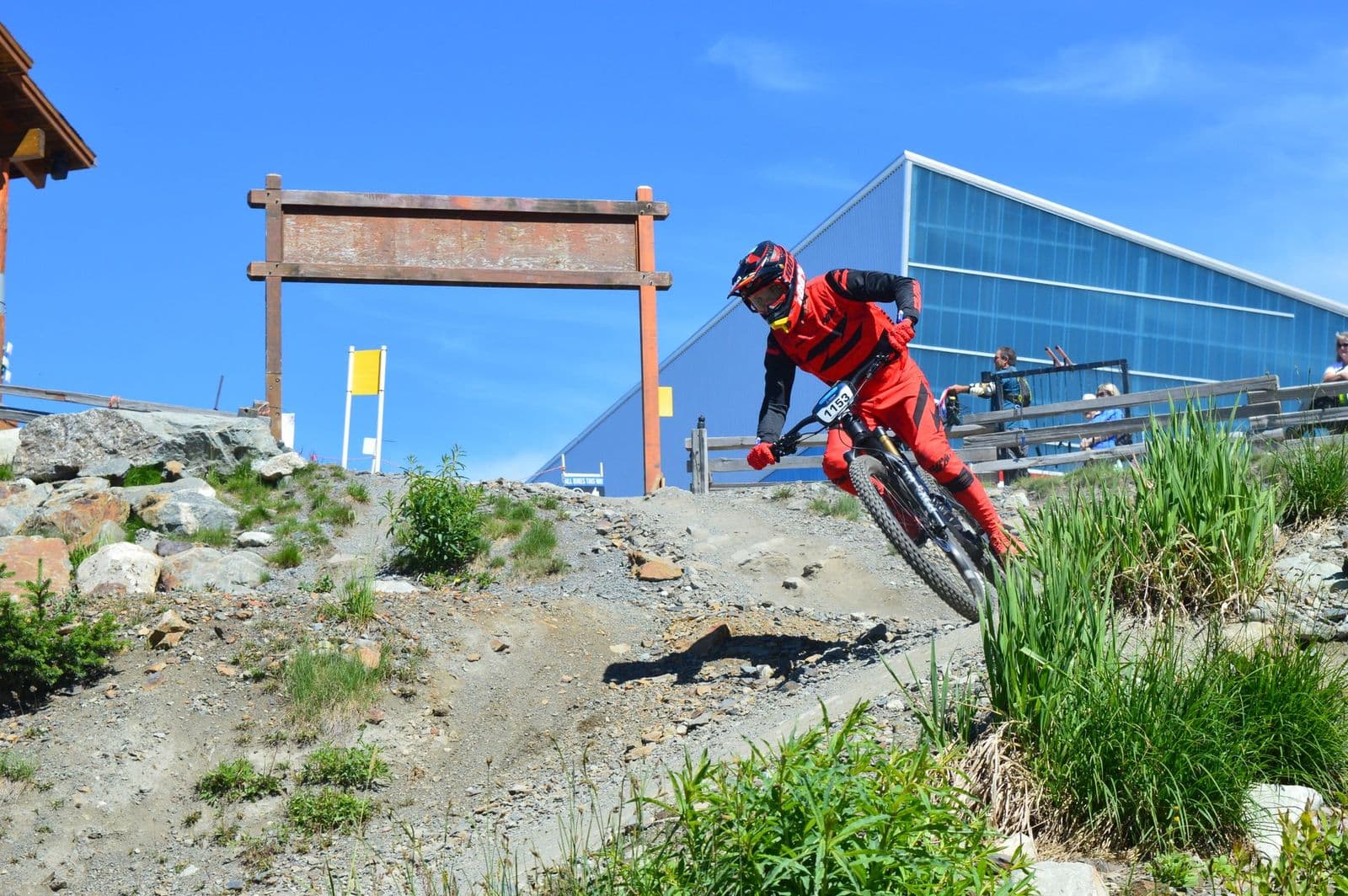
The best beginner downhill mountain bike fits well, stops reliably and forgives mistakes. Learn about travel, brakes, gear and budget before you buy.
Downhill riding is the fastest and roughest branch of mountain biking, and the best beginner downhill mountain bike is not the one with the longest spec sheet. It is the one that fits you, stops reliably and soaks up mistakes while you learn to read steep, loose ground. A true downhill bike is a specialist machine, so most new riders do better by understanding the options before they spend.
This guide explains how downhill bikes differ from trail and enduro bikes, which parts matter most for a first bike, what protective gear to budget for, and how to learn without paying for more bike than you need.
What Makes a Downhill Bike Different
A downhill bike is built to go down, then be carried or shuttled back up. It has a long, slack frame, a heavy duty fork with around 180 to 200 mm of travel, a rear shock with a similar amount, strong wheels and large brake rotors. The geometry keeps your weight back and your wheels planted at speed. The price of that stability is weight and a poor climbing position, so these bikes are happiest at bike parks with lifts or on shuttle days.
Trail and enduro bikes sit between cross country bikes and downhill machines. They carry less travel, usually 130 to 170 mm, and are light enough to pedal uphill. Many beginners who dream of downhill riding are better served by a capable trail bike, because it can also handle the climbs that come between descents.
Who Should Buy a Dedicated Downhill Bike
A dedicated downhill bike makes sense when most of your riding happens at lift served bike parks or on trails reached by shuttle. If you ride a park most weekends in season, a bike made for that job feels calmer and more forgiving than a lighter bike. If you pedal to your trails, a trail or enduro bike is the better first purchase.
Renting is a smart first step. Most bike parks rent full downhill bikes and protective gear by the day, which lets you learn what size, travel and setup feel right before you commit. A few rented days teach more than hours of reading specifications.
Key Features to Compare
Suspension Travel and Quality
Travel is the distance the wheels can move to absorb hits. Downhill bikes use about 180 to 200 mm at both ends. What matters for a beginner is control, not just travel: a fork and shock with adjustable rebound and compression let you tune the bike to your weight and the terrain. Set the sag, which is how far the suspension sits into its travel under your weight, using the maker guide, and revisit it as you gain speed.
Brakes and Rotors
Powerful hydraulic disc brakes with four pistons and rotors around 200 mm are standard on downhill bikes for good reason. Long descents heat brakes quickly, and weak brakes cause fade. Bed in new pads with a series of firm stops, keep rotors free of oil and learn to feather the levers rather than grab them. Our guide to downhill mountain bike brakes explains the parts in more detail.
Frame Size and Fit
A downhill bike should feel roomy but not stretched. Use the maker size chart with your height and reach, and check standover clearance so you can step off quickly in a crash. A bike that is too long is hard to turn in tight corners, while one that is too short feels twitchy at speed. Lowering the saddle fully out of the way is normal for descending.
Wheels and Tires
Most current downhill bikes use 29 inch wheels, or a 29 inch front with a smaller rear wheel for shorter riders. Wide, grippy tires with tough sidewalls resist cuts and pinch flats. Tubeless setups let you run lower pressure for grip and seal small punctures. Match the tire tread to your ground: softer, tackier compounds for wet roots, firmer ones for dry, hard pack.
Weight and Durability
Downhill bikes commonly weigh 33 to 38 lb. Do not chase light weight at the cost of strong wheels, frame and fork. Crashes happen while you learn, and robust parts keep a mistake from becoming an expensive repair. Aluminum frames dominate at beginner prices, while carbon costs more and needs careful checking after impacts.
What to Budget
New downhill bikes start around $2,500 and climb well beyond $6,000, which is why many beginners start used or rent first. Add protective gear, a spare tube and tire levers, a shock pump and basic tools. If the full cost is too high, a used downhill bike from a reputable local shop, or a strong trail bike, delivers most of the fun for far less. Check any used frame carefully for cracks near welds and the head tube, and have a shop inspect the fork and shock service history.
Protective Gear Comes First
Downhill riding carries real risk, so protective gear is part of the purchase, not an extra. A full face helmet, goggles, gloves, knee and elbow pads, and a back protector are the standard kit. Shin guards, a neck brace and impact shorts add protection for faster riders. Gear should fit snugly without restricting movement, and a helmet that has taken a hard hit should be replaced.
For the rest of your riding, our guide to the best beginner mountain bike covers gentler options, and women looking for sizing advice can see the guide to the best women's mountain bike for beginners.
Learning Safely
Start on green and blue runs and build speed gradually. Learn the basics first: an athletic stance with level pedals, heels down, elbows out and eyes looking ahead rather than at the front wheel. Practice braking in a straight line before corners, then cornering with your weight over the outside pedal. A coaching session at a bike park teaches in an afternoon what takes a season to learn alone.
- Check brakes, tires, bolts and suspension before every run.
- Ride within your skill level and take breaks when tired, since most crashes happen late in the day.
- Never ride alone on remote descents, and carry a basic repair kit.
- Follow park signs and trail ratings, and walk any feature you are unsure about.
Care and Maintenance
Wash the bike gently after muddy rides, using a soft brush and a bucket rather than a pressure washer that pushes water into bearings. Clean and lube the chain, wipe fork stanchions and check pivot bolts and brake pads. Fork and shock service is more frequent on downhill bikes than on lighter machines, often every 50 riding hours or once a season, so ask your shop about the maker schedule.
Frequently Asked Questions
Is a downhill bike a good first mountain bike?
Usually not. A downhill bike is built for descents and is awkward to pedal uphill, so most first time riders get more use from a trail bike. A downhill bike becomes a good first choice only when you plan to ride lift served parks regularly.
How much travel does a beginner need?
For true downhill riding, around 180 to 200 mm is standard. For general trail riding while you learn, 120 to 150 mm is plenty. More travel does not replace skill, and a well set up shorter travel bike can feel more lively and easier to control.
Should I buy new or used?
Used is a sensible way to lower the cost, provided the frame, fork and shock are inspected. A recently serviced bike from a shop is safer than a mystery listing. New bikes bring warranty cover, which is valuable if you plan to ride hard.
What size downhill bike do I need?
Follow the maker size chart using your height and reach, then check standover. Riders between sizes often choose the smaller frame for easier handling in tight turns, or the larger for stability at speed. Renting a few sizes at a park is the best way to find out.
What gear do I need before my first bike park day?
At minimum, a full face helmet, goggles, gloves and knee pads. Elbow pads and a back protector are strongly recommended, and most parks sell or rent complete sets. Closed shoes with grippy soles and long sleeves also help in a fall.
Final Thoughts on Beginner Downhill Mountain Bike
Put fit, brakes and protective gear first, learn on rented bikes if you can, and buy only when you know how often you will ride. The right best beginner downhill mountain bike is the one that matches your ground, your budget and your skill, and a strong trail bike is often a smarter starting point than a full downhill machine. Apply these checks to any best beginner downhill mountain bike you compare.


