
Best Beginner Mountain Bike for Women: Buying Guide for 2026
Disclosure: We may earn a commission when you buy through links on this page, at no extra cost to you. As an Amazon Associate I earn from qualifying purchases. Learn more

The best beginner mountain bike for women starts with fit. Learn how frame size, wheels, brakes, suspension and gearing match your trails and budget.
A first mountain bike should feel stable, easy to control and sized for your body, not just light or fast on paper. Many new riders struggle because the frame is too long, the bars are too wide or the saddle makes every ride uncomfortable. The best beginner mountain bike for women is therefore a fit question first, and a parts question second.
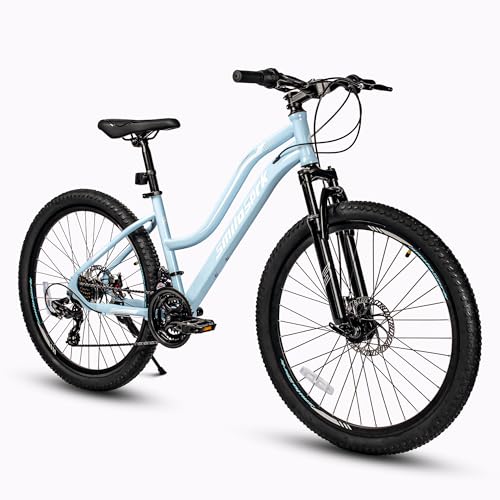
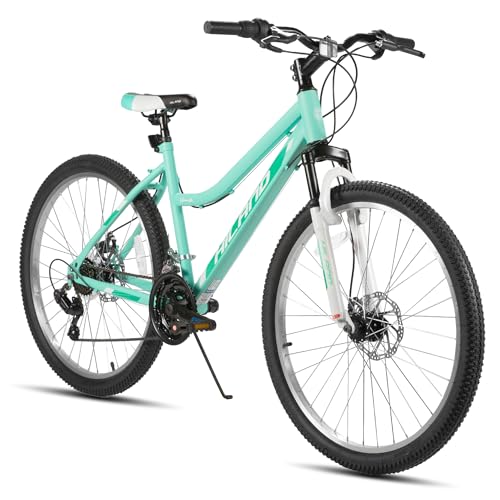
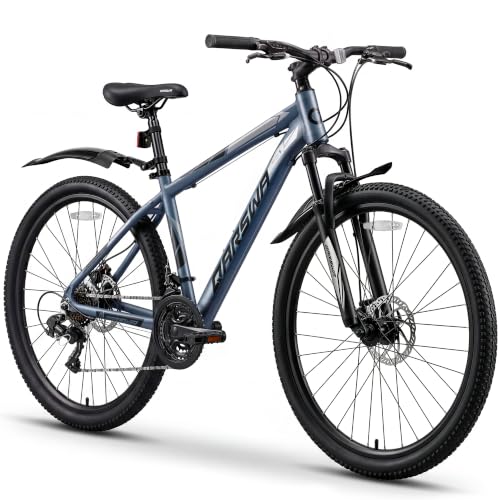
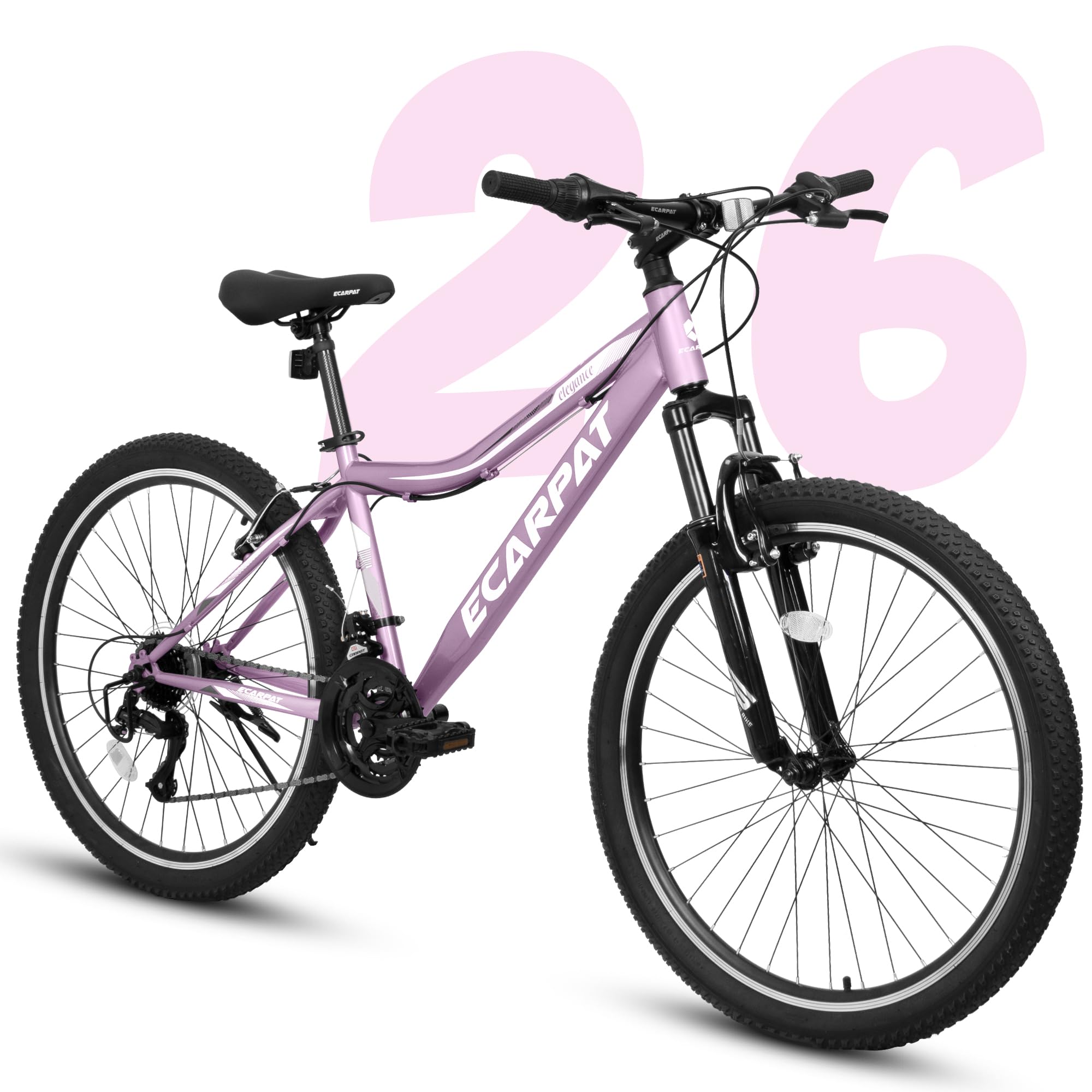
The product table summarizes the main choices, and the guide that follows explains frame fit, bike type, wheels, brakes, suspension, gearing and frame material in plain language. By the end, you should know which size range to try, which features matter for gentle trails and when a higher price level is worth it.





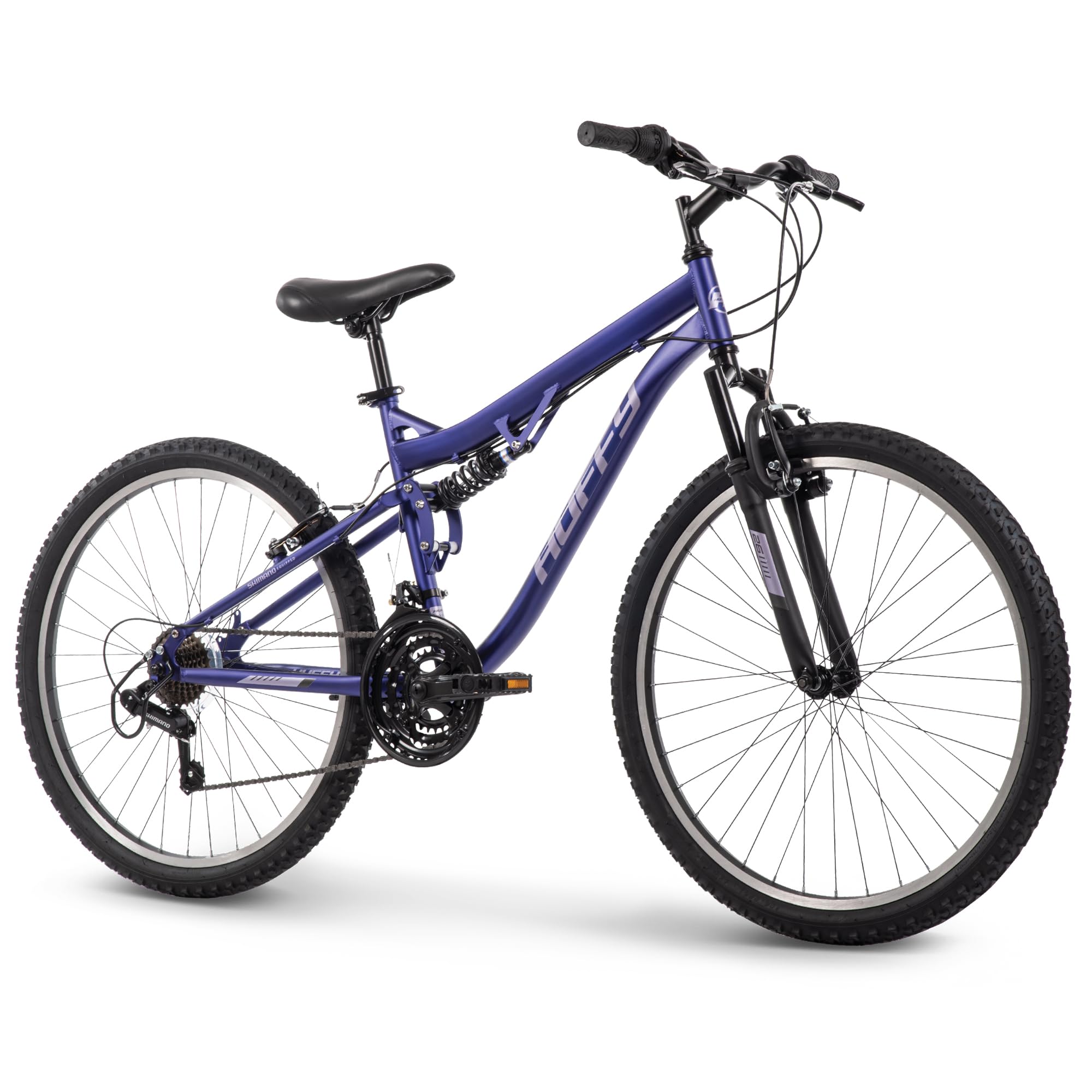
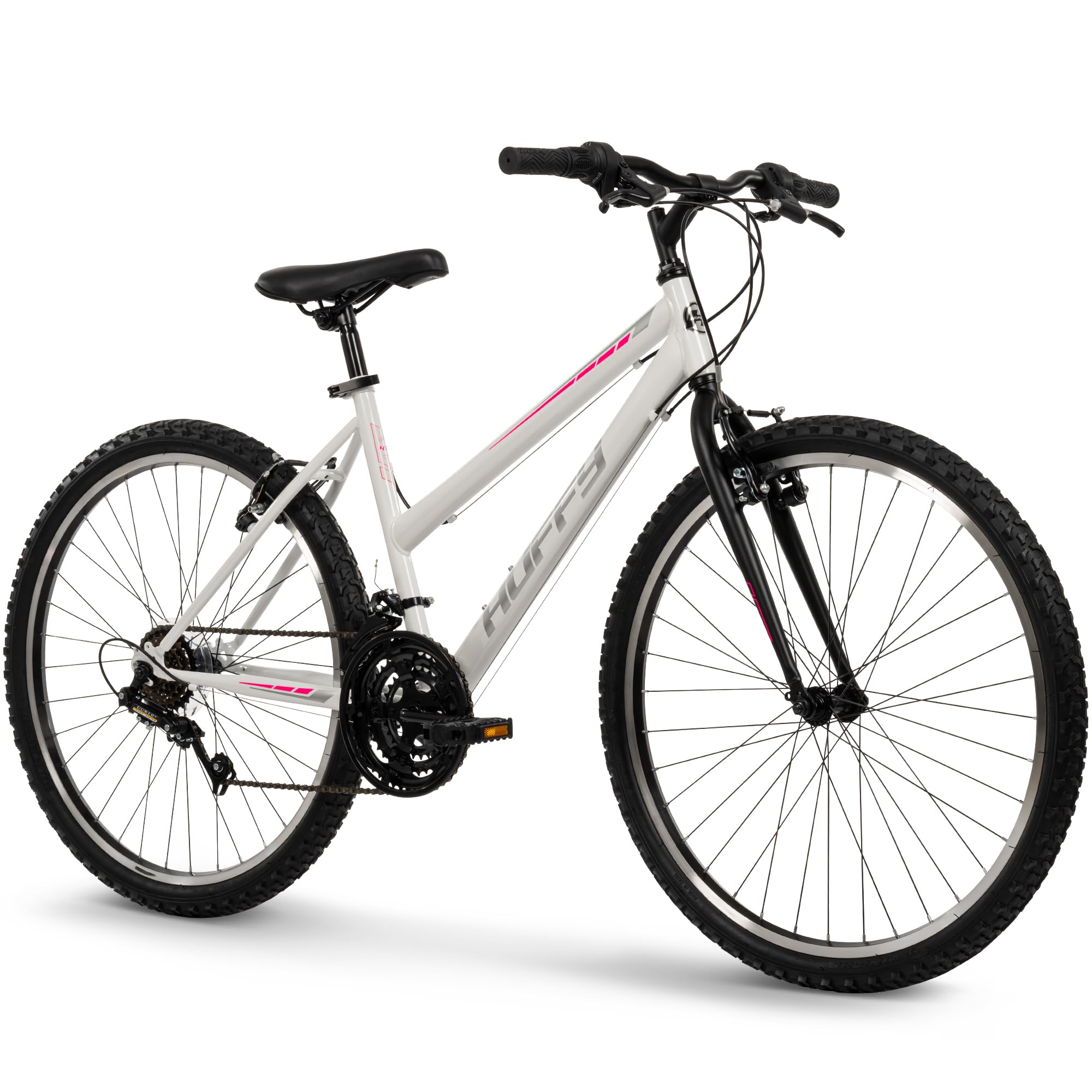
Spending Levels to Consider
Price levels in this guide describe what you can expect at each level, not a ranking of specific bikes. Use them to match your budget to your riding plans, and remember that a well fitted bike at a lower price often beats a poorly fitted bike at a higher price.
A Budget Starting Point
At around $150 to $350, you can find many 24 or 26 inch hardtails with steel or aluminum frames, front suspension forks and 7 to 21 speeds. This level suits paved paths, gravel and easy dirt trails. Check that the fork moves smoothly, the brakes stop evenly and the gears shift without skipping, and expect to adjust or tune parts after assembly.
A Sensible Mid Level
At about $400 to $800, you can expect a better hardtail frame, mechanical disc brakes and a more reliable suspension fork. This level suits smooth trails, gravel paths and short rides where comfort and control matter more than speed.
A Stronger Mid to Upper Level
At about $800 to $1,500, you can expect hydraulic disc brakes, a lighter frame and a fork with better damping. This level suits longer rides, rougher trails and riders who plan to ride often. The brakes need less hand effort, which helps on long descents. If your budget sits here, see our guide to mountain bikes under $1000.
A Higher Spending Choice
At about $1,500 to $2,500, you can expect a lighter frame, a more refined fork and wider gearing for steep climbs. Spend at this level only after you know your size, your trail type and how often you will ride.
How to Choose the Best Beginner Mountain Bike for Women
The factors below work together, so do not judge a bike by one number alone. A good frame size makes the brakes, gears and suspension easier to use, while a poor fit can make even good parts feel awkward. Try several sizes when you can, and ask a shop to check saddle height, reach and bar width.
What Women Should Look For
Women riders often need a shorter reach, a narrower bar, a saddle shape that suits their sit bones and a standover height that leaves room to stop safely. Weight also matters, because a lighter bike is easier to lift, carry over obstacles and control on a climb. Look for touch points you can adjust, such as saddle position, bar width and brake lever reach, rather than assuming a stock setup will fit.
Bike Type and Riding Style
Cross country bikes suit smooth trails and climbing, trail bikes suit mixed terrain with moderate descents, and enduro bikes suit steep and rough descents. For a first bike, a cross country or light trail bike usually gives the best balance of control, comfort and value. Think about the trails near you, not the hardest trail you may ride one day.
Wheel Size and Tires
Many adult mountain bikes use 27.5 inch or 29 inch wheels, while 24 and 26 inch wheels are common on smaller frames and entry level bikes. A 29 inch wheel rolls over roots and rocks more easily, while a 27.5 inch wheel often feels more nimble and easier to fit on a smaller frame. Wider tires give more grip and comfort, while tubeless tires can run at lower pressure and reduce pinch flats.
Brakes
Hydraulic disc brakes use fluid to move the pads, and they usually give stronger stopping power with less hand effort than mechanical disc brakes. Mechanical disc brakes use a cable, and they are simpler to adjust with basic tools. Basic V brakes are common on low cost bikes and work best on dry, flat rides. For long descents or wet conditions, disc brakes often feel more consistent.
Suspension and Travel
Travel is how far the fork or rear shock can compress, and it is measured in millimeters. A hardtail has front suspension only, usually about 100 to 120 mm for beginners, while a full suspension bike adds rear travel. More travel smooths rough trails but adds weight and cost, so match travel to your trails rather than choosing the longest travel you can afford.
Drivetrain and Gearing
A 1x drivetrain uses one front chainring and a wide range cassette at the rear, which simplifies shifting and reduces dropped chains. A 2x or 3x drivetrain gives a wider gear range with smaller steps, but it needs more attention when shifting. For steep climbs, look for a low gear that lets you pedal steadily without straining, and check that the shifter feels easy to reach from your normal grip.
Frame Material and Geometry
Aluminum frames offer a good balance of weight, cost and durability for most beginners. Carbon frames weigh less and can feel smoother, but they cost more and need care after a crash. Steel frames feel comfortable and durable, but they often weigh more. Geometry matters too, because head angle, reach and standover height shape stability, steering feel and room to move on the bike.
Types of Mountain Bikes
The types below overlap, so use them as a starting point rather than a strict label. Your local trails, your size and your budget will narrow the choice faster than any single category name.
Hardtail Mountain Bikes
Hardtail bikes have front suspension only, which keeps weight and cost lower and makes maintenance simpler. They suit smooth trails, climbing and riders who want a direct feel for the trail. A hardtail also teaches good line choice, because you learn to pick smooth paths rather than relying on rear suspension.
Full Suspension Mountain Bikes
Full suspension bikes add a rear shock for more comfort and grip on rough trails. They weigh more and need more maintenance, and low priced full suspension bikes often use basic shocks that add weight without much benefit. Most beginners are better served by a good hardtail until their trails demand more.
Electric Mountain Bikes
Electric mountain bikes add pedal assist, which helps on climbs and longer rides without removing the need to pedal. They weigh more, cost more and need battery care, so check local trail rules before buying. If pedal assist appeals to you, see our guide to the best e mountain bike for women.
Picking the Right Bike for Different Uses
Match the bike to your most common ride, not your most extreme ride. A bike for gentle forest trails can differ from a bike for rocky descents in fork travel, tire width and frame strength. If you ride in several places, favor the bike that feels safe and comfortable on the trails you ride most often.
Matching Fit to Your Body
A fit first approach means a shorter reach, a suitable saddle, narrower bars and a frame size that leaves safe standover room. Look for brake levers you can reach without stretching, grips that fit smaller hands and a saddle position that lets you pedal without rocking. A shop fit check can confirm saddle height, bar width and reach before you commit.
For a general starting point, see our guide to the best beginner mountain bike, and for a related fit discussion, see our guide to the best women mountain bike. If shoes matter to your comfort and grip on the pedals, see our guide to the best mountain bike shoes for women. A well fitted helmet is also worth planning for, and our mountain bike helmet guide explains what to look for.
Setup and Care Tips
- Check tire pressure before every ride, because low pressure can cause pinch flats and vague steering.
- Clean and lube the chain every 100 to 200 miles, and wipe off excess lube so dirt does not stick.
- Have a professional tune up yearly, and ask the shop to check brakes, headset and wheel trueness.
- Tighten bolts, quick releases and the seat post after assembly, and follow the manufacturer's instructions.
- Do not adjust brakes, gears or suspension while riding, because a sudden change can affect control.
- Inspect the frame and fork after any crash, and replace a helmet after a crash as the manufacturer advises.
Frequently Asked Questions
What makes mountain bikes for women different from other mountain bikes?
Mountain bikes for women often differ in frame size range, reach, bar width, saddle shape and touch point setup, rather than in a single special part. Those differences help riders with shorter arms, smaller hands or a shorter torso reach the controls without stretching. The best check is still a fit check, because two riders of the same height can need different setups.
Hardtail or full suspension for a beginner mountain bike for women?
A hardtail usually suits a beginner better, because it costs less, weighs less and needs simpler maintenance. Full suspension adds comfort on rough trails, but it also adds weight, cost and setup complexity. Choose full suspension only if your regular trails are rough enough to justify the extra travel and maintenance.
What size mountain bike do I need as a beginner woman rider?
Size depends on height, inseam, arm length and frame geometry, so a size chart alone is only a starting point. Stand over the frame with room to stop safely, reach the bars without locking your elbows and pedal with a slight knee bend. If you fall between sizes, try both, because reach and standover feel often decide the better fit.
Are step-through frames good for beginners?
A low step-through frame makes mounting and dismounting easier and can feel reassuring on slow, technical sections. It suits casual trail and path riding well. For rougher trails, a standard frame with low standover height is usually stiffer, so match the frame to how you plan to ride.
How much should I spend on my first mountain bike?
Many beginners do well at about $800 to $1,500, where hydraulic brakes, a decent fork and reliable gearing are common. Lower priced bikes can work for paths and easy trails, but check brake feel, fork action and frame fit with extra care. Spend more only when you ride often and know which trails and features you value most.
Final Thoughts
Choose the size first, then match bike type, wheels, brakes, suspension and gearing to your trails and budget. A lighter, well fitted hardtail often serves a beginner better than a heavier bike with more travel. Take a demo ride when you can, and ask for a fit check before you buy.
Use the product table to compare the main choices side by side, then pick the bike that feels stable and easy to control on your usual trails. The best beginner mountain bike for women should feel like a bike you want to ride often, not a bike you need to grow into.


