
Best Beginner Hardtail Mountain Bike 2026: Buying Guide
Disclosure: We may earn a commission when you buy through links on this page, at no extra cost to you. As an Amazon Associate I earn from qualifying purchases. Learn more
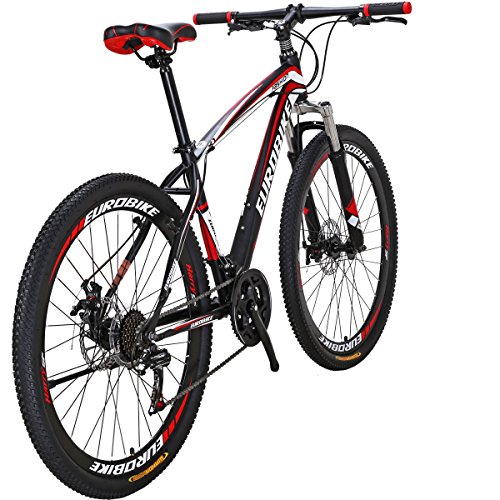
The best beginner hardtail mountain bike is simple, light and forgiving. Learn how to judge fit, fork, brakes and tires before you buy your first trail bike.
A hardtail is the classic first mountain bike: a suspension fork up front and a rigid rear end. The best beginner hardtail mountain bike costs less than a full suspension model, weighs less, needs less service and teaches clean line choice, because the rear wheel follows the ground honestly. For most new riders it is also the bike that leaves the most money for a helmet and good tires.
This guide explains the types of hardtail, the parts that matter most for a first season, how to size a frame and what to check before you order. Use the product table below to compare bikes, then check each one against the points that follow.


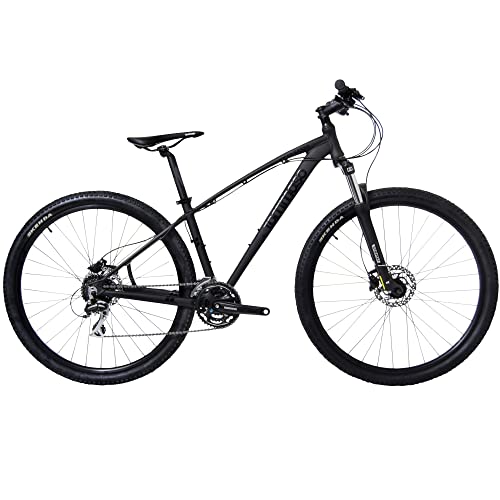

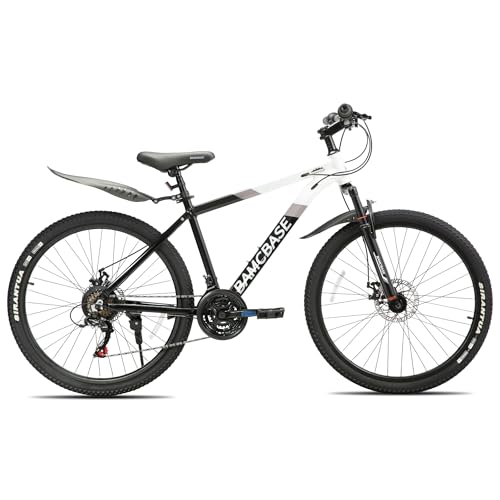
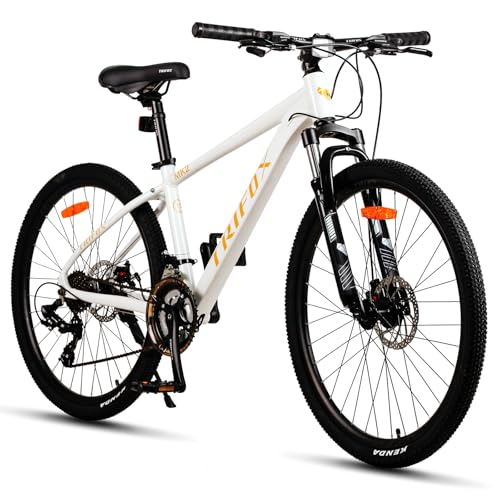

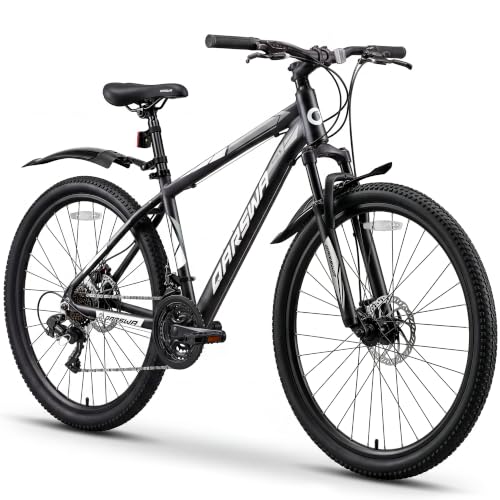
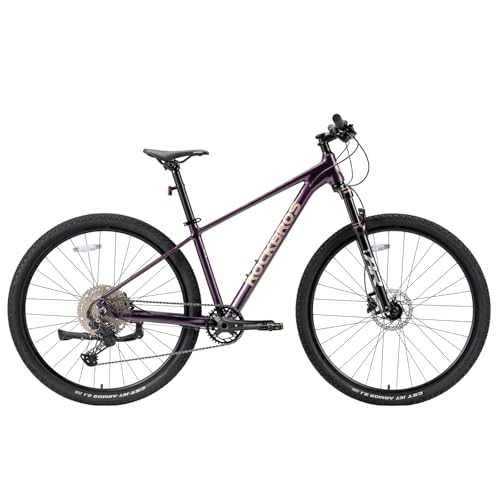
Who Should Buy a Hardtail
A hardtail suits riders who plan to start on smooth to moderate trails, fire roads and park paths, and who want a simple bike they can learn to maintain. It is a good fit for adults returning to cycling, for commuters who want a trail capable bike for weekends and for teenagers who have outgrown a youth model.
If your local trails are steep and rocky, a hardtail still works, but the rough ground will be harder on your body. In that case consider whether a bike with rear suspension is worth the extra budget. Our guide to the best beginner mountain bike compares the main bike types across budgets.
Types of Hardtail Mountain Bikes
Cross Country Hardtails
Cross country hardtails are light, steep angled and quick on climbs. They usually have 100 mm of fork travel and fast rolling tires, and suit riders who enjoy fitness rides and longer distances on smoother trails.
Trail Hardtails
Trail hardtails have 120 to 140 mm of travel and a more relaxed, stable shape. They are the best balance of climbing and descending for most beginners and handle roots and small drops with more confidence.
Budget Hardtails
Budget hardtails cost the least and use steel or basic aluminum frames, coil forks and mechanical disc brakes. They are fine for paths and light trails, but the fork and brakes may limit you as your skills grow, so plan upgrades for brake pads and tires first.
Key Features to Check
Frame Material and Size
Aluminum is the usual choice at beginner prices, giving good strength and low weight. Steel is cheaper and rides smoothly but weighs more. Use the maker size chart with your height and inseam, then check standover clearance so you can step off the bike safely. If you sit between sizes, the smaller frame is usually easier to handle on tight trails. Riders who want guidance by rider can see the guides to the best women's mountain bike for beginners and the best men's beginner mountain bike.
Suspension Fork and Travel
Fork travel of 100 to 130 mm suits beginner trail use. An air fork can be tuned to your weight and holds up better over time than a coil fork on a cheap bike. A lockout lever firms the fork on climbs and smooth paths, which saves energy.
Brakes
Hydraulic disc brakes are the strongest choice. They need less hand force and stay consistent on wet descents. Mechanical discs are acceptable on tight budgets but need more frequent adjustment. Avoid rim brakes for any trail riding.
Gears and Drivetrain
Look for a low climbing gear and a drivetrain from a known maker. A single front ring with a wide range cassette is simple to use. Triple chainring systems offer many gears but add shifting complexity.
Wheels and Tires
Wheels are 27.5 or 29 inches on most adult bikes. The larger wheel rolls over obstacles more smoothly, while the smaller feels nimble and suits shorter riders. Tires about 2.2 to 2.4 inches wide balance grip and rolling speed. Tubeless ready wheels let you run lower pressure for grip and seal small punctures.
What Each Price Level Buys
Entry level hardtails sit around $200 to $500, mid range models about $500 to $1,200, and better built bikes above that. The cheapest bikes work for paths. In the middle you gain a lighter frame, an air fork, hydraulic brakes and better shifting. Above that, weight drops and parts last longer, though a beginner gains less per dollar. Whichever level you choose, leave part of your budget for a helmet, gloves, a pump and a basic tool kit.
Common Mistakes to Avoid
- Choosing a frame size from height alone, without checking reach and standover.
- Buying more fork travel than your trails need, which can feel vague on climbs.
- Skipping a helmet and gloves to save money.
- Ignoring brake pad wear on wet or muddy trails.
- Choosing a department store bike with a heavy steel frame and weak brakes for real trail use.
Care and Safety
Check tire pressure before every ride, clean mud off after wet rides and lightly oil the chain. Check brakes and tires before descents, and book a service after the first few months to adjust the gears and brakes as the cables settle.
Wear a helmet on every ride and build skills on easy trails before moving to steep or technical routes. Ride within your limits, carry water and a spare tube, and tell someone your route on longer rides.
Frequently Asked Questions
Is a hardtail good for beginners?
Yes. It is simple, light, affordable and easy to maintain, and it teaches smooth riding technique. Most new riders do not need rear suspension until their trails become rough.
How much travel does a beginner hardtail need?
Around 100 to 130 mm of fork travel is plenty for cross country and light trail riding. More travel adds weight and can feel soft on climbs.
What size mountain bike do I need?
Use the maker chart with your height and inseam, then check standover and reach. A test ride, even in a parking lot, reveals fit problems that charts hide.
How much should I spend on a first hardtail?
Around $500 to $1,200 buys a bike with reliable brakes and an air fork that you can keep for years. Cheaper bikes can work for casual paths if you accept their limits.
Do I need hydraulic disc brakes?
They are strongly recommended for trails because they stop harder with less effort and keep working in wet conditions. They are one of the most valuable features on a beginner bike.
Final Thoughts on Beginner Hardtail Mountain Bike
Put fit and brakes first, then fork quality, and let weight and extras break any ties. Compare finalists in the product table above, and the best beginner hardtail mountain bike for your trails and budget will be easy to spot. For a wider look at the category, see our guide to the best mountain bike hardtails. Apply these checks to any best beginner hardtail mountain bike you compare.


