
Best Beginner Skis and Boots for 2026: The Buyer Checklist We Use
Disclosure: We may earn a commission when you buy through links on this page, at no extra cost to you. As an Amazon Associate I earn from qualifying purchases. Learn more
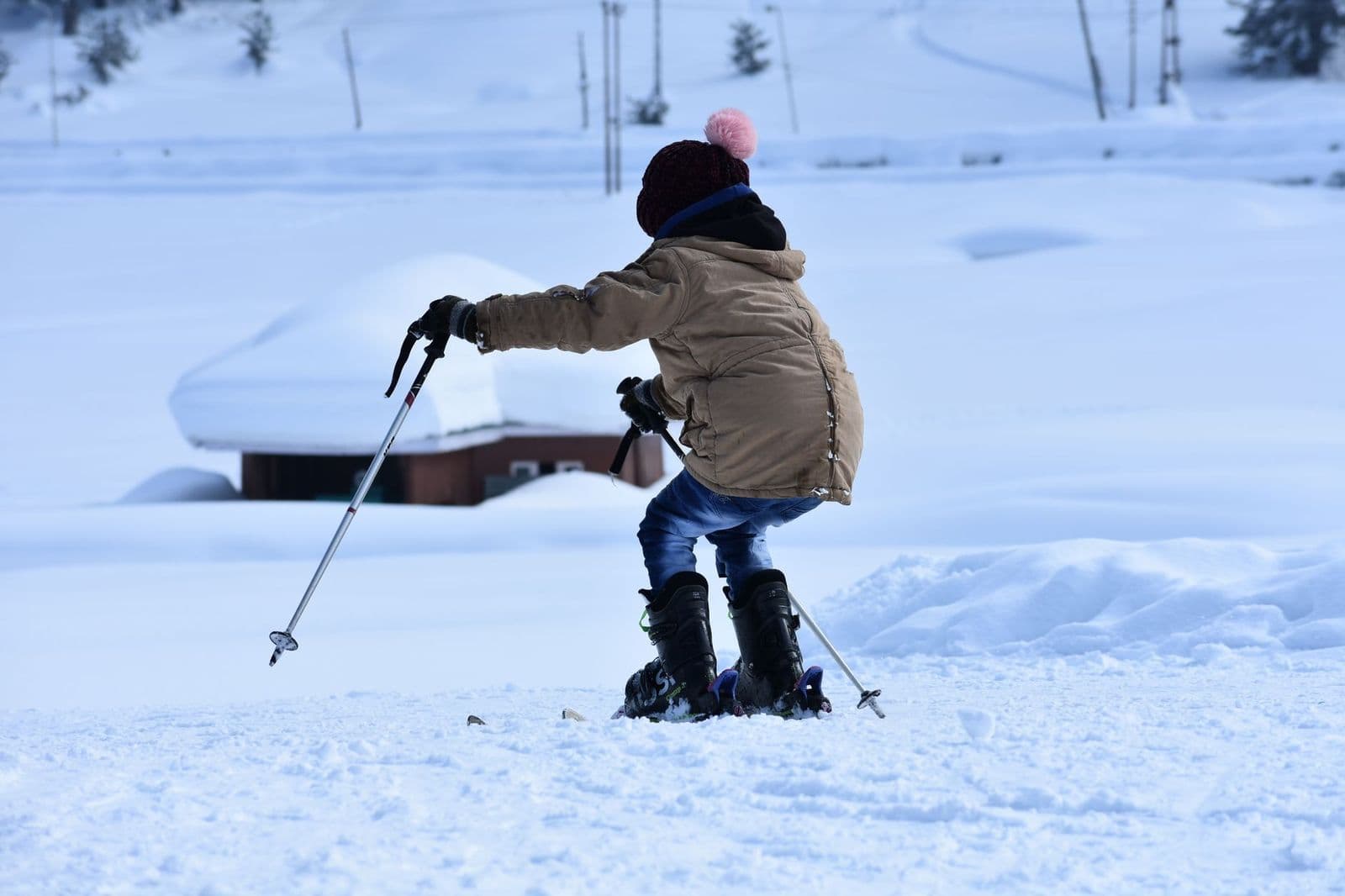
Compare beginner skis and boots with a clear checklist on ski length, boot flex, fit and bindings, so first time buyers choose a forgiving setup.
Buying your first setup feels confusing because skis and boots must work as a pair, not as two separate purchases. The best beginner skis and boots make turning easier, feel calm at slow speeds, and fit well enough that you want to practice again tomorrow. Check length, flex, and fit before you look at colour or price.
This guide works as a simple checklist. You will learn who each type of setup suits, which specs help new skiers, how sizing works, and which mistakes waste money.
Who Should Buy Which Beginner Ski Setup?
Your lessons, your usual slopes, and how fast you expect to progress shape the right choice more than any single spec does.
First Season Adults Learning on Groomed Runs
You will spend most days on green and easy blue runs that are groomed each morning. Choose shorter, softer skis that turn with little effort and boots with a soft flex you can bend while standing. Comfort matters more than speed at this stage, because tired feet and sore shins end practice days early.
Returning Skiers Rebuilding Confidence After a Break
You remember the basics but your legs and balance need time to return. Choose a calm all mountain shape with a modest waist and a forgiving tip, paired with boots that support your ankle without feeling like a cast.
Parents Buying for Teens Who Are Still Growing
Teens can outgrow boots in a single season, so fit today matters more than room to grow into later. Choose boots that hold the heel firmly now and skis the teen can turn without fighting the length. Ask about trade in or seasonal lease options, because those can cost less than replacing a full setup each winter.
Key Features to Compare
When you shop for best beginner skis and boots as a matched pair, compare these five factors in order. Fit comes before graphics, and control comes before speed.
Ski Length and Waist Width for Easy Turning
Length controls how easily a ski pivots. For most new skiers, a ski that reaches between your chin and your nose when stood upright is a sensible starting range, with shorter lengths turning more easily at slow speeds. Waist width is the width under your boot, and about 76 to 84 mm suits groomed learning slopes because the ski rolls from edge to edge without much effort.
Ski Flex and Rocker Profile for Forgiveness
Flex describes how easily a ski bends, and a soft to medium flex forgives small errors in balance because it does not punish every uneven patch of snow. Rocker means the tip rises earlier than a traditional flat tip, which helps the ski start a turn smoothly and reduces the chance of the tip catching. Look for gentle tip rocker with camber underfoot for grip.
Boot Flex and Why the Number Only Guides You
Boot flex describes how much the cuff resists as you bend your ankle and press your shin forward. Beginner boots often sit in a soft to medium range, roughly 65 to 90 depending on the brand, and lighter skiers usually need the softer end of that range. Ratings vary by brand, so compare models within one brand. Judge the final choice by whether you can flex the cuff smoothly indoors while keeping your heels down.
Boot Fit, Last Width, and Liner Comfort
Last is the width of the boot shell at the forefoot, and comfort lasts for beginners often measure about 100 to 104 mm. Your toes should brush the front when you stand tall and pull back slightly when you flex forward. The heel should stay seated with little lift, with no sharp pressure on the ankle bone or the top of the foot. If you feel lasting numbness or sharp pain after a fitting, stop and work with a trained boot fitter, seek medical advice if symptoms continue, and talk with your clinician about personal needs.
Bindings and Compatibility Between Boots and Skis
Bindings must match your boot sole type and must be mounted and adjusted for your boots before you ski. Release settings depend on your weight, height, age, boot length, and skier type, and a certified ski technician should set them rather than you guessing at home. Tell the technician honestly that you are a beginner, because cautious settings release more easily during a slow fall. Check that the brake width covers the ski waist without dragging.
How to Size Skis and Fit Boots Before You Buy
Start with your height and weight, because both guide ski length and binding settings. A size chart gives a starting range, but when you fall between two ski lengths, most new skiers should choose the shorter option for easier turns during lessons.
For boots, shops size by Mondopoint, which is your foot length in centimetres. Wear one pair of thin ski socks for fitting, never thick hiking socks or two pairs, because extra layers bunch and hide pressure points. Stand, flex forward several times, and walk around the shop for at least ten minutes. Your heel should stay calm as you flex, and your toes should not be curled or jammed.
Buy boots in person when you can, even if you order skis online. If you want broader context, see our guide to the best skis and boots for general setups, and see our guide to the best beginner boots when boot fit is your main concern. A good fitter can also heat mould many modern liners.
Quick Checklist for the Best Beginner Skis and Boots
Answer each question honestly before you pay. A no answer points to the section above that you should revisit.
- Does the ski length fall between your chin and your nose?
- Is the waist about 76 to 84 mm for groomed learning slopes?
- Can you flex the boot cuff smoothly while your heels stay down?
- Does your heel stay seated with little lift as you flex?
- Has a technician confirmed that your boots, bindings, and skis work together?
- Have you budgeted for thin ski socks, a helmet, and a first lesson?
- Could you ski this setup comfortably for a full lesson day tomorrow?
Common Mistakes to Avoid
- Buying stiff advanced skis to grow into leaves you fighting the ski during every lesson.
- Choosing boots by shoe size alone gives you a shell that is often too roomy and lets your heel lift.
- Adding thick socks for warmth makes boots feel tighter and can cut circulation to your toes.
- Setting your own binding release values risks a binding that holds or releases at the wrong moment.
- Spending the whole budget on skis leaves nothing for lessons, which improve control faster than gear does.
- Picking a very wide ski for groomed slopes makes each turn slower and tiring for new legs.
Care and Maintenance for Skis and Boots
Dry boots after every ski day by removing the liners or using a gentle boot dryer on a low setting, and store them buckled lightly so the shell keeps its shape. Keep boots indoors away from direct sun and extreme heat, because heat can warp plastic and age liner foam. Check buckles and soles for wear before each outing, and replace worn sole parts promptly.
Wipe ski bases and edges clean and dry after use to slow rust, and store skis in a cool dry place rather than a damp garage corner. Ask a shop for a tune when bases look dry and pale.
FAQ
What makes beginner skis and boots different from advanced models?
Beginner models are softer, shorter, and more forgiving than advanced models. That softer build lets the ski bend and turn at the slow speeds used in lessons, and it softens small balance errors instead of amplifying them. Advanced gear is stiffer and responds best to strong pressure at higher speeds. Lighter beginner skis are also easier to carry and to move on a chairlift.
Is it worth buying premium beginner skis and boots as a first purchase?
It is rarely worth paying premium prices for your first beginner setup. Extra cost often buys stiffer materials and features aimed at faster skiing, which you will not use in your first season. A sensible mid priced package plus lesson money usually leads to faster progress. Spend a little more only where it improves fit, such as a proper boot fitting, because comfort decides how often you practice.
Does skiing on an indoor slope change what a beginner needs?
Yes, indoor slopes change the details a beginner should favour. Indoor runs are short, smooth, and consistently groomed, so a shorter ski with a narrower waist feels lively and easy to turn there. You also ski in a steady cool temperature, so one thin sock and a comfort fit boot work well without extra layers. The same setup still works for outdoor lessons later.
How long do beginner skis and boots last for a new skier?
A beginner setup can last several seasons of regular weekend use if you dry and store it well. Most skiers replace it because their skill outgrows the soft flex, not because the gear wears out. Boots usually show age first through packed out liners that feel loose around the ankle.
What size beginner skis and boots should a skier between sizes choose?
A skier between sizes should usually choose the shorter ski and the firmer holding boot. Shorter skis turn with less effort while you learn, and a boot that holds the heel today controls the ski better than a roomier boot bought for later. If a teen is between boot sizes late in the season, ask the shop about seasonal options instead of sizing up and losing control now.
Final Thoughts
Put boot fit first, choose a soft and forgiving ski in the right length, and let a technician handle the bindings. Those three decisions shape your first season far more than colour or a premium label.
When you judge best beginner skis and boots by fit and forgiveness, the right pair helps you learn calmly and ski more often. Start conservatively, take a lesson early, and upgrade only when your current setup truly holds you back.


