
Best Beginner Trek Mountain Bike: Types Compared and How to Choose for 2026
Disclosure: We may earn a commission when you buy through links on this page, at no extra cost to you. As an Amazon Associate I earn from qualifying purchases. Learn more
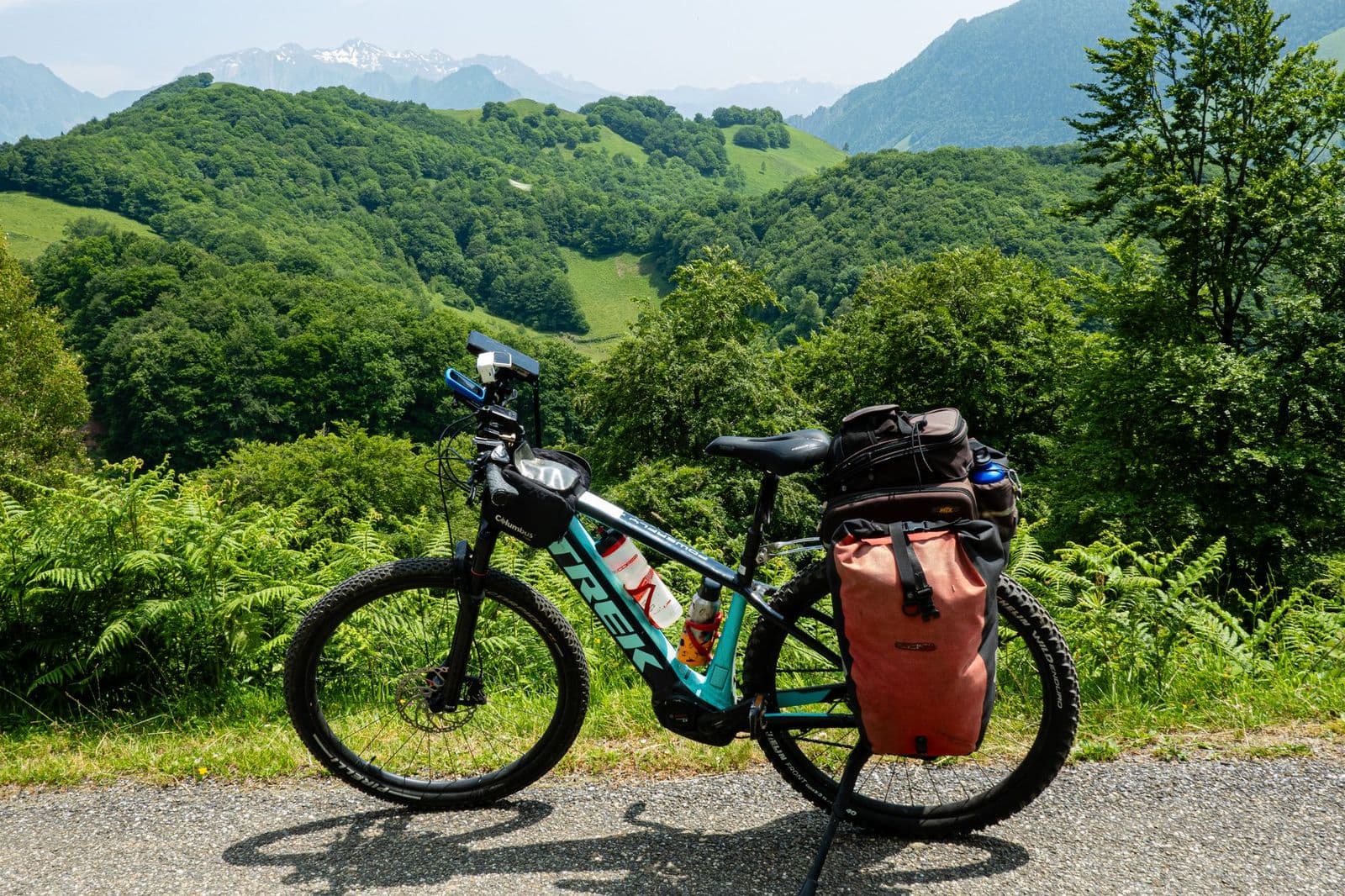
A clear comparison of Trek bike types, from hardtails to e bikes, to help you choose the best beginner trek mountain bike.
Trek sells mountain bikes for racing, for bike parks, for kids, and for commuting, and the beginner models sit quietly among them with similar paint and very different intentions. Pick by color or by the biggest discount and you can end up with a bike built for a kind of riding you never do.
This guide compares the types side by side so you can find the best beginner trek mountain bike for your trails, your body, and your budget. We explain what each type does well, where it struggles, and the fit and component checks that matter more than type.
Best Beginner Trek Mountain Bike Types Compared
Four types cover almost every beginner decision. A hardtail mountain bike, with front suspension only, is the true beginner mountain bike and typically costs around $600 to $1,200 in the Trek range. The other three types appear in Trek stores and searches constantly, and each is right for someone, just not for trail beginners. Here is the honest picture for each, with the wider beginner category in our guide to the best beginner mountain bike for brand neutral context.
Road and Gravel Bikes
Road and gravel bikes use drop handlebars, skinny tires, and rigid frames built for speed on pavement and smooth dirt roads. They are light, efficient, and wonderful for distance, but they are not mountain bikes. Thin tires skate on loose trail surfaces, the stretched riding position offers little control on descents, and there is no suspension to absorb rocks and roots. Choose one only if your riding is really roads and rail trails. If your heart says trails, this type will feel fragile and nervous from the first ride, no matter how good the deal looks.
Kids Bikes
Trek kids bikes are sized by wheel diameter for growing riders, with light frames, simple gears, and brakes small hands can reach. They are the right choice for children and the wrong choice for small adults, because the geometry, weight limits, and component strength assume a child rider. Prices run lower, often around $300 to $600, which tempts budget shoppers, but an adult on a kids bike gets cramped sizing and parts that wear fast. Adults under about 5 feet 2 inches should look at the smallest adult frame sizes instead, ideally with 27.5 inch wheels.
Commuter E Bikes
Commuter e bikes add a motor and battery to a comfort oriented frame with road tires, fenders, and often a rack. They excel at errands and hilly commutes, usually around $1,500 to $3,000, and Trek sells well regarded examples. On real trails, though, the smooth tires, upright position, and extra weight work against you, and many trail systems restrict which e bike classes may ride. Choose this type if your actual week is pavement and bike paths. If dirt is the goal, a standard hardtail teaches better skills for less money, and our guide to the best beginner hardtail mountain bike explains why that layout dominates beginner recommendations.
Hardtail Mountain Bikes
The hardtail is the beginner answer: a suspension fork up front, a rigid rear end, wide knobby tires, and gearing wide enough for steep climbs. Trek builds its beginner hardtails around durable aluminum frames with modern touches like hydraulic disc brakes and, on better trims, dropper posts and tubeless ready wheels. Prices around $600 to $1,200 buy a bike that handles green and blue trails confidently for years. The limit is rough, fast descending, where a rigid rear end bounces and your arms and legs become the suspension. For learning, that limit is a teacher, not a flaw.
Road and Gravel Bikes vs Kids Bikes: Which Should You Choose?
These two types get confused in beginner searches because both can look like cheaper shortcuts, so here is the direct comparison. On purpose, road and gravel bikes chase speed on smooth surfaces, while kids bikes chase safe fit for young riders. On sizing, gravel bikes use adult frames, kids bikes use child geometry that no adult should ride. On tires, gravel bikes run narrow tread, kids bikes run small wheels, and neither grips loose trails like a mountain bike. On cost, kids bikes are cheapest, gravel bikes overlap hardtail prices, and on resale both hold value only within their own audiences. The conclusion is simple: if you are an adult who wants trails, choose neither. Choose the hardtail, and use the sizing and type checks below to pick within it. Shoppers comparing across the brand range may also find our guide to the best mountain bike trek helpful for the full picture.
How to Choose the Right Trek Mountain Bike
Beginner Friendly Features That Matter
Look for a simple single chainring drivetrain, because it removes front shifting confusion and drops fewer chains. Hydraulic disc brakes matter more than almost anything else: they stop with one finger, work in rain, and need little hand strength on long descents. A lockout on the fork helps smooth climbs, and wide tires around 2.2 to 2.4 inches add grip and comfort you feel immediately. Clear sizing charts and a shop that offers a parking lot test ride round out a beginner friendly purchase, and women comparing fit should see our guide to the best women's mountain bike for beginners.
Motor, Battery, and Range (for E Bikes)
If you do consider a Trek e bike for mixed use, understand the basics. Mid drive motors pedal most naturally and use the bike gears, while hub motors cost less and feel simpler. Battery size is measured in watt hours, written Wh, and more Wh means more range: around 400 to 625 Wh is typical for this class. Classes matter legally: class 1 assists only while you pedal up to 20 mph and is allowed on the most trails, class 2 adds a throttle, and class 3 reaches 28 mph and is usually road only. Look for systems tested to UL 2849 for electrical safety.
Weight and Components Upgrade Path
A beginner hardtail around 28 to 32 lb rides fine and leaves money for the upgrades that count later. The smart order is contact points first: pedals, grips, and a saddle that fits. Then tubeless tire setup for fewer flats and better grip, then a dropper post if your trails descend. Trek frames use standard fittings widely, so parts stay available for years. Avoid bikes with unusual proprietary parts at this price, because one odd standard can stall every future upgrade. Riders shopping specifically for male fit ranges can compare our guide to the best men's beginner mountain bike.
Bike Type and Riding Style
Match the bike to trail style. Cross country riding favors lighter hardtails and faster tires for smooth, flowing trails. General trail riding, the most common beginner mix, suits the standard hardtail described above. Enduro and downhill riding demand full suspension and are poor first purchases: expensive, heavy, and built for terrain that overwhelms new skills. If your local trails are flat and smooth, you need even less suspension travel, around 100 mm, while rockier regions reward 120 mm forks. Rent or demo on your actual trails before deciding if you can.
Care and Maintenance Tips
Check tire pressure before every ride, since mountain bike tires lose air faster than road tires and low pressure causes pinch flats and vague steering. Clean and lube the chain every 100 to 200 miles, or after any wet or muddy ride, and wipe excess lube so it does not collect grit. Inspect brake pads and test both brakes in the driveway before loading the bike. Have a professional tune up yearly, ideally before your busiest season, to catch worn bearings, stretched cables, and fork service needs early. Store the bike indoors and dry, and hang or stand it so tires keep their shape.
Frequently Asked Questions
What makes trek mountain bikes for beginners different?
Beginner Trek models use durable aluminum frames, forgiving geometry that feels stable at low speed, and simple single chainring drivetrains. They prioritize parts that survive learning mistakes, like strong wheels and reliable brakes, over light weight. The geometry also sits you more upright than race models, which builds confidence. As ranges climb in price, Trek keeps the same beginner fit and spends the extra money on forks, brakes, and wheels instead of changing who the bike suits.
Hardtail or full suspension for beginners?
Hardtail, for almost every beginner. It costs less for the same quality of brakes and fork, weighs less, needs less maintenance, and teaches clean line choice because the rear wheel follows your decisions honestly. Full suspension earns its price on rough, fast trails after your skills grow, usually a season or two in. Buying full suspension too early often means cheaper brakes and a heavier bike now, which are trade offs you feel on every single ride.
What size trek mountain bike do I need?
Use your height as the start and your inseam as the check. As a rough guide, riders around 5 feet 2 inches to 5 feet 6 inches usually take a small, 5 feet 6 inches to 5 feet 10 inches a medium, and taller riders a large or above, but Trek sizing varies by model and wheel size. Stand over the frame with both feet flat: you want clearance, not contact. When between sizes, the smaller frame usually feels easier to control on trails.
What e bike class is legal where I live?
It depends on your state and on the land manager for each trail. Class 1 pedal assist bikes are accepted on the most mountain bike trails, while class 2 and class 3 face more restrictions and are often limited to roads and motorized routes. Rules change, so check your state parks and local trail association before buying an e bike for trail use. When in doubt, a class 1 system keeps the most doors open, and a standard hardtail avoids the question entirely.
How much should I spend on my first trek mountain bike?
Plan around $600 to $1,200 for the bike itself, which covers Trek beginner hardtails with hydraulic brakes and solid frames. Below that range, brakes and forks drop in quality in ways beginners feel immediately. Reserve another $100 to $200 for a helmet, pump, and basic tools, because a bike without a helmet is an incomplete purchase. Spending more mainly buys a better fork and lighter wheels, nice gains that can wait for a second bike.
How far can a trek e bike go on one charge?
Most commuter and trail e bikes in this class travel about 25 to 60 miles per charge, depending on battery size, assist level, hills, and rider weight. Eco modes stretch range greatly, while top assist on steep ground can halve the headline figure. Treat maker estimates as best case numbers and plan your rides at about two thirds of the claim. For pure trail beginners, remember that range questions disappear with a standard hardtail, which goes exactly as far as your legs do.
Our Verdict
Start with the type decision, hardtail for trails, and then let fit and brakes settle the rest. A bike that fits your body, stops with hydraulic confidence, and matches your real trails will teach you faster than any premium badge. The best beginner trek mountain bike for you will be clear: the one you will still be riding, happily, at the end of your first full season.


