
Best Beginner Binoculars for Hunting 2026: Types Compared
Disclosure: We may earn a commission when you buy through links on this page, at no extra cost to you. As an Amazon Associate I earn from qualifying purchases. Learn more

Compare the best beginner binoculars for hunting by type, magnification, lens size, field of view and weight, for woods, fields and dawn light use.
Your first hunting binoculars must solve a beginner problem and a hunting problem at once. You need an image that stays steady while you learn to scan, plus enough brightness to judge an animal in dim woods. The best beginner binoculars for hunting balance both, and the comparison table below shows how the main types differ.
Start with where you hunt most. Thick timber rewards a wide view and modest power, while open fields reward more reach and a larger front lens.


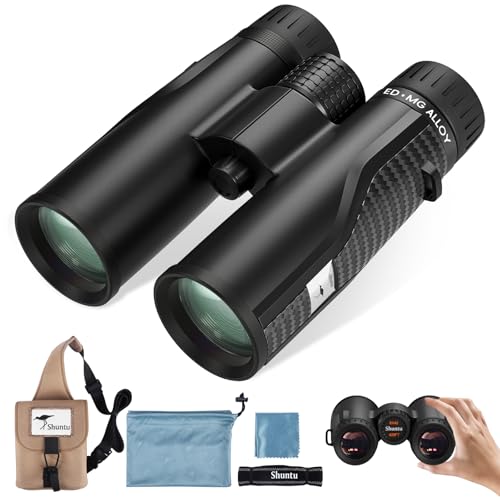


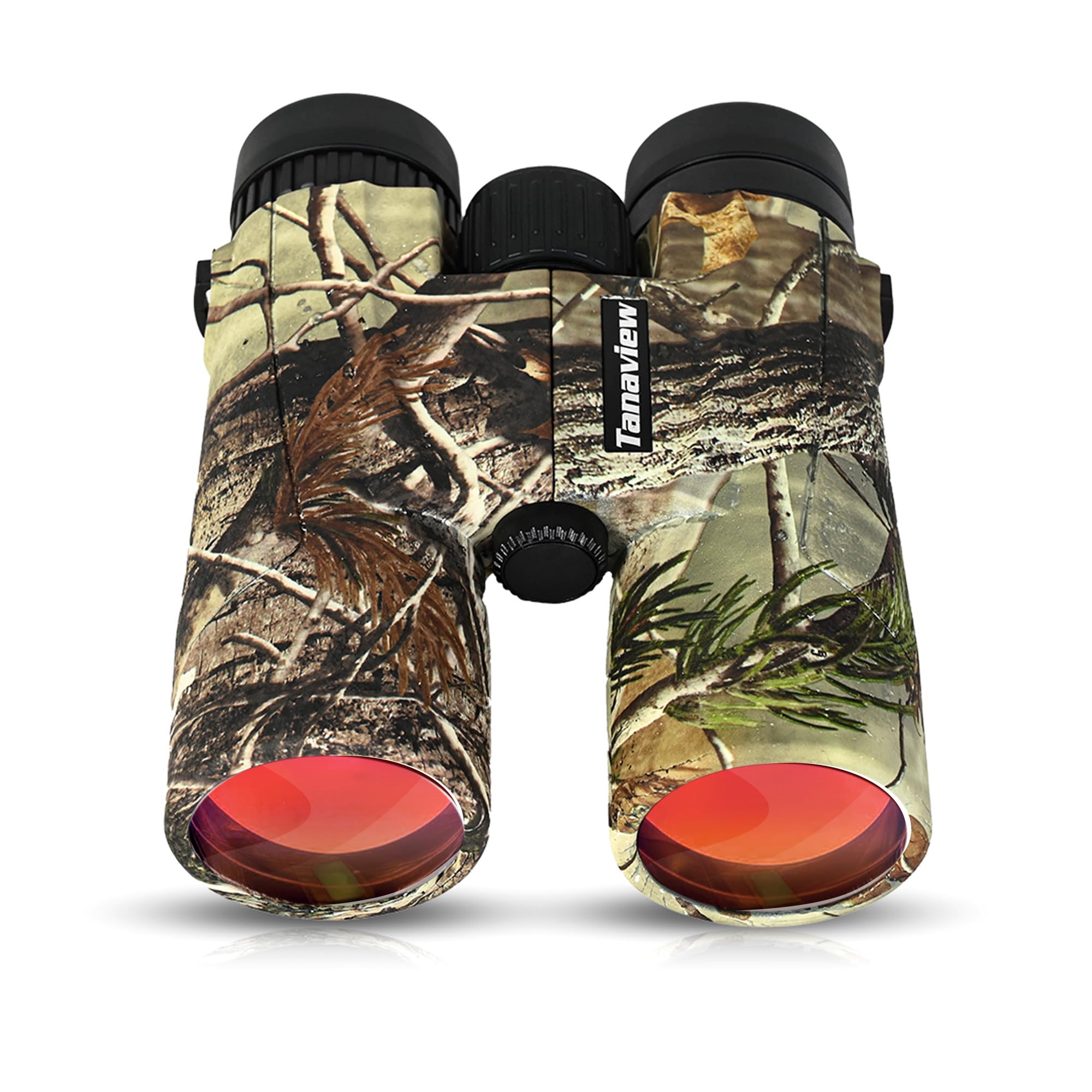

Who Should Buy Which Beginner Hunting Binoculars?
Beginners struggle in different ways. Some lose animals while scanning, some cannot hold higher power steady, and some quit glassing because the pair feels heavy with gloves.
First Season Hunters in Thick Woods
You hunt where sightings happen at modest range and cover closes in fast. Choose an 8x42 pair, because the wider view helps you find a deer again after it steps behind brush. A generous field of view makes scanning lanes feel calm rather than frantic, and moderate weight suits a sit where you raise the pair often.
Beginners Who Hunt Field Edges and Open Ground
You glass longer distances across cut fields and open ridges, where detail at range matters more. A 10x42 pair gives a closer look at antlers and body shape, provided you rest your elbows on your knees or a pack. If your hands shake or you walk far between spots, stay with 8x42 for a steadier picture.
New Hunters Who Wear Glasses or Sit for Long Periods
You need the full picture visible without pressing the eyecups into your lenses, plus comfort during long sits. Look for eye relief of about 17 mm or more and eyecups that twist and stay set. A full size pair often balances better during slow scans than a tiny compact that shifts with every hand movement.
Key Features to Compare
Compare these factors in order, because the first two decide whether you can see the animal at all. You can also see our guide to the best rated binoculars for hunting.
Magnification and Holding the Image Steady
Magnification tells you how many times closer a subject appears, so 8x makes a deer look eight times nearer and 10x makes it look ten times nearer. Higher power also magnifies every tremor in your hands and narrows the area you can see. Most beginners learn faster on 8x because the image stays calmer. Choose 10x only for open ground where you regularly glass beyond the range where 8x leaves you guessing.
Objective Lens Size and Brightness at Dawn and Dusk
The second number in 8x42 is the front lens diameter in millimeters, and a larger front lens gathers more light for the dimmest minutes. Divide lens size by magnification to get the exit pupil, so an 8x42 gives about 5.3 mm and a 10x42 gives about 4.2 mm. A larger exit pupil feels brighter and lines up with your eyes more easily in poor light.
Field of View for Finding and Following Game
Field of view is the width you can see at 1,000 yards, often listed around 300 to 400 feet in this class. A wider view helps you pick up movement at the edge of a lane and follow an animal without losing it when it walks. Beginners benefit more from width than from extra power, because most early failures come from not finding the animal in the glass at all.
Eye Relief, Eyecups and the Focus Wheel
Eye relief is the distance your eye can sit from the rear lens while still seeing the whole round image, and glasses wearers need more of it. Eyecups should adjust in clear steps and not collapse under light pressure. The center focus wheel should turn smoothly with a bare finger or a thin glove. Practice focusing on a tree line at home so the motion feels automatic.
Waterproof Sealing, Fog Resistance and Outer Armor
Hunting glass meets dew, rain, breath moisture and cold air moving to warm air, often in one morning. Look for sealed construction that keeps internal moisture out and for internal fog resistance, often achieved by filling the body with dry nitrogen. Rubber armor adds grip with wet hands and softens knocks against a stand or pack frame. A fogged or slipped pair ends a hunt early.
Prism Shape and Lens Coatings
Roof prism models are straight and slim, pack easily and dominate this category, while porro prism models are wider, often cost less and can feel very clear for the price. Lens coatings reduce glare and help contrast when an animal stands in shadow against bright sky. If two pairs share size and price, pick the one with the clearer edge view.
Binocular Types Compared for Beginner Hunters
When people ask about the best beginner binoculars for hunting, the answer usually comes down to three body types. Budget shoppers can weigh them against our guide to the best inexpensive binoculars for hunting, and general outdoor learners can see our guide to the best beginner binoculars.
Full Size Binoculars for Dawn and Dusk Hunting
Full size pairs such as 8x42 and 10x42 offer the brightest view and the easiest eye alignment, at the cost of more weight around your neck. They suit tree stand sits, blind hunting and short walks where glassing quality matters more than pack space. Expect to pay about $100 to $250 for a solid beginner set.
Midsize Binoculars for Walking and Still Hunting
Midsize pairs such as 8x32 trim weight and bulk while giving up some brightness in very low light and a little field width. They suit hunters who cover ground, climb hills or carry the pair all day and rarely glass in deep shadow. If your hunts end before the last dim minutes, this type gets carried most.
Compact Binoculars for Short Hunts and Scouting
Compact pairs such as 8x25 or 10x25 slip into a jacket pocket and add almost nothing to a pack, which suits scouting and quick evening sits. The trade off is a dimmer image at dusk, a narrower view and eye placement that feels fussy for long sessions. Treat a compact as a second pair or a scouting tool, not your main hunting glass.
Common Mistakes to Avoid
- Choosing 12x or higher power for a first pair makes hand shake so obvious that new hunters stop glassing and miss movement.
- Buying the smallest compact for dawn hunts leaves the image too dim to judge an animal when game moves most.
- Ignoring eye relief while wearing glasses cuts the view into a narrow circle and slows every attempt to line up on an animal.
- Trying binoculars only inside a bright store hides weak contrast and glare that appear at once in shadowed woods.
- Skipping a neck strap or harness lets the pair swing, bang against gear and stay in the pack unused.
- Chasing the longest feature list at the lowest price often means weak sealing that fogs on the first cold morning.
Care and Maintenance for Hunting Binoculars
Carry the pair on a chest harness or strap so it rides against your body and stays ready without digging in a pack. Our guide to the best binoculars harness for hunting explains fit if a plain neck strap bothers you. Keep lens caps on in brush, and remove them only when you settle to glass.
Clean lenses with air first, then a soft lens cloth with light pressure, because grit dragged across glass can scratch it. Never use a shirt tail or paper tissue. If the body gets wet, let the pair dry at room temperature with caps off before storing it in a padded case in a dry place.
FAQ
What does 8x42 mean on beginner hunting binoculars?
8x42 means the binoculars magnify a subject eight times and the front lenses measure 42 mm across. That pairing suits beginners because it balances reach, brightness and a steady image. A useful extra check is weight, since two 8x42 pairs can differ by several ounces. Pick the lighter one if your walks are long and the optics look equal.
Which magnification is better for beginner hunting binoculars in thick woods?
8x is better for thick woods, because the wider view and calmer image suit short ranges and quick movement. You will spend less time searching for an animal you already spotted with your bare eyes. Woods hunters also gain from a short minimum focus distance for deer on a near trail. Some pairs focus as close as about 6 to 8 feet.
How much should a beginner spend on a first pair of hunting binoculars?
A beginner should plan on about $100 to $250 for a first pair that seals well and stays clear at dusk. Below that range, sealing and coating quality become uneven, and above it the gains are smaller for a new user. Set part of the budget aside for a harness and a lens cloth if they are not included.
Can beginner hunting binoculars work well at dawn and dusk?
Yes, beginner hunting binoculars can work well at dawn and dusk if you choose a 42 mm front lens and modest magnification. An 8x42 gives the largest exit pupil of the common starter sizes, which helps your eyes use the available light. Shade matters too, since an animal under tree cover fades sooner than one at a field edge.
Do beginner hunting binoculars need a chest harness?
A chest harness is not required, but most beginners glass more often when the pair hangs ready at the chest instead of swinging from the neck. A harness also spreads weight across the shoulders on long walks. Try the release motion with gloves on before a hunt, because cold fingers fumble with small clips.
Final Thoughts on Beginner Binoculars for Hunting
For most new hunters, an 8x42 full size pair is the calmest teacher. It finds game in a wide view, stays bright at the edges of the day and forgives shaky hands. Choose 10x42 only for open ground, and a smaller body only when weight would otherwise leave a pair at home. Use the product table above to compare the types.
Whichever type you pick, the best beginner binoculars for hunting are the ones matched to your ground, your eyes and your budget, so you glass often and learn what movement in cover looks like.


