
Best Beginner Binoculars: Types Compared and How to Choose for 2026
Disclosure: We may earn a commission when you buy through links on this page, at no extra cost to you. As an Amazon Associate I earn from qualifying purchases. Learn more
Compare full size, compact, roof prism and porro prism pairs to find the best beginner binoculars for your budget and use.
Shopping for a first pair can feel confusing because the numbers, shapes and prices all look similar at first glance. This guide explains the main types in plain language so you can compare them side by side and choose with confidence. Best beginner binoculars are not the most powerful or the most expensive pair, but the pair you will actually enjoy carrying and using.
The comparison table below gives a quick overview, and the sections that follow explain what each type does well, where it falls short and who it suits best. By the end, you should know which size, prism design and price level fit your main use, whether that is birding, stargazing, sport or a walk in the park.




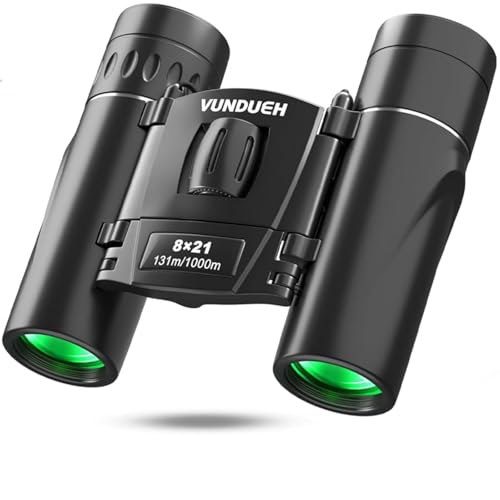

Best Beginner Binoculars: Types Compared
Most first time buyers do well when they start with size and prism design, because those two choices shape weight, brightness, close focus and price more than any other detail. A large pair gathers more light but weighs more, while a small pair travels easily but may feel less steady in dim light. Prism design affects the shape of the body, the field of view and how the pair handles in your hands.
| Type | Best For | Pros | Cons | Typical Price |
|---|---|---|---|---|
| Full size binoculars | Birding and long viewing sessions | Bright view and steady hold | Heavier and bulkier | about $80 to $250 |
| Compact binoculars | Travel and everyday walks | Light and easy to pack | Narrower view in dim light | about $40 to $150 |
| Roof prism binoculars | Neat handling and weather sealing | Slim shape and strong sealing | Higher cost for equal glass quality | about $90 to $300 |
| Porro prism binoculars | Wide view at a lower price | Good depth and value | Wider body and more bulk | about $50 to $200 |
Full Size Binoculars
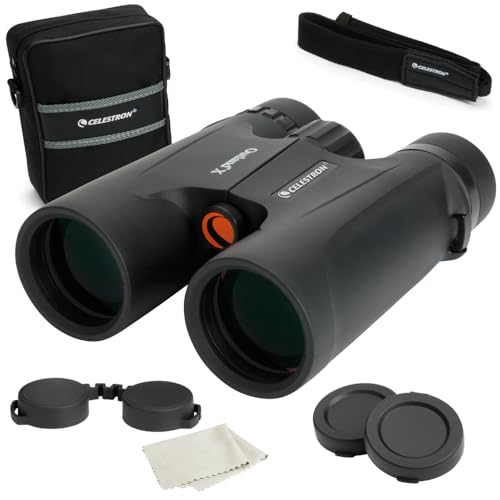
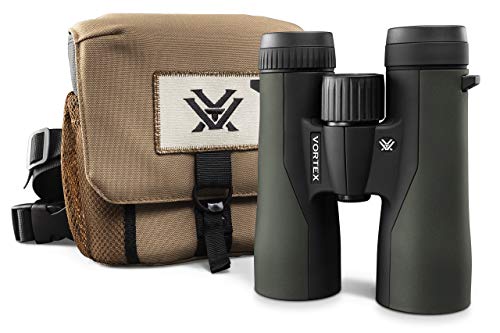
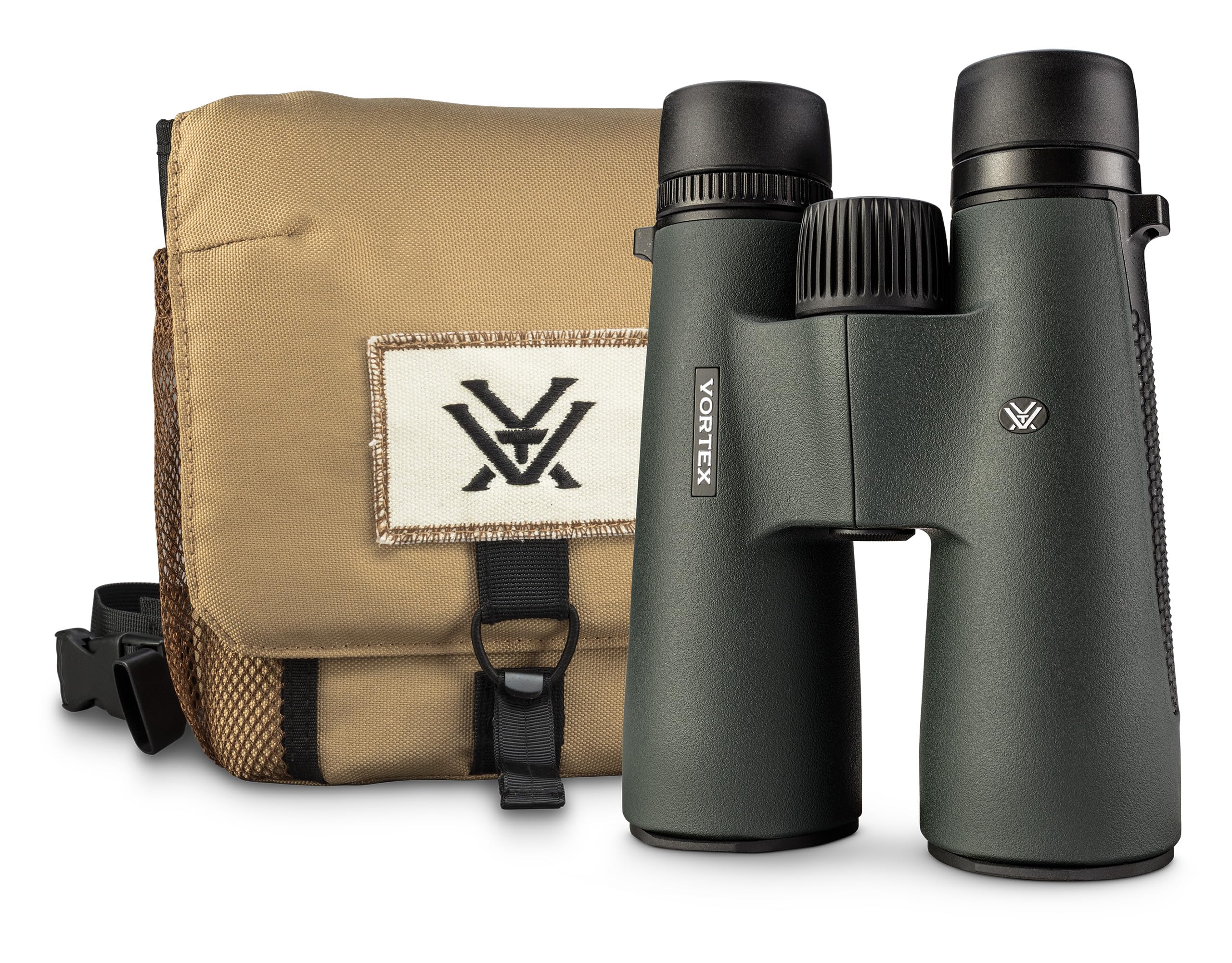
Full size pairs usually have an objective lens of about 42 mm, and that larger front lens helps in shade, at dawn and at dusk. The extra size also gives your hands more to hold, which can make the view steadier during a long session. Many new birders start here because the bright, relaxed view makes it easier to find and follow a moving subject.
The trade off is weight and bulk, so a full size pair may feel tiring on a long hike or awkward in a small bag. If you plan to carry it for hours, check the weight, try the neck strap length and think about a harness that spreads the load. A good full size pair should feel balanced, not front heavy, when you raise it to your eyes.
Compact Binoculars
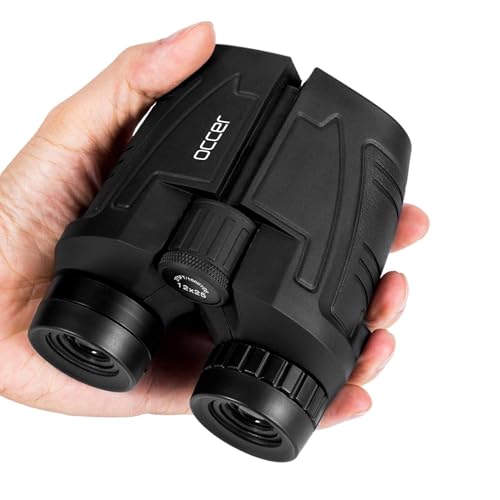
Compact pairs fold down small and weigh far less, which makes them easy to keep in a coat pocket, a day pack or a glove box. They are a sensible choice for walks, city trips, sport and other uses where you do not want to carry a large case. For bright daylight viewing, a well made compact pair can be sharp and enjoyable.
The smaller objective lens gathers less light, so the view may look dimmer at dawn, in woods or under stadium lights. Eye relief can also be shorter, which matters if you wear glasses. If you choose a compact pair, look for a wide enough eye relief, a smooth focus wheel and a case that protects the lenses during travel.
Roof Prism Binoculars
Roof prism pairs have straight barrels, so the eyepieces line up with the front lenses and the body stays slim. That shape packs well, handles neatly with one hand and often pairs with strong weather sealing. Many roof prism pairs also focus quickly, which helps when a bird moves between branches or a player changes direction.
Good roof prism glass costs more to make, so a very cheap roof prism pair may look less bright than a porro prism pair at the same price. Check the coatings, the feel of the focus wheel and whether the pair stays fog free after a move from cold air into a warm room. A roof prism pair suits buyers who value a slim shape and rugged sealing.
Porro Prism Binoculars
Porro prism pairs have the classic wide shape, with the front lenses set wider apart than the eyepieces. That wider spacing can give a strong sense of depth, and the design often delivers good brightness for the price. Beginners who want a wide, easy view without spending a lot often enjoy this style.
The wider body takes more bag space and can feel less neat in the hand, especially for smaller hands. Porro prism pairs also vary in sealing, so check whether the pair is described as waterproof or only water resistant. If you mainly view from a porch, a hide or a car, the extra bulk matters less than the wide view.
Full Size or Compact: Which Should You Choose?
Choose a full size pair when brightness, steadiness and long viewing matter most, and when you are happy to carry a larger case. Choose a compact pair when light weight, pack size and convenience matter most, and when most of your viewing happens in good daylight. The best beginner binoculars for you also depend on hand size, glasses and how long you plan to hold the pair without a break.
Think about your last few outings before you decide. If you walked for hours and wished for less weight, a compact pair may get used more often. If you watched at dawn, in shade or across a lake, a full size pair may show more detail. The pair you use often will teach you more than a larger pair that stays at home.
How to Choose the Right Pair of Binoculars
Once you have a size in mind, compare a few practical factors that affect everyday use. Glass quality, coatings, eye relief, focus feel and sealing matter more for a beginner than a long list of extra features. Use the points below to compare pairs that are close in price.
Durability and Weather Sealing
Look for a body that feels solid, a focus wheel that turns smoothly and eyecups that stay in place. Waterproof and fogproof pairs are filled with dry gas, which helps prevent internal fog when the temperature changes. A rubber armored body also gives a better grip in rain and protects the pair from small knocks.
Objective Size and Low Light Performance
The second number in a size such as 8x42 is the objective lens diameter in millimetres, and a larger number usually means a brighter view in dim light. That benefit comes with extra weight, so balance brightness against how far you will carry the pair. Lens coatings also matter, because good coatings reduce glare and keep colors natural.
Ease of Use for Your Skill Level
A beginner friendly pair should focus easily, hold its setting without drifting and feel natural when you bring it to your eyes. Try the interpupillary adjustment, which sets the distance between the eyepieces to match your eyes, and check that the diopter control is easy to set. If the pair feels fiddly in the shop, it will feel worse on a cold morning outdoors.
Beginner Friendly Features That Matter
Helpful features for a first pair include a clear manual, a simple focus system, a comfortable strap and a case that fits the pair well. Twist up eyecups help glasses wearers, while a tripod adapter thread can help for long stargazing sessions. Avoid paying for complex extras until you know which type of viewing you enjoy most.
Care and Maintenance Tips
Use a lens cloth, not your shirt, because fabric and grit can scratch a coated lens over time. Blow loose dust off first, then wipe gently in a circle, and keep the lens caps on during transport. Store the pair in a dry, padded bag, away from heat and damp, and check the strap and case for wear before a long trip.
If birds are your main interest, read our guide to the best birding binoculars for beginners. If the moon and star clusters draw you outside, see our guide to the best astronomy binoculars for beginners. If you are still deciding between sky and daylight use, our guide to the best binoculars for stargazing beginners explains how low light needs change the choice. For a broader sense of value across price levels, see our guide to the best rated binoculars.
Never look at the sun through binoculars, because the concentrated light can damage your eyes in an instant. This warning applies even on a cloudy day, when the sun may seem dim but still carries strong light. Teach children the same rule before they use any pair, and store the pair where small children cannot reach it without supervision.
Binoculars: Your Questions Answered
What makes binoculars for beginners different?
Pairs made for beginners favor simple focus, forgiving eye placement and a clear view over extreme magnification or complex controls. They often use a moderate magnification such as 8x, which gives a wider and steadier view than a stronger pair. The goal is a pair that helps you find subjects quickly and enjoy the view without constant adjustment.
Which binoculars are better for low light?
Larger objective lenses and good coatings usually give the better low light view, so an 8x42 pair often beats a small compact pair at dawn or dusk. Magnification also matters, because a lower magnification keeps the view steadier and the exit pupil larger. If most of your viewing happens after sunset, favor brightness and steadiness over a higher magnification number.
What does 8x42 or 10x42 mean for binoculars?
The first number is magnification, so 8x makes a subject look eight times closer than with the unaided eye. The second number is the objective lens diameter in millimetres, so 42 means a 42 mm front lens. A 10x42 pair shows a larger image but a narrower field and more shake, which is why many beginners start with 8x42.
What specs matter most for beginners choosing binoculars?
Magnification, objective size, field of view, eye relief and close focus matter most, because they shape what you see and how comfortable the pair feels. Field of view tells you how wide an area you see at a set distance, while close focus tells you how near a subject can be and still look sharp. Weight and sealing matter too, because they decide whether you will carry the pair often.
How much should I spend on my first pair of binoculars?
Many beginners do well at about $80 to $200, where glass, coatings and build quality are often strong enough for regular use. Below that range, check eye relief, focus feel and sealing with extra care, because small savings can cost comfort. Above that range, you may gain better coatings and a lighter body, but only spend more once you know your main use.
The Bottom Line
Start with size and prism design, then compare brightness, eye relief, focus feel and sealing at your price level. A full size pair suits long, dim light sessions, while a compact pair suits travel and bright daylight use. Either way, choose a pair that feels balanced in your hands and simple to focus.
Use the product table to compare options side by side, then match your choice to your main use and your bag. Best beginner binoculars earn their place by being used often, not by having the longest feature list.


