
Best Beginner 29er Mountain Bike: A Buyer Checklist for 2026
Disclosure: We may earn a commission when you buy through links on this page, at no extra cost to you. As an Amazon Associate I earn from qualifying purchases. Learn more

Use this checklist guide to choose the best beginner 29er mountain bike, covering fit, gearing, brakes, suspension, and value for your first trails.
Big wheels change how a trail feels, and that is exactly why 29 inch wheels attract so many new riders. They roll over roots and rocks with less fuss and hold momentum on open ground. This guide turns that appeal into a checklist, so you can judge any model by fit, braking, gearing, and suspension rather than by looks alone.
Start with the comparison table below to see how models differ, then score each one against the sections that follow. A best beginner 29er mountain bike should feel calm at speed, stop with confidence, and fit your body from the first ride.
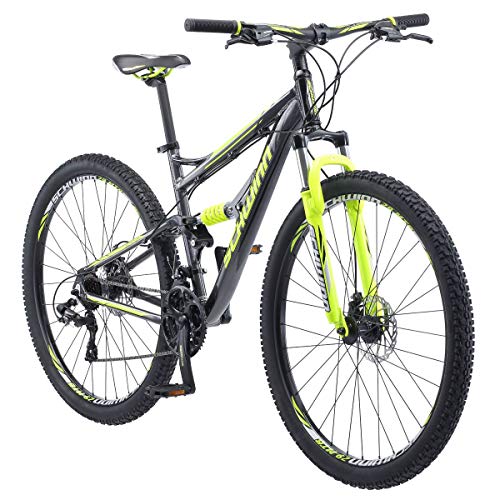
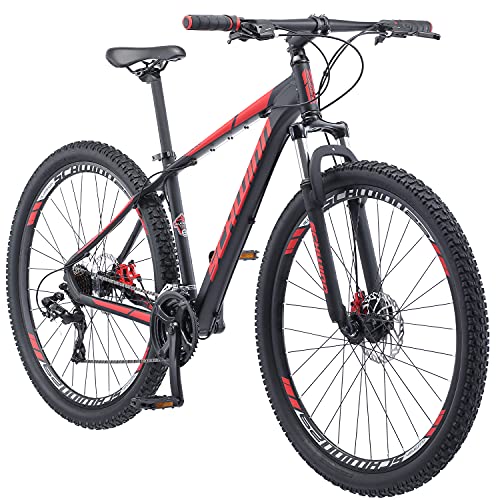
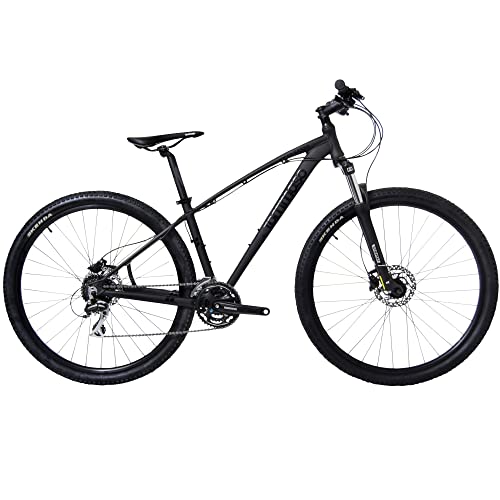


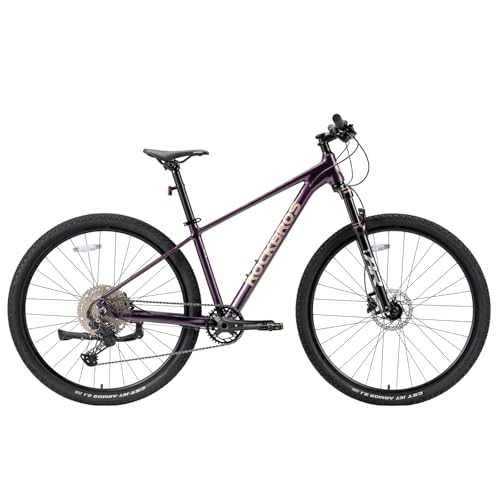
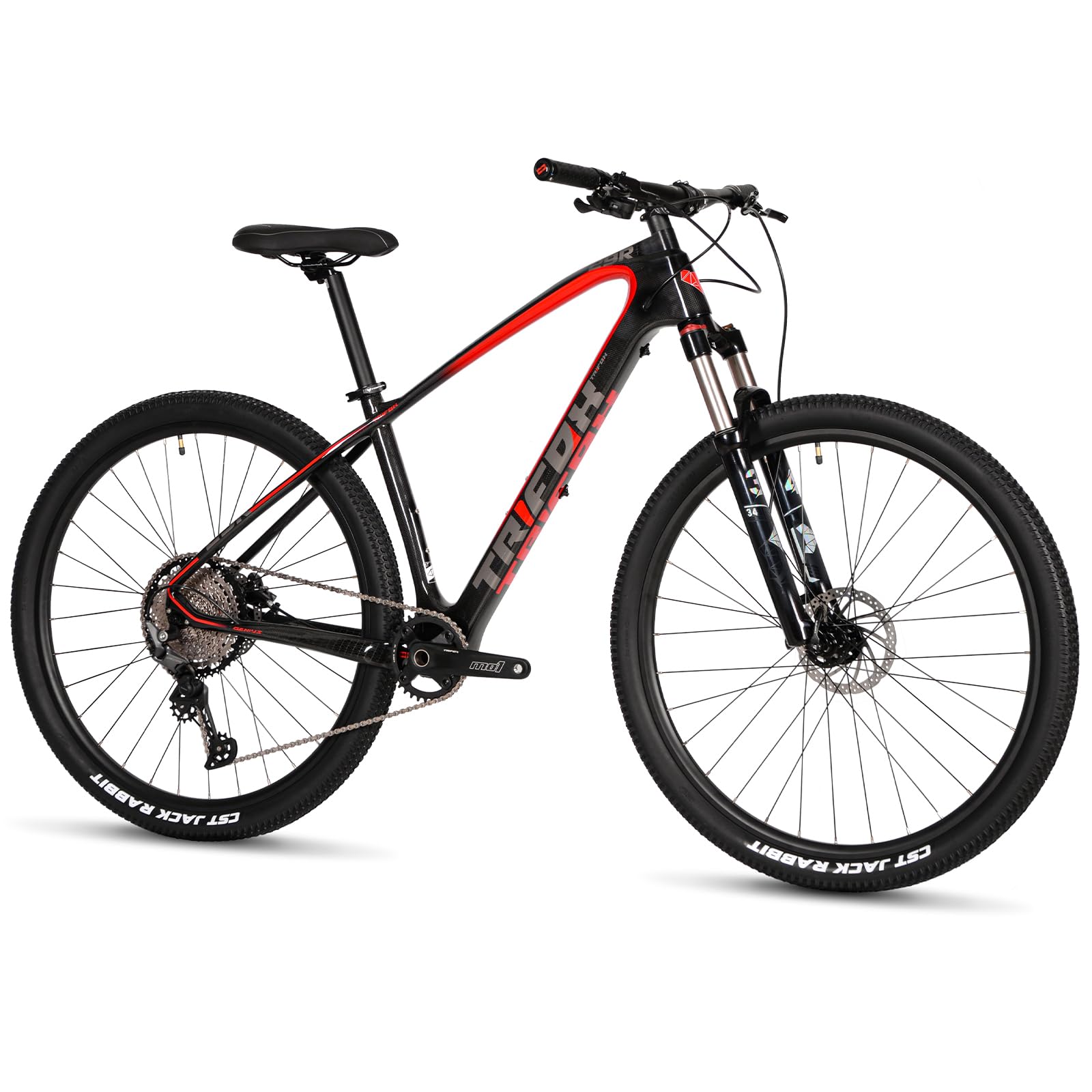
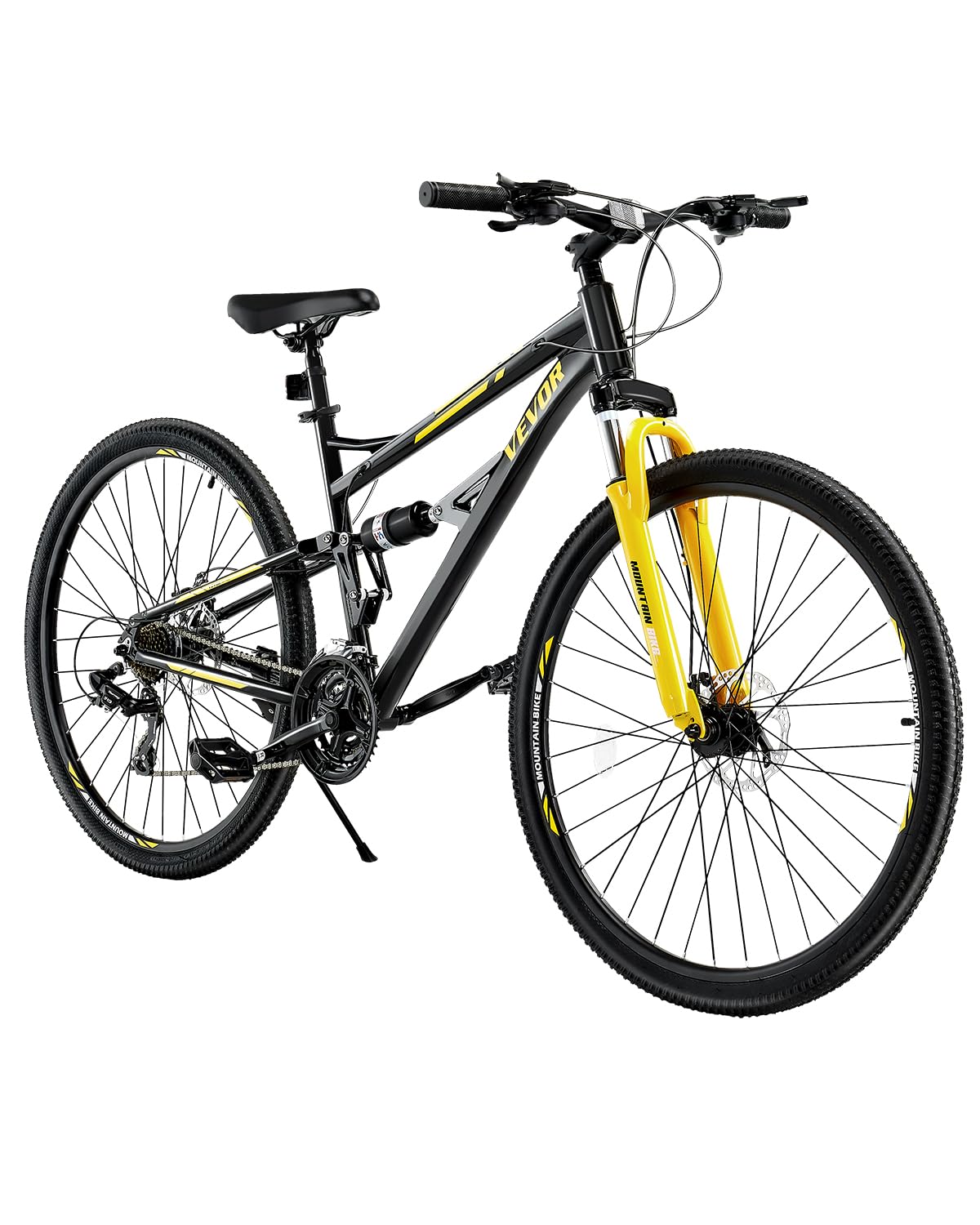
How to Evaluate 29er Mountain Bikes
Work through six checks in order. Fit first, because no part can fix a frame that is the wrong size. Brakes second, because confidence on descents depends on them. Then gearing, suspension, beginner friendly details, and the upgrade path. A bike that passes all six at a fair price will serve you far longer than a flashy model that fails on fit.
Beginner Friendly Features That Matter
Look for parts that reduce fuss during your first season. A simple setup with clear instructions, a dropper post lever that is easy to reach, and tires that arrive with a sensible tread pattern all shorten your learning curve. Wide range gearing lets you climb without hunting for the right gear, and hydraulic brakes need less hand strength on long descents.
Safety details matter as much as speed parts. Reflectors, a clear size chart, and a frame with room for a water bottle sound basic, yet they shape daily use. If a listing hides its weight, gear range, or fork travel, treat that silence as information. Clear specifications are a beginner friendly feature in themselves.
Bike Type and Riding Style
Most beginner 29ers are cross country or trail bikes. Cross country models are lighter, climb eagerly, and suit smoother trails and longer distances. Trail models add suspension travel and slacker geometry for rougher descents, at some cost in weight. Enduro models go further toward descending and can feel slow and heavy for a new rider on mellow ground.
Match the bike to your local trails, not to dramatic videos. If your riding is mostly forest roads, park paths, and gentle singletrack, a cross country hardtail will feel lively and simple. If your trails drop steeply through rock gardens, a trail bike earns its extra travel. Our guide to the best beginner mountain bike range explains these categories across all wheel sizes.
Drivetrain and Gearing
A 1x drivetrain uses one front chainring and a wide range cassette at the back. You shift with one lever, the chain stays on better, and climbing gears are low enough for steep ramps. A 2x setup adds a second front ring and more total gears, but it also adds shifting confusion for many new riders. For trail use, 1x is the simpler and usually better answer.
Check the lowest gear, not just the gear count. A large rear cog around 50 teeth paired with a modest front ring lets you spin up climbs instead of pushing. Groupsets from the major drivetrain makers follow clear tiers, so a step up usually brings smoother shifts under load and better durability.
Suspension (Hardtail vs Full Suspension) and Travel
A hardtail has a suspension fork at the front and a rigid rear end. It is lighter, cheaper, and easier to maintain, and it teaches you to pick smooth lines. A full suspension bike adds a rear shock, which improves grip and comfort on rough trails but adds cost, weight, and service needs. Travel, measured in millimeters, tells you how far the wheels can move.
For most beginners, 100 to 120 millimeters of fork travel suits cross country and light trail riding. Around 130 to 150 millimeters suits rougher trail use. More travel than your trails need will feel vague on climbs. If you are weighing that choice, our guide to the best beginner hardtail mountain bike options lays out where a hardtail stops being enough.
Sizing and Fit
Big wheels need a frame that still fits your body. Brands size by height ranges, but inseam and arm length shift the answer. Riders around 5 feet 6 inches to 5 feet 10 inches often start with a medium, while shorter riders should check whether a 29er in small still gives comfortable standover. Some frames pair a 29 inch front wheel with a smaller rear wheel for shorter riders.
Standover clearance matters more on a 29er because the wheels raise the frame. Stand over the top tube in riding shoes and confirm real clearance. Reach should let you stand on descents without feeling stretched or cramped. A brief shop ride will expose fit problems that charts hide, so take one whenever you can.
Weight and Components Upgrade Path
Weight affects how a 29er feels on climbs and in tight turns. A lighter bike is easier to lift and accelerate, but chasing grams gets expensive. Prioritize a frame with modern standards, such as a tapered head tube and thru axles, because those keep future forks and wheels compatible. Upgrade brakes, tires, and contact points first, since they change ride feel the most per dollar.
Think in seasons. Season one is about fit, reliable shifting, and tires that suit your dirt. Season two can bring better wheels or a dropper post if your bike lacks one. A sound frame rewards that patience, which is why experienced riders comparing the best 29er mountain bike range still start with frame standards rather than paint or minor parts.
What Each Price Tier Delivers
Tiers teach you what your money buys without naming individual models. Around $600 to $1,000, expect an aluminum hardtail, a basic suspension fork, and hydraulic brakes on the better examples. Around $1,000 to $1,800, forks gain air springs and better damping, drivetrains widen, and wheels often become tubeless ready. Full suspension usually enters above that range with parts worth keeping.
Balanced Overall Tier
The balanced tier, often around $1,000 to $1,500 for a hardtail, is where most beginners should aim. You get an air fork you can tune to your weight, a wide range 1x drivetrain, and brakes that stay strong on wet descents. Weight drops enough to notice on climbs. This tier leaves budget for a helmet, shoes, and a pump, which are part of the real cost of starting.
Value Tier
Value at around $600 to $900 means choosing carefully rather than buying the cheapest option. Accept a heavier fork and simpler wheels, but do not accept weak brakes or a cramped frame. A value bike with hydraulic brakes and a proper fit will teach you more than a discounted bike with impressive looking parts in the wrong size. Resale also stays healthier when the core parts are sound.
Heavy Use Tier
If you will ride three or more times a week on rough trails, budget for durability. Stronger wheels, a fork with better damping, and tires with tougher casings cost more up front and save money on repairs. Full suspension in this tier can make sense for rocky regions, provided you also budget for shock service. Heavy use punishes bargain parts quickly, so durability is a form of value.
Quick Buyer Checklist
Answer each question before you commit to a best beginner 29er mountain bike. Any no on fit or brakes should stop the purchase.
- Does the frame size match my height, inseam, and reach in riding shoes?
- Do I have real standover clearance over the top tube?
- Are the brakes hydraulic disc brakes from a known brake maker?
- Is the gearing a simple 1x setup with a genuinely low climbing gear?
- Does the fork travel match my trails rather than my ambitions?
- Are the wheels and tires tubeless ready for later setup?
- Can the frame accept a dropper post if it does not include one?
- Does the price leave room for a helmet, pump, and basic tools?
Red Flags to Watch For
Beware of vague fork descriptions that hide whether the spring is air or coil, and of gear counts advertised as a quality sign when the range is narrow. A very heavy frame paired with low grade brakes is another warning, because big wheels and speed demand real stopping power. Short warranties and missing size charts suggest a seller who does not expect scrutiny.
Also question any 29er sold in one size only, any listing that omits weight while praising lightness, and any deal that pushes you to buy before a test ride. Riders shopping for a partner or family member should also note that fit needs differ, which our guide to the best women's mountain bike for beginners covers in detail.
How to Make Your 29er Mountain Bike Last Longer
Check tire pressure before every ride, because large volume tires lose feel and rim protection when they run too soft. Clean and lube the chain every 100 to 200 miles, and wipe fork stanchions after dusty rides so seals last longer. Store the bike dry, and keep tires out of harsh sunlight when you can.
Have a professional tune up yearly to check spoke tension, brake pads, and drivetrain wear. Big wheels carry momentum, so pads and rotors work hard. Catching a worn chain early protects the cassette and chainring, which are far pricier to replace. Simple care keeps a good frame riding well for many seasons.
Frequently Asked Questions
What makes 29er mountain bikes for beginners different?
Beginner 29ers pair the rollover ease of big wheels with simpler, more forgiving parts. Expect wider range gearing, stable geometry, and brakes chosen for control rather than racing weight. Advanced 29ers chase stiffness and speed with costlier parts. The beginner versions aim to build confidence first, which is the right priority for your first seasons on dirt.
How much should I spend on my first bike?
Around $600 to $1,000 buys a sound new hardtail, and around $1,000 to $1,500 buys one you will keep longer. Spending less often means weak brakes or a fork that limits learning. Reserve funds for safety gear and tools as well. A slightly cheaper bike plus a good helmet beats a premium bike with no money left for essentials.
What size bike do I need?
Start with the maker height chart for the exact model, then verify standover and reach in person. Two riders of equal height can need different sizes because leg and arm lengths differ. If you sit between sizes, the smaller frame usually feels easier to handle at low speed, while the larger feels calmer descending. For male riders comparing charts, the best men's beginner mountain bike guide shows common fit pitfalls.
Hardtail or full suspension for beginners?
Most beginners should start on a hardtail. It costs less, weighs less, needs less service, and builds line choice skill because the rear wheel tracks the ground honestly. Choose full suspension when your home trails are rough enough that comfort and rear grip limit you more than fitness does. You can always move up once your trails demand it.
Final Thoughts on Beginner 29er Mountain Bike
Fit, brakes, and gearing decide whether a 29er helps you learn or fights you. Settle those three, choose travel for your real trails, and use the product table above to compare finalists side by side. A sound hardtail at a fair price will take most new riders a very long way.
The right best beginner 29er mountain bike feels steady over roots, climbs without a struggle, and stops exactly when you ask. Buy that bike, maintain it simply, and let your skills, not your parts list, set the pace of your progress.


