Best 29er Mountain Bike Under 1000: The Buyer Checklist for 2026
Disclosure: We may earn a commission when you buy through links on this page, at no extra cost to you. As an Amazon Associate I earn from qualifying purchases. Learn more

A buyer checklist for the best 29er mountain bike under 1000, covering forks, brakes, gearing, wheels, and sizing before you spend.
A thousand dollars buys a genuinely capable trail bike or a heavy disappointment, and the difference hides in a handful of parts. This checklist shows how to tell them apart, so the best 29er mountain bike under 1000 for your riding is the one whose fork, brakes, and frame you will still be happy with after a full season.
Work through each evaluation area below, then compare the candidates in the product table against your notes. Where a bike fails a check that matches your terrain, keep looking, whatever the discount says.


How to Evaluate 29er Mountain Bikes
What You Can Realistically Get Under $1000
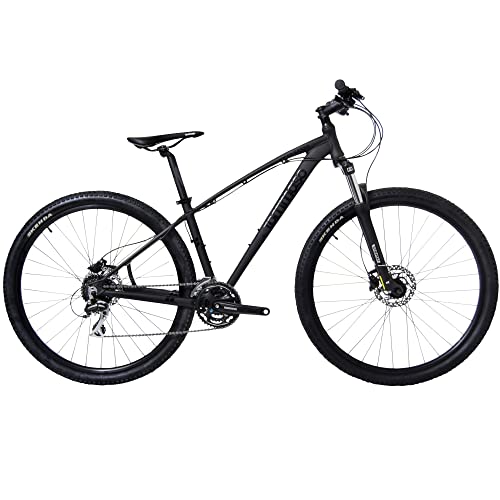
At around $700 to $1,000, expect a sound aluminum frame, a fork that ranges from a basic coil unit to a modest air fork, and hydraulic brakes on the stronger models. Full suspension at this price usually means heavy frames and very basic rear shocks, so most smart money goes to hardtails. A dropper post is a welcome bonus rather than a given. The good news is that nothing essential is missing: with sensible parts choices, a bike at this level handles real trails confidently and upgrades gracefully over time.
Bike Type and Riding Style
Most bikes at this budget are cross country or light trail designs, and the distinction matters. Cross country geometry favors climbing speed and quick handling on smooth ground, while trail geometry adds descending stability through a slacker front end and longer reach. Riders who mix gravel roads and bike paths should value tire clearance and rack mounts. If your riding leans toward steep and rocky descents, be honest that this budget stretches thin there, and prioritize fork quality and brake power above everything else on the list.
Wheel Size and Tires
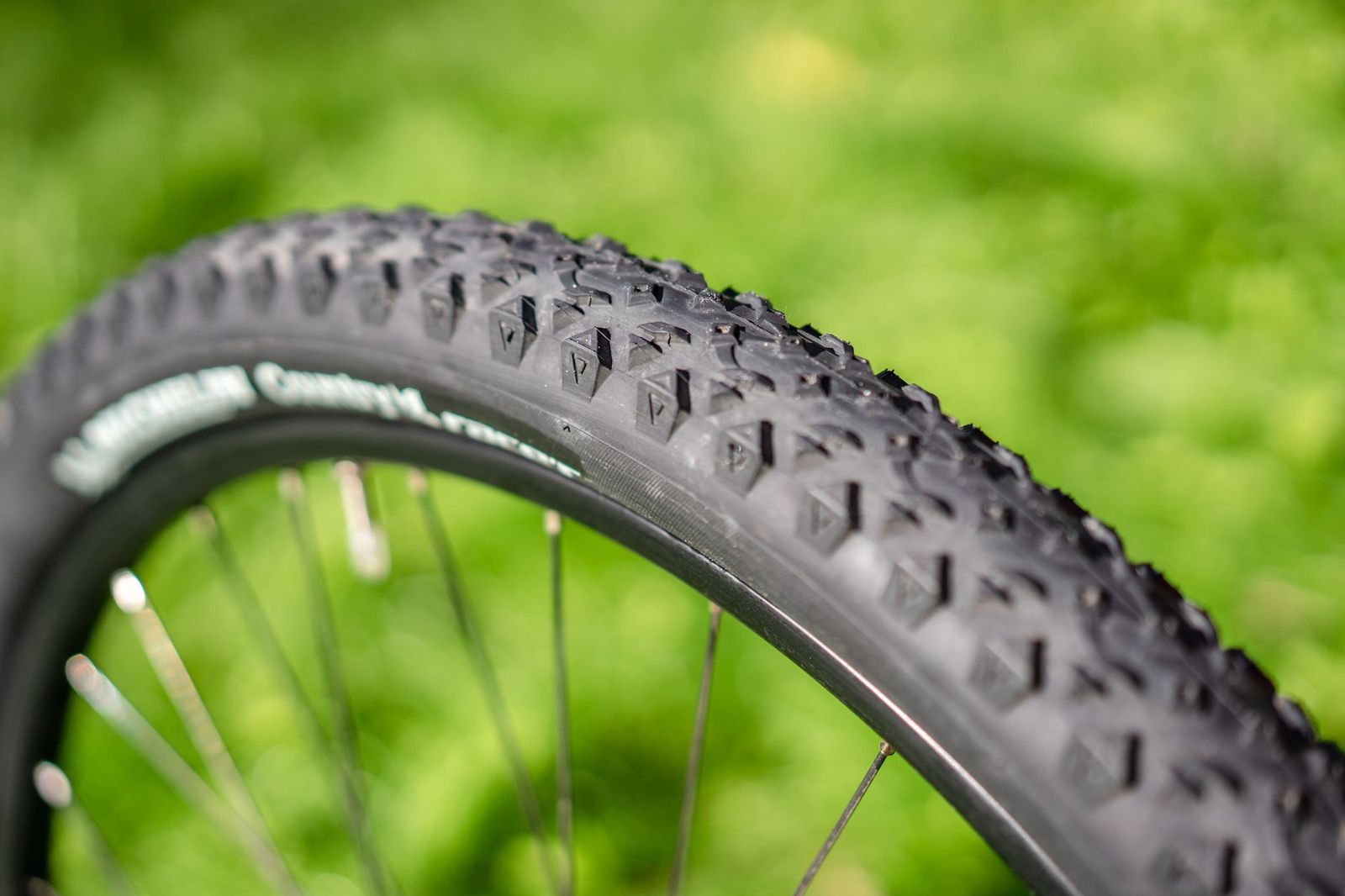
The 29 inch wheel is the headline feature, rolling over roots and rocks smoothly and carrying speed on open trail. Check that the wheels accept tubeless tires if you plan that upgrade, since a tubeless setup lowers pressure for grip and seals small punctures. Tire width around 2.2 to 2.4 inches suits this class of bike and its typical rim widths. Heavier riders should also glance at spoke count and rim strength, because budget wheels are where makers most often save money quietly.
Drivetrain and Gearing
A single ring drivetrain with a wide range cassette is the setup to look for, because it is simple to use and climbs well. Judge range rather than speed count: the lowest gear decides whether you ride or walk the steepest pitch on your local loop. A clutch derailleur keeps the chain controlled on rough descents. Shifting does not need to be top tier, but it should stay consistent under pedaling load, and replacement chains and cassettes in that standard should be easy to find at normal prices.
Suspension (Hardtail vs Full Suspension) and Travel
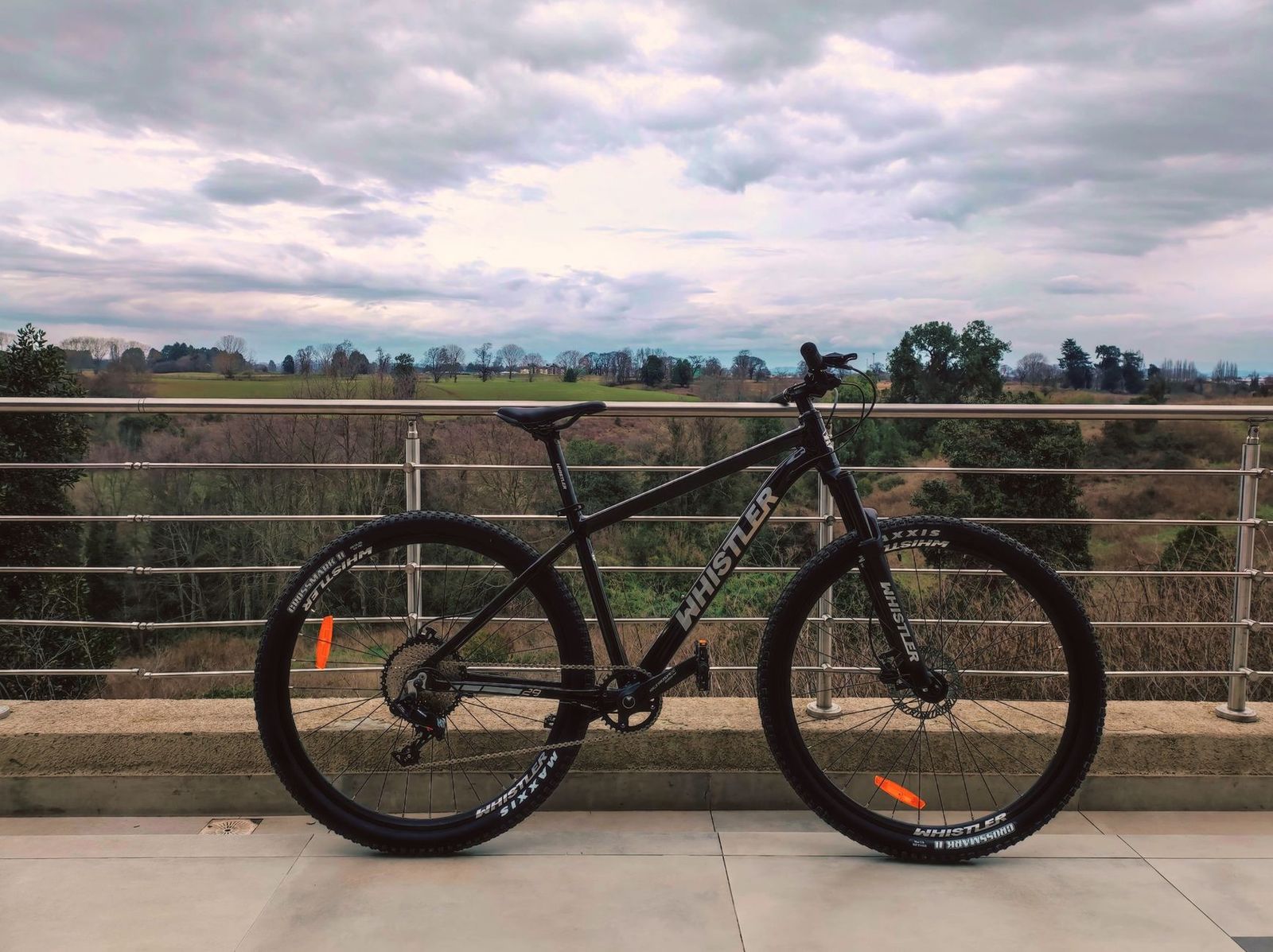
Hardtails dominate this budget for good reason: every dollar goes to the fork, brakes, and wheels instead of a rear shock and pivots. Expect about 100 to 120 mm of fork travel, which suits cross country and moderate trail riding well. Your legs supply the rear suspension, so a slightly larger rear tire at sensible pressure adds real comfort. Full suspension models under $1000 can work for gentle trails, but check weight carefully, because a heavy bike with a basic shock often rides worse than a lighter hardtail. Our guide to the best hardtail 29er mountain bike under 1000 explains that comparison in depth.
Brakes (Hydraulic vs Mechanical Disc)
Hydraulic disc brakes are the single most valuable feature to insist on at this price. They stop harder with less hand effort, work the same in rain, and need little adjustment between services. Mechanical disc brakes are acceptable on mainly flat and gentle riding, but they fade in feel and power on long descents. Rotor size and pad condition matter too, and heavier riders benefit from larger rotors. If a bike in this range still uses rim brakes, treat that as a sign the whole build is dated.
Profiles That Pass the Checklist
Use these three profiles alongside the product table instead of hunting for a named winner. Each describes what a passing bike looks like for a different rider, so you can score any candidate quickly.
Top Tier Profile
The strongest profile at this budget is a trail hardtail with an air fork, hydraulic brakes, a wide range single ring drivetrain, and tubeless ready wheels. Nothing on that list is decorative; each item changes how the bike rides every time you go out. Prices for this profile cluster near the top of the range, around $900 to $1,000, especially outside sale periods. If you ride weekly on varied trails, this is the profile to wait and save for rather than settling for less and upgrading within months.
Value Profile
The value profile keeps the same frame and brakes but accepts a coil fork with a lockout, slightly heavier wheels, and no dropper post. Around $600 to $800 is the typical band. The logic is upgrade order: tires, then a dropper post, then wheels, all on a frame worth keeping. What you must not accept at this level is a smaller or poorly fitting frame bought only because it was discounted. For a wider view of the segment, see our guide to the best mountain bike for under 1000 across brands and wheel sizes.
Compact Profile
Some riders need a bike that stores in a small apartment, fits a car trunk with the front wheel removed, or suits a shorter rider who finds full size 29ers unwieldy. That profile favors a lighter hardtail with a shorter wheelbase, modest tires, and simple parts that tolerate being moved and stored often. It gives up some high speed stability and rough trail comfort. If storage and transport shape your riding life, this trade is sensible; if they do not, the standard profiles above will serve you better on the trail.
Quick Buyer Checklist
Run through these questions for any candidate. Two or more no answers on the first five mean the bike is wrong for you, whatever its price.
- Are the brakes hydraulic disc brakes from a known brake maker?
- Does the lowest gear suit the steepest climb on your normal route?
- Is the fork travel and type right for your roughest regular trail?
- Does the frame size match your height and inseam on the maker chart?
- Are the wheels tubeless ready, or cheap to convert later?
- Is the frame warranty at least several years long?
- Can you get a spare derailleur hanger for this exact frame?
- Does the total cost leave room for a helmet, pump, and spare tube?
Red Flags to Watch For
Watch for listings that hide the fork model, brake type, or total weight, because those omissions are rarely accidental. Very short warranties signal low maker confidence in the frame. A parts mix that pairs an impressive derailleur with weak brakes shows money spent on appearance rather than control. Be cautious with full suspension at the bottom of this budget, where weight and basic shocks undermine the point of the design. Finally, treat prices far below comparable bikes as a prompt to ask what was downgraded, and compare with benchmarks in our guide to the best mountain bike under 1000 dollars.
Choosing the Best 29er Mountain Bike Under 1000
Best 29er Mountain Bike under 1000 Dollars: What to Check
Reading listings for the best 29er mountain bike under 1000 dollars, remember that the headline price may exclude shipping, assembly, or a needed size that costs more. Check the exact size you need, not the cheapest size shown. Also confirm what assembly the bike needs on arrival and whether a local shop tune is included, since a professional safety check is money well spent on any bike bought online.
Care and Maintenance Tips
Check tire pressure before every ride, because underinflated tires waste energy and risk rim damage on square edges. Clean and lube the chain every 100 to 200 miles, and more often after wet rides, to protect the cassette and ring. Keep brake pads on your inspection list, since budget pads can wear quickly in gritty conditions. A professional tune up once a year catches bearing wear and cable stretch early. For another set of options with a similar frame style, our guide to the best hardtail mountain bike under 1000 is a useful comparison.
Frequently Asked Questions
Can you get a good 29er mountain bike under $1000?
Yes, and the checklist above defines what good means at this price: hydraulic brakes, a fork with real adjustment, sensible gearing, and a frame worth upgrading. Many riders searching for the best mountain bike under 1000 29er style are surprised that a hardtail beats cheap full suspension so clearly. Expect to give up low weight and premium extras, not basic trail competence. Bikes meeting the checklist handle years of regular riding.
How much should I spend on my first bike?
Around $600 to $900 suits most first time adult riders, leaving budget for safety gear and tools. Spending near the top mainly improves the fork and brakes, which are the parts beginners feel most on descents and climbs. Spending far less often leads to a second purchase within a year as skills grow. If your budget is firm, a value profile hardtail plus a later tire upgrade is a proven and economical path into the sport.
What size bike do I need?
Begin with the maker size chart using your height and inseam, then verify standover clearance and a comfortable reach to the bars. Because 29 inch wheels lengthen a bike, riders between sizes often prefer the smaller frame for easier handling at low speed. A short ride should confirm that you can brake, shift, and stand over the bike without strain. Stem swaps can fine tune fit later, but they cannot rescue a frame that is fundamentally the wrong size.
Hardtail or full suspension for beginners?
At this budget, a hardtail is the better beginner choice for most riders. The money buys a better fork, brakes, and wheels, and the simpler frame has fewer bearings and pivots to service while you learn. Full suspension becomes attractive at higher budgets or on genuinely rough trails where comfort and traction dominate. Many riders keep their first hardtail as a commuter and winter bike long after buying a second, plusher machine.
Wrapping Up
Fork quality, hydraulic brakes, and honest sizing decide value at this budget far more than brand prestige or extra gears. Score every candidate in the product table with the checklist, reject red flags quickly, and keep a little money back for gear and a first service. Do that, and your best 29er mountain bike under 1000 choice will climb willingly, stop with confidence, and stay worth upgrading for years.