Best Bedroom Studio Monitors for 2026: Matching Size and Sound to a Small Room
Disclosure: We may earn a commission when you buy through links on this page, at no extra cost to you. As an Amazon Associate I earn from qualifying purchases. Learn more

Choose the best bedroom studio monitors for a small room with guidance on woofer size, wall placement, room controls, inputs and quiet mixing.
A bedroom studio asks a lot from a small space. You record, mix, and sleep in the same room, often with a desk against a wall and neighbors beyond it. The best bedroom studio monitors for that room are not the largest or loudest pair you can afford. They are the pair whose size, bass, and placement suit short distances and modest volume, and the comparison table below gathers the main choices.
Start with your room rather than with a list of brands. Measure the desk, note how close each speaker must sit to the wall, and think about the hours when you usually work. The sections below match woofer size, port position, room controls, and inputs to those facts.


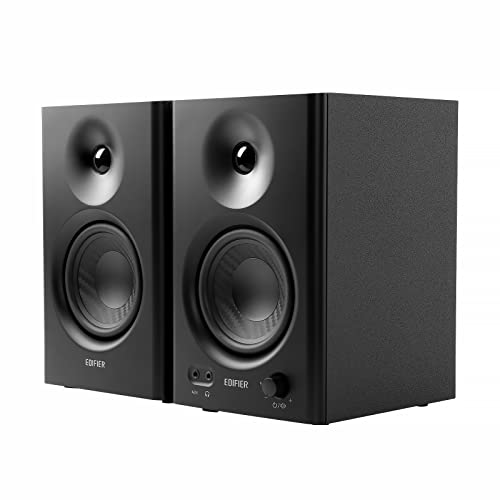


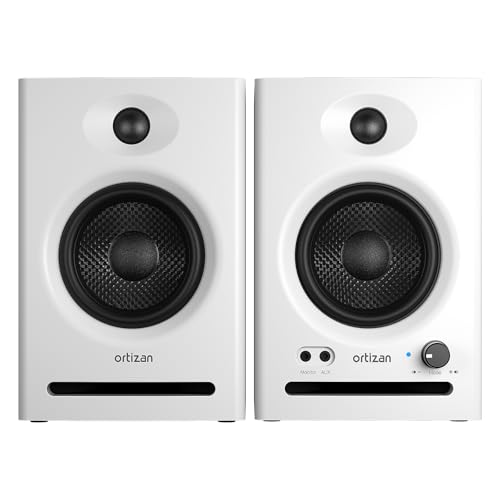
Who Should Buy Which Bedroom Studio Monitors?
No single pair suits every bedroom studio, because the work done in the room changes what matters most. Match the pair to the task you repeat most often, then check the details below.
Songwriters and Home Producers Mixing Their Own Songs
You record vocals and instruments in the room where you sleep, and you mix at a distance of about 3 to 4 feet. Prioritise a clear midrange, because that is where voices, guitars, and piano parts live. A woofer of about 4 to 5 inches usually gives enough bass without flooding a small room. See our guide to the best studio monitor speakers if you are still learning how speaker monitors differ from ordinary home speakers.
Beat Makers Working Quietly in a Bedroom Late at Night
You build tracks after other people in the home have gone to sleep, so your working volume stays low and the walls are thin. You still need to hear kick and bass parts clearly enough to set their level. Choose a compact pair that stays detailed at low volume, with room controls that let you pull the bass down a little. A front port helps too, since your desk likely sits close to a wall.
Podcasters and Video Creators Editing Speech in a Bedroom
You edit voice more than music, and your desk also holds a microphone arm, a screen, and notes. Speech clarity matters more to you than deep bass, so a smaller pair with a clean and present midrange suits your work. A compact cabinet leaves space for the arm to swing. Simple inputs matter too, because you may connect to an interface one day and a computer the next.
Key Features to Compare
Compare these five points in order. They decide how a pair sounds in a small and untreated room far more than wattage claims or cabinet finish do.
Woofer Size Matched to a Small Bedroom
The woofer is the larger cone that plays bass and lower midrange notes. A bigger woofer moves more air and reaches lower, but in a small bedroom that extra bass builds up fast near walls and corners. Woofers of about 3 to 5 inches suit most bedroom desks and stay controlled at a short listening distance. Woofers of about 6 to 8 inches can work in a larger bedroom, yet they often swamp a small one.
Port Position When Speakers Sit Close to a Wall
A port is an opening in the cabinet that extends the bass a small speaker can produce. Front ported designs fire that air toward you, so the speaker can sit closer to a wall with less muddy bass. Rear ported designs need clear space behind the cabinet, because the wall reflects their bass back into the room. Most bedroom desks stand against a wall, so measure the gap you can actually leave before you choose.
Flat Response and Detail at Low Volume
Studio monitors aim for a flat response, which means no part of the sound is pushed forward to flatter the music. That honesty helps you set vocal levels and spot harsh notes that boosted home speakers would hide. At low volume your ears hear bass and treble less strongly, so a pair that stays clear when quiet matters in a bedroom. See our guide to the best sounding studio monitors for a deeper look at tonal balance.
Room Controls for Untreated Walls and Corners
Many monitors carry small switches or dials on the back that trim the bass or the treble by a few steps. These controls exist for rooms like yours, where speakers sit near walls and no acoustic panels cover the surfaces. A bass trim can calm the buildup that close placement causes, and a treble trim can soften a bright room. Change one control at a time, then listen to a song you know well.
Inputs and Power for a Simple Desk Setup
Most bedroom pairs are powered, which means the amplifier sits inside the cabinet and no separate amp is needed. In practice, the best bedroom studio monitors for a simple desk offer both balanced inputs, such as TRS or XLR, and a simpler unbalanced input for a computer or phone. Balanced links tend to hum less. Check where the volume control sits, because a knob on the front saves reaching behind the speaker each time.
How to Place Bedroom Studio Monitors in a Small Bedroom
Set the speakers and your head at the three corners of a rough triangle. For most bedroom desks each speaker sits about 3 to 4 feet from your ears and a similar distance from the other speaker. Raise each cabinet so the tweeter, the small high frequency driver, points at ear height when you sit. Angle both speakers inward a little toward your head.
Keep the speakers off the bare desk if you can, using short stands or firm foam pads to lift and steady them. A hard desk reflects sound up at you and can blur vocal detail. A bed, curtains, and soft bedding already help by absorbing reflections. Your screen shares the same desk, so settle its position first, and see our guide to the best bedroom monitors if you are also choosing the display for this room.
Common Mistakes to Avoid
Most bedroom studio disappointments trace back to a short list of sizing and placement errors.
- Choosing woofers that are too large for the room fills the corners with bass and hides the balance of the mix.
- Pushing rear ported speakers flat against the wall makes the low notes boom and masks quieter parts behind them.
- Leaving speakers below ear height on the desk dulls the high notes and makes vocal edits hard to judge.
- Mixing only at loud volume late at night annoys the household and tires your ears into poor decisions.
- Ordering a pair before checking its inputs leaves you with cables that do not match your interface or computer.
Care and Maintenance for Bedroom Studio Monitors
Dust settles on cones in a bedroom faster than in a closed studio. Brush the cabinets and cones gently with a soft and dry cloth, and never press on the center of a cone or the small tweeter dome. Keep drinks away from the speakers, since a spill can reach the cabinet joints and the amplifier inside. Keep cabinets out of direct sun and away from radiators, because steady heat ages the cone surrounds.
Leave the ventilation slots on the back of each cabinet clear, because the built in amplifier sheds heat through them. Start each session with the volume low and raise it once sound is playing. If one side buzzes and the buzz follows the cable when you swap sides, replace that cable before you suspect the speaker itself.
Frequently Asked Questions
How far should bedroom studio monitors sit from the wall behind them?
Front ported bedroom studio monitors can sit about 2 to 6 inches from the wall, while rear ported pairs usually need about 8 to 12 inches or more. Move the pair in steps of an inch or two, play the same familiar song at the same volume after each move, and stop where the bass sounds most even.
Are bedroom studio monitors with 8 inch woofers too large for a small bedroom?
Yes, for most small bedrooms and most desks, an 8 inch woofer is more speaker than the room can handle well. The cabinet itself is also deep, so it pushes your listening chair back and can crowd the screen beside it. Unless your bedroom is large and your desk stands away from the wall, a smaller size will give you a clearer picture of your mix.
Can bedroom studio monitors sound accurate at low volume?
Yes, a good pair can stay accurate at low volume, though your own hearing changes what you notice as the level falls. Bass and the finest high details seem to recede when music is quiet, even when the speaker plays them correctly. Make your broad balance choices at a modest level, then check the finished mix the next morning at a slightly higher volume. That fresh check catches errors tired ears missed.
Do bedroom studio monitors need an audio interface?
No, bedroom studio monitors do not need an audio interface, because most pairs accept a signal directly from a computer, a phone, or a small mixer. An interface still earns its desk space for many bedroom producers. It gives you one large volume knob within reach, balanced outputs that resist hum, and microphone inputs when you record.
Can I start with one bedroom studio monitor and add a second one later?
Yes, you can start with one bedroom studio monitor, and for speech editing or writing parts that approach works for a while. Music mixing needs two, because panning, stereo effects, and the width of a chorus cannot be judged from a single speaker. Buy the second speaker from the same range and size as the first, and buy it soon, before ranges are revised.
The Bottom Line
For a bedroom studio, room fit beats raw size every time. A compact woofer you can place well, a port that suits your wall distance, and controls that calm an untreated room will serve your mixes better than a large pair squeezed into a corner.
Use the product table above to compare cabinet size, inputs, and price against those points. When you choose best bedroom studio monitors by room fit first and wish list second, the pair you buy is the pair your next song will thank you for.