Best Bed Skirts in 2026: Which Type Is Right for You?
Disclosure: We may earn a commission when you buy through links on this page, at no extra cost to you. As an Amazon Associate I earn from qualifying purchases. Learn more
Compare traditional, wrap around, and detachable styles to find the best bed skirts for your drop length, frame, fabric, and budget with confidence.
A bed skirt hides the box spring, the frame, and anything stored under the bed, yet choosing one can feel confusing fast. Panels, elastic bands, pleats, and drops all work differently, and the wrong match can bunch, slip, or pool on the floor. This guide compares each type side by side so you can pick best bed skirts with confidence, and the comparison table below sums up the key differences at a glance.
You will learn how each attachment style behaves in daily life, which fabrics hold up best, and how to measure your drop so the hem lands exactly where you want it.



Types of Bed Skirts Compared
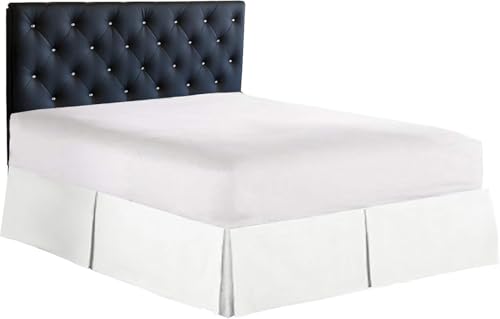
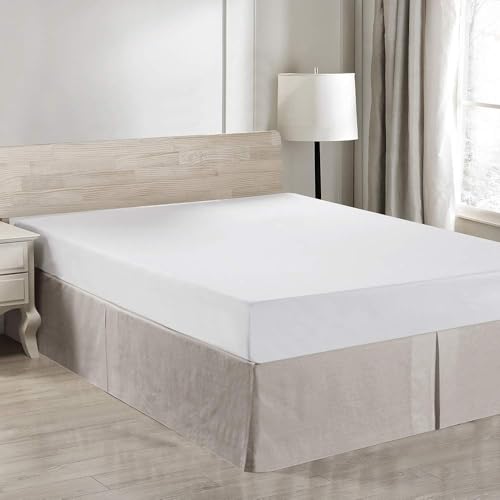
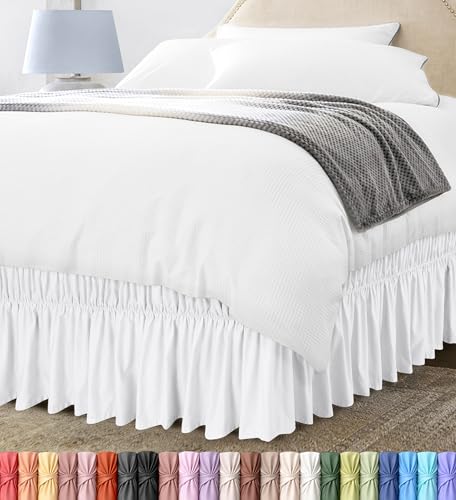
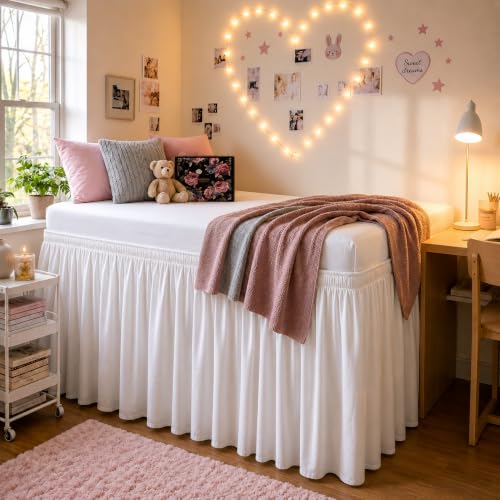
Every bed skirt does the same basic job, covering the space between the mattress and the floor, but the way it attaches changes everything about fit and upkeep. Traditional panel skirts sit on a fabric deck under the mattress. Wrap around styles use an elastic band around the box spring. Detachable styles fasten with hook and loop strips or pins, so you can remove the fabric without lifting the mattress.
Within each attachment style you will also see tailored flat panels, gathered ruffled panels, and pleated panels with crisp folds at the corners. The tiers below group your options by price and construction, because the product table above shows that price alone does not tell you which attachment style you are getting.
Mid Range Options
Mid range options, usually about $25 to $50, are where most buyers land, and they cover all three attachment styles. You typically get cotton blends or quality microfiber with a sturdier deck, cleaner stitching, and split corners that work around a footboard. Colors also hold better through repeated washing at this level, so the skirt still matches your bedding after a year of laundry.
Choose this tier if your bed stays in one place and you want a skirt that looks tailored without constant fussing. The elastic on wrap around versions tends to be wider and stronger here, which means less slipping when you tuck in sheets.
Budget Options
Budget options, usually under $25, keep costs down with lighter microfiber or thin cotton blends and simpler hems. They cover the frame and stored items just as completely, but the fabric is often more sheer, so a dark frame may show through a white skirt. Elastic bands can also be narrower, which means you may need to straighten the skirt more often.
These work well for guest rooms, dorm rooms, kids rooms that get redecorated often, and short term rentals where a clean look matters more than longevity. If you change your bedding colors with the seasons, a budget skirt lets you swap styles without much guilt.
Compact Options
Compact options in this guide means skirts suited to smaller spaces and lower frames, such as platform beds in studio apartments, daybeds in multipurpose rooms, and low profile frames in tiny guest corners. Shorter drops, often 10 to 12 inches, keep the hem off the floor so it does not catch on storage bins. Wrap around elastic styles shine here because you can fit one without moving a heavy mattress.
Daybeds deserve a special note, because a standard skirt leaves the front rail exposed. Look for three sided daybed skirts or panels with longer drops on the open sides. If your small space doubles as a sitting area, a tailored flat panel reads more like furniture upholstery than bedding.
Premium Options
Premium options, usually about $50 to $100 or more, use heavier natural fabrics such as linen, dense cotton, or cotton sateen with a noticeable weight in hand. The drape is the real upgrade, since heavier cloth falls in smooth lines and hides lumpy storage completely. Detachable designs are common at this level, with sturdier fasteners than cheaper versions.
Choose premium if the bedroom is a focal point of your home or if you wash bedding often and want fabric that survives it. Some premium skirts also carry a written warranty against seam defects, which adds value when you plan to keep the same bed setup for many years.
Mid Range Options Versus Budget Options: Which Should You Choose?
Start with fabric weight, because it drives most of the visible difference. Mid range cloth is denser, so it blocks the view of the frame and hangs straighter, while budget cloth can look wavy along the hem. Next compare the deck or band, since a full fabric deck or wide elastic band stays put far better than narrow elastic.
Then think about laundry habits and lifespan. If you wash the skirt monthly, mid range stitching and colorfast dyes repay their cost within a couple of years. If the skirt lives in a spare room washed twice a year, a budget pick loses very little by comparison. For most homes, the best bed skirts sit in this mid range tier, while the budget tier suits secondary rooms where its limits rarely get noticed.
How to Choose the Right Bed Skirt
The product table above can narrow your shortlist, but five checks decide whether a skirt actually works on your bed. Work through them in order, starting with how you use the room, and you will avoid nearly every common return.
Intended Use and Who It Is For
Ask what the skirt must hide and how often the bed gets used. A primary bedroom usually needs full coverage and a calm tailored look, while a guest room can accept simpler gathered panels. If you store bins under the bed daily, favor styles you can lift or remove without stripping the whole bed.
Households differ in other ways too. In homes where a sofa bed handles overflow guests, remember that folding frames cannot wear a standard skirt, so see our guide to the best bed sofas if you are furnishing that setup instead. For a nursery or a room shared with toddlers, shorter drops reduce the fabric a crawling child can grab and pull.
Safety and Certifications
Bed skirts are simple textiles, but a few safety points still matter. Look for OEKO TEX Standard 100 certification when you can, since it screens finished fabric for harmful substances, which matters for a textile that sits inches from where you sleep. Keep the hem clear of space heaters, radiators, and open flame sources, because any loose fabric near a heat source is a fire risk.
Also avoid drops so long that fabric pools on the floor, since pooled cloth is a tripping hazard during nighttime trips across the room, especially for older adults and small children. If anyone in the home has serious allergies, choose smooth tightly woven fabrics you can wash in hot water.
Build Quality and Materials
Material decides drape, noise, and how the skirt ages. Cotton breathes well and irons crisply, but it can shrink slightly on the first wash and wrinkle more than blends. Microfiber is light, resists wrinkles, and dries fast, though thin versions can cling with static and look sheer against dark frames. Linen offers a relaxed textured fall and strong fibers, with a naturally creased look.
Check the details that reveal quality: even stitching along the hem, reinforced split corners, and a deck made of real fabric rather than thin mesh that tears when you lift the mattress. Since the skirt is the base layer of your bedding stack, see our guide to the best bed sheets when you plan the full palette.
Price Versus Value
Value is cost spread over years of tidy service, not the lowest sticker. Budget skirts at under $25 suit temporary setups, while mid range options at about $25 to $50 usually deliver the best value for a primary bedroom. Premium skirts at about $50 to $100 earn their price mainly through drape and fabric weight rather than extra features.
Watch for hidden costs that change the value math. A skirt that needs dry cleaning costs more over time than a machine washable one, and a flimsy deck that tears forces a full replacement instead of a quick wash and refit. A modest warranty against seam failure is a genuine value signal at any tier.
Key Performance Specs
Drop length is the spec that decides fit, so measure from the top of the box spring or platform down to the floor and match that number, most often 14 or 15 inches for standard frames and up to 18 or 21 inches for tall beds. A drop one inch too long pools, and one inch too short shows the frame, so measure at two corners because floors are rarely level.
Next confirm the deck size matches your mattress size exactly, since a queen deck on a full frame bunches under the mattress. Split corners matter if your bed has a footboard, because solid corners cannot pass the posts. If you use a protective layer on the mattress itself, note that it sits on top and does not change the drop, and see our guide to the best bed pads for that separate layer.
Care and Maintenance Tips
Read the care label before the first wash, because cotton, linen, and microfiber each prefer different water temperatures. Most skirts wash well on a gentle cold cycle and tumble dry on low, which limits shrinkage that would shorten your drop. Remove the skirt promptly and smooth the panels by hand to prevent most wrinkles.
Inspect the elastic band, hook and loop strips, and split corners each time you wash, because small tears grow fast under the weight of a mattress. Traditional deck styles are the biggest chore, as the whole mattress must lift off, so many owners wash those less often and vacuum the hanging panels monthly instead. Store a spare skirt folded loosely in a dry closet, never compressed in a damp bin.
Bed Skirts: Your Questions Answered
Are expensive bed skirts worth it?
Expensive bed skirts are worth it when you value drape, heavy fabric, and detachable fittings you can remove in minutes. The upgrade buys opacity and weight, not extra functions, so a guest room rarely justifies it. Premium panels also usually need less steaming after washing, which saves you real time across years of laundry.
How much should I spend on a bed skirt?
Most households should spend about $25 to $50 for a primary bedroom skirt with a solid deck or wide elastic band. Spend under $25 for spare rooms and short term setups, and reserve about $50 to $100 for heavy natural fabrics. Before checkout, confirm the return window covers a drop mismatch, because sizing errors are the most common reason buyers exchange an otherwise fine skirt.
How do I maintain a bed skirt?
You maintain a bed skirt by washing it gently in cold water, drying on low, and checking bands and corners for wear at every wash. Vacuum the hanging panels between washes to lift dust at floor level. If a pet sleeps against the bed, a weekly lint roller pass keeps hair from working into woven fabrics.
What features matter most when buying bed skirts?
The features that matter most are correct drop length, an attachment style you can live with, and fabric dense enough to hide the frame. After those three, split corners for footboards and easy care washing decide daily satisfaction. One feature worth seeking out is a center pleat or corner pleat design, since pleats let the skirt expand slightly when you pull storage bins in and out.
How long does a bed skirt last?
A bed skirt typically lasts about three to five years in a primary bedroom with regular washing. Elastic bands usually age out first, losing stretch after repeated heat exposure in the dryer, while woven panels themselves often remain sound. Air drying the band section, or choosing a deck style with no elastic at all, is the simplest way to push a skirt toward the long end of that range.
Final Thoughts
Choosing well comes down to three checks: measure your drop at two corners, pick the attachment style that matches how often you move the mattress, and choose fabric dense enough to hide your frame. The comparison table above pulls those details together, so revisit it once your measurements are in hand. Get those basics right and best bed skirts stop being a guessing game, leaving you with a finished looking bed and storage that stays hidden.
If your sleeping setup is temporary or inflatable, a skirt will not fit at all, and you can see our guide to the best air beds for guest arrangements that need no dressing up. For a standard frame, order once, measure first, and enjoy the tidy result.