Best Big Pillows for 2026: Types Compared and How to Choose
Disclosure: We may earn a commission when you buy through links on this page, at no extra cost to you. As an Amazon Associate I earn from qualifying purchases. Learn more

Compare best big pillows by type, loft and fill, with clear guidance on cooling, sizing and care to help you choose steady support for your sleep.
A big pillow can fix a restless night or create one. Extra width sounds simple, yet loft, fill and fabric change how your head and shoulders feel by morning. The best big pillows earn that label by matching size to your body and sleep position, and you can compare shapes and fills in the product table.
This guide compares the types, then walks through cooling, firmness, sizing and care. You get trade offs, price ranges and checks you can use with any listing, so the choice rests on your bed, your budget and how you sleep.







Types of Big Pillows Compared
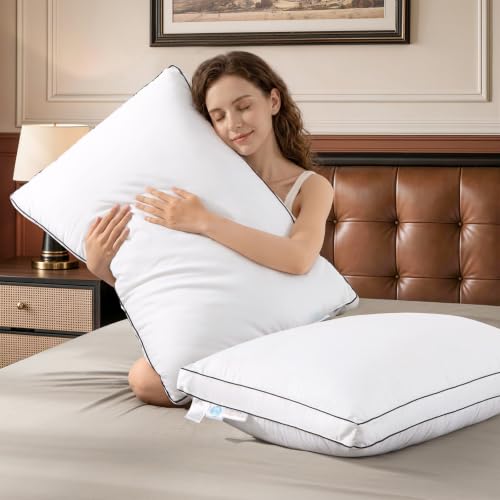
Big pillows fall into three families, and the family matters more than the name on the bag. Start with the feel you want, then check size and care, because a pillow you cannot wash or fit with a case will annoy you long after the first good night.
Cooling Fabrics for Big Pillows
Cooling big pillows pair a heat aware fill with a cover woven or knit to feel cool at first touch and move air. Common covers use polyethylene yarns that feel cool instantly, phase change finishes that absorb early heat, or light cotton and bamboo blends that breathe well. The strength is comfort for warm sleepers. The limit is that a cool cover cannot fix a dense foam core that traps heat deeper down. Choose this type if you wake warm and prefer a smooth, slick hand feel.
Down and Down Alternative for Big Pillows
Down fills use soft clusters that compress and spring back, giving big pillows a plush, moldable feel at a higher price. Down alternative fills copy that softness with polyester fibers, cost less and suit many allergy sensitive shoppers, though quality varies widely. Both types fluff well and suit lounge reading. Both can feel flat for side sleepers who need steady height under the ear. If you love a lofty, squeezable pillow, see our guide to the best big fluffy pillows for that softer end of the range.
Hybrid Big Pillows With Mixed Fills
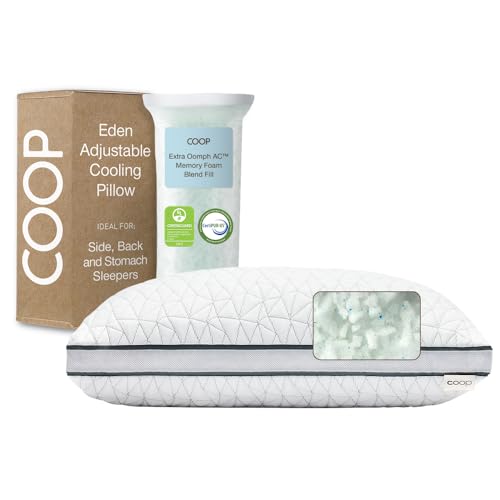
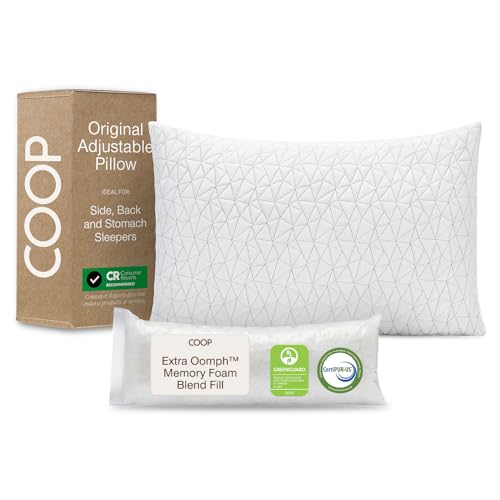
Hybrid big pillows blend two fills to balance softness and support, often shredded memory foam with polyester fiber, or latex pieces with a down alternative wrap. The blend lets makers tune loft, so one fill mix can feel plush on top and firmer beneath. Shredded fills also let you add or remove fill on some models to set your own height. The trade off is weight and a lumpier feel if the fill shifts. Choose a hybrid if a single fill felt too flat or too firm.
Cooling Fabrics vs Down and Down Alternative: Which Should You Choose?
Judge these two families on four points. Heat comes first, and cooling covers win for sleepers who wake with a warm face or damp hair. Feel comes next, and down style fills win for readers and stomach sleepers who hug or fold their pillow. Support runs the other way, since lofty down compresses under a heavy head while firmer cooling models hold height better.
Care and price finish the picture. Down alternative versions wash more easily and usually cost about $25 to $60, while cooling models with foam cores often cost about $40 to $90 and need gentler washing. Pick cooling if heat wakes you. Pick a down style fill if softness matters most and your room stays cool.
How to Choose the Right Big Pillow
When you shop for best big pillows, start with your body, not the shelf. A tall sleeper with broad shoulders needs more width and height than a smaller back sleeper on the same bed. If head support is your worry, see our guide to the best pillows for big heads. If frame size drives your choice, see our guide to the best pillows for big guys for notes aimed at larger sleepers.
Cooling and Breathability for Big Pillows
A cool pillow needs air movement through the build, not only a slick cover. Open cell memory foam and shredded fills let air pass better than one solid block, and latex often sleeps cooler than dense foam. Cover weave matters too, and a high thread count can tighten the weave and slow airflow, so treat thread count as one clue rather than proof of quality. Pair a breathable fill with a light cotton percale case and skip thick protectors that seal in heat.
Firmness, Loft and Sleep Position
Loft is the pillow height under your head, and the right height keeps your neck level with your spine. Side sleepers usually need about 5 to 7 inches of loft to fill the shoulder gap, back sleepers do better near 4 to 5 inches, and stomach sleepers stay flatter near 3 to 4 inches. Heavier heads compress soft fills more, so firmness must rise with body weight. If pain, numbness or weakness in an arm lasts or worsens, seek medical care promptly, and talk with your clinician about your personal needs.
Measuring Big Pillow Size for Your Bed
Measure your mattress width and your shoulder width. Standard big pillows run about 20 by 26 inches, queen size about 20 by 30 inches and king size about 20 by 36 inches, while body pillows reach about 20 by 54 inches. Two king pillows need a king bed, since they will crowd a queen mattress and push cases past the edge. Check case size on the same listing, because an oversized pillow in a small case feels firm and lumpy.
Material and Fill for Big Pillows
Fill decides how a big pillow ages. Solid memory foam gives even pressure relief but can feel warm and slow to reshape, while shredded foam moves more air and adjusts in height. Latex feels springy and holds its shape. For foams, CertiPUR US certification signals limits on certain chemicals and emissions, and OEKO TEX labels on covers signal testing for harmful substances. Cotton, linen and bamboo derived viscose covers trade softness against breathability, so match the cover to your room temperature.
Common Mistakes to Avoid With Big Pillows
Most returns trace back to a few simple checks that shoppers skip.
- Buying the widest pillow leaves no room to turn, so you wake with a stiff neck.
- Choosing loft by hand feel in a store ignores how your head compresses the fill overnight, so the pillow feels flat by morning.
- Skipping the sleep trial on an oversized pillow risks a costly return, since many stores charge more to ship large items back.
- Washing a foam core like a fiber pillow ruins the foam structure, so the pillow loses support and may tear.
- Using a case that is too small squeezes the fill upward, so a medium pillow suddenly feels hard and high.
How to Make Your Big Pillow Last Longer
Fluff fiber and down style pillows daily with a shake from both ends, and air them near an open window to release moisture and odors. Use a washable pillow protector under the case and wash that protector monthly, since it catches sweat and oils before they reach the fill. Rotate the pillow head to foot every few weeks so wear spreads evenly.
Wash only fills whose labels allow water, in a large washer or a tub with room to move. Dry fiber pillows fully on low heat with dryer balls to break up clumps. Keep foam out of the washer and spot clean it instead, then air it until fully dry before you refit the case.
FAQ
Is a higher thread count always better for a big pillow cover?
No, a higher thread count is not always better for a big pillow cover. Past a mid range, makers can inflate the number with multi ply yarns that add weight without adding comfort. Single ply long staple cotton often feels smoother and lasts longer than a higher count made from short fibers. A breathable weave you wash often beats a dense count that sleeps warm.
What firmness is best for back pain with a big pillow?
For back pain, a medium firm big pillow that keeps your head level usually works best as a starting point. Your mattress changes the answer, and a soft mattress lets your shoulders sink, so you may need less loft than on a firm bed. Change one thing at a time for a week. Ongoing pain needs assessment by a clinician rather than another purchase.
Are cooling big pillows worth it for hot sleepers?
Yes, cooling big pillows are worth it for hot sleepers who use light bedding and still wake warm. The point shoppers miss is timing, and cool touch covers help most in the first hour, while breathable fills matter more toward morning. If your whole room runs hot, a fan or lighter duvet may help more than any pillow. Start with the pillow if heat centers on your face and neck.
How do I wash big pillows safely without damaging the fill?
You wash big pillows safely by matching the method to the fill and giving the pillow space to move. Wash one pillow at a time with a second towel for balance, on a gentle cycle with mild detergent. The step many people skip is the extra rinse, which removes soap that can mat fibers and dull loft. Hand wash in a tub if the drum looks crowded.
How often should I replace a big pillow?
Replace a big pillow when it no longer returns to shape or leaves your neck sore on waking. Fold a fiber pillow in half and release it, and a pillow that stays folded has lost its working loft. Dust mites and oils build up inside older fills, and washing cannot fully reset them. Most sleepers land near one to two years for fiber fills and three to four years for foam.
Wrapping Up
Size, loft and fill decide every big pillow purchase. Match width to your bed, loft to your sleep position and fill to your temperature and care habits, then confirm the case size and trial terms before you pay. Use the product table above to compare those points across the types.
With those checks done, the best big pillows stop being a guess and become a fit you can feel. Choose the simplest type that meets your needs, and spend the savings on a protector and a spare case.