
Best Air Beds: Every Type Explained Side by Side
Disclosure: We may earn a commission when you buy through links on this page, at no extra cost to you. As an Amazon Associate I earn from qualifying purchases. Learn more

The best air beds compared by type: framed and premium raised beds, standard raised air mattresses and low camping models.
An air bed turns a spare corner into a guest room, keeps a college student comfortable during the first weeks in a new apartment and saves a holiday visit when relatives outnumber beds. But air beds differ a lot: some sit close to the floor and suit camping, others rise as high as a regular bed with built in pumps that keep them firm all night. Choosing the best air beds for your needs starts with understanding these types and the features that separate a restful night from a deflated morning.
This guide compares the main types of air beds side by side, explains the specs that matter, from pump type to puncture resistant materials, and offers practical tips for setup, storage and long life. The product table above lists options from SoundAsleep, King Koil, Intex, Serta, SereneLife and others, all sold new on Amazon US.



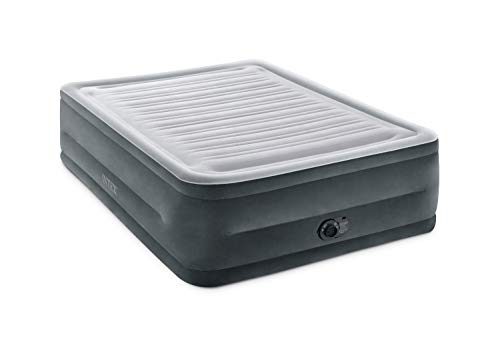
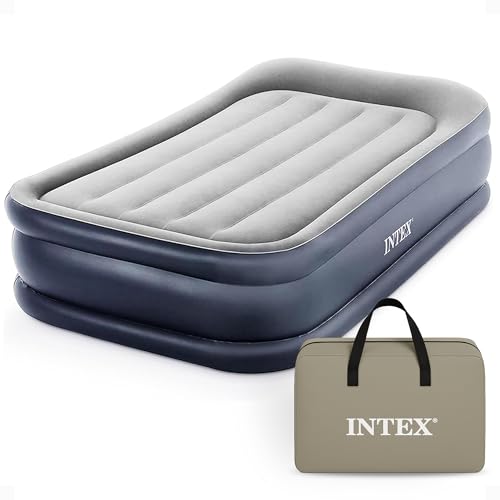
Types of Air Beds Compared
Air beds fall into three broad types based on height, construction and intended use. Your choice depends on who will sleep on it, how often and where.
Height affects comfort more than most buyers expect. A bed that sits at knee height is far easier to get in and out of, especially for older guests, while low beds are lighter, pack smaller and suit tents and small spaces.
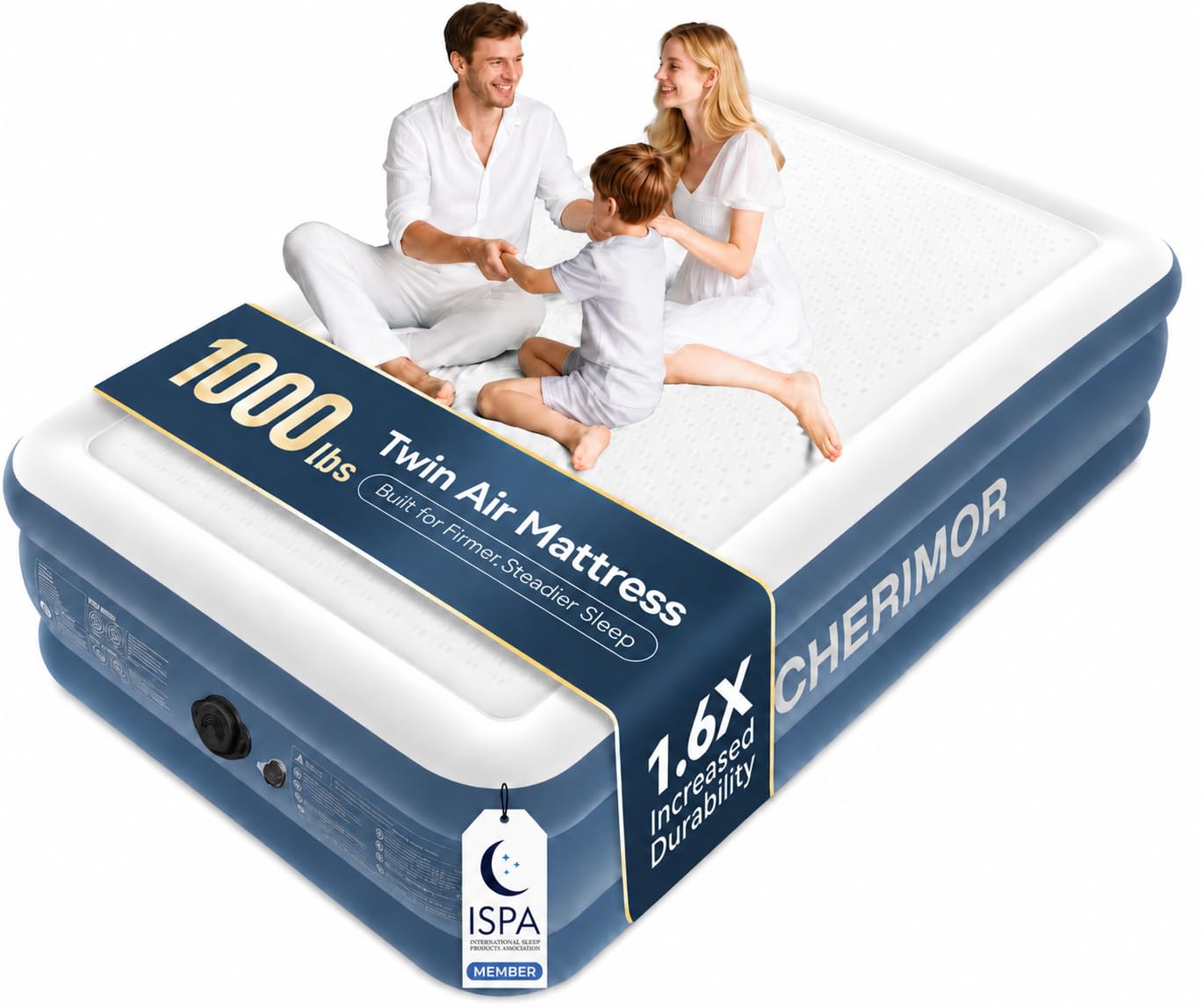
Size is the other early decision. Twin air beds suit kids and single guests and fit small rooms, full and queen sizes suit couples and most guest rooms, and king or California king models work for families or roomy spaces. Measure the floor space with a few inches to spare around the bed for walking and making it up with sheets.
Weight capacity matters for couples and larger adults. Many queen air beds list capacities from about 500 to 1,000 pounds, and staying well within the rating reduces stress on seams over time.
Framed and Premium Raised Air Beds
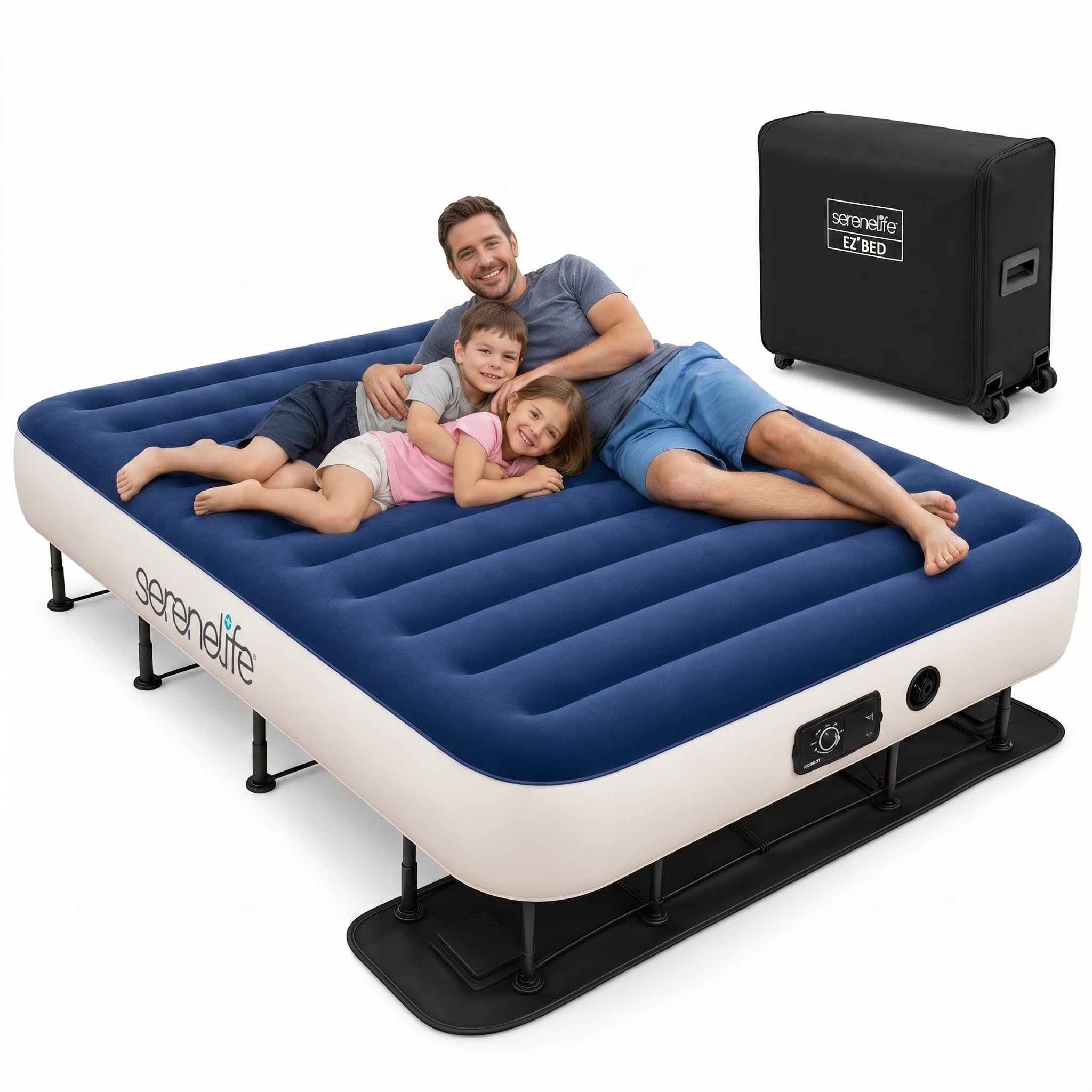
Framed and premium raised air beds combine an air chamber with a frame, foam layer or mattress topper style surface. Models like the SereneLife EZ Bed raise the air mattress onto a folding metal frame, so it looks and feels closer to a real bed and sits at chair height. Others add a soft flocked or plush top layer for extra comfort.
These beds suit frequent guests, longer stays and people who struggle getting up from low beds. The trade offs are price, weight and storage size, since frames and extra layers make them heavier and bulkier than standard air mattresses.
Some premium raised beds use a secondary pump that monitors pressure and tops up air during the night, such as Serta's Never Flat pump. This feature addresses the most common complaint about air beds: slowly losing firmness over several hours.
Rolling cases and carry bags make heavier framed beds easier to move between storage and the guest room, which is worth checking if you will set the bed up yourself.
Standard Raised Air Mattresses
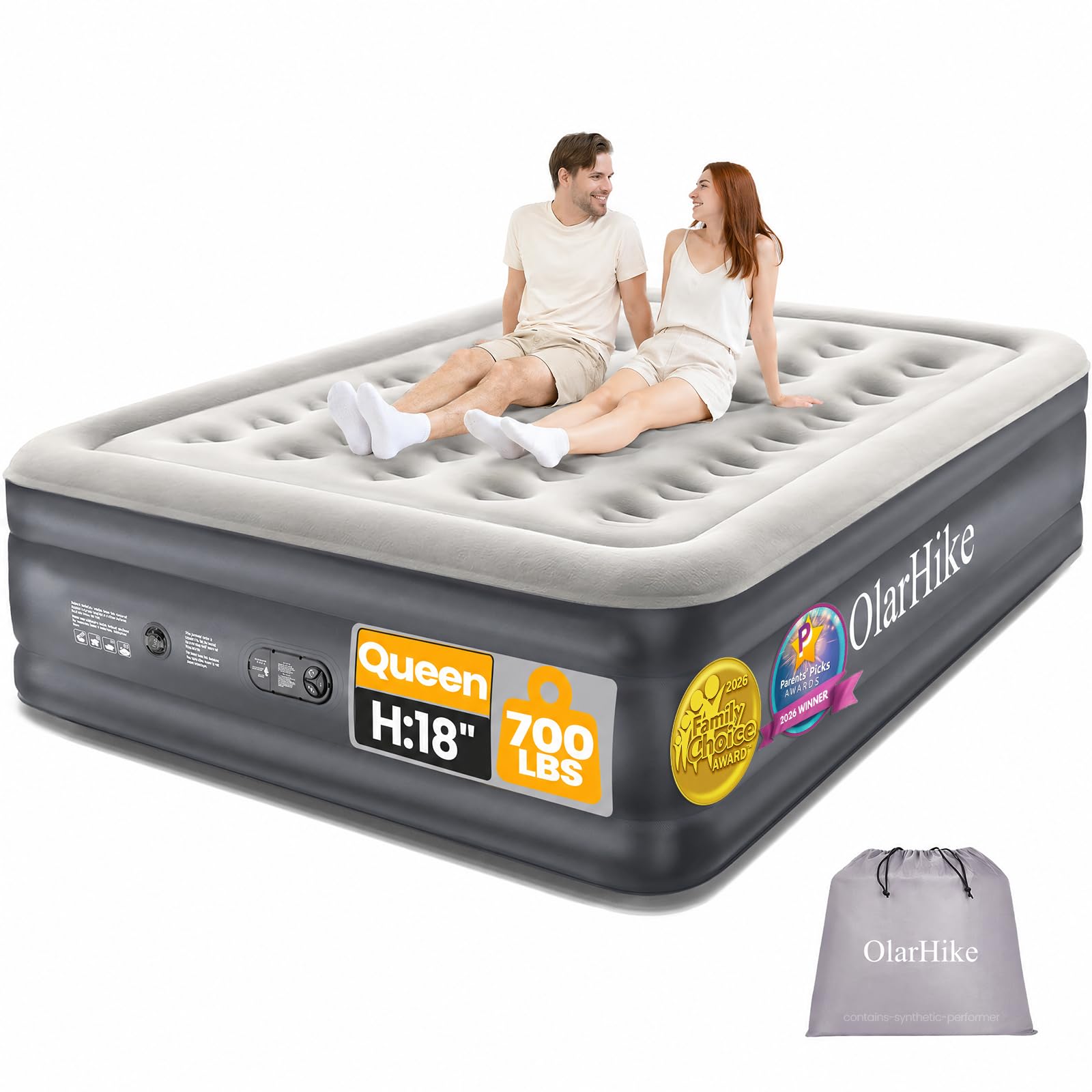
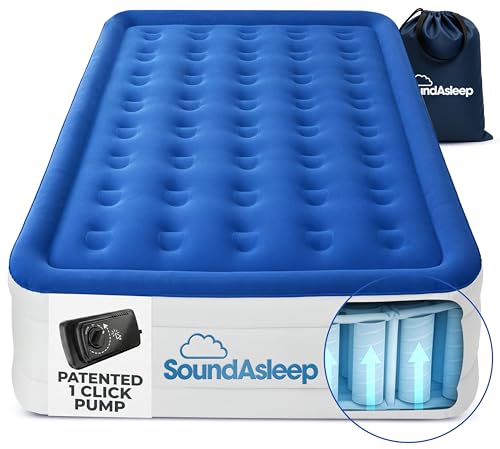
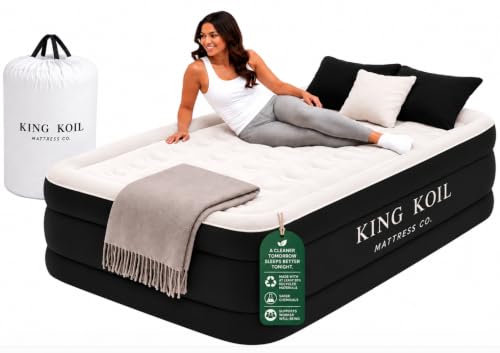
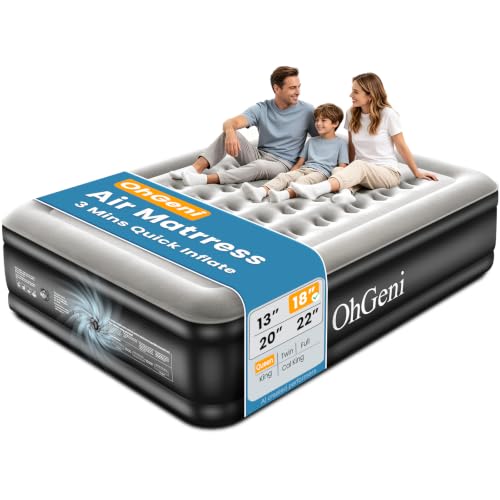
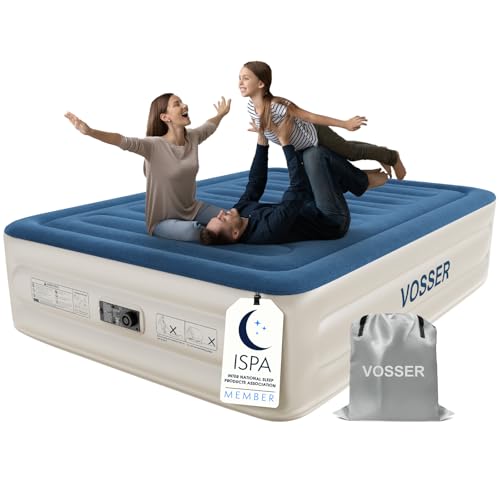
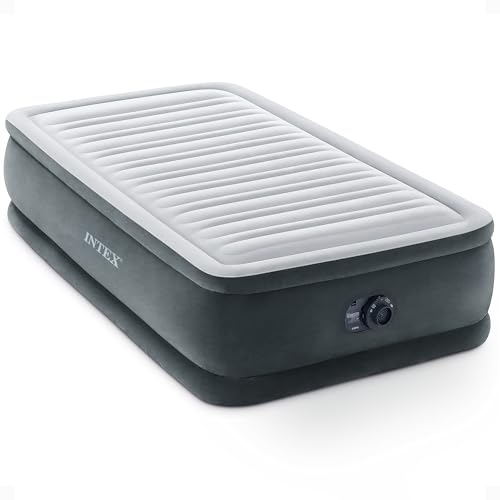
Standard double height air mattresses use internal coil or beam construction. Raised queen models from SoundAsleep, King Koil and Intex stand around 18 to 22 inches tall, with internal structures that help them hold a flat, even shape and resist the hammock effect.
Most include built in electric pumps that inflate the bed in a few minutes. These raised beds are the most popular choice for home guests, combining comfort, height and reasonable prices. Expect them to weigh more and take up more storage space than low camping mattresses.
Internal construction makes a big difference. Coil beam, honeycomb or I beam designs distribute air more evenly, so sleepers do not roll toward the middle or bounce when a partner moves.
Built in pumps usually run on household power, so make sure the guest room has an outlet near where the bed will go. A cord long enough to reach without an extension makes setup simpler and safer.
Low Profile and Camping Air Beds
Many people pair a low profile air mattress with a foam topper for camping or temporary use. Low single height air beds, around 8 to 10 inches, are lighter and pack smaller, making them ideal for car camping, kids' sleepovers and tight spaces.
Low air beds often use external or battery pumps, and some self inflating pads combine foam and air for backpacking. They are less comfortable for older adults, since getting up from floor level is harder, but they excel in portability.
Rechargeable or battery pumps free you from outlets at campsites, and many camping mattresses fold into compact bags that fit in a car trunk alongside tents and coolers. An insulated pad under the mattress keeps cold ground from chilling you at night.
Framed vs Standard Raised Air Beds: Which Should You Choose?
Choose a framed or premium raised bed if guests stay often or for long visits, if older relatives will use it, or if you want the most bed like experience. The extra cost buys height, stability and features like overnight pressure monitoring.
Choose a standard raised air mattress if you host occasionally, need something easy to store or want the best value. A quality raised queen with a built in pump and sturdy internal construction suits most households, and it inflates in minutes when guests arrive.
If camping or travel is your main use, a low profile air mattress or self inflating pad will serve you better than either, since raised beds are heavy and need an outlet for their built in pumps.
How to Choose the Right Air Bed
Once you know which type fits, compare these features. They decide whether an air bed stays firm, quiet and comfortable through the night and lasts for years of visits.
Price usually reflects these features. Budget air beds save money on materials and pumps, while premium models add thicker vinyl, overnight pressure pumps and longer warranties that pay off if guests stay often.
Motion Isolation and Noise
Air beds transfer motion more than regular mattresses, so a restless partner can wake you. Internal beam or coil construction reduces bounce and keeps the surface steadier. Firmer inflation also limits motion, though it may feel less cushioned.
Noise comes from vinyl surfaces squeaking and from built in pumps. Flocked tops reduce squeaks and keep sheets from sliding. Pumps are loud for a few minutes during inflation, but secondary pressure pumps that run overnight should be quiet enough not to disturb sleep.
For couples, a model with individual air zones or a firmer surface reduces disturbance when one person shifts. Placing the bed on a rug instead of a bare hard floor also cuts down on squeaks and slipping.
Material and Fill
Most air beds use PVC or reinforced vinyl, with thicker materials resisting punctures better. Some brands use fiber reinforced construction or puncture resistant layers to improve durability. A flocked or suede like top adds comfort and helps bedding stay in place.
The fill is simply air, so firmness depends on how much you pump in. Built in pumps make adjustment easy; many have dial controls to set firmness. Remember that air cools at night, which slightly lowers pressure, so top up before bed if you inflated it earlier in a warm room.
Check the valve design too. Large, recessed valves and pumps with a deflate setting make packing up faster, while cheap valves can leak slowly and cause overnight sagging.
Cooling and Breathability
Air beds can sleep warm because vinyl does not breathe. Using cotton sheets, a mattress pad or a breathable topper helps. Some sleepers feel cool instead, especially in cold rooms or garages, since air inside the mattress takes on the room temperature.
In cold weather, add a thick blanket or foam pad under your sheets for insulation. In warm weather, choose breathable cotton or bamboo sheets and avoid placing the bed in direct sun, which can also stress the material.
A thin foam or fiberfill mattress topper adds both insulation and comfort, turning a basic air bed into something closer to a guest mattress. Choose a topper sized to the bed and secure it under a deep pocket fitted sheet so it does not slide.
Durability and Care
Durability depends on material thickness, seam quality and how you use the bed. Clear the floor of sharp objects before inflating, avoid jumping or sitting on the edges and keep pets with claws off the surface. Overinflating stresses seams, so follow the maker's firmness guidance.
Most air beds include a patch kit for small punctures. Warranty terms vary from 90 days to one year or more. Brands that offer longer warranties often use thicker materials and stronger seams.
Pets deserve special mention. Even gentle cats and dogs can puncture vinyl with their claws, so close the guest room door or cover the bed with a thick blanket if pets are around.
Certifications and Safety Listings
CertiPUR US applies to foam, so it matters for foam toppers or hybrid beds with foam layers rather than standard air mattresses. OEKO TEX certification may apply to fabric tops or included bedding. RDS, the Responsible Down Standard, applies to down comforters, not air beds.
For air beds, look instead for phthalate free materials if that matters to you, and check safety listings for built in electric pumps, such as UL or ETL marks on the pump or power cord.
New air beds sometimes have a plastic smell when first unpacked. Inflating the bed in a ventilated room for a day before use usually lets the odor fade.
Tips to Get the Most From Your Air Bed
Inflate a new air bed fully and leave it for a day before guests arrive; vinyl stretches during the first uses, so you may need to add air the next night. Place it on a smooth, clean surface or a rug, away from sharp furniture edges.
Use a fitted sheet and a mattress pad for comfort and to protect the surface. When storing, deflate completely, fold loosely along the original creases and keep it in its bag in a cool, dry place. Avoid storing in hot attics or freezing garages, which can make vinyl brittle.
Keep the patch kit with the bed and find small leaks by listening near the surface or wiping soapy water over suspected spots, which bubbles where air escapes. Patch on a clean, dry surface and give the adhesive time to cure before reinflating fully.
FAQs
These quick answers cover the questions people ask most when choosing and using the best air beds for guests and travel.
How often should I replace my air bed?
Replace an air bed when it loses air every night despite patching, develops seam leaks or the internal structure fails, creating bulges. With occasional use and good care, quality air beds often last several years. Frequent nightly use shortens lifespan, so consider a regular mattress or futon for permanent sleeping.
If you find yourself inflating it nightly for months, it may be time to invest in a folding guest bed or futon, which handles daily use better.
Is a higher thread count always better?
For the sheets you put on an air bed, a higher thread count is not always better. A soft, breathable cotton or bamboo sheet with a deep pocket fitted sheet matters more. Choose sheets sized for the air bed's height, since raised air mattresses can be 18 to 22 inches tall and need extra deep pockets.
Keep a dedicated set of sheets with the air bed so everything is ready when guests arrive.
What firmness is best for back pain?
Many people with back pain prefer a medium firm feel that keeps the spine aligned without sagging. With an air bed, you can adjust firmness by adding or releasing air. Avoid underinflating, which lets hips sink. If you have ongoing back pain, ask your doctor about suitable sleep surfaces for longer stays.
Adding a supportive topper and inflating to a firm setting often helps guests with sensitive backs sleep better for a few nights.
Are cooling air beds worth it for hot sleepers?
Few air beds have special cooling features, so hot sleepers usually get better results from breathable bedding. Use cotton or bamboo sheets, a breathable mattress pad and good room ventilation. A flocked top feels warmer than smooth vinyl, so add a thin cooling pad if you tend to overheat.
A small fan near the bed also helps on warm nights.
How do I wash air beds safely?
You cannot machine wash an air bed. Wipe the surface with a damp cloth and mild soap, rinse with a clean damp cloth and let it dry completely before deflating and storing. Avoid harsh chemicals, which can damage vinyl. Wash sheets and mattress pads separately according to their care labels.
If someone spills on the surface, blot it right away and dry the area before folding, since trapped moisture can lead to mildew during storage.
The Bottom Line
The best air beds match how often you host and who will sleep on them. Framed or premium raised beds suit frequent guests and older relatives, standard raised air mattresses with built in pumps offer the best value for most homes, and low profile models suit camping and kids. Look for strong internal construction, a reliable pump, thick materials and easy firmness control.
For related guides, see our pages on the best raised air beds and the best bed sheets, plus our best sleeper sofas for permanent guest rooms and the best mattress under 300 for long term sleeping. Then compare current prices in the product table above.


