Best Big Soft Blankets: Which One Fits the Way You Use It in 2026?
Disclosure: We may earn a commission when you buy through links on this page, at no extra cost to you. As an Amazon Associate I earn from qualifying purchases. Learn more

Best big soft blankets for bed and sofa: compare size, fabric, warmth and care to choose one that stays soft.
A blanket that feels perfect on a sofa can feel hot and heavy on a bed, and a thin summer layer will not comfort anyone on a cold night. The best big soft blankets for your home depend on where you will use them, how warm you sleep, and how much washing they will face. This guide sorts the choice by user first, so softness never comes at the cost of practicality.
The product table lists current options with sizes and materials in one view. Match your main use to a profile here first, then check the details in the table before you buy.


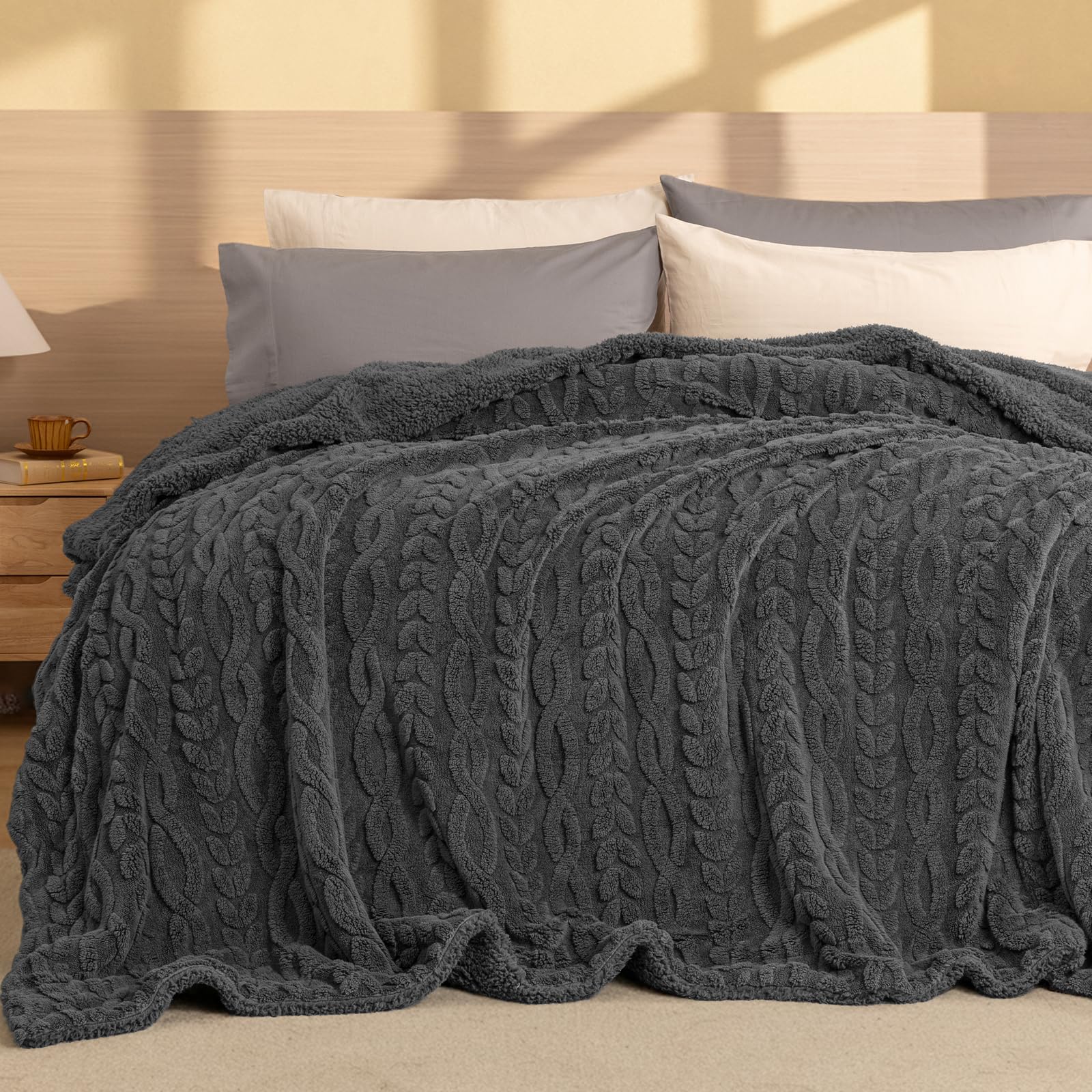

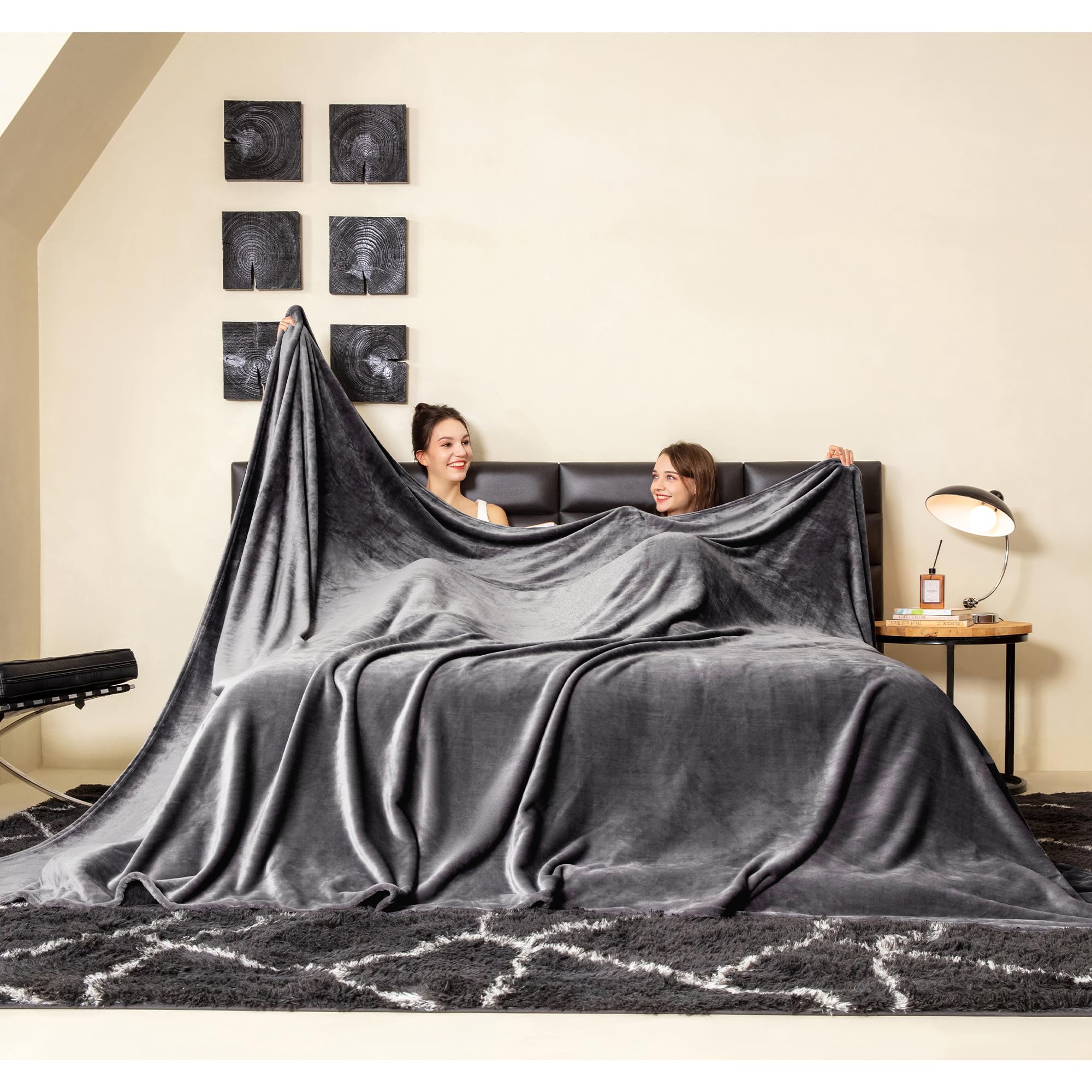
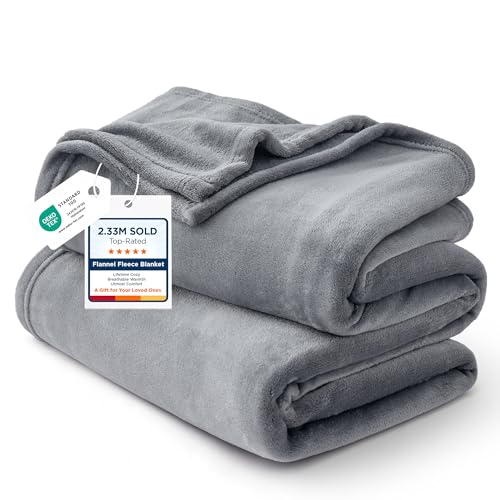
Who Should Buy Which Big Soft Blankets?
For Gift Shoppers
A big soft blanket makes an easy and welcome gift when you choose a versatile size and a calm color. Look for a throw large enough to cover legs and shoulders on a sofa, in a fabric that washes well and does not need special care. Neutral shades suit most homes, and a simple folded or rolled presentation looks generous without extra packaging.
Check the return policy before you buy, because texture is personal and the recipient may prefer a lighter or heavier feel. Avoid strong scents, novelty prints for adults you do not know well, and fabrics that shed heavily. A gift blanket should be soft on first touch and still look tidy after many washes.
For First Time Buyers
If you are buying your first oversized blanket, start with a mid weight option in cotton, fleece, or a soft synthetic blend. These fabrics are forgiving to wash, dry reasonably fast, and feel pleasant across seasons with a sheet or duvet doing part of the work. Choose a size that extends past the edges of your bed or wraps two people on a couch.
Keep it simple. Fancy weaves and delicate fibers can wait until you know your washing routine and warmth preference. A practical first blanket that you actually use every day teaches you more than a luxurious one saved for guests. Note whether it feels too warm after a week, and adjust your next purchase from there.
For Value Seekers
Value seekers should look for generous size, even stitching, and a fabric that resists pilling at a fair price, often about $25 to $60 for large throws and bed blankets. Synthetic fleece and microfiber usually deliver the most softness per dollar and tolerate frequent washing. Cotton blends cost a little more but breathe better for year round use.
The trade off at low prices is longevity of the soft finish, since some coatings feel plush in the store and thin out after repeated laundry. Read the care label and prefer blankets that allow normal machine washing and drying. A slightly plainer blanket from a sound fabric often outlasts a fancier one built for looks.
For People Who Want the Best Performance
If softness and durability both matter and the blanket will be used daily, premium natural fibers and careful weaving pay off. Long staple cotton, quality wool blends, and well made down alternative fills can feel softer for longer and regulate temperature better than basic fleece. Expect about $80 to $200 for large sizes in this tier.
Performance also means the blanket keeps its loft and edge finish after washing and does not shed onto clothes or sheets. Look for clear fiber content, bound or double stitched edges, and a warranty or generous return window. For a main bed blanket in a cold home, that consistency through winter is worth paying for.
Key Features to Compare
Measuring for Size and Portability
Measure your bed or sofa before choosing, because blanket size names vary between brands. For a bed, a good big blanket should drape over both sides by about 10 to 16 inches so it stays in place when you turn. For a sofa, look for enough length to cover your feet and tuck under your chin at the same time.
Weight matters for laundry and storage as much as for warmth. A very large thick blanket may exceed a small home washing machine, which adds dry cleaning trips you did not plan for. Check the folded size too if your storage is tight. Practical tip: measure your machine drum or ask the maker for the dry weight before buying the largest size.
Material and Fill
Material decides softness, warmth, and breathability together. Cotton feels smooth and breathes well, fleece and microfiber feel plush and warm at low cost, and wool regulates temperature and resists odors but can feel less soft to sensitive skin. Linen blends suit warm sleepers in summer, while down and down alternative layers add loft for cold rooms.
Thread count applies to woven cotton sheets and some cotton blankets, but it does not describe fleece or knit softness at all. For knits and fleece, judge the fiber and finish instead, and feel a sample or rely on a solid return policy. If allergies matter, choose a washable synthetic fill that can be laundered hot enough to stay fresh, and check care limits.
Weight, Warmth, and Pressure Comfort
The weight of a blanket shapes how it feels on your body. Light layers suit warm rooms and people who move a lot in sleep, while heavier blankets give a settled, tucked in feeling that some sleepers find calming. Even weight distribution matters, because a blanket that pools in the middle and slips off the edges will annoy you nightly.
Be honest about temperature first, since warmth is the main job. A heavy blanket in a warm bedroom will be kicked off by midnight no matter how soft it is. If you share a bed with a partner who sleeps at a different temperature, two smaller blankets can work better than one huge shared layer.
Durability and Care
Durability shows in the edges, the stitching, and how the fabric survives washing. Bound edges and tight weaves resist fraying, and colorfast fabric keeps the blanket looking even after many cycles. Read care labels before buying, since a blanket that needs delicate handling will suffer in a busy household with weekly laundry.
Some makers offer a sleep trial or a simple return window, which helps because softness is hard to judge from photos. Use it properly by sleeping with the blanket for several nights, not just touching it once. Wash it once during the trial if the terms allow, because some fabrics change after the first wash. Our guide to the best soft blankets covers fabric feel in more depth.
Common Mistakes to Avoid When Buying Big Soft Blankets
- Judging softness only by the store display, which may use lighting and folding to flatter the fabric.
- Buying the largest size without checking washing machine capacity.
- Choosing maximum warmth for a warm bedroom or a hot sleeper.
- Ignoring the care label and shrinking or pilling a delicate fabric.
- Skipping the return terms on a purchase you cannot feel in person.
Most blanket regret comes from size and warmth, not from color. Solve those two with measurements and an honest look at your room temperature, and the rest is taste. If you mainly need couch coverage, compare the best soft throw blankets as well.
Tips to Get the Most From Your Big Soft Blanket
Wash a new blanket before first use to remove loose fibers and factory finish, following the label temperature. Use a gentle cycle for delicate weaves and avoid heavy fabric softener loads, which can coat fibers and reduce softness and absorbency over time. Dry on low heat or line dry when the label allows, because high heat can damage synthetic plush.
Store clean blankets folded loosely in a breathable bag rather than sealed plastic, so fibers keep their loft and no stale smell builds up. Keep a lighter layer at the foot of the bed for guests who run warm. Bed focused shoppers may also want our guide to the best soft blankets for beds.
FAQs
How do I wash big soft blankets safely?
Wash big soft blankets on a gentle cycle with cool or warm water, mild detergent, and plenty of room in the drum. If the blanket fills the machine completely, use a larger machine at a laundromat to protect both the fabric and the washer. Dry on low heat and remove it while slightly damp for the softest finish. Always follow the care label when it differs.
Is a higher thread count always better?
No, a higher thread count is not always better, and it only applies to woven cotton fabrics. Beyond a moderate range, extra threads can make fabric feel dense and warm rather than softer, and some counts are inflated by marketing methods. For fleece, knits, and microfiber, thread count means nothing at all. Judge softness by fiber type, weave, and how the fabric feels after washing.
How often should I replace my big soft blanket?
Replace a big soft blanket when it stays thin, rough, or uneven after washing, or when edges fray and seams open. With regular use that is often after about three to five years for synthetic fleece and longer for quality cotton or wool. A blanket that still feels even and clean has no fixed expiry. Donate worn but clean blankets to animal shelters, where they remain useful.
What blanket weight is best if I have back pain?
A blanket alone cannot treat back pain, so choose weight for comfort rather than therapy. Most people with a sore back sleep best with a light to medium blanket that does not press on raised knees or feet or drag the covers out of place. If back pain lasts more than a few weeks, or comes with numbness or weakness, talk with your clinician about personal needs instead of changing bedding alone.
Are cooling big soft blankets worth it for hot sleepers?
Cooling blankets can be worth it for hot sleepers if they use breathable natural fibers or moisture moving weaves rather than a surface treatment that fades. Cotton, linen blends, and light open knits usually help more than thick plush fleece. Pair the blanket with breathable sheets and a cooler room for the best effect. If night sweats are new or severe, mention them to your doctor.
Our Verdict
Get the size right, match warmth to your room and body, and choose a fabric you can wash without worry. The product table above brings those details together for your shortlist. Chosen with those basics in mind, the best big soft blankets stay soft through real life, from film nights on the couch to cold mornings in bed. For more size ideas, see our guide to the best big blankets.