
Best Bed Pads Made Simple: A Clear Buying Guide
Disclosure: We may earn a commission when you buy through links on this page, at no extra cost to you. As an Amazon Associate I earn from qualifying purchases. Learn more

A first buyer guide to the best bed pads: mattress pads, waterproof protectors and washable underpads explained.
Bed pads protect your mattress and can make your bed noticeably more comfortable. The term covers a few different products: quilted mattress pads that add a soft layer, waterproof mattress protectors that block spills and accidents and washable underpads that sit on top of the sheet for incontinence, kids or pets. If you are shopping for the first time, it helps to know which type you need. This beginner guide to the best bed pads explains the basics in plain English, so your first purchase protects your mattress and suits the way you sleep.
We cover the main types, key specs, rookie mistakes, setup and care tips and answers to common questions. The table above lists pads from EASELAND, Utopia Bedding, BEDLORE, SOLOSHINE, Naturepedic and others, all sold new on Amazon US. If you manage incontinence or skin sensitivity, ask your doctor or a nurse for advice on products and skin care.



Bed Pads 101: The Basics
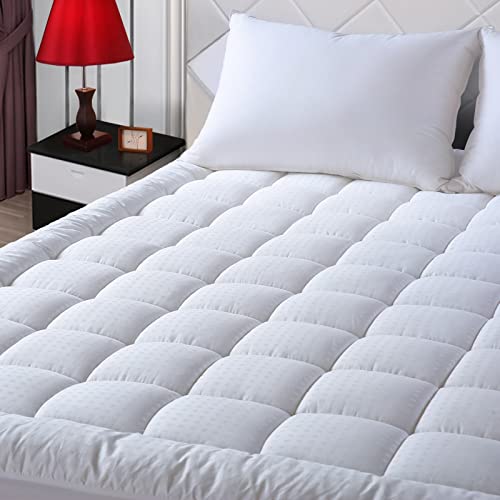
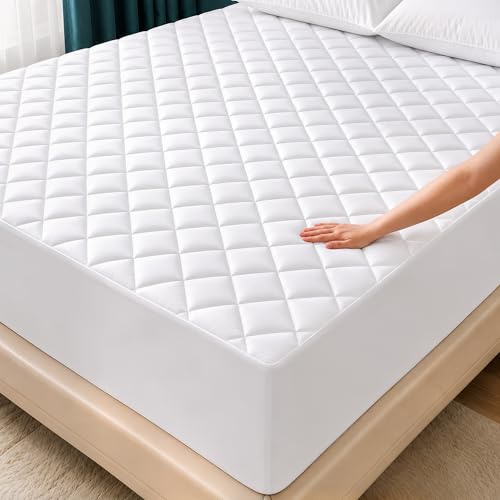
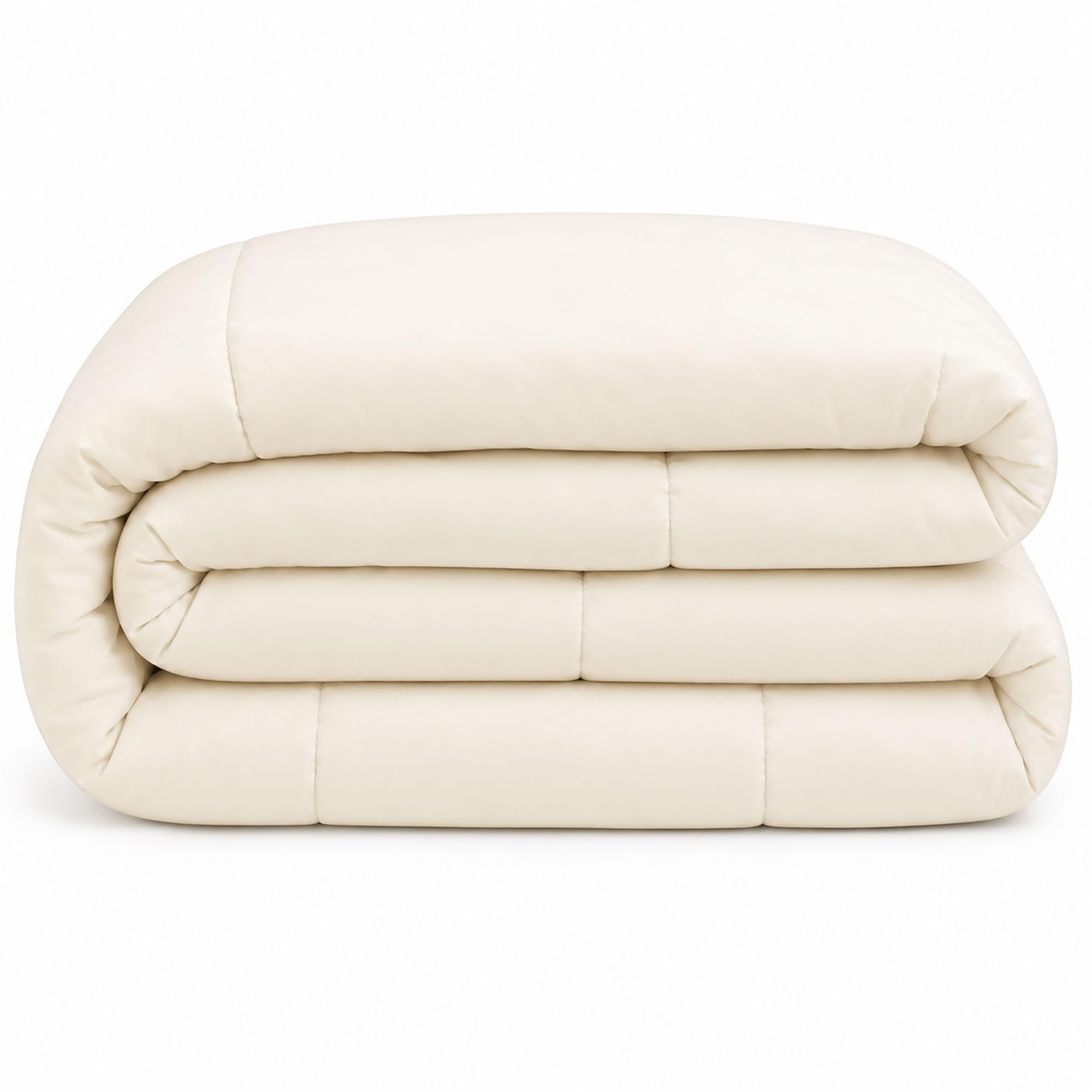
A mattress pad is a quilted layer that fits over your mattress like a fitted sheet, adding softness and protecting against everyday wear, sweat and dust. Many, like the EASELAND pillow top pad and Utopia Bedding quilted pad, use down alternative fill under a cotton or microfiber top.
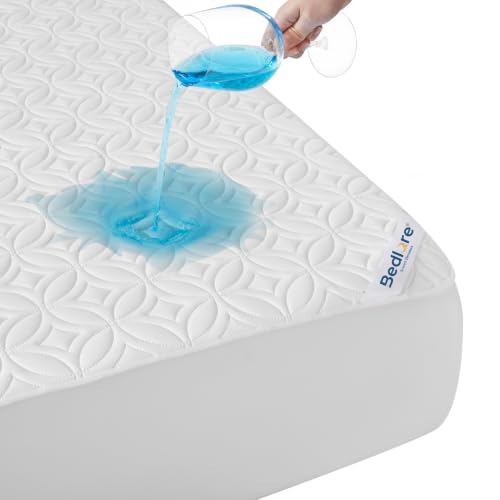
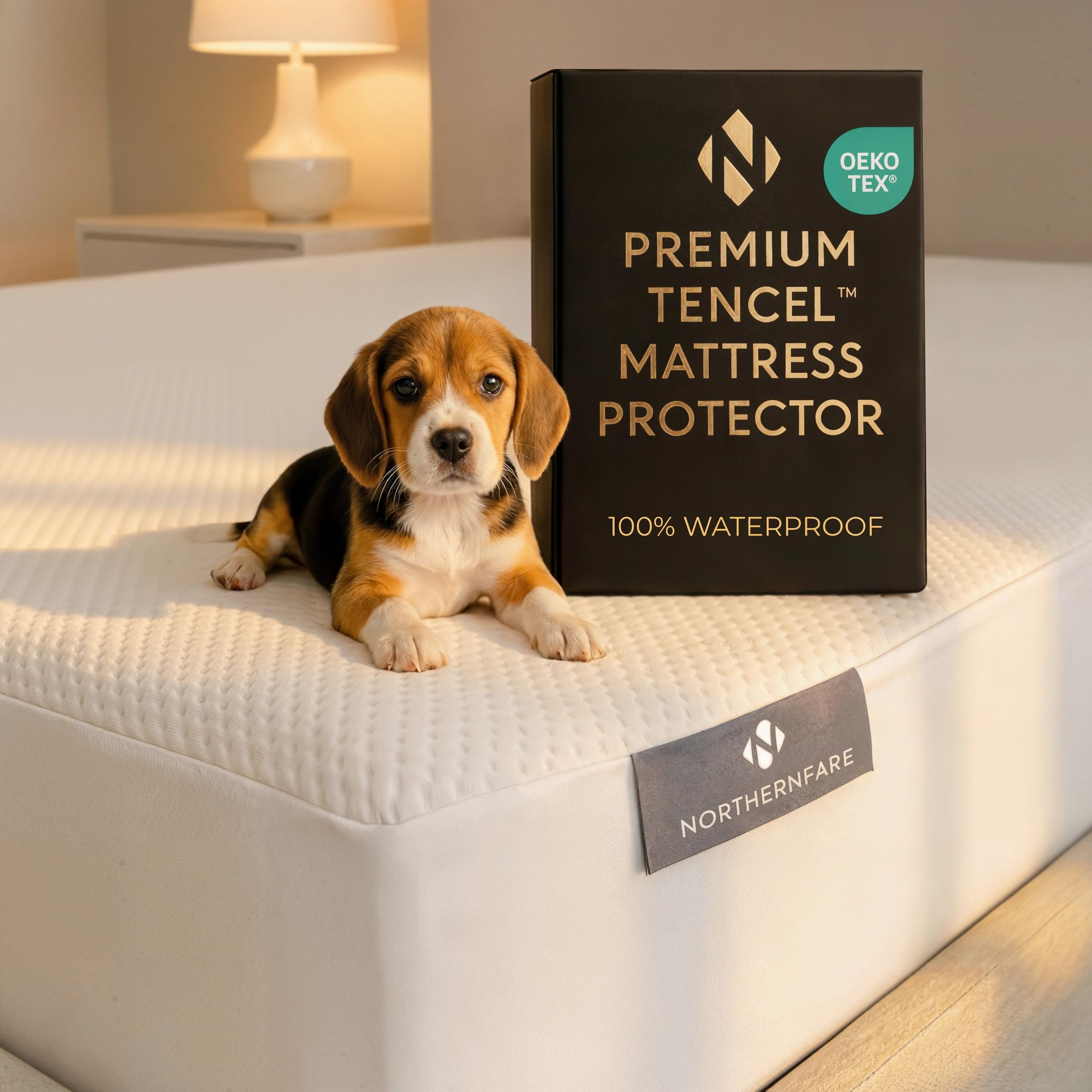
A mattress protector focuses on protection. Waterproof protectors, like the BEDLORE quilted protector with a TPU layer, block liquids from soaking into the mattress, which protects warranties and keeps mattresses fresh. Some combine padding and waterproofing, like the SafeRest CloudGuard and Beckham hybrid pads.
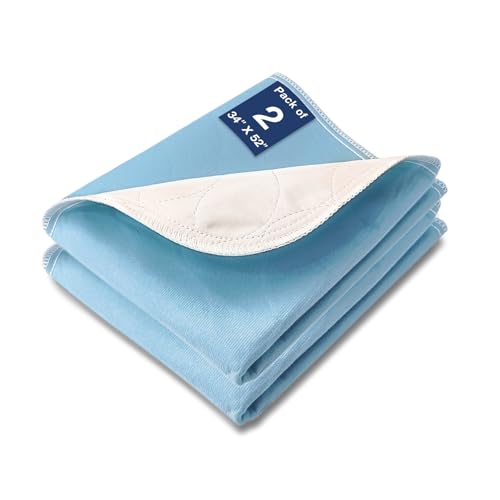
Washable underpads, sometimes called incontinence bed pads, are flat absorbent pads placed on top of the fitted sheet under the sleeper. The SOLOSHINE pads measure 52 by 34 inches and use four layers, including an absorbent core, waterproof layer and slip resistant backing.
Many households use more than one: a waterproof protector on the mattress, a fitted sheet and an underpad on top when extra protection is needed.
Choosing the best bed pads starts with the problem you want to solve: a too firm mattress, spills and accidents, sweat and allergens, or all of these. Once you know the job, the right product becomes clear.
Fitted styles stay on the mattress like a sheet, while strap styles use elastic bands at the corners. Fitted styles stay put better, especially on deep mattresses.
Mattress pads typically cost around $20 to $40, protectors around $25 to $150 for hybrid padded designs and washable underpads around $25 for a two pack.
Key Specs Explained in Plain English
Material and fill, noise, durability and care, breathability, comfort and fit and certifications matter most. Here is what each spec means and what to choose.
Think about who sleeps in the bed and what you need to protect against before comparing specs, since a child's bed, a guest bed and your own bed may need different products.
Material and Fill
Mattress pads use cotton or microfiber tops with down alternative, wool or foam fill. EASELAND uses a 300 thread count cotton surface with down alternative fill, while wool pads, like the OrganicTextiles Australian wool pad with organic cotton cover, manage moisture and temperature naturally.
Protectors use a waterproof membrane, usually TPU, under a soft top. Underpads use absorbent layers, sometimes with polymer resin, over a waterproof backing.
Recommendation: choose cotton topped pads for comfort, wool for temperature control and TPU protectors for liquid protection.
Down alternative fills add softness without allergens and wash easily. Wool fills are naturally temperature regulating and moisture wicking. Thin foam pads add a little more cushion but are closer to toppers than pads.
Bamboo viscose and Tencel tops feel smooth and cool, which suits hot sleepers who still want waterproof protection.
Microfiber tops are budget friendly, soft and quick drying, though less breathable than cotton.
Noise and Crinkle
Older waterproof protectors used vinyl that crinkled with every move. Modern TPU membranes, like BEDLORE's, are designed to be noiseless. Quilted protectors and pads also dampen sound.
Recommendation: if you are a light sleeper, choose protectors marketed as noiseless with TPU rather than vinyl.
Underpads with soft quilted tops make little noise, while disposable underpads often crinkle more. Reusable washable underpads, like SOLOSHINE, are usually quieter and cheaper over time.
Quiet protectors matter for couples, since one person's movement can wake the other on a crinkly surface.
If an older protector crinkles, a thin quilted pad on top can muffle the sound until you replace it.
Durability and Care
Most pads are machine washable. EASELAND recommends a gentle cycle and suggests tumble drying on low or sun drying to restore loft. BEDLORE recommends tumble drying on low with no bleach. SOLOSHINE says its underpads withstand at least two hundred reuses.
Recommendation: keep two of each so one can be on the bed while the other is in the wash.
Fasten any Velcro and close zippers before washing to protect other items, and wash waterproof pads separately from rough items like jeans to protect the membrane.
Air drying protectors on a rack is the gentlest option and helps waterproof membranes last longer.
Check care labels before using stain removers, which can weaken waterproof layers.
Cooling and Breathability
Waterproof layers can trap heat. Breathable TPU, cotton tops and wool help. Some protectors, like the Tencel covered king protector in the table, are marketed as cooling and breathable.
Recommendation: hot sleepers should choose breathable tops and avoid thick vinyl backings.
Wool and cotton pads also absorb sweat, which helps people who sleep hot but do not need full waterproofing.
Pairing a breathable protector with percale or linen sheets keeps the whole bed cooler.
Comfort and Fit
Fitted pads need deep pockets that match your mattress height. EASELAND's queen pad fits mattresses up to 21 inches deep, BEDLORE's protector fits up to 18 inches and Utopia's fits up to 16 inches. Measure your mattress, including any topper, before buying.
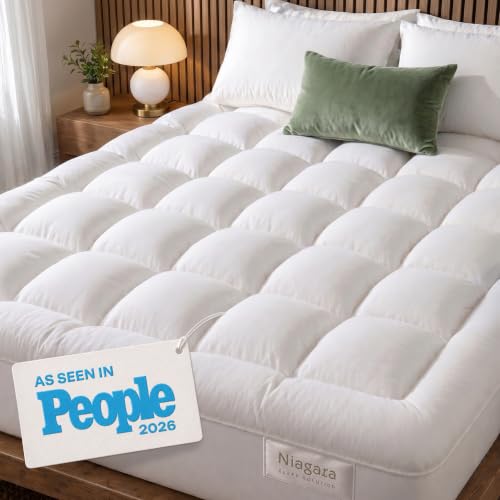
Pillow top pads add a soft layer to firm mattresses but do not fix sagging mattresses. For more support changes, consider a mattress topper.
If your mattress has a pillow top, measure from the bottom seam to the highest point of the top to get the true depth before choosing a pad.
Twin XL, full and split king beds need matching sizes; check the label carefully if you have adjustable or split bases.
Elastic all around the skirt holds pads more securely than corner straps, especially on beds where people sit on the edge often.
Certifications (CertiPUR US, OEKO TEX, RDS)
OEKO-TEX Standard 100 shows fabrics were screened for harmful substances. Organic options, like Naturepedic's organic waterproof protector pad, appeal to shoppers seeking organic materials. CertiPUR-US applies to foam pads.
Recommendation: look for named certifications if materials matter to you, especially for children's beds.
For crib mattresses, use only protectors designed for cribs that fit snugly, and never add soft padding on top of a crib mattress, following safe sleep guidance for infants.
People with latex or chemical sensitivities should check material lists for coatings and backings.
Rookie Mistakes to Avoid
- Buying the wrong type. A comfort pad does not stop spills; a protector does.
- Ignoring pocket depth. Pads that are too shallow pop off corners.
- Choosing crinkly vinyl. Noisy protectors disrupt sleep.
- Drying on high heat. Heat can damage waterproof layers.
- Owning only one. Accidents happen at night; keep a spare.
Finally, avoid placing heating pads or electric blankets directly on waterproof protectors unless both makers say it is safe, since heat can damage membranes.
Bed Pads for Kids, Seniors and Pets
For potty training children and seniors managing incontinence, a waterproof protector under the sheet plus a washable underpad on top makes nighttime changes faster: you swap the underpad instead of stripping the whole bed. SOLOSHINE's 52 by 34 inch pads are large enough for most adult beds and also work as pet pads on couches and crates. Naturepedic makes organic waterproof options, including a crib mattress pad, for families that prefer organic materials.
Choose pads with non slip backing for people who move a lot in bed, so the pad stays in place.
Getting Started: Setup and First Use
Wash new pads before first use if the label allows, and tumble dry low to fluff down alternative fill; EASELAND suggests 20 minutes on low heat or several hours of sun drying after unboxing. Fit the protector first, then the pad, then your fitted sheet. Place washable underpads on top of the sheet where needed.
Wash pads every one to two months and protectors every few weeks, or immediately after spills. Rotate mattresses every 3 to 6 months and wash sheets weekly in warm water.
Keep a spare set folded near the bed for quick changes at night, especially for children or caregivers.
If a pad smells of packaging when unboxed, airing it out for a few hours or washing it once usually removes the odor.
FAQs
What is the difference between a mattress pad and a protector?
A mattress pad adds comfort with a quilted layer, while a mattress protector focuses on blocking liquids, allergens and stains. Some hybrid products combine both. Many people use a protector for protection and a pad for comfort.
Mattress warranties often require a clean, stain free mattress, which makes a protector a smart purchase with any new mattress.
Encasement style protectors zip around the entire mattress and add protection against dust mites and bed bugs, which helps allergy sufferers.
Is a higher thread count always better?
No, a higher thread count is not always better for pad tops. A breathable cotton top around 300 thread count, like EASELAND's, feels soft and absorbs sweat. Fiber quality and breathability matter more than very high numbers.
For waterproof protectors, the top fabric's softness and breathability matter more than its thread count.
How often should I replace my bed pad?
Replace mattress pads every two to three years or when they flatten, pill or lose elasticity. Replace waterproof protectors if the membrane cracks or leaks. Washable underpads can last hundreds of washes, but replace them when absorbency drops.
Check waterproof protectors after washing by holding them up to light; thin spots or cracks mean it is time for a new one.
Pads that no longer stay smooth after washing, or that form lumps, are worth replacing for comfort.
How do I wash bed pads safely?
Wash on a gentle cycle in cool or warm water with mild detergent, avoid bleach and fabric softener, which reduce absorbency and damage waterproof layers, and tumble dry on low or line dry. Follow each label.
For heavily soiled pads, rinse in cold water first before washing, which helps prevent stains from setting.
Washable underpads can be laundered with hot water for hygiene if the label allows, but skip fabric softener so they stay absorbent.
Are cooling bed pads worth it for hot sleepers?
Yes, breathable or cooling pads can help hot sleepers, especially when replacing vinyl protectors that trap heat. Wool, cotton and Tencel tops breathe better. Pair them with breathable sheets for the best results.
Heated mattress pads, like Bedsure's, are the opposite option for people who sleep cold and want warmth on winter nights.
Results vary, so look for return policies when trying cooling products for the first time.
Our Verdict
The best bed pads match the job you need: comfort, protection or absorbency. EASELAND and Utopia Bedding pads add softness, BEDLORE's noiseless protector guards against spills and SOLOSHINE's washable underpads handle accidents for adults, kids and pets. Check pocket depth, noise and care instructions, and keep a spare on hand.
For more bedding guides, see the best bed sheets, the best duvet inserts, the best mattress toppers for back pain and the best disposable bed pads for incontinence. Then compare current prices in the product table above.
Most households benefit from a waterproof protector on every bed and a comfort pad where extra softness helps, with washable underpads on hand for children, seniors or pets.


