
Best Beach Chairs by Budget for 2026
Disclosure: We may earn a commission when you buy through links on this page, at no extra cost to you. As an Amazon Associate I earn from qualifying purchases. Learn more

Best beach chairs sorted by budget, with what each price tier buys in frame, fabric, recline range, and seat height.
Beach chairs sell at almost every price from under twenty dollars to well over two hundred, and the listings rarely explain what the extra money actually changes. The honest answer is that price mostly buys frame material, fabric strength, recline range, and seat size, in that order. This guide walks through the best beach chairs at each budget level so you can see which upgrades matter for the way you use the beach and which ones you can safely skip. The product table lines the main picks up side by side.
Start with how often you go and how far you carry your gear. A chair used twice a summer on a short walk from the car can be a simple one, while a chair carried half a mile every weekend earns its keep with lighter materials and stronger joints. Match the budget band to that routine first, then check the details in the product table as you narrow the choice down.
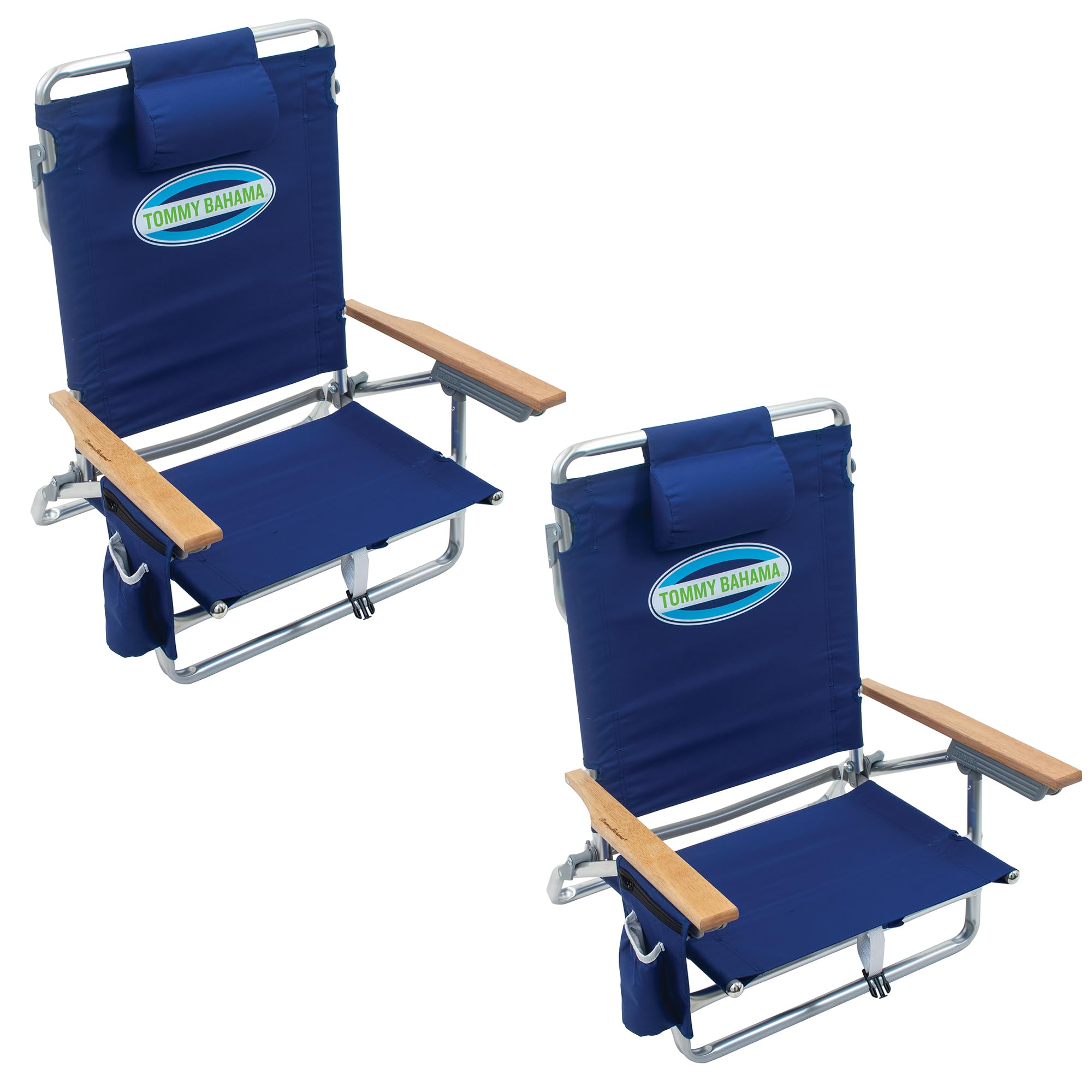


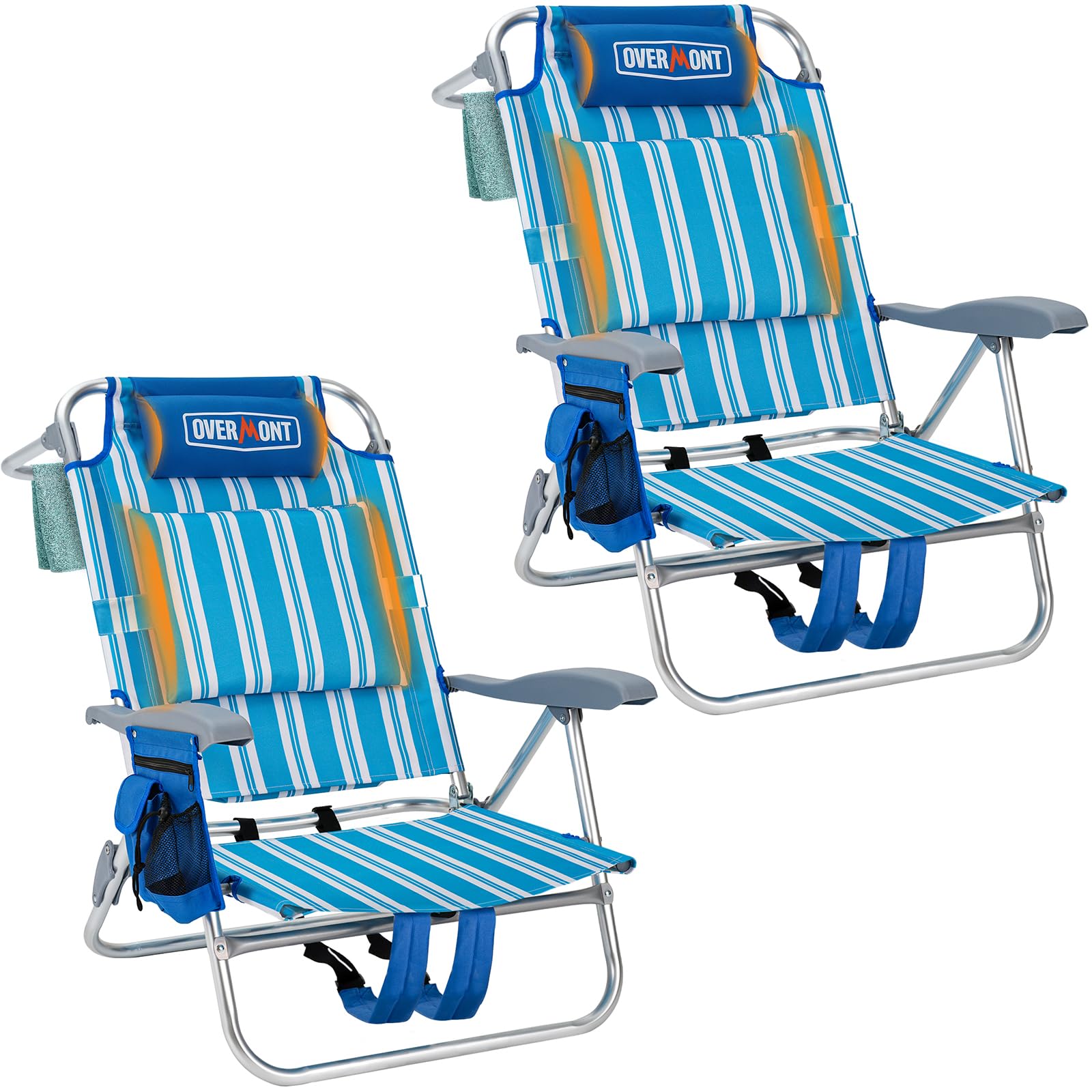
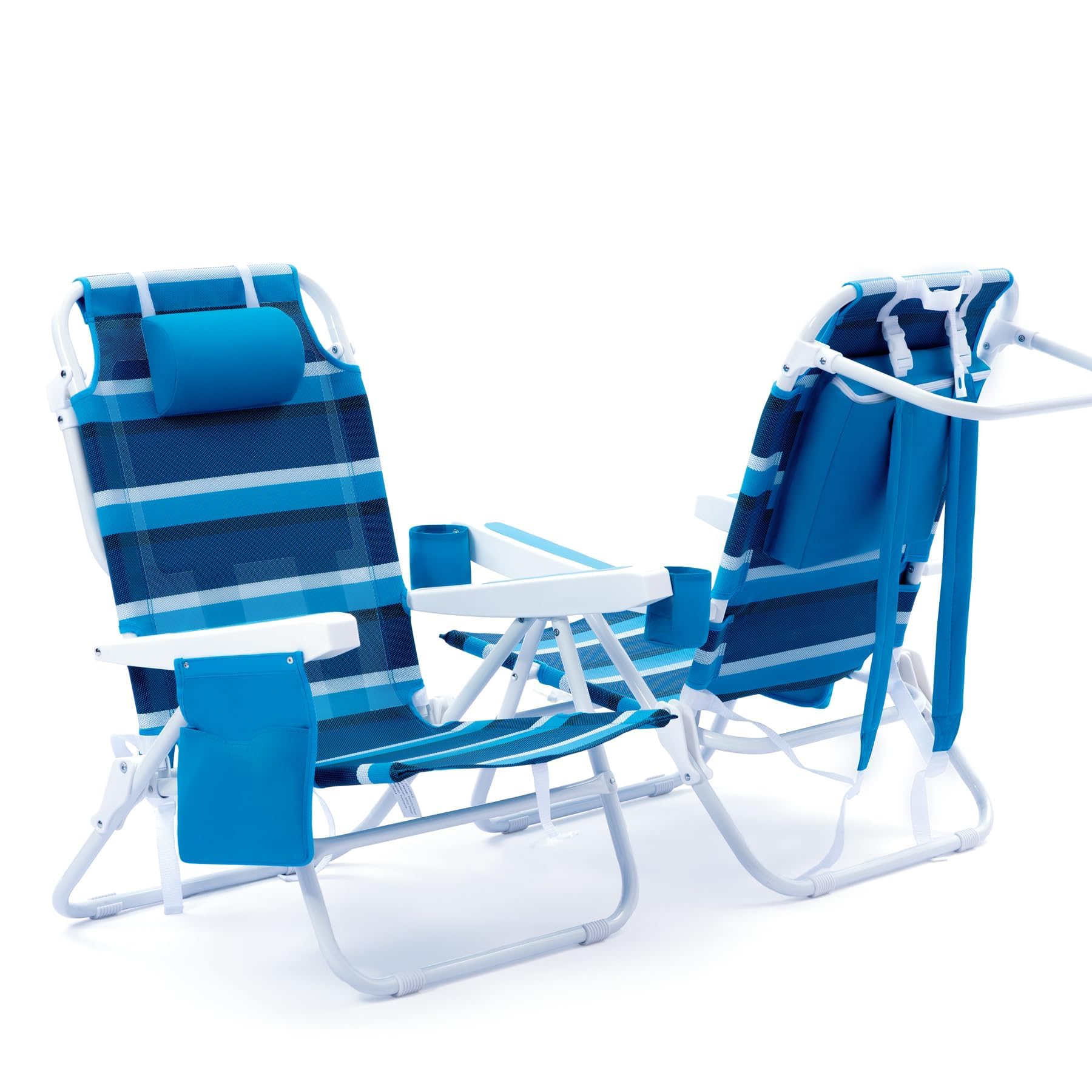


What Each Budget Band Buys You in the Best Beach Chairs
Price bands for beach chairs are not official categories, but the pattern across brands is consistent enough to shop by. Each step up buys visible changes in the frame and fabric rather than vague quality claims. Read the bands below as a map of trade offs, because a higher price only helps if it buys the specific thing your routine needs.
Under About $40: The Borrow and Go Band
Chairs under about $40 are built around painted steel tube frames and thin polyester fabric, usually with one upright sitting position or a single recline stop. Rated weight capacity in this band is commonly about 225 to 250 pounds, and the seat tends to sit low and narrow.
These chairs make sense for occasional trips, guests, and households that store chairs in a damp garage where an early rust spot is not a tragedy. Expect the fabric to fade and the frame joints to loosen after a few seasons of salt air. If you sit for hours at a time or read in the chair all afternoon, this band will feel like the compromise it is.
About $40 to $90: The Season Regular Band
Between about $40 and $90 the frame usually changes to aluminum, which cuts carry weight and resists rust far better than painted steel. Fabric gets thicker, mesh back panels start to appear for airflow and faster drying, and most chairs in this band offer four or five recline positions including a flat lay back setting. Rated capacity commonly rises to about 300 pounds, seats widen a little, and padded headrests and cup holders become normal rather than rare. For most people who go to the beach a dozen or more times a season, this is the band where a chair starts lasting five seasons or longer instead of two.
The trade off is a longer folded package and a little more weight than the lightest basic frames. The recline hardware also improves here, with locking rails that hold a setting instead of notched arms that can slip when you shift. If your beach days run long and your walk is short, this band is usually the smartest single purchase in the category.
About $90 and Up: The Long Haul Band
Above about $90 you pay for size, strength, and carry comfort rather than a different kind of chair. Frames are thicker aluminum or stainless steel hardware, fabrics are heavier weaves that shrug off abrasion from sand, and wide seats with capacities rated up to about 400 pounds on some frames become available. Backpack straps, padded shoulder carry, and folding designs that stand flat for storage are common at this level.
This band suits tall and larger sitters, anyone who walks a long way to their spot, and buyers who would rather replace a chair once a decade than every few summers. It does not buy immunity from sun, heat, or tip overs in soft sand, and it is wasted money for a chair that lives at a beach house two streets away.
Features Worth Paying For, and Ones to Skip
Within any band, a few features genuinely change how a chair feels and how long it lasts, while others mostly decorate the listing. Use the notes below to decide where your money goes inside the band you picked. None of these features rescues a chair from the wrong budget band, so settle the band first and treat this section as fine tuning rather than a second decision.
Frame Material Decides Rust and Carry Weight
Steel is strong and cheap, but at the beach its painted coating chips at the joints and rust starts exactly where the frame folds. Aluminum costs more and carries noticeably lighter, and it forms a surface layer that slows corrosion instead of flaking through. For anyone who walks more than a few hundred yards or stores chairs near the coast, aluminum is the upgrade that pays back every single trip. Stainless steel hardware at the bolts and rivets is a smaller but real plus, since those small parts are where cheap chairs fail first.
Fabric Weight and Mesh Panels Decide Drying Time
Fabric thickness is often listed as a denier number, and higher numbers generally mean a tougher weave that resists tearing at the seams. Solid fabric holds heat against your back on still days, while a mesh back panel lets air move and lets a wet chair drip dry in a fraction of the time. Mesh gives up a little support, so readers who sit upright to read often prefer solid fabric with a separate mesh strip low on the back. Whichever you choose, fabric color matters more than most listings admit: dark fabric can grow uncomfortably hot in direct sun by late morning.
Recline Positions and Back Support
A single position chair is fine for an hour of sitting, but anyone who naps, reads, or suns through an afternoon wants at least four recline stops and a flat or near flat setting. Check how the recline lock works, because simple notch systems can slip a position when you shift your weight, while positive locking rails hold their setting. A padded headrest that doubles as lower back support when the chair is upright is worth more than decorative padding anywhere else. Armrests matter too: wide flat armrests help you push yourself up, and that help grows more valuable the lower the seat sits.
Seat Height, Seat Width, and Weight Capacity
Seat height is the comfort number most buyers ignore and most regret. Low sling chairs that sit about 8 to 10 inches off the sand feel relaxed for an hour and then make standing up a real effort, which is a genuine problem for older sitters and anyone with sore knees. Standard heights around 12 to 17 inches are far easier to leave, and our guide to the best beach chairs for adults explains adult sizing in more detail.
Treat the printed weight capacity as a maker rating based on evenly spread loading, not as a promise: sitting down hard, leaning on one armrest, or a child climbing onto a lap all load the frame unevenly. Choosing a chair rated well above your weight buys margin for exactly those moments.
Carry Style and Packed Size
How a chair travels matters as much as how it sits. Backpack straps free both hands for a cooler and a bag, and they turn a long walk across soft sand from a chore into a non issue. Simple shoulder straps are adequate for short carries, while a chair with no carry system at all only makes sense for car camping style beach days.
Check the folded length against your trunk or storage closet before buying, because the widest premium chairs can fold surprisingly long. Packed weight also climbs fast in this category, so a household carrying four chairs should weigh the total, not just one chair.
Warranty and Return Policy
Frame warranties in this category are usually short, often one season to a few years, and they typically cover broken joints and failed recline locks rather than rust or faded fabric. A generous return window matters more in practice, because the two most common disappointments, a seat that sits lower than expected and a recline lock that slips, only show up in real use. Buy from a seller whose returns you can actually complete without paying return shipping on a bulky item. Keep the receipt and the box until you have sat in the chair on real sand at least once.
Honest Limits No Price Tag Removes
A beach chair of any price is a seat, not a shelter. It provides no meaningful sun protection, so shade from an umbrella or canopy and sunscreen on exposed skin remain separate decisions you still have to make. Dark fabrics heat up quickly at midday, and metal armrests left in direct sun can get hot enough to be unpleasant to touch, which is worth remembering with small children.
Stability also has limits that money only partly fixes. Narrow chair feet sink and tilt in soft dry sand, so wider feet or a spot on firmer packed sand near the water line helps more than a pricier frame does. On hard ground the same chair stands firm, which is why a chair that feels rock solid on a store floor can still wobble at the beach. If balance or mobility is a concern, choose a higher seat with firm armrests, set the chair on packed sand, and sit with both feet planted before leaning back.
Children change the picture in smaller ways that are easy to overlook. Folding joints can pinch small fingers, recline locks can release under a climbing toddler, and a light chair tips more readily than a heavy one when a child leans on its back. None of that rules out family use, but it does argue for following the manufacturer's instructions when setting chairs up, keeping the recline locked before a child sits down, and supervising children around folding chairs.
Long Term Costs to Factor In
The purchase price is not the whole cost of owning a beach chair. Salt air and sand work on every frame, and a cheap steel chair replaced every two seasons can cost more over a decade than one aluminum chair bought once. Rinsing the frame with fresh water after trips and letting the fabric dry fully before storage slows corrosion and mildew, and that five minute habit is the cheapest upgrade in this whole guide.
Replacement parts are rarely sold for beach chairs, so a broken recline lock or torn seat usually means a new chair. Budget minded buyers should also count the extras honestly: a carry bag, a clip on shade, and a side table are all separate purchases that listings like to photograph as if they were included. Fabric protectors and add on cushions belong in the same column, pleasant but rarely essential, and they are better bought after a season of use shows you what is actually missing.
Frequently Asked Questions
How much should I spend on a beach chair I use all summer?
Plan on about $40 to $90 if you go most weekends through the season. That band buys an aluminum frame that resists rust, fabric thick enough to survive repeated folding, and several recline positions for long sits. Spending less usually means replacing the chair within a couple of seasons, while spending more mainly buys a wider seat and easier carrying rather than a fundamentally longer life.
What does the weight capacity number on a beach chair really mean?
The capacity figure is the maker rating, based on weight spread evenly across the seat, not a guarantee for real beach use. Dropping into the chair, perching on an armrest, or sharing the seat with a child concentrates force well beyond the rating. A sensible approach is to choose a chair rated at least 50 pounds above the heaviest sitter, and more if the chair will serve guests whose weight you do not know.
Does rinsing a beach chair after each trip actually help?
Yes, a quick fresh water rinse is the single most effective care step for any beach chair. Salt left in the folding joints and on the frame coating starts corrosion that a rinse mostly prevents, and sand ground into the fabric during folding wears the weave from the inside. Shake the chair out, rinse the frame, and stand it open until the fabric is fully dry before you fold it away.
What seat height is easiest for someone with bad knees?
A seat about 15 to 17 inches off the ground with wide, firm armrests is the easiest beach chair setup for sore knees. That height lets the sitter rise with the legs under them instead of pushing up from a deep sling position. Avoid the lowest lounge styles entirely, and try the motion at home first: if standing up takes two attempts on a flat floor, soft sand will only make it harder.
Is an expensive beach chair worth it for a beach house?
Usually not, because the main things premium prices buy are light weight and carry comfort, which matter little when the walk is two streets. A midrange aluminum chair stored out of the weather will serve a beach house for years. Spend the difference on a second chair for guests instead. The one exception is a larger sitter, where the wider seats and higher capacity ratings found at premium prices solve a real fit problem rather than a convenience one.
Final Thoughts
Budget shopping works best when you buy the frame first and the extras last. Pick the band that matches how often you go, insist on aluminum and a seat height you can rise from comfortably, and treat capacity ratings as margins to stay well inside rather than targets. The product table above shows how the current options stack up across those bands. Chosen that way, the best beach chairs for your money are simply the ones whose price is paying for the parts of beach sitting you actually do.


