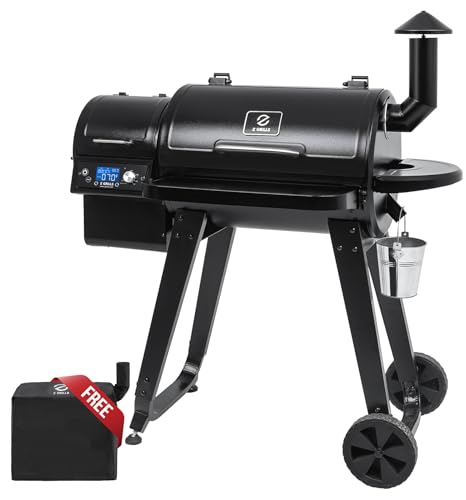
Best BBQ Smokers under 1000: Budget, Midrange, and Premium Tiers for 2026
Disclosure: We may earn a commission when you buy through links on this page, at no extra cost to you. As an Amazon Associate I earn from qualifying purchases. Learn more
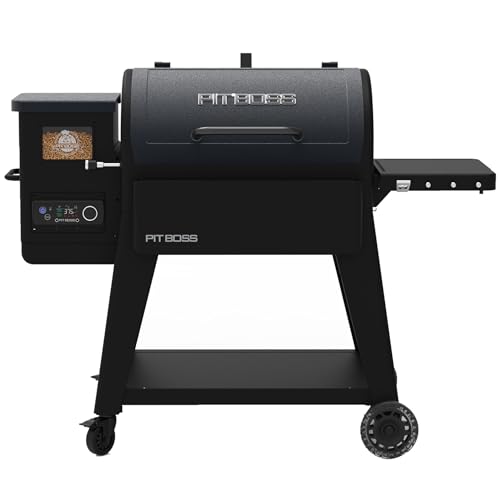
Learn what the best bbq smokers under 1000 include at each price tier, which features matter, and how fuel and size change total cost before you buy.
Prices for smokers stretch from under $200 to well past $1,000, and the gap is not just about size. Steel thickness, temperature control, and fuel type change how easy a long cook feels. This guide to the best bbq smokers under 1000 shows what each price tier actually delivers so you can spend where it counts.
Instead of chasing the longest feature list, you will learn which upgrades improve your food and which ones you can skip. Start with the product table, then use the tier breakdowns to set a realistic budget.


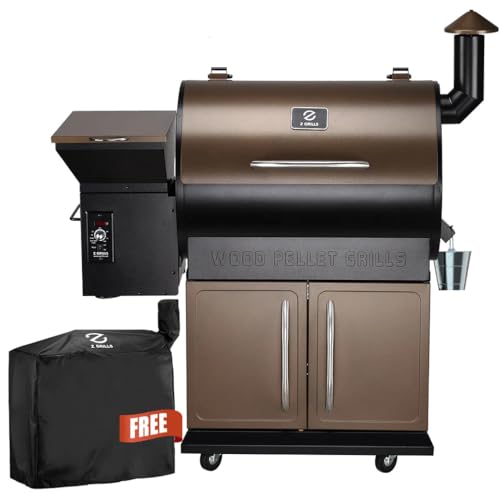
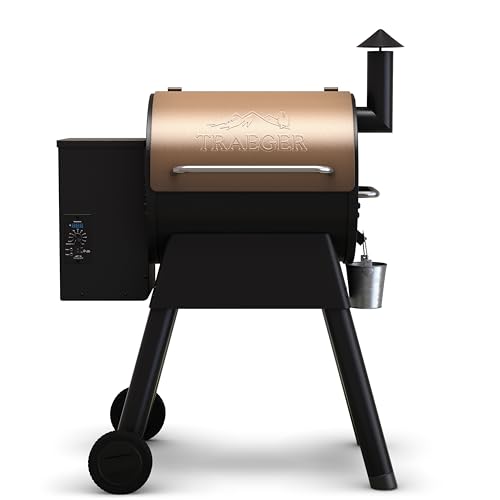

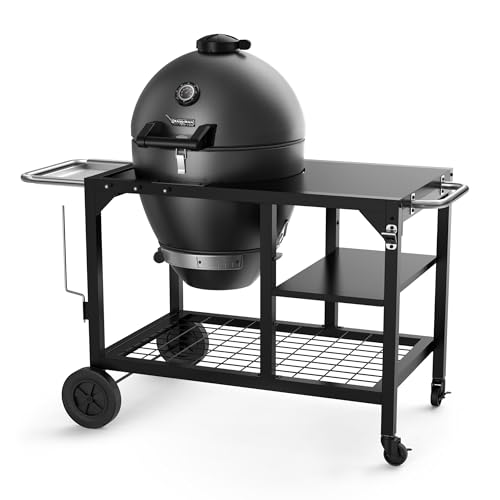
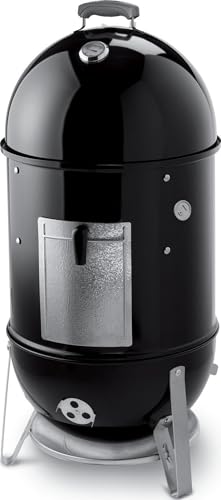
Three Budget Levels Compared
Budget Level: Simple Smokers Around $200 to $400
Budget smokers are usually charcoal cabinets, barrel smokers, or small electric models with basic dials. They teach you fire management and produce real smoke flavor, and many include enough cooking area for two briskets or several racks of ribs. Expect thinner steel, simpler dampers, and a thermometer you may want to verify with a separate meat probe. This level suits patient learners and occasional cooks who smoke a few times a month and do not mind checking the fire every hour or so during a long session.
Midrange Level: Easier Control Around $400 to $700
Midrange smokers add the features that make long cooks repeatable. You will see thicker walls, better door seals, larger pellet hopper capacity on pellet models, and digital controls that hold a set temperature within a narrow range. Cooking area grows, and grates are more likely to be heavy steel or cast iron grates that clean up well. This is the level where a PID controller starts to appear on pellet smokers, and it suits weekend cooks who want low and slow results without tending a fire all day.
Premium Level: Near $700 to $1,000
Premium models under the cap focus on build and convenience rather than raw size alone. Look for insulated or double wall construction, WiFi monitoring, multiple meat probe ports, sturdy wheels, and longer warranties on the firebox or cooking chamber. Offset models at this level use thicker steel that holds heat through wind and cold. This level suits frequent cooks, small catering side projects, and anyone who has already owned a basic smoker and knows exactly which frustrations they want to remove.
What Your Money Gets You at Each Price Tier
Budget Tier: What to Expect
At the budget tier, your money buys smoke flavor and capacity, not automation. Temperature control depends on your hands, the weather, and fuel quality. Plan on a learning curve for the first few cooks while you learn how the dampers respond. Parts are simple and cheap to replace, which keeps long term costs low. If you mainly smoke ribs, chicken, and pork shoulder for family meals, this tier covers the need well and leaves budget for fuel, a good thermometer, and a sturdy cover.
Midrange Tier: The Sweet Spot for Most Buyers
Most buyers land happiest in the midrange because small upgrades remove the biggest pain points. Sealed doors waste less fuel, digital controls cut the number of trips outside, and larger cooking area lets you smoke a brisket and sides at once. If you are also weighing a grill and smoker combo, compare the shapes in our guide to the best bbq grills under 1000 to see which footprint fits your patio. Midrange smokers also hold resale value better than basic models if you upgrade later.
Premium Tier: When Spending More Pays Off
Spending more pays off when you cook often, cook in cold or windy weather, or cook large amounts for events. Thick steel and insulation smooth out temperature swings that can toughen meat. Better grease management also matters at this level, since flare ups and messy cleanup grow with batch size. Premium money should buy durability and control you can feel on every cook, not decorative extras. If you smoke only on summer holidays, the same money is usually better spent on the midrange plus quality fuel and accessories.
Features Worth Paying For (and Ones to Skip)
Build Quality and Materials
Steel thickness is the feature that decides how a smoker ages. Thin walls lose heat, force the fire to work harder, and rust through sooner at seams and legs. Press on the body and doors in store if you can, and check that lids close evenly with no visible gaps. Porcelain coated steel resists rust well, while bare heavy steel on offsets needs oil and care. A solid frame, large wheels, and a warranty of at least a few years on the chamber signal a maker that expects the smoker to last.
Fuel Type (Gas, Charcoal, Pellet, Electric)
Charcoal and wood give the deepest traditional smoke flavor but demand the most attention. Pellet smokers trade a little of that intensity for push button control, which is why many shoppers compare them through guides like the best pellet smokers under 1000 before choosing. Electric smokers are simple and steady for fish and jerky but produce a lighter smoke. Gas smokers light fast and hold heat well, yet they are less common and still need wood chunks for flavor. Match fuel to your patience, not just your taste.
Fuel Cost and Availability
Fuel cost adds up across a season. A long brisket cook can use a large bag of charcoal, a steady supply of wood splits, or roughly a third to half a bag of pellets depending on weather and temperature. Pellets cost more per cook than charcoal in most areas, but they remove the work of splitting and storing wood. Check local supply before buying an offset, because clean, seasoned hardwood is essential and not every store stocks it. For background on offset running costs, see our guide to the best offset smokers under 1000.
What You Can Realistically Get Under $1000
Under $1,000 you can get honest capacity for family cooks, reliable temperature control, and steel that lasts for years with basic care. You generally cannot get a huge insulated offset, commercial grade insulation, and every smart feature in one unit. Something gives, usually size or automation. Protect the essentials first: a tight sealing chamber, accurate temperature feedback, and enough cooking area for your largest planned cook. Cosmetic extras like extra shelves you will never load or novelty lights are the safest places to save money.
Temperature Control and Smart Features
Good temperature control matters more than app features. A controller that holds within about 10 to 15 degrees of your setting gives you repeatable bark and tenderness. Two probe ports help because brisket and pork finish at different times, and opening the lid to check costs heat. WiFi is useful for overnight cooks since alerts wake you before fuel runs low. Skip complex touch screens if basic dials and a clear display do the same job, because outdoor electronics are a common failure point after a few seasons. For a wider view of smoker styles, browse our guide to the best bbq smokers as well.
Best BBQ Smokers for Specific Needs
Best BBQ Smokers under 400: Where Your Money Goes
Shoppers focused on bbq smokers under 400 should put money into chamber size and air control rather than electronics. At this price, a simple charcoal cabinet or barrel with adjustable vents teaches real skills and flavors food beautifully. Measure your typical cook first, since a slightly larger basic smoker beats a smaller fancy one when family visits. Save part of the budget for a dual probe thermometer and a cover, because those two items improve results and lifespan more than any built in gadget at this level.
Long Term Costs to Factor In
The purchase price is only the first year cost. Budget for fuel each month you cook, replacement gaskets or door seals every few years, and grate or firebox parts on charcoal models that see heavy use. Covers cost around $30 to $70 and prevent the rust that shortens a smoker life more than cooking does. Pellet models may need an auger motor or control board service after several years, while electric models can need a new heating element. A longer warranty on the chamber matters more than a long warranty on small parts. Add these costs up and the midrange often beats the budget tier on total cost per year of service.
BBQ Smokers: Your Questions Answered
Can you get a good bbq smoker under $1000?
Yes, this budget covers well built smokers in every fuel type. You can get thick steel, digital control, or generous cooking area, though rarely all three at maximum level in one unit. Decide which two matter most for your cooking style. Most home cooks who smoke for family and friends will not outgrow a good midrange or premium model in this range for many years.
What type of bbq smoker gives the best flavor?
Offset smokers burning real wood splits usually give the deepest, most complex smoke flavor because the fire itself is the heat source. Pellet smokers come next for most people, with a cleaner and milder smoke that suits poultry and fish. Charcoal cabinets with wood chunks land close behind. Flavor also depends on clean smoke, so a well run fire in a modest smoker beats a smoldering fire in an expensive one.
How big of a bbq smoker do I need?
Size the smoker for your largest regular cook, not your biggest holiday ever. About 500 to 700 square inches handles a brisket or three racks of ribs comfortably. Families who batch cook or host often should look at 700 to 1,000 square inches. Remember that usable space depends on shelf spacing, since tall cuts need vertical room. A slightly larger chamber also holds temperature more steadily than a cramped one.
How long should a good bbq smoker last?
A good smoker should last about 7 to 15 years with covered storage and routine care. Thick steel offsets can last longer because the chamber can be oiled and repaired. Thin budget models may give 3 to 5 years before rust reaches seams or legs. Electronic parts on pellet and electric models often need service before the chamber wears out, so check parts availability for any model you plan to keep a decade.
How often should I clean my bbq smoker?
Empty ash after every cook once it is fully cold, and scrape grates while they are still warm from the next preheat. Wipe grease trays after fatty cooks to reduce fire risk. Do a deeper clean every three to five long cooks: brush loose soot from walls, clear the grease drain, and check seals. Never wash away all seasoning from the walls, since that thin layer protects the steel and supports flavor.
Can I use a bbq smoker on a balcony?
Often no, and you should check your lease and local fire rules first. Charcoal, wood, and pellet smokers produce smoke and carbon monoxide and must only run outdoors with strong ventilation, never in an enclosed balcony or garage. Many apartment buildings ban them outright. A small electric smoker may be allowed in some places, but confirm in writing with building management before you buy, and keep the unit away from walls and railings.
Is a pellet grill worth it?
A pellet grill is worth it if you value steady temperature and easy starts more than the deepest wood fire flavor. It handles long cooks with little attention and doubles as a roaster for weeknight meals. The trade offs are higher fuel cost than charcoal, reliance on electricity, and more parts that can fail. If you enjoy tending a fire, an offset or charcoal smoker will likely make you happier for less money.
Wrapping Up
Set your tier by how often you cook, choose fuel by how much attention you enjoy giving the fire, and protect steel quality and temperature control before paying for extras. Compare your finalists in the product table, then choose the best bbq smokers under 1000 option that fits your space, your budget for fuel, and the size of your typical cook.