
Best Beach Binoculars Made Simple: A Clear Buying Guide for 2026
Disclosure: We may earn a commission when you buy through links on this page, at no extra cost to you. As an Amazon Associate I earn from qualifying purchases. Learn more

Shopping for the best beach binoculars? Learn how seals, magnification, and exit pupil work, compare price bands, and pick a pair that suits long shore days.
A beach asks more of a pair of binoculars than a backyard does. Spray, glare, wind blown sand, and long walks all punish weak glass and weak seals, so the best beach binoculars are the ones built for wet and gritty days rather than the ones with the longest spec sheet. This guide starts with the basics, explains each number in plain English, and shows you how to match a pair to the way you actually spend time at the shore.
You do not need to spend a lot to watch boats, dolphins, and shore birds clearly. You do need to read a few figures in the right order, and the product table lines those figures up side by side so you can compare pairs at a glance before you buy.
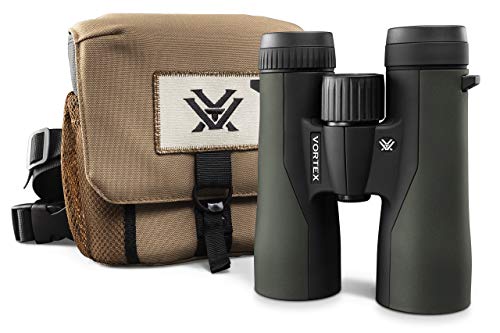


Beach Binoculars 101: The Basics
A pair of binoculars is two small telescopes joined by a hinge, one for each eye, with a focus wheel in the middle and a smaller diopter ring that balances the pair to your own eyes. What makes a pair a beach pair starts with the seal. A waterproof seal class and a fog proof class govern beach use more than any other figures, because they decide whether spray, a dunk in the shallows, or a humid morning ends the day or changes nothing.
Read the seal by its depth and time rating, which states how deep the pair can sit under water and for how long before moisture can enter. A pair with no stated depth and time figure is splash resistant at best, whatever the listing headline says.
Fog proofing works from the inside out. Makers purge the air inside the barrels and fill them with a dry gas such as nitrogen, so the inner glass cannot mist when you walk from an air conditioned car into hot shore air. That fill only helps while the seals hold, which is why the two ratings belong together. Readers planning long scans of the waterline itself can also read our guide to the best binoculars for beach viewing, which covers viewing distances in more depth.
Key Specs Explained in Plain English
Magnification and Objective Size
Every pair is named with two numbers, such as 8x42. The first number is the magnification, so an 8 power pair makes a distant boat look eight times closer. The second number is the diameter of the front lenses in millimetres, and bigger front lenses gather more light.
For beach use, 8x42 and 10x42 are the two honest starting points. The 8 power view is easier to hold steady on a breezy pier, while 10 power reaches farther across open water at the cost of more visible hand shake. Going past 10 power rarely helps at the shore, because heat shimmer over hot sand blurs the view long before the glass runs out of reach.
Exit Pupil and Low Light
Exit pupil is the width of the beam of light that leaves each eyepiece, and you can work it out yourself. The exit pupil figure is the objective size divided by the magnification, so an 8x42 pair gives about 5.3 millimetres and a 10x42 pair gives about 4.2 millimetres. A wider exit pupil feels brighter at dawn and dusk, when dolphins and feeding birds are often most active.
Your own pupil opens to roughly 5 millimetres in dim light, so a pair near that figure wastes little of the light it gathers. Compact pairs such as 8x25 give only about 3.1 millimetres, which is fine at midday and dim at sunset.
Field of View and Eye Relief
Field of view tells you how wide a slice of shoreline you see at once, usually stated as a width at 1,000 yards. A wide field makes it far easier to find a moving bird or a surfacing dolphin and keep it in frame.
Eye relief is the distance your eye can sit behind the eyepiece and still see the whole picture, and it matters if you wear sunglasses at the beach, which most people do. Look for about 15 millimetres or more of eye relief so sunglasses do not cut the edges of the view. Twist up eyecups let you set that distance in seconds.
Size, Weight, and Carrying
A full size 42 millimetre pair usually weighs about 600 to 700 grams, light enough for an hour of scanning but noticeable on a long walk. Compact 25 and 32 millimetre pairs weigh far less and slip into a beach bag, and they suit short looks between swims. The trade is brightness and comfort, since smaller glass gathers less light and gives a narrower view. A wide neck strap or a simple harness spreads the load, and a floating strap is worth its small cost if you watch from a kayak or a boat, because a dropped pair that floats can be picked back up.
Rookie Mistakes to Avoid
- Buying the highest magnification on the shelf, then fighting hand shake and heat shimmer every time you lift the pair.
- Trusting the word waterproof with no depth and time rating behind it, then losing the pair to one wave splash.
- Wiping sand off a lens with a dry shirt, which drags grit across the coating and scratches it.
- Judging pairs by shop scores alone. A star score is a popularity signal, so treat any list of best rated binoculars as a starting point and read the seal and pupil figures yourself.
- Leaving the pair loose in a beach bag where keys, bottles, and sand work on the glass all day.
Getting Started: Setup and First Use
Start by setting the hinge width so both eyepieces line up with your eyes and the view merges into one clean circle. Then close your right eye, focus the centre wheel on a distant sign or buoy with your left eye, and switch eyes to fine tune with the diopter ring.
That order matters, because the diopter balances the pair to the difference between your own eyes. Once set, most days need only the centre wheel. Shore birds reward the same patience, and readers who lean that way will find our guides to best binoculars for birdwatching and best binoculars birding useful companions for gull, tern, and wader identification.
Sand and salt spray govern care at the beach more than any other habit. Salt dries into crystals that abrade coatings, and loose sand hides in focus wheels and hinges. Rinse a sealed pair gently under a slow tap after a salty day, shake the water off, and let it dry before the case closes.
Blow grit away or lift it off with a soft brush before any cloth touches the glass, and store the pair in a dry place rather than a damp car boot. A pair of binoculars covers the viewing half of a beach day, while seating is a separate purchase covered in our guide to best beach chairs.
Beach Binoculars: Your Questions Answered
What does 8x42 or 10x42 mean on a pair of beach binoculars?
The first number is magnification and the second is the front lens size in millimetres, so 8x42 magnifies eight times through 42 millimetre lenses. Neither figure is better on its own, because the pair works as a balance. A useful check the numbers hide is close focus, which states the nearest distance the pair can focus on. A close focus of about 2 to 3 metres lets you watch crabs, shells, and tide pool life, not just distant boats.
What specs matter most for a beginner buying beach binoculars?
A stated waterproof depth and time rating, a magnification of 8 or 10, and eye relief of about 15 millimetres or more matter most for a beginner. Those three decide whether the pair survives the shore, stays steady in your hands, and works over sunglasses. One point listings rarely mention is the warranty on the seal itself. Some makers cover water damage for years while others exclude it, so read the warranty line before you pay, not after a dunk.
Which beach binoculars are better for low light at dawn and dusk?
A pair with a wider exit pupil is better for low light, which usually means lower magnification through the same front lens size. An 8x42 pair at about 5.3 millimetres will look brighter at dusk than a 10x42 at about 4.2 millimetres. Coatings matter here too, since fully multi coated glass passes more light than cheaper single coatings. Dawn is also when midges and still air fog eyepieces on the outside, so carry a clean microfibre cloth and wipe the outer glass, never the inner elements.
How much should I spend on my first pair of beach binoculars?
Most first time buyers do well in the middle band, at about $80 to $150, where seals are honestly rated and glass is clear edge to edge. Pairs at about $40 to $80 can suit occasional trips if the depth and time rating is stated in writing. Above about $150 to $300 you mostly buy brighter coatings and smoother focus wheels. Spend a little of the budget on a padded case and a floating strap as well, because protection keeps a mid priced pair working for years.
Is a smartphone enough instead of beach binoculars?
A smartphone is not enough for steady distance viewing, because digital zoom crops and softens the picture instead of magnifying it with glass. A phone is fine for a quick snapshot of a near subject, and it drains fast in bright sun. Binoculars run for years on no battery at all and keep both eyes comfortable through a long watch. If you split time between watching and photographing, use the phone for the record shot and the binoculars for the actual watching.
Final Thoughts
Keep the order simple: check the seal rating first, settle on 8 or 10 power second, and confirm the eye relief works over your sunglasses third. The product table puts those figures next to each price band so the trade offs are easy to see. Chosen that way, the best beach binoculars for you are simply the pair whose numbers match your shore days, and a carefully picked mid priced pair will serve for many seasons.


