
Best Bbq Smokers For Beginners 2026 Complete Buying Guide
Disclosure: We may earn a commission when you buy through links on this page, at no extra cost to you. As an Amazon Associate I earn from qualifying purchases. Learn more

Compare barbecue smokers for beginners by fuel type, temperature control, and size, with setup, safety, and first cook guidance for new users.
Smoking meat sounds like a craft you need years to learn, but the right first smoker does much of the hard work. The best bbq smokers for beginners hold a steady temperature, forgive small mistakes and clean up without a fight. Use the product table to compare the main styles, then read the sections below to pick the one that matches your patience and your patio.
Ask yourself how long you are willing to babysit a fire. That answer points to a fuel type faster than any spec sheet.
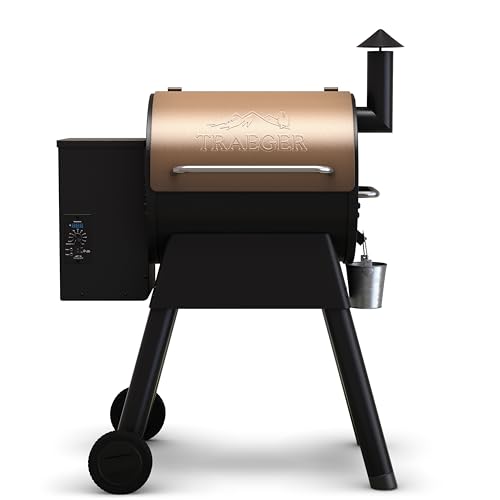
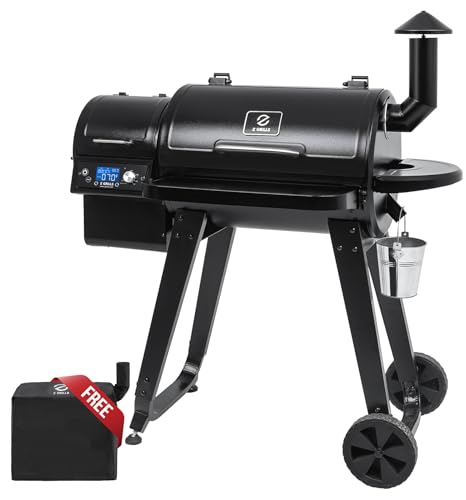
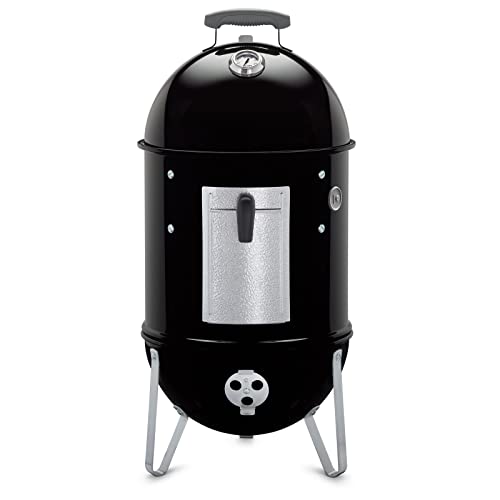

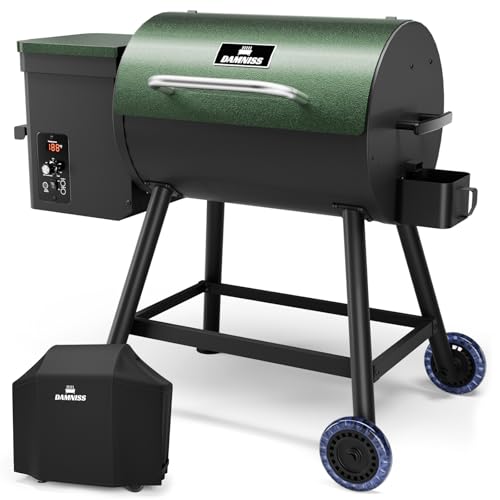



Who Should Buy Which Beginner Smoker?
If You Want Set and Forget
Electric and pellet smokers hold a temperature you dial in, so you can start a pork shoulder and check it every hour or so. They suit busy people and anyone nervous about managing fire.
If You Want Authentic Wood Flavor
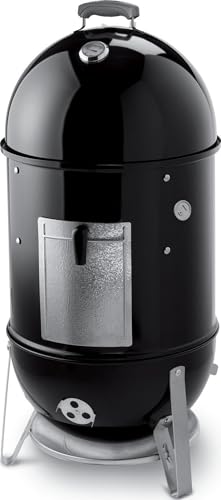
A charcoal bullet or vertical smoker costs less and gives real smoke flavor, but you control the fire with vents. Expect a learning curve of a few cooks. Water pan models are forgiving because the water steadies the temperature.
If You Want One Cooker for Everything
A smoker grill or kamado style cooker both smokes and sears. It costs more but saves space. See our guide to the best bbq grills and smokers for combination units.
Key Features to Compare
Fuel Type
Electric smokers are the simplest: plug in, add wood chips, set the temperature. Pellet smokers feed compressed wood pellets automatically and give better smoke flavor. Charcoal smokers deliver the strongest flavor but need attention. Propane smokers fall in between, with easy heat and moderate flavor.
Temperature Control
A beginner smoker should hold 225 to 250 degrees without constant adjustment. A digital controller or a PID system is the easiest route. On charcoal models, a tight lid, good vents and a water pan matter most.
Cooking Space
About 400 to 700 square inches covers a pork shoulder, a brisket flat or two racks of ribs for a family. Large capacity helps when hosting, but it also burns more fuel and takes longer to heat.
Build Quality and Insulation
Thicker steel and a tight door seal stabilize temperature and save fuel. Thin metal loses heat in wind and cold weather. Check that the door closes squarely and the lid does not leak smoke along the edges.
Cleaning and Maintenance
Look for a removable ash pan or grease tray, grates that lift out and a drain that does not clog. A smoker you can clean in ten minutes gets used more often.
Smoker Types for New Cooks
Electric Vertical Smokers
Easy and affordable, with a thermostat and a wood chip tray. They produce lighter smoke, but they are a gentle way to learn timing and temperatures.
Pellet Smokers
A hopper, an auger and a controller handle the fire. They cost more than electric models, though the flavor and versatility are better. Keep pellets dry and use a surge protector if your outlet is outdoors.
Charcoal Bullet and Kamado Style
Round and compact, they use little fuel and hold temperatures well once dialed in. They reward practice. For deeper smoker comparisons, see our guide to the best bbq smokers.
Choosing Wood for Flavor
Mild woods such as apple, cherry and pecan are forgiving and pair with chicken, pork and fish. Oak and hickory give a stronger, classic barbecue smoke that suits ribs and brisket. Mesquite is intense and best used sparingly or mixed with milder wood. Use dry, seasoned wood, and add small amounts at a time: thin, pale blue smoke tastes clean, while thick white smoke tastes bitter. Avoid treated or painted wood, which is unsafe to burn near food.
Your First Cook
Start with a pork shoulder or chicken thighs, because they forgive temperature swings. Preheat the smoker for 15 to 20 minutes, add wood, and place meat fat side up. Resist opening the lid, since each peek adds 10 to 15 minutes of cook time. Use a probe thermometer and cook to internal temperature, not to the clock: pork shoulder is usually ready around 195 to 205 degrees, and chicken is safe at 165 degrees.
Always use a smoker outdoors, well away from walls, fences and dry plants. Never leave it unattended while lit, let it cool fully before cleaning, and keep children and pets back from hot surfaces.
Common Mistakes to Avoid
- Buying the largest smoker leads to wasted fuel and uneven cooks.
- Opening the lid too often drops the temperature and drags out the cook.
- Using too much wood creates bitter, heavy smoke; a little goes a long way.
- Skipping a meat thermometer means guessing doneness.
- Smoking wet meat produces a pale surface; pat meat dry and apply rub first.
Frequently Asked Questions
What is the easiest smoker for a beginner?
An electric or pellet smoker is the easiest, because the temperature is automatic. Charcoal bullet smokers are easy to learn if you accept a few practice cooks.
How much should I spend on a first smoker?
Many good beginner models cost $200 to $500. Spend a bit more for better insulation and a reliable controller, and save on extras you can add later.
Do I need wood chips or pellets?
Electric and propane smokers use wood chips or chunks for flavor. Pellet smokers burn pellets as fuel. Charcoal smokers use wood chunks on the coals.
How long does smoking take?
Chicken takes 2 to 4 hours, ribs 5 to 6 hours and pork shoulder 8 to 12 hours. Plan ahead and give meat time to rest.
Can I use a smoker in winter?
Yes, but cold and wind increase fuel use and cook time. Insulated models and a smoker blanket help. Keep it outdoors, away from structures.
Final Thoughts
Choose the fuel you will enjoy managing, then check temperature control, cooking space and cleanup. A modest, well built smoker teaches more than an expensive one you are afraid to use. Compare your shortlist in the product table, and choose the best bbq smokers for beginners that fit your yard and your patience.

