Best Pellet Smoker (2026 Buying Guide)
Disclosure: We may earn a commission when you buy through links on this page, at no extra cost to you. As an Amazon Associate I earn from qualifying purchases. Learn more
A pellet smoker earns its popularity by taking the guesswork out of low-and-slow barbecue: load wood pellets into a hopper, set a target temperature, and an auger system automatically feeds fuel to maintain it for hours, producing real wood smoke flavor without the constant vent-adjusting a charcoal smoker demands. It's the closest thing to "set it and forget it" that traditional barbecue offers.
The category has grown well beyond a single design, with real differences in hopper capacity, WiFi connectivity, and construction quality that affect both day-to-day convenience and how the smoker holds up over years of use. This guide covers what actually matters, plus a few standout picks worth a closer look.


Hopper Capacity and Unattended Cook Time
Hopper size determines how long the smoker can run before needing a pellet refill, typically ranging from around 15 lbs up to 40+ lbs on larger models. A larger hopper matters most for genuinely long cooks like brisket, which can run 12+ hours; smaller hoppers are fine for shorter cooks like ribs or chicken but may need a mid-cook refill on longer sessions.

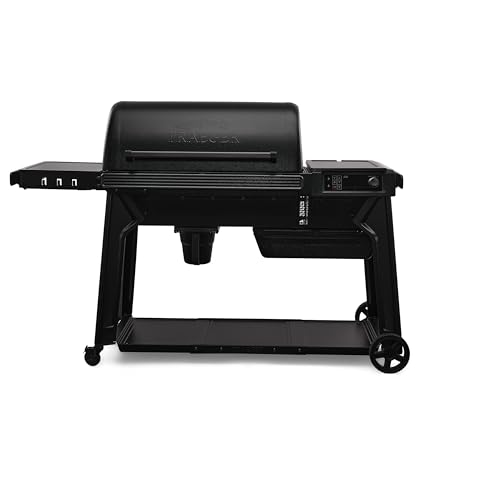
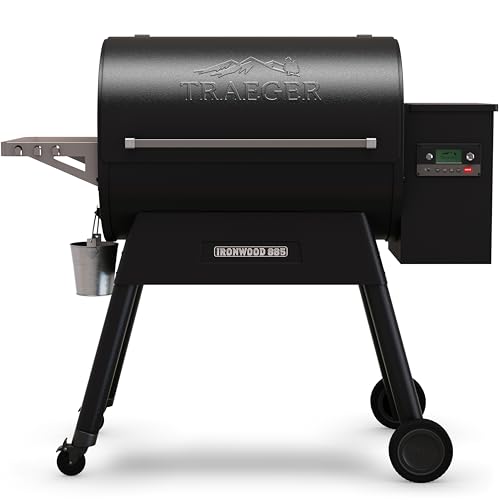
The Traeger Woodridge Pro represents the higher end of the category, and Traeger has a strong claim to being the brand that popularized pellet smoking as a mainstream category in the first place. That history tends to translate into more mature app software and hopper mechanisms than newer competitors still working out early design issues.
WiFi Connectivity and App Control
WiFi-enabled pellet smokers let you monitor and adjust temperature remotely from a phone, often with meat probe integration that tracks internal temperature and alerts you when it's done. This is a genuine convenience for long unattended smokes, letting you step away from the yard for hours rather than checking a physical dial repeatedly. Non-WiFi models cost less and have fewer components that can eventually fail or need firmware updates.
Temperature Range and Searing Capability
Standard pellet smokers typically top out around 450-500°F, sufficient for smoking and most grilling but limited for a true hard sear on steaks. Some newer models add a direct-flame searing feature specifically to close this gap, letting one appliance handle both low-and-slow smoking and high-heat searing without needing a separate grill.

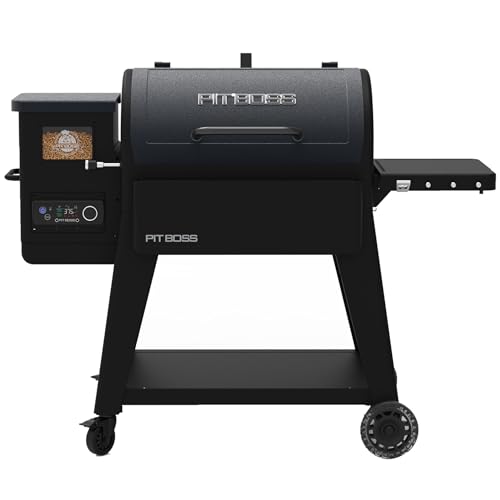
The Pit Boss 850 Navigator combines WiFi and Bluetooth connectivity in one unit, giving flexibility for both local Bluetooth pairing and remote WiFi monitoring depending on whether you're in the yard or away from home. Pit Boss has built a reputation for offering strong feature sets at prices generally below comparable Traeger models, appealing to buyers who want smart features without the premium-brand price tag.
Build Quality and Weather Resistance
Steel gauge and hopper/hardware construction quality vary meaningfully between budget and premium models, affecting how well the smoker holds up to years of outdoor exposure. Thinner steel and lower-quality seals let more heat escape, forcing the auger to burn more pellets to maintain temperature, which adds ongoing cost beyond the smoker's upfront price.
Portability
Most pellet smokers are designed to stay in one spot on a patio, but some models specifically add folding legs or a more compact footprint for tailgating and camping use. If portability matters, check weight and folding design specifically, since "portable" branding doesn't always mean genuinely easy to lift and transport.

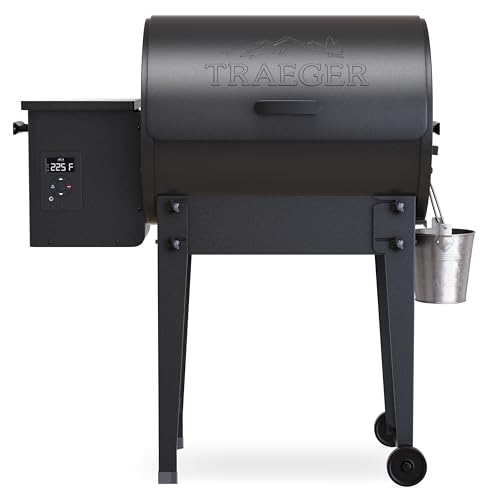
The Traeger Tailgater 20 is built specifically around portability, with folding legs that collapse the footprint for transport and storage, aimed at buyers who want pellet smoking capability at tailgates or campsites rather than a permanent backyard fixture.
Cooking Area and Rack Configuration
Cooking area is measured in total square inches across all racks, commonly ranging from around 300 sq in on compact models up to 700+ sq in on larger units. Multiple racks let you cook different foods at different heights simultaneously, useful for a full meal rather than a single item, though items on lower racks generally cook slightly faster due to closer proximity to the heat source.
Meat Probe Accuracy and Multi-Probe Support
Built-in meat probes let you monitor internal temperature without opening the lid and losing heat, but probe accuracy and count vary between models. Multi-probe support (two or more simultaneously) is genuinely useful for tracking multiple cuts at once, particularly relevant for larger cooking areas where you're likely smoking more than one item per session.
Warranty and Long-Term Support
Established brands typically offer multi-year warranties on the hopper, auger motor, and electronic components, which matters given these are the parts most likely to eventually need service. Check warranty length and what it actually covers, since some warranties exclude wear items like gaskets while covering the core mechanical and electronic systems.
FAQs
How much maintenance does a pellet smoker actually need?
Regular cleaning of the grease tray, firepot, and occasionally vacuuming out ash buildup from the hopper and auger system keeps a pellet smoker running reliably. Skipping this maintenance can lead to auger jams or inconsistent temperature control over time, so it's worth doing after every several uses rather than only when problems appear.
Do pellet smokers produce as much smoke flavor as traditional wood or charcoal smokers?
Pellet smokers produce genuine wood smoke flavor, though generally milder than a dedicated offset wood smoker running at higher smoke output. For most home cooks, the flavor difference is a reasonable tradeoff for the significantly easier temperature control pellet smokers offer.
What happens if a pellet smoker runs out of pellets mid-cook?
The auger stops feeding fuel and the fire eventually goes out, which can cause a temperature drop or full shutdown depending on how depleted the hopper became. Check pellet levels before starting a long cook, and top off partway through extended smokes rather than risking running empty.
Are all wood pellets compatible with any pellet smoker?
Most standard hardwood pellets work across brands, but always check your specific manufacturer's guidance, since some warranties specify using their own or approved-compatible pellets, and pellet quality (moisture content, filler material) genuinely affects performance and ash buildup.
Conclusion
For most backyard cooks, a mid-size WiFi-enabled pellet smoker with 400-500 sq in of cooking space covers everyday grilling and smoking well. Step up to a larger hopper and cooking area specifically if you regularly host large groups or smoke big cuts like whole briskets, and consider a portable folding model if tailgating or camping matters as much as backyard use.