Best BBQ Pit Smokers: Everything to Know Before Your First Purchase for 2026
Disclosure: We may earn a commission when you buy through links on this page, at no extra cost to you. As an Amazon Associate I earn from qualifying purchases. Learn more

Shopping for the best bbq pit smokers for the first time? Learn the terms, compare fuel and sizes, and avoid rookie mistakes with this easy guide.
Your first pit smoker purchase comes with a vocabulary lesson attached. Offset, reverse flow, firebox, draw, and tuning plates all describe real parts of how these cookers breathe, and each one affects your brisket. This guide explains the best bbq pit smokers from the ground up, in plain English, so a first time buyer can shop with confidence.
You will learn how a pit smoker works, which fuel fits your patience level, how much cooking area a brisket or four racks of ribs really need, and how to run your first cook without fighting the fire all day. Keep the product table in mind as you read, because the specs will mean more with each section.




BBQ Pit Smokers 101: The Basics
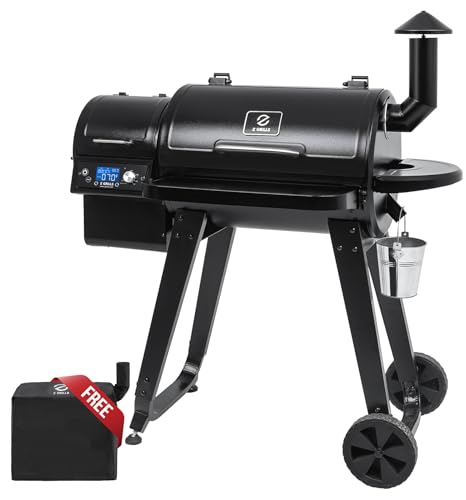
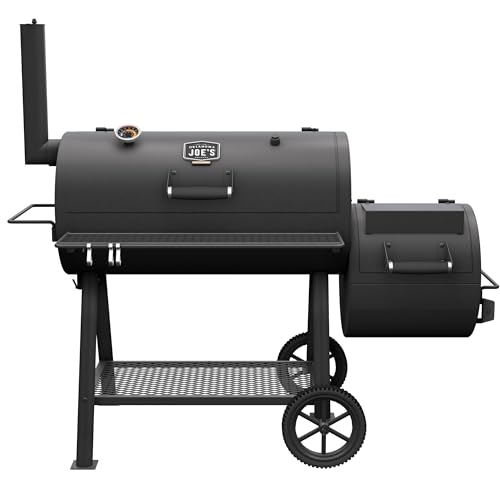
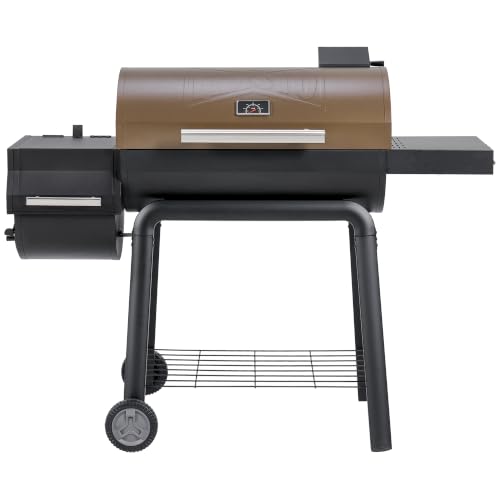
A pit smoker cooks meat slowly with indirect heat and wood smoke. The classic design is the offset smoker: a horizontal cooking chamber with a smaller firebox attached at one end and a chimney at the other. Fire burns in the firebox, and hot smoke is drawn across the meat and out the stack. That flowing smoke is what builds bark, smoke ring, and deep flavor over cooks that run 6 to 14 hours.
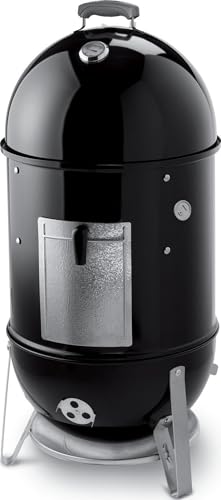
The family is wider than offsets alone. Vertical pit smokers and barrel style cookers stack the meat above the fire with baffles to soften the heat, while pellet fed pit smokers automate the fire entirely. What unites them is the low and slow method: holding about 225°F to 275°F until tough cuts turn tender. If you want the wider category view first, our guide to the best bbq smokers compares every smoker style, not just pit designs.
Two terms will follow you through every listing. Cooking area is the grate space in square inches, and steel thickness is usually given in gauge or in fractions of an inch. Thicker steel, such as quarter inch plate on premium offsets, holds heat through wind and door openings far better than thin sheet metal.
Key Specs Explained in Plain English
Fuel Type (Gas, Charcoal, Pellet, Electric)
Traditional pit smokers burn wood splits, sometimes over a charcoal base, and that live fire gives the deepest smoke flavor money can buy. It also demands attention, since you add splits every 45 to 60 minutes to hold temperature. Charcoal fired pits with large baskets burn longer between refills and taste milder. They suit overnight cooks where sleep matters.
Pellet pit smokers feed compressed wood pellets automatically and hold your set temperature like an oven, trading a little smoke intensity for a full night of rest. Gas and electric pit smokers exist at the edges of the category and offer convenience, but they need wood chips for smoke and rarely satisfy buyers chasing classic pit flavor. Choose honestly: the fire tending you enjoy is the fuel you should buy.
Portability and Footprint
Pit smokers are among the largest backyard cookers. A mid size offset can run about 5 feet long, weigh several hundred pounds in thick steel, and need a clear path from delivery truck to patio. Measure gates, turns, and the pad where it will sit, and plan for heat clearance from fences and siding. Large wagon style wheels help on grass and gravel, while small casters suit smooth concrete only.
Trailer mounted pits serve competitions and catering, not most first time buyers. At the other end, barrel smokers and small offsets fit modest patios and store in a garage corner. Remember that the footprint includes working room: you need space to stand at the firebox, swing doors fully open, and set down a tray of meat. Crowded pits get used less.
Temperature Control and Smart Features
On a wood or charcoal pit, temperature control is airflow control. The intake vent on the firebox feeds the fire, the chimney damper shapes the draw, and small adjustments made early beat large corrections made late. Thick steel smooths out the swings, which is why heavy pits feel calm and thin pits feel twitchy. A pit that recovers slowly after you open the lid is showing you its insulation and mass at work.
Electronics enter through pellet models with PID controllers that hold temperature within a few degrees, plus meat probe inputs and WiFi monitoring for long cooks. Blower fan kits can also automate a charcoal pit by feeding air on demand. For a first pit, one reliable digital thermometer with two probes, one for the grate and one for the meat, beats any smart badge on the lid. Readers comparing hybrid units that grill and smoke in one body can also see our guide to the best bbq grills and smokers.
Cooking Area and Capacity
Cooking area is listed in square inches, but shape matters as much as the number. A long offset grate fits whole briskets and full racks of ribs without curling, while a tall vertical chamber fits more meat in layers on a smaller footprint. As a rough guide, about 500 to 700 square inches handles a brisket plus two racks comfortably. Around 800 to 1,000 square inches suits regular gatherings and small events.
Check the primary grate figure rather than the total that includes warming racks, which run cooler and suit holding food more than cooking it. Also check height clearance between grates, since a pork shoulder or a beer can style chicken needs vertical room. Finally, think in cooks per year. A pit sized for your biggest annual party will burn extra fuel on every ordinary weekend cook.
Ash, Grease Management, and Cleanup
Long cooks produce real ash and rendered fat, and good pit design plans for both. A firebox with a removable ash pan or a wide door for shoveling ash keeps airflow strong during overnight cooks, since ash buildup smothers coals. In the cooking chamber, a grease drain or sloped floor that leads fat to a bucket prevents puddles that can flare or turn rancid between cooks.
Your routine is simple. Empty ash after every cook once it is fully cold, scrape grates while warm, and wipe the chamber floor before grease builds up. Season the interior steel lightly with cooking oil after deep cleans to hold rust back. A pit that is easy to clean gets cleaned, and a clean pit makes clean tasting smoke. That last point matters, because dirty smoke from old grease is the most common cause of bitter meat.
Heat Output and Temperature Range
Pit smokers rarely advertise BTU, because wood and charcoal fires do not fit that gas grill metric. Judge range instead. A useful pit holds about 225°F steadily for low and slow work, climbs to about 275°F to 300°F for faster poultry and hot smoking, and ideally can push higher for reverse sear finishing on a grate over the firebox. The firebox sear grate, standard on many offsets, is a genuinely useful extra for steaks after a smoke.
What separates strong pits is recovery and stability, not peak heat. After you open the chamber to wrap a brisket, the temperature should return to your target within minutes and settle without overshooting far. Wind exposure, steel thickness, and door seals decide that behavior. Read the spec sheet for range, but read owner discussions for stability, and expect the first cooks on any pit to teach you its personal rhythm.
Rookie Mistakes to Avoid
- Buying thin steel to save money. Lightweight offsets leak heat and smoke at every seam, forcing constant fire tending. Buyers often sell them within a year and buy the heavier pit they wanted.
- Oversizing for one annual party. A huge pit burns more wood on every cook. Size for your regular cooks and borrow capacity for rare events.
- Chasing the lid thermometer. Factory gauges can read far from the grate. Cook by a digital probe at grate level instead.
- Burning the wrong wood. Green, resinous, or treated wood ruins meat and can be unsafe. Burn seasoned hardwood only, a topic our guide to the best wood for bbq smokers covers in depth.
- Skipping the seasoning run. New steel carries factory oils. Run a hot empty fire first to burn them off and coat the interior with oil.
Getting Started: Setup and First Use
Set the pit on level, non combustible ground with the chimney positioned so the prevailing breeze helps the draw rather than fighting it. Assemble per the manual, check that doors close evenly, and note any large gaps you may later seal with high heat gasket tape. Then run your seasoning fire: build a modest charcoal and wood fire, hold about 275°F for two to three hours, and mist or wipe the interior with cooking oil early in the run so the steel takes a protective coat.
For the first real cook, pick pork shoulder. It is forgiving, cheap, and tolerant of the temperature swings you will make while learning your pit. Preheat the pit fully before the meat goes on, clean grates while warm from the seasoning run, and keep a simple log of times, temperatures, and fuel additions. That notebook becomes your personal manual, and by the third cook your fire management will feel routine. If you want a gentler on ramp overall, our guide to the best bbq smokers for beginners ranks the learning curve by style.
One safety note belongs in every first cook plan. Keep the pit outdoors and well clear of structures, never under a roof or in a garage, because burning wood and charcoal produce carbon monoxide. Keep water and an extinguisher nearby, and let ashes cool in a sealed metal can for at least two days before disposal.
BBQ Pit Smokers: Your Questions Answered
How big of a bbq pit smoker do I need?
Most households need about 500 to 800 square inches of main grate space. That covers a whole brisket, two pork shoulders, or four racks of ribs with room for air to circulate. Regular cooks for groups of fifteen or more should look at 1,000 square inches and up. Remember that grate shape matters too, since long offsets fit ribs and briskets more easily than round chambers.
What type of bbq pit smoker gives the best flavor?
A wood burning offset pit gives the deepest and most complex smoke flavor, because the meat cooks in a constant flow of real wood smoke. Pellet pits taste cleaner and milder, and charcoal pits land in between. Flavor also depends on your fire: a small, hot, clean burning fire with thin pale smoke beats a smoldering one every time, whatever the pit.
Is a pellet grill worth it?
A pellet grill is worth it if your priority is rest and repeatability on long cooks. The controller holds temperature for hours, so overnight brisket stops costing you sleep. You give up some smoke intensity and pay more up front, plus you need outdoor power. Buyers who love tending a live fire usually prefer the offset they dreamed about instead, a preference our overview of the best pit smokers explores by design type.
Can I use a bbq pit smoker on a balcony?
No, a pit smoker does not belong on a balcony. Live wood and charcoal fires produce sparks, heavy smoke, and carbon monoxide, and most leases and fire codes ban them on apartment balconies outright. Even on a ground floor patio, keep the pit well away from the building. Balcony cooks should look at permitted electric options instead and save pit cooking for open yard space.
How long should a good bbq pit smoker last?
A good pit smoker built from thick steel should last 15 years or more, and heavy plate offsets often pass to a second owner still going strong. Thin steel models may rust through in 3 to 5 years, especially if stored uncovered. Covered storage, ash removal after cooks, and light oil on the firebox exterior are the three habits that decide lifespan most.
How often should I clean my bbq pit smoker?
Empty ash after every cook, scrape the grates each time, and clear the grease drain before every long cook. A deeper interior clean suits every few months, or whenever you see flaking buildup on the chamber walls, since flakes can fall on food. Vacuum or shovel the firebox monthly during heavy use so airflow stays strong and fires light cleanly.
The Bottom Line
Decide your fuel first, because live wood, charcoal, and pellets ask very different things of your weekends. Then weigh steel thickness and door fit, since they govern temperature stability more than any feature list, and size the grate for your regular cooks. Buy on those three points and the best bbq pit smokers for your yard will stand out clearly. Compare your finalists in the product table before you commit.