Best BBQ Island Grills at Every Price: What Your Money Really Gets You for 2026
Disclosure: We may earn a commission when you buy through links on this page, at no extra cost to you. As an Amazon Associate I earn from qualifying purchases. Learn more
Match the best bbq island grills to your cutout and budget, with price tiers, fuel types, steel quality, and features worth paying for.
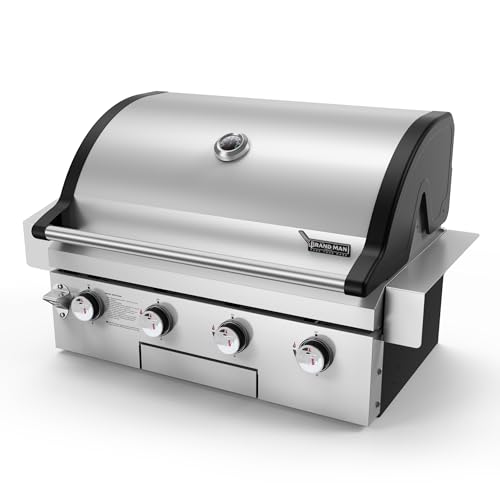
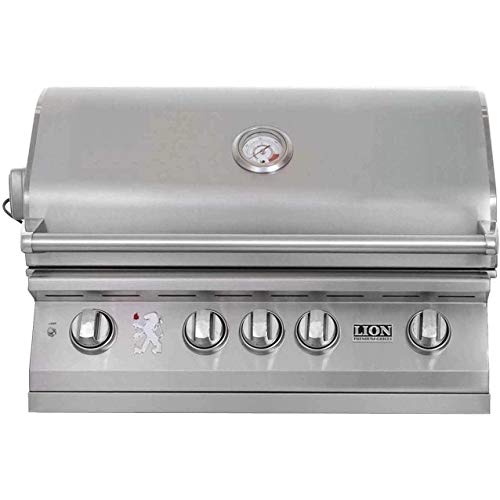
A grill head built for an island can cost under $1000 or above about $5000, and the price gap is not just about size. When you shop for the best bbq island grills for your outdoor kitchen, your money goes toward burner output, steel quality, cooking area, and temperature control. This guide breaks down what each price tier actually delivers so you can spend on the parts that change your cooking and skip the rest.
Start with the comparison table below, which lines up sizes, fuel types, and price ranges side by side. Then use the sections that follow to match those specs to your island cutout, your cooking style, and your total project budget. A careful match at this stage prevents the most common problem with island projects, a grill that arrives and does not fit the space built for it.


How to Choose by Budget Before You Compare Models
Start With the Island You Already Have or Plan to Build
Measure your cutout width, depth, and height before you look at a single burner spec, because island grill heads are made to drop into a fixed opening. Check the clearance the maker requires from nearby walls and from any combustible material in the island frame. If you are still planning the structure itself, see our guide to the best island grills for layout ideas that shape the cutout size you should build.
Think about the utilities that reach the island, not just the opening in it. A gas model needs a supply line sized for its total output, and many premium heads also need an electrical outlet for ignition, lights, and rotisserie motors. Planning those runs before the island surface goes on is far cheaper than opening finished stonework later to add a line you forgot.
Decide How You Cook Most Weeks
Write down what you actually cook in a normal month, because that list should drive your burner count and fuel choice more than holiday crowds should. Weeknight burgers and chicken need fast preheating and even heat across the middle of the grate. Weekend cooks who love low and slow ribs or brisket need steady low temperatures for hours, which pushes you toward pellet or charcoal options instead of a basic gas head.
If you are still weighing a built in head against a freestanding cart model for the same patio, see our guide to the best bbq grills for the broader comparison. Island heads reward cooks who grill in one fixed spot all season and want a clean, permanent setup. Cart models suit renters and anyone who needs to move the grill for storage, cleaning, or winter protection.
Set a Total Budget That Includes the Install
The grill head is only one line in an island project, so set your budget for the whole build before you fall for a premium model. Access doors, storage drawers, a trash pull out, ventilation panels, and a fitted cover all add cost around the grill itself. Gas line work and electrical work by licensed pros add more, and skipping proper ventilation to save money can trap heat and gas inside the island.
A useful approach is to reserve roughly half to two thirds of your project budget for the grill head and the rest for the island parts around it. That split keeps you from pairing a costly grill with doors that rust in one season.
What Your Money Gets You at Each Price Tier
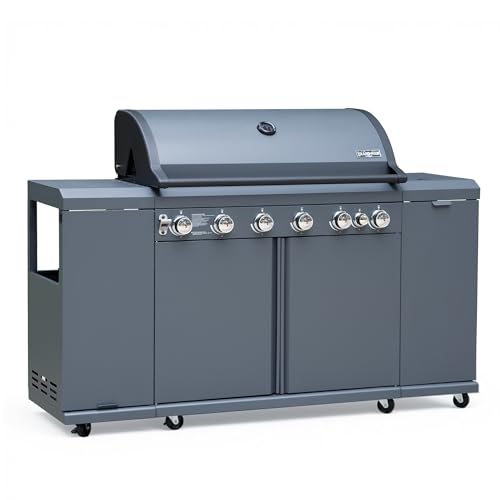
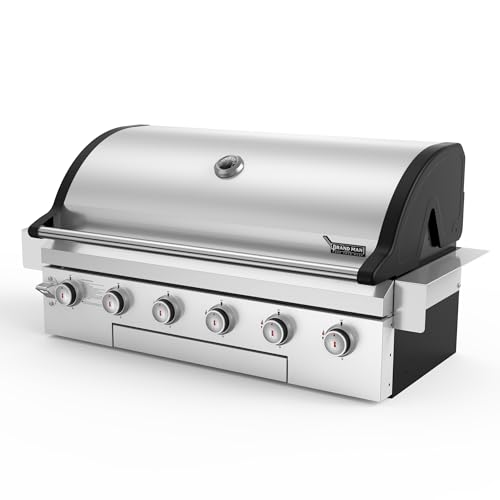
The product table above gives you the quick price picture for the best bbq island grills, and this section explains what those prices buy in practice. Tiers overlap, and a well chosen midrange head can outcook a premium one that fits your island poorly. Use the tiers to set expectations for steel grade, burner count, and included extras, then check the exact model specs against your cutout and fuel supply.
Budget Tier: What to Expect
Budget island heads, roughly from under $1000 to about $1500, usually give you three or four burners, a cooking area suited to a family of four, and thinner stainless steel that may be a lower grade. Expect simpler ignition, fewer extras, and a shorter warranty, and plan to keep the grill covered to slow down wear on the thinner metal.
Midrange Tier: The Sweet Spot for Most Buyers
Midrange models, about $1500 to $3000, are where most buyers get the best balance of output, build, and price. Burners often carry stronger BTU ratings per burner, grates get heavier, and features like a rear rotisserie burner and a dedicated sear zone start to appear. Steel quality improves, lids feel solid, and warranties on burners stretch longer.
Premium Tier: When Spending More Pays Off
Premium heads at about $3000 and up buy thicker 304 grade stainless steel, more burners across a wider grate, and refined details like interior lights. Heat control gets finer, so holding a low temperature or running one cool zone beside a hot zone becomes easier. Spending here pays off if you cook for large groups often or run long sessions where small temperature swings matter, and it buys little for occasional burger nights.
Features Worth Paying For (and Ones to Skip)
Feature lists grow fast at higher prices, and not every extra earns its cost. The factors below separate the upgrades that change daily cooking and cleanup from the ones that mostly decorate a spec sheet. Decorative knob lighting, novelty smoker boxes with tiny capacity, and bundled tool sets of low quality are common extras you can safely skip at any tier.
Ash, Grease Management, and Cleanup
A wide grease tray that slides out from the front makes cleanup realistic after fatty cooks, and a tray you can line or scrape in seconds is one you will actually maintain. Charcoal and pellet island units add ash handling, so look for an ash pan or clean out door that empties without pulling the whole unit from the cutout. Good grease routing also protects the island interior, because drippings that pool inside the enclosure create odors, pests, and a fire risk over time.
Build Quality and Materials
Steel grade is the clearest build difference between tiers, and 304 grade stainless steel resists rust far better than the 430 grade used on many budget heads. Cast iron grates hold heat well and leave strong sear marks, though they need seasoning and dry storage habits to avoid rust. Stainless rod grates are lighter and easier to keep clean. Also check lid weight, weld neatness, and burner material, since burners and heat tents are the parts that fail first in outdoor use.
Assembly and Warranty
An island head needs little assembly beyond grates, heat tents, and handles, but the install itself deserves care and level placement in the cutout. Gas connections should be handled by a qualified pro who can pressure test the line and confirm the right regulator and hose type. Read the warranty by part, not by headline, because burner coverage often runs much longer than coverage for igniters, grates, and electronic parts, and labor is rarely included after the first period.
Temperature Control and Smart Features
On pellet island units, a PID controller adjusts feed and fan speed to hold your set temperature closely, and a generous pellet hopper lets long cooks run without constant refills. A built in meat probe with a second probe port helps you track thick cuts without lifting the lid and losing heat. WiFi monitoring is worth paying for if you run long cooks and step away often, and it is safe to skip for fast weeknight grilling, as readers comparing the best pellet bbq grills will also notice.
Fuel Type: Gas, Charcoal, Pellet, and Electric Options
Gas grills built for islands are the most common choice because they start fast, hold steady heat, and connect to a home supply line or a propane tank in the island cabinet. If propane is your plan, see our guide to the best bbq grills propane for tank and regulator basics. Charcoal heads bring stronger smoke flavor with more hands on fire management, pellet units trade some sear strength for set and forget smoking, and electric heads suit small islands where open flame fuels are restricted, with lower peak heat.
Long Term Costs to Factor In
Ownership cost does not end at checkout, and the running costs differ sharply by fuel. Propane refills, natural gas line work, pellets bought by the bag, and charcoal for long cooks all add up across a season. Pellet users should also budget for dry pellet storage, because damp pellets swell, jam the auger, and ruin a cook, so an airtight bin near the island is a small but real extra cost.
Replacement parts form the second layer of cost, with burners, heat tents, igniters, and grates wearing out on a cycle of a few years in heavy use. A brand with ready part availability and clear part numbers saves money and downtime later. Add a fitted cover, a grate brush or scraper, and an annual deep clean to your plan, and favor models whose wear parts are priced fairly rather than locked to costly bundles.
Frequently Asked Questions
Is a pellet bbq island grill worth the extra cost?
A pellet bbq island grill is worth the extra cost if you smoke often and value steady temperatures over hours. The controller feeds pellets as needed, so brisket and pork shoulder cook with far less tending than a charcoal fire needs. One point many buyers miss is bench space, because the hopper adds width to the unit. Measure the full footprint, hopper included, against your island plan before you order.
What type of bbq island grill gives the best flavor?
Charcoal gives the strongest smoke flavor in a bbq island grill, with pellet units close behind and gas trailing unless you add wood chips. Flavor also depends on fat dripping onto a hot surface, which a powerful sear zone reproduces well on gas. If smoking is central to your cooking, browse our guide to the best bbq grills and smokers to compare island heads with vertical smokers built only for smoke.
How long should a good bbq island grill last?
A good bbq island grill should last about ten years or more with covered storage and yearly care. The firebox and lid usually outlast the parts inside them, so a realistic plan includes at least one burner or heat tent refresh during that span. Coastal air shortens life for lower grade steel, so buyers near salt water gain the most from paying up for 304 grade steel at the start.
Can I use a bbq island grill on a balcony?
Most bbq island grills are not suited to a balcony, because they are made to sit in a fixed island with ventilation and utility hookups. Apartment and condo rules often ban gas and charcoal cooking on balconies, and the weight of an island structure can exceed what a balcony is built to hold. An electric countertop grill is usually the safer route there, after you confirm your building rules and outlet capacity in writing.
How big of a bbq island grill do I need?
Choose a bbq island grill size by counting your regular crowd, then add room for a holding zone. A 32 inch head suits most families, while regular parties of ten or more point to 40 inches or wider. One sizing check that helps is grate layout, because a wide but shallow grate crowds food more than the total area suggests. Lay out your usual pans and a whole chicken on paper at true scale before deciding.
Final Thoughts
The right island grill is the one that fits your cutout, matches your fuel supply, and puts your money into steel quality and heat control before extras. Use the product table above to shortlist models in your tier, then confirm cutout size, ventilation needs, and warranty terms by part. When you compare the best bbq island grills with those checks in hand, the price tiers stop feeling like guesswork and start reading like a clear menu of trade offs you can choose with confidence.