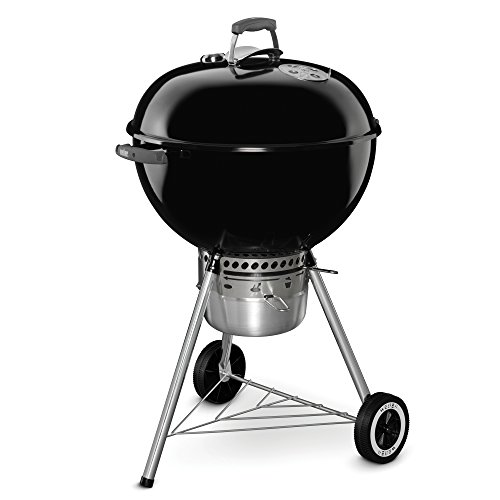
Best BBQ Grills Natural Gas: A First Time Buyer's Guide for 2026
Disclosure: We may earn a commission when you buy through links on this page, at no extra cost to you. As an Amazon Associate I earn from qualifying purchases. Learn more
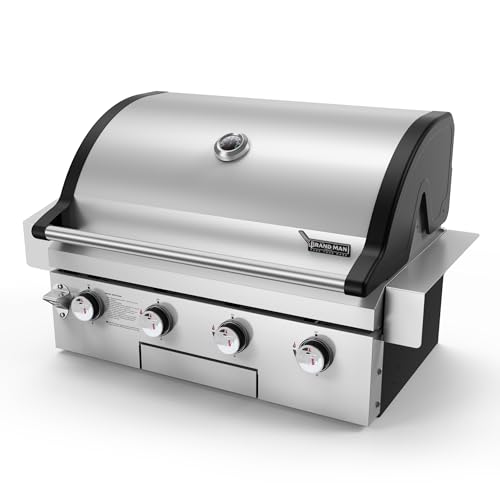
Shopping for the best bbq grills natural gas for the first time? Learn the terms, compare options, and avoid rookie mistakes with this easy guide.
A natural gas grill hooks into your home's gas line, so you never carry a propane tank again and the fuel never runs out mid cookout. This guide explains, in plain terms, what to look for in the best bbq grills natural gas buyers can choose from, from burner power to the gas hookup itself.
Start with the product table to see the models side by side, then read the sections below to learn which specs matter for your patio, your family size, and your budget.



BBQ Grills Natural Gas 101: The Basics
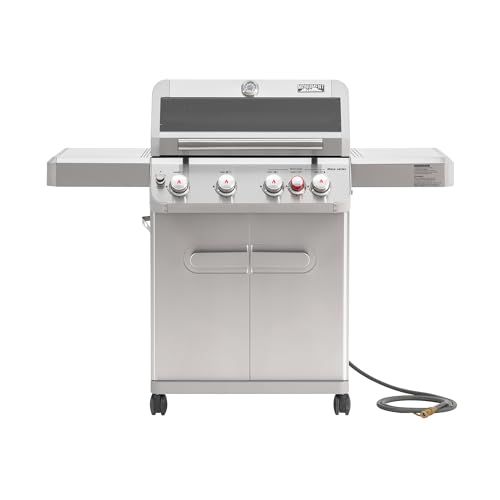
A natural gas grill works like a propane model, but it runs on the same fuel as your furnace or stove. Instead of a tank, it connects to a gas line with a hose and a quick disconnect fitting, or to a fixed pipe for a built in unit. Natural gas is usually cheaper per hour of cooking than propane, and the supply is steady, so you can grill for as long as you like.
The tradeoff is placement. The grill must sit within reach of a gas outlet, and a new outlet should be installed by a licensed professional following local codes. Some grills ship ready for natural gas, while others are propane models that need a conversion kit made for that exact model. Always follow the manufacturer's instructions for the hookup and check every connection for leaks before the first use.
For a wider look at fuel choices, see our guide to the best natural gas grills, or browse gas BBQ grills if you have not settled on a fuel yet.
Key Specs Explained in Plain English for the Best BBQ Grills Natural Gas
Gas Type and Conversion
Check that the listing says natural gas, not just gas. Natural gas burns at a lower pressure than propane, so the orifices and regulator are different. A grill sold as natural gas is set up for it from the factory, while a convertible model needs the right kit. Never force a propane grill onto a gas line without the matching conversion parts.
Burners and BTU Output
Burner count and BTU rating describe heating power. Four burners suit most families, and a rating of roughly 40,000 to 60,000 BTU is common on mid size grills. A bigger number is not automatically better: even heat across the grates and good lid insulation matter more than raw output. A side burner or infrared sear zone is a useful extra if you cook sauces or like a hard sear on steaks.
Cooking Area
Cooking area is quoted in square inches. About 450 to 550 square inches feeds four to six people, while 600 or more suits big gatherings. Larger grills use more gas and need more patio space, so match the size to how often you host.
Grates and Build Quality
Cast iron grates hold heat and leave deep sear marks but need seasoning. Stainless steel grates are easier to maintain. Look for thick stainless or cast aluminum bodies and sturdy hinges, because thin metal warps and rusts sooner, especially near the coast.
Freestanding Cart or Built In Head
A freestanding grill sits on its own cart with side shelves and storage, and it can be moved when needed. A built in head drops into an outdoor kitchen island for a permanent look, but you must plan the cutout, ventilation, and gas line. Pick the style that fits your layout before you compare features.
Cleanup and Grease Management
A removable grease tray, a drip cup you can empty easily, and grates that lift out make cleaning quick. Burn off residue after each cookout and brush the grates while they are warm.
Rookie Mistakes to Avoid
- Buying a propane grill and assuming it will work: confirm natural gas or an included conversion kit first.
- Ignoring the gas line location: measure the distance from the outlet to the spot where the grill will stand.
- Skipping a gas line professional: new outlets and fixed pipes should be handled by a licensed installer.
- Chasing BTU alone: look at construction, lid fit, and grate material as well.
- Forgetting a cover: a fitted cover protects the burners and finish from rain and sun.
Getting Started: Setup and First Use
- Unbox the grill and confirm every part against the checklist in the manual.
- Assemble it on a level, non combustible surface away from walls, railings, and overhanging branches.
- Connect the gas hose, then check each joint for leaks with soapy water as the manual describes.
- Run the grill empty on high for ten to fifteen minutes to burn off factory oils.
- Season cast iron grates lightly with cooking oil before the first meal.
Frequently Asked Questions
How long does a natural gas grill last?
With a cover and regular cleaning, a well built stainless steel grill can last ten years or more. Burners and igniters wear first, and most brands sell replacements.
Is natural gas cheaper than propane for grilling?
In most areas, yes. Natural gas typically costs less per hour of cooking, and you never need to refill or swap a tank.
How big of a grill do I need?
For a family of four, a grill with about 450 to 550 square inches of cooking area is plenty. Choose 600 square inches or more if you often cook for large groups.
Can I convert a propane grill to natural gas?
Many models can be converted with a kit made for that exact grill. Check the manual or the manufacturer, and follow the instructions carefully.
Can I use a natural gas grill on a balcony?
Many apartment buildings and local codes restrict gas grills on balconies. Check your lease, building rules, and local fire code before you buy.
The Bottom Line
Pick a size, confirm the gas type and your hookup, and then compare burners and build quality in the product table above. The best bbq grills natural gas models give you steady fuel, even heat, and easy cleanup for years of cookouts. See our guide to outdoor natural gas grills for more ideas.