Best All Stainless Steel Gas Grills: A Buyer Checklist for 2026
Disclosure: We may earn a commission when you buy through links on this page, at no extra cost to you. As an Amazon Associate I earn from qualifying purchases. Learn more

Compare the best all stainless steel gas grills with a clear checklist for steel grade, burners, cooking space, heat control, cleanup, and warranty.
Shopping for best all stainless steel gas grills gets confusing fast, because two grills can look equally shiny in photos and still differ a lot in steel grade, burner quality, and how they cook after a season outdoors. This guide gives you a simple checklist to run against any model before you spend money.
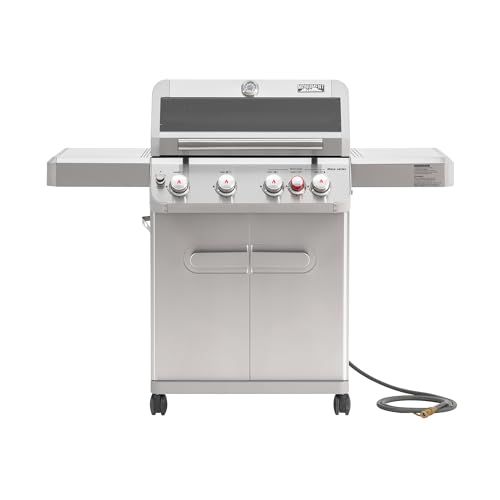
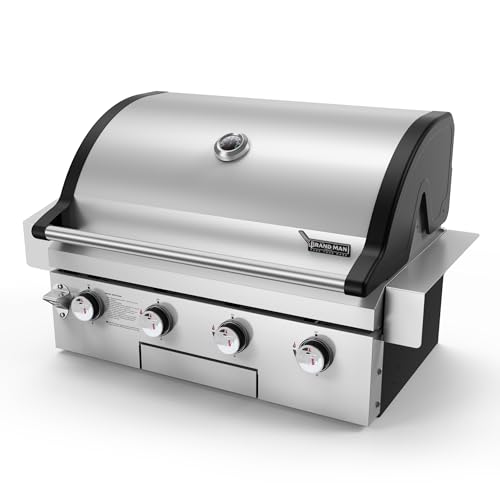
Use the checklist as you scan the comparison table below. You will learn what strong heat looks like on paper, how much cooking area you need, and which details predict rust and flare ups.




The Buyer Checklist: Key Features to Compare
Material and burners come first, because they decide how long the grill lasts and how evenly it cooks. When friends ask how to find the best all stainless steel gas grills without overspending, this is the sequence we point them to.
Fuel Choice and What Gas Does Best
Gas gives you fast startup, steady dial control, and easy weeknight cooking with propane or natural gas. Charcoal adds stronger smoke flavor but demands more time and ash handling. Pellet models feed fuel from a pellet hopper and use a PID controller to hold low heat, yet they need electricity and give a milder sear. Electric and indoor grills suit small spaces but rarely match outdoor gas heat.
Build Quality and Materials
Start with the steel grade. Type 304 stainless resists rust better than type 430, especially near coasts and in humid climates, and many makers use 304 on the hood and body while using lesser steel inside. A heavy hood that closes with a solid feel usually holds heat better than a thin, flexing one. Welds should look clean and edges smooth.
Grates deserve their own look. Thick stainless rods hold heat, resist rust, and clean up with a brush, while porcelain coated cast iron grates sear beautifully but can chip and then rust at the chip. If grate material matters to you, see our guide to the best gas grills with stainless steel grates for a closer look at rod thickness and spacing.
Cooking Area and Capacity
Makers list cooking area in square inches, split between the primary surface and a warming rack. Count mainly the primary area, since the rack suits holding finished food rather than active cooking. About 400 square inches feeds a family of four, while 550 square inches or more handles parties without crowding. Crowded food steams instead of browning, so size for your largest regular cook, not your biggest holiday.
Heat Output and Temperature Range
Total BTU numbers mislead on their own, so divide total burner BTU by primary cooking area. A result around 80 to 100 BTU per square inch usually signals strong heat for a good sear, while far less can leave steaks pale. Range matters too. Good burners throttle down to hold about 225 to 250 degrees Fahrenheit for low and slow cooking.
Assembly and Warranty
Most full size grills arrive partly assembled, and setup commonly takes one to two hours with basic tools. Clear instructions and labeled parts save real frustration. Burners and grates face the most heat, so longer warranty coverage on those parts matters most, and note exclusions such as surface rust before you buy.
Portability and Footprint
Measure your space before you fall for a wide cart. Note the width with side shelves up, since shelves often add a foot or more, and confirm the grill fits through gates or storage doors if you plan to move it. Sturdy wheels, ideally with locks, make a heavy grill easier to reposition.
Grease Management and Cleanup
Gas grills make no ash, so grease is the main cleanup job. A sloped grease tray that slides out easily, with a disposable drip pan inside, makes weekly care simple. Trays that require reaching under a hot grill tend to get ignored, and ignored grease causes flare ups and smoke. Inside, angled stainless flavor bars vaporize drippings, shield the burners, and outlast coated steel bars.
How to Choose by Budget, Size, and Cooking Style
Match the checklist above to your situation. The three groups below cover most buyers.
For Frequent Family Cooking
If you grill several times a week for four to six people, favor three or four burners, about 450 to 550 square inches of primary space, and thick stainless grates. Even heat matters more than peak heat for mixed loads. Budgets for this group often run about $600 to $1200, since burner quality and steel grade improve noticeably there. Readers comparing adjacent categories may also want to see our guide to the best stainless steel bbq grills for models aimed at slower, smoke friendly cooking.
For Value Focused Buyers
Value means spending on what lasts and skipping what glitters. Put money into 304 steel on the hood and firebox, solid burners, and a real warranty. Skip extras you will rarely use, such as lighted knobs or hood windows. Prices for capable models here often run about $350 to $700, and a smaller grill with strong basics beats a large grill with thin steel every time, because size cannot fix rust or uneven heat.
For Small Patios and Compact Spaces
Compact buyers should measure first and shop second. Two burner grills with folding side shelves fit many small patios and decks while still cooking for two to four people. Check building and fire code clearance rules before placing any grill near siding or railings. Heat per square inch matters even more here, because small fireboxes lose heat fast when the lid opens, so look for a snug hood.
Quick Buyer Checklist
Run these questions against any model in the product table above.
- Is the hood and body steel listed as type 304, or at least clearly graded?
- Does the heat work out to roughly 80 to 100 BTU per square inch of primary area?
- Is the primary cooking area large enough for your usual cook without crowding?
- Do the burners carry warranty coverage of five years or longer?
- Does the grease tray slide out easily for emptying and cleaning?
- Will the grill, with shelves up, fit the spot you measured at home?
- Are replacement burners, grates, and igniters easy to order for this model?
- Does the price leave room in your budget for a cover and a propane tank?
If a model fails two or more of these, keep looking. Shoppers who want a broader view of the category can also see our guide to the best stainless steel grills for gas and other fuel types side by side.
Red Flags to Watch For
Some warning signs show up again and again on weak grills, and spotting them early saves a disappointing purchase.
- The listing hides the steel grade or calls the finish stainless look, which often means coated steel that can rust once scratched.
- BTU figures sound huge but the cooking area is also huge, so heat per square inch is low and searing suffers.
- The burner warranty lasts only a year or two, which suggests the maker expects early failure on the hardest working part.
- The grease tray is tiny, fixed in place, or reached only from under the grill, so cleanup gets skipped and flare ups follow.
- Replacement parts are missing from the maker site, leaving you stuck when an igniter or burner wears out.
None of these alone proves a grill is poor, but two or more together form a pattern worth trusting over polished photos.
Stainless Steel Gas Grills for Specific Needs
Best Outdoor Stainless Steel Gas Grills: What to Check
Permanent outdoor placement adds demands that a garage stored grill never faces, since rain, sun, and winter cold test the steel, the igniter, and the cover. For the best outdoor stainless steel gas grills in this setting, favor full 304 construction, a tight fitting cover, and simple controls, since fewer powered extras means fewer weather failures.
Matching a Grill to Natural Gas or Propane
Most models ship ready for propane, and many offer a natural gas version or an approved conversion kit. Natural gas suits a fixed spot and ends tank refills, but a plumber may be needed. Propane keeps the grill movable. Never swap fuels with parts from another model. Use only the kit the maker approves for your exact grill, have gas line work done by a qualified professional, and check connections with soapy water after any change. If you compare near identical models sold under different names, see our guide to the best stainless gas grills to keep the differences straight.
How to Make Your Stainless Steel Gas Grill Last Longer
Care for this grill centers on heat, grease, and moisture. Preheat for 10 to 15 minutes before cooking, which burns off residue and helps food release. Brush the grates while warm so debris comes off before it hardens. Empty the drip pan often, and check burners each season for blocked ports, clearing them gently with a soft brush.
Wipe exterior steel with the grain using a soft cloth and mild soap, and dry it fully, since standing water invites spots and, on lower grades, rust. For stubborn baked on grease, see our guide to the best stainless steel cleaner for grills and follow the product directions on a small area first. Cover the grill once cool and dry, inspect seams for early rust, and store the tank outdoors and upright.
FAQs
What type of stainless steel gas grill gives the best flavor?
Flavor comes mostly from drippings vaporizing on hot flavor bars and from a strong sear, not from the steel itself. Any well heated gas grill with thick grates and angled bars gives that classic grilled taste. Buyers hunting the best quality stainless steel gas grills for flavor should weight heat output and grate thickness above cosmetic extras like lighted knobs.
How big of a stainless steel gas grill do I need?
Most households do well with 400 to 550 square inches of primary cooking area and three or four burners. If you cook for two most nights, a two burner model near 300 square inches is plenty and heats faster. One tip charts miss: measure your largest pan, since a grill that cannot fit it limits menus more than burger counts suggest.
Can I use a stainless steel gas grill on a balcony?
Often yes, but rules decide, not grill size. Many apartment buildings, condos, and local fire codes restrict or ban open flame grills on balconies, and some allow only small electric models. Check your lease and local code first. Where gas is allowed, keep the grill clear of railings and siding, never leave it unattended, and keep a clear path to the tank shutoff.
Is a pellet grill worth it instead of a stainless steel gas grill?
A pellet grill is worth it if low temperature smoking is your main goal and you accept slower startup and pellet costs, since its hopper and controller hold steady low heat for hours. For fast weeknight dinners, high heat searing, and simple cleanup, gas remains the easier tool. Many cooks use gas for weekdays and save slower methods for weekend projects.
How long should a stainless steel gas grill last?
A well built model with 304 steel, covered storage, and basic seasonal care commonly serves for about 8 to 12 years, with burners or igniters replaced along the way. Thin 430 steel grills left uncovered outdoors often show rust and burner failure in half that time. One overlooked point: keeping the model number and manual makes ordering exact fit parts years later far easier.
Final Thoughts
The short version of the checklist is simple. Grade the steel, divide the BTU by the cooking area, size for your usual cook, and confirm the grease tray and warranty make ownership easy. Models in the product table above that pass those checks are the ones worth your money.
Match the final choice to your space and habits, whether that means a compact two burner for a small patio or a wide four burner for family weekends. Choose carefully once, care for it each season, and the best all stainless steel gas grills on your shortlist will reward you with years of easy, flavorful cooking.