
Best Beach Chairs for Big Guys: A Clear Buying Guide for 2026
Disclosure: We may earn a commission when you buy through links on this page, at no extra cost to you. As an Amazon Associate I earn from qualifying purchases. Learn more

Learn how seat width, weight capacity, frame and seat height work together in the best beach chairs for big guys.
Buying a beach chair can feel confusing when every listing promises comfort but few explain what actually matters for a larger frame. This guide explains each spec in plain English and helps you compare options without jargon. The best beach chairs for big guys are not simply the widest chairs on the page. They balance seat room, frame strength, seat height, and carry weight, and the product table shows how those factors work together.
A good purchase starts with your own measurements, not with a brand name or a color. Measure your hip width while seated, note how much weight the chair must support, and think about how far you will carry it across sand. Once you know those three numbers, the rest of the guide falls into place, and you can skip chairs that look roomy but fold under real use.


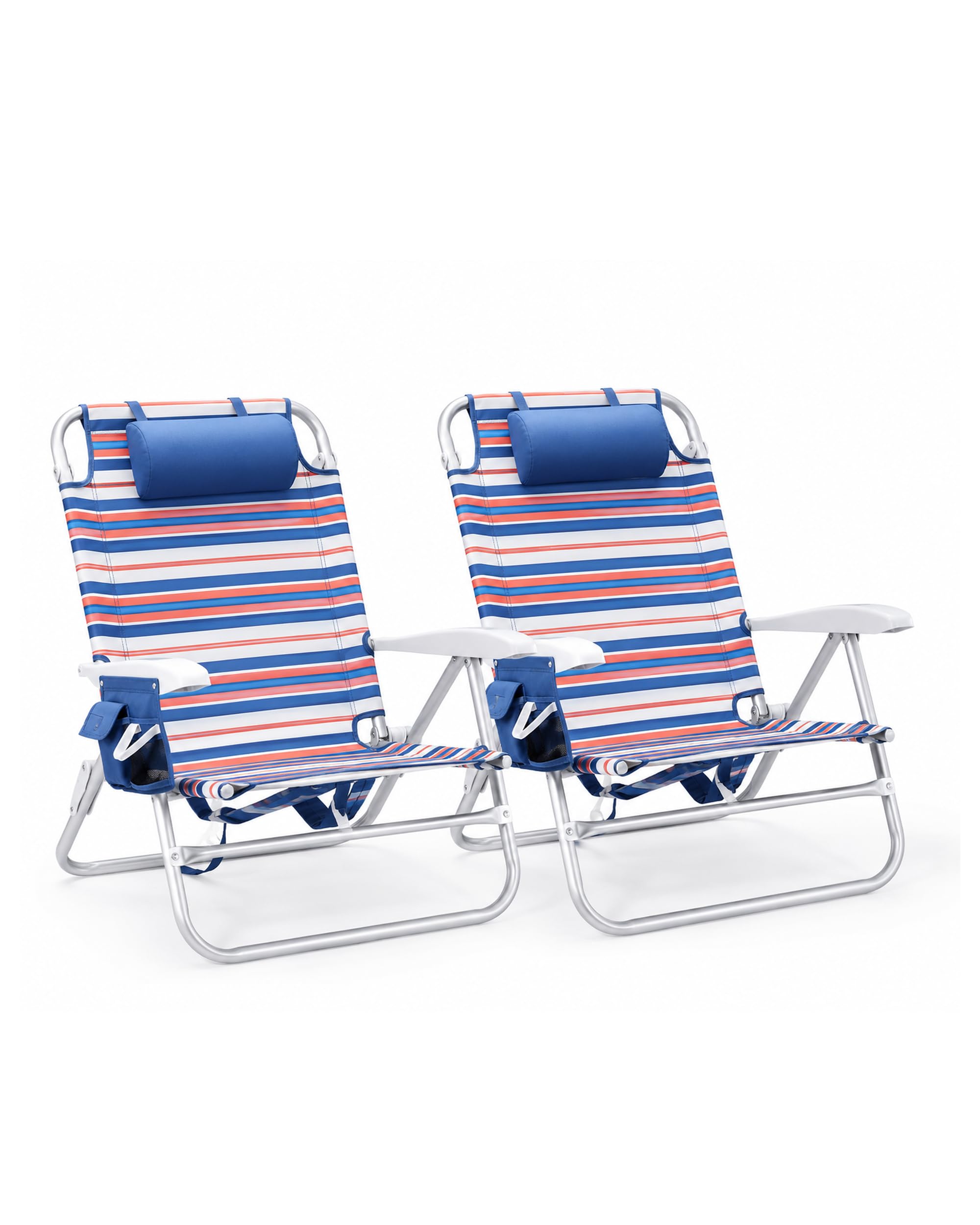

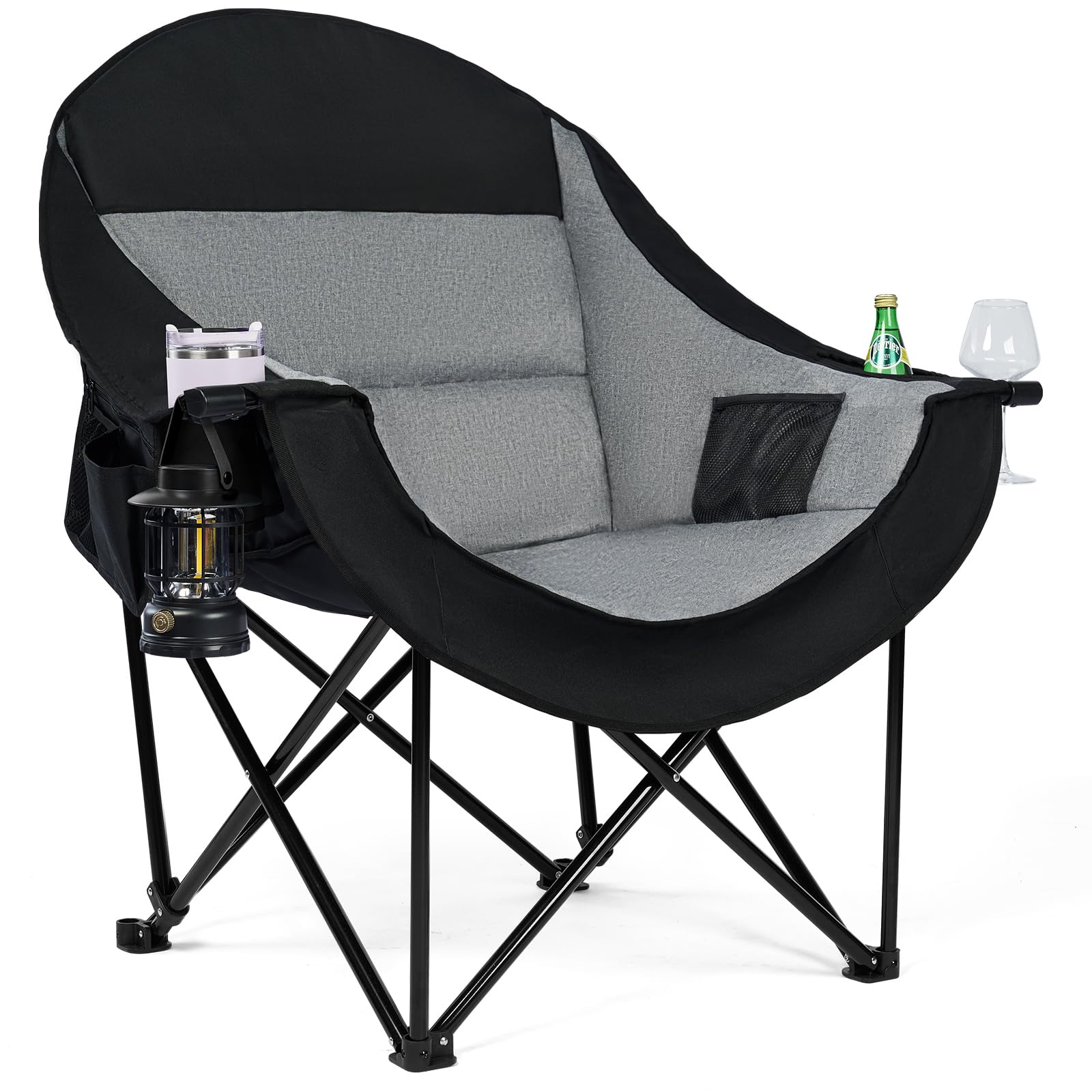

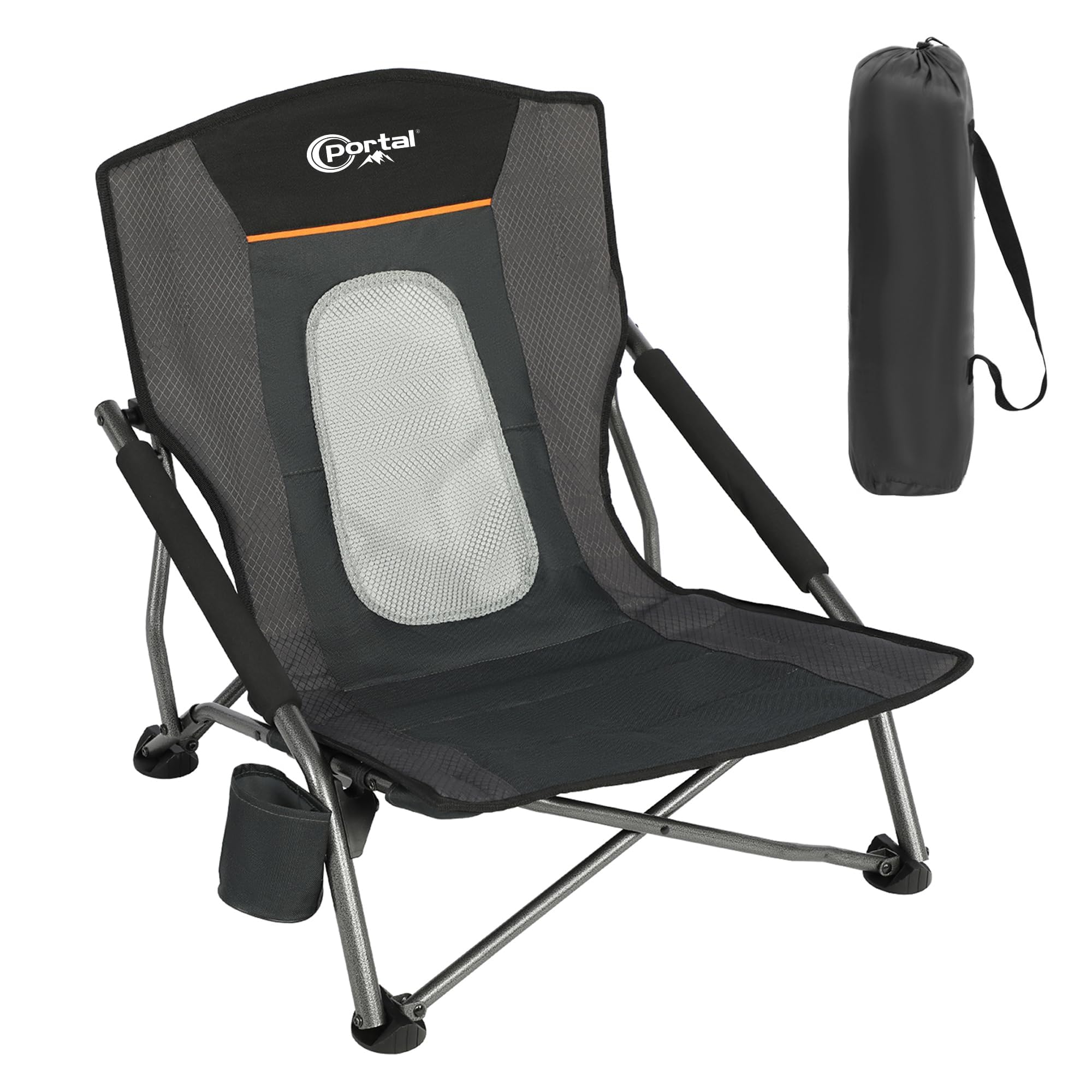
Beach Chairs for Big Guys: The Basics
A beach chair is a low, folding seat built to sit on sand, dry quickly, and pack down for carrying. Most models use an aluminum or steel tube frame, a fabric seat and back, and legs that spread the load so the chair does not sink too far into soft sand. Some sit very low to the ground, while others use a taller seat that makes standing up much easier. The right height depends on your knees, your balance, and how long you plan to sit.
For a larger frame, the frame and the fabric matter more than any extra feature. A chair rated well above your weight gives you a margin for movement, wet clothes, and a bag resting on the seat. Wide armrests help you push up from a seated position, and a seat that is deep enough supports your thighs without cutting into the back of your knees. Sun exposure also matters at the beach, so plan for sunscreen, water, and shade breaks during a long day outdoors.
Key Specs Explained in Plain English
The specs below explain what each number means and what range to look for. Use them as a checklist while you compare chairs, and ignore any spec that does not change how the chair feels when you sit in it.
Features That Matter for a Larger Frame
A larger frame needs room in three places: seat width, seat depth, and space between the armrests. Look for a seat width of about 22 to 26 inches, measured inside the armrests, and a seat depth of about 17 to 20 inches. Check the stated weight capacity and choose a chair rated at least 50 pounds above your weight, since ratings are measured under still conditions rather than during real movement. A chair that meets those numbers will feel stable when you shift, lean back, or reach for a drink.
Measuring for Size and Portability
Start by measuring your seated hip width and adding about 2 to 3 inches of breathing room on each side. Then check the folded size and the carry weight, since a chair that is roomy at home can feel heavy after a long walk across loose sand. Models in the range of about 8 to 14 pounds are easier to carry, while heavier steel frames trade portability for extra stiffness. If you walk far to your spot, a shoulder strap and a compact fold matter more than a slightly wider seat.
Seat Height and Getting Up Easily
Seat height decides how easy it is to sit down and stand up again. A seat height of about 12 to 17 inches suits most taller or larger adults, because your knees stay near a right angle instead of rising above your hips. Very low chairs can feel relaxing for a short rest, but they make standing up harder after a long sit, especially on soft sand that shifts under the legs. Sturdy armrests that sit at a natural hand height give you leverage when you push up, so check the armrest position as carefully as the seat itself.
Comfort and Cushioning
Padding on a beach chair should support you without holding water after a swim. Look for a seat and back made from a quick drying mesh or a coated fabric, with light padding in the seat rather than thick foam that stays damp. A slightly reclined back, a headrest pillow, and a breathable back panel help during a long afternoon, since air can move behind you instead of trapping heat. If you plan to sit for hours, comfort comes from the shape of the seat and the firmness of the fabric, not from extra bulk.
Frame Strength and Fabric
The frame carries the load, and the fabric spreads it. Aluminum frames keep the chair light and resist rust near salt water, while steel frames add stiffness at the cost of extra weight. Look for joints that lock firmly, cross braces under the seat, and feet wide enough to keep the chair from sinking deeply into sand. The fabric should feel taut when you sit, with strong stitching at the corners and no sag in the middle, since sagging fabric changes your posture and strains the frame over time.
Size, Dimensions, and Weight Capacity
Always compare the open dimensions, the folded dimensions, and the weight capacity together, since one number alone can mislead you. A chair can list a wide overall width yet offer a narrow seat once the armrests are counted, so read the seat width rather than the total width. Weight capacity should come from the maker, and a higher rating usually means thicker tubing and stronger joints rather than a different design. For a related look at roomier seating in general, see our guide to best chairs for big guys before you narrow your list.
Rookie Mistakes to Avoid
- Choosing by overall width alone, which can hide a narrow seat between the armrests.
- Ignoring weight capacity, which leaves no margin for movement, wet clothes, or a bag on the seat.
- Picking the lowest seat for style, which makes standing up much harder after a long sit.
- Skipping the folded size and carry weight, which turns a long walk across sand into a chore.
- Forgetting sun protection, since a comfortable chair still leaves you exposed during a full day outdoors.
Getting Started: Setup and First Use
When the chair arrives, open it on a flat surface and check that every joint locks fully before you sit down. Place it on firm sand first, sit slowly, and check that the legs stay level and the fabric stays taut. Adjust the seat height or recline if your model allows it, and set the armrests where your hands fall naturally.
After your first outing, rinse off sand and salt water, let the chair dry fully before folding it away, and tighten any loose bolts every few months. For camp use with similar room needs, see our guide to best camp chairs for big guys, and for patio seating at home, see our guide to best patio chairs for big guys.
Frequently Asked Questions
What features matter most in a roomy beach chair?
Seat width inside the armrests, weight capacity with a safety margin, and seat height matter most, because they decide whether the chair fits you and whether standing up feels easy. Frame stiffness and taut fabric come next, since they keep the seat shape steady during a long sit. A good chair also folds to a size you can carry comfortably across sand, so check folded dimensions and carry weight before you buy. Extra pockets and cup holders are pleasant, but they never make up for a seat that is too narrow or a frame that flexes.
How do I choose the right size beach chair?
Measure your seated hip width and add about 2 to 3 inches on each side for comfortable clearance. Then compare that number with the seat width measured inside the armrests, not the overall width of the chair. Check the seat depth too, since a deep seat supports your thighs while a shallow seat can cut into the back of your knees. Finally, confirm the folded size fits your car and the carry weight feels reasonable for the walk from the parking area to your spot.
Is an expensive beach chair worth it?
A higher price is worth it when it buys a stronger frame, better joints, and fabric that stays taut after repeated use near salt water. Cheaper chairs can work well for occasional short visits, especially if the seat width and weight capacity already fit you. Spending more rarely helps if the chair is still too narrow or too low, so fit comes first and price second. Look at what each price level adds in frame material, locking joints, and warranty, and choose the lowest level that covers your size and your planned use.
What features matter most for long hours at the beach?
For long hours, a supportive seat shape, breathable fabric, and a back that reclines slightly matter more than thick padding. A headrest and wide armrests help you shift position without standing, and a stable frame keeps the chair from sinking unevenly into soft sand. Plan shade, water, and sunscreen breaks as well, since comfort over a full day depends on sun protection as much as on the chair itself. A chair that lets air move behind your back will feel cooler than a heavily padded chair that traps heat.
How long should a good beach chair last?
A well made beach chair often lasts several seasons with basic care, while a lightly built chair may loosen at the joints after one busy summer. Rinse off sand and salt water after each trip, dry the chair fully before storage, and check bolts and stitching every few months. Store the chair indoors during winter rather than leaving it outside, since sun and moisture wear fabric and joints faster than normal use. If the fabric sags badly or a joint no longer locks firmly, replace the chair rather than trusting it for another season.
Our Verdict
Start with seat width, weight capacity, and seat height, then check frame strength, folded size, and carry weight before you look at extras. A chair that fits your frame and is easy to stand up from will serve you far better than a wider looking chair with a weak frame. The best beach chairs for big guys earn their place by feeling stable, roomy, and easy to carry, so compare the numbers in the product table and choose the chair that matches your size and your walk to the water.


