
Best Beach Chairs for Adults: A Buyer Checklist for 2026
Disclosure: We may earn a commission when you buy through links on this page, at no extra cost to you. As an Amazon Associate I earn from qualifying purchases. Learn more

Compare the best beach chairs for adults by seat height, capacity, frame and fabric, carry weight and price band, with a simple buyer checklist.
Adult is not a style label on a beach chair. It is a set of measurements: how much weight the frame is built to hold, how high the seat sits above the sand, and whether the arms give you something solid to push against when you stand up. Shoppers comparing the best beach chairs for adults do better when they check those numbers first and treat color and cup holders as finishing details. Nobody needs a technical score to make this choice, just a short checklist that matches the chair to your body, your beach, and the walk from the car.
This guide walks through that checklist in order, starting with the fit facts that decide whether a chair works for a grown body at all. It then covers frames, fabrics, price bands, and the care habits that keep a chair folding smoothly season after season. The product table lets you compare the picks side by side, so you can see how seat height, capacity, and carry weight change as you move between them.


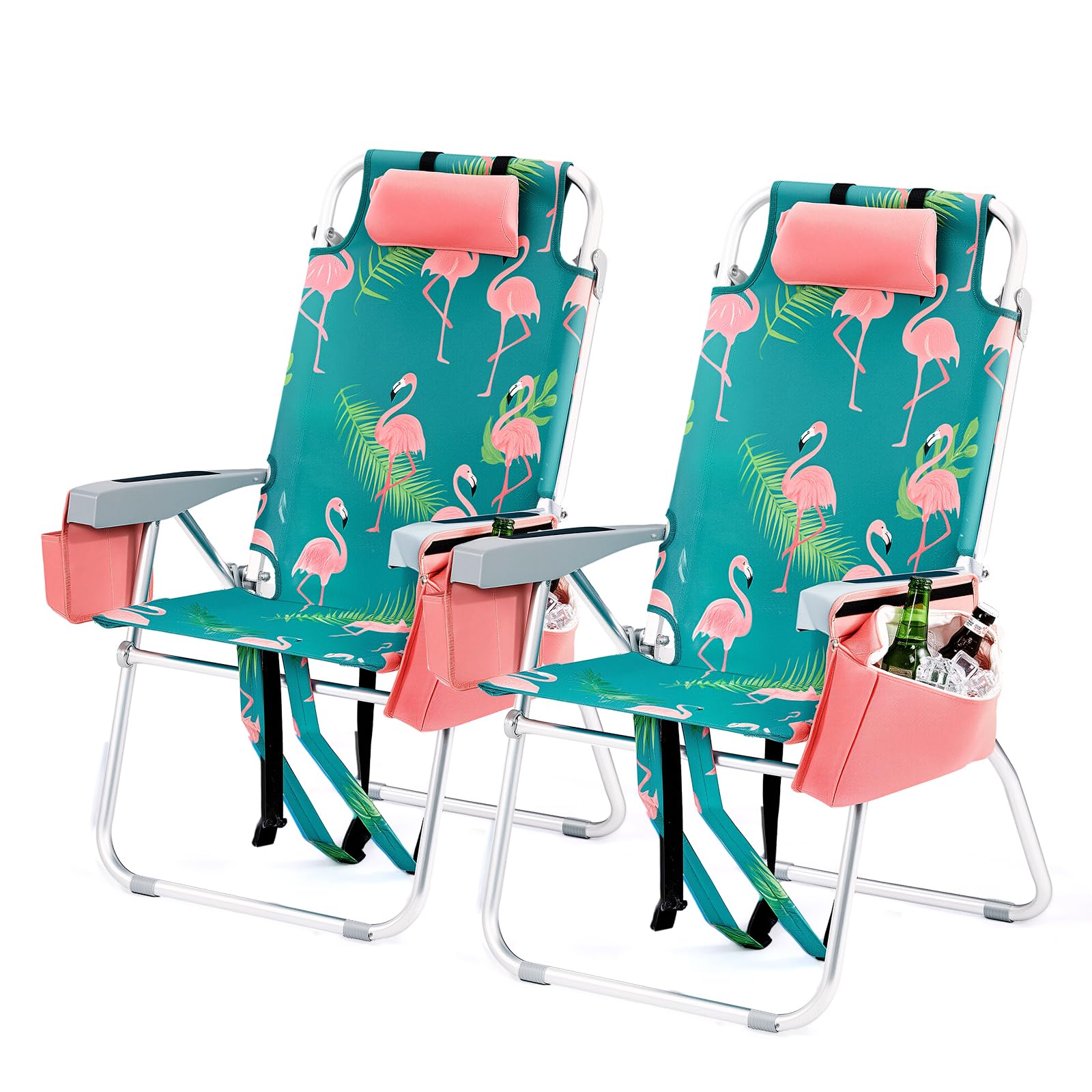
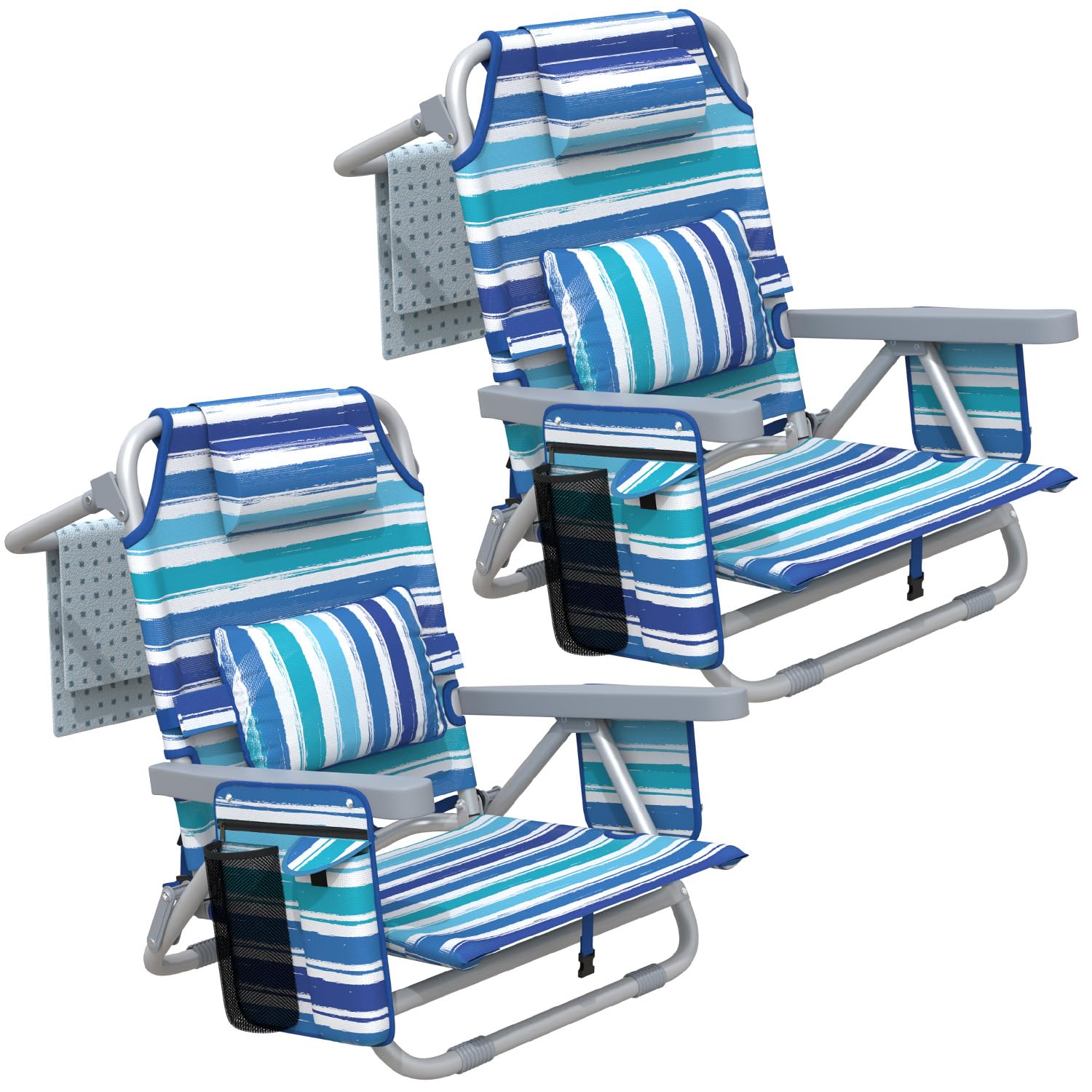


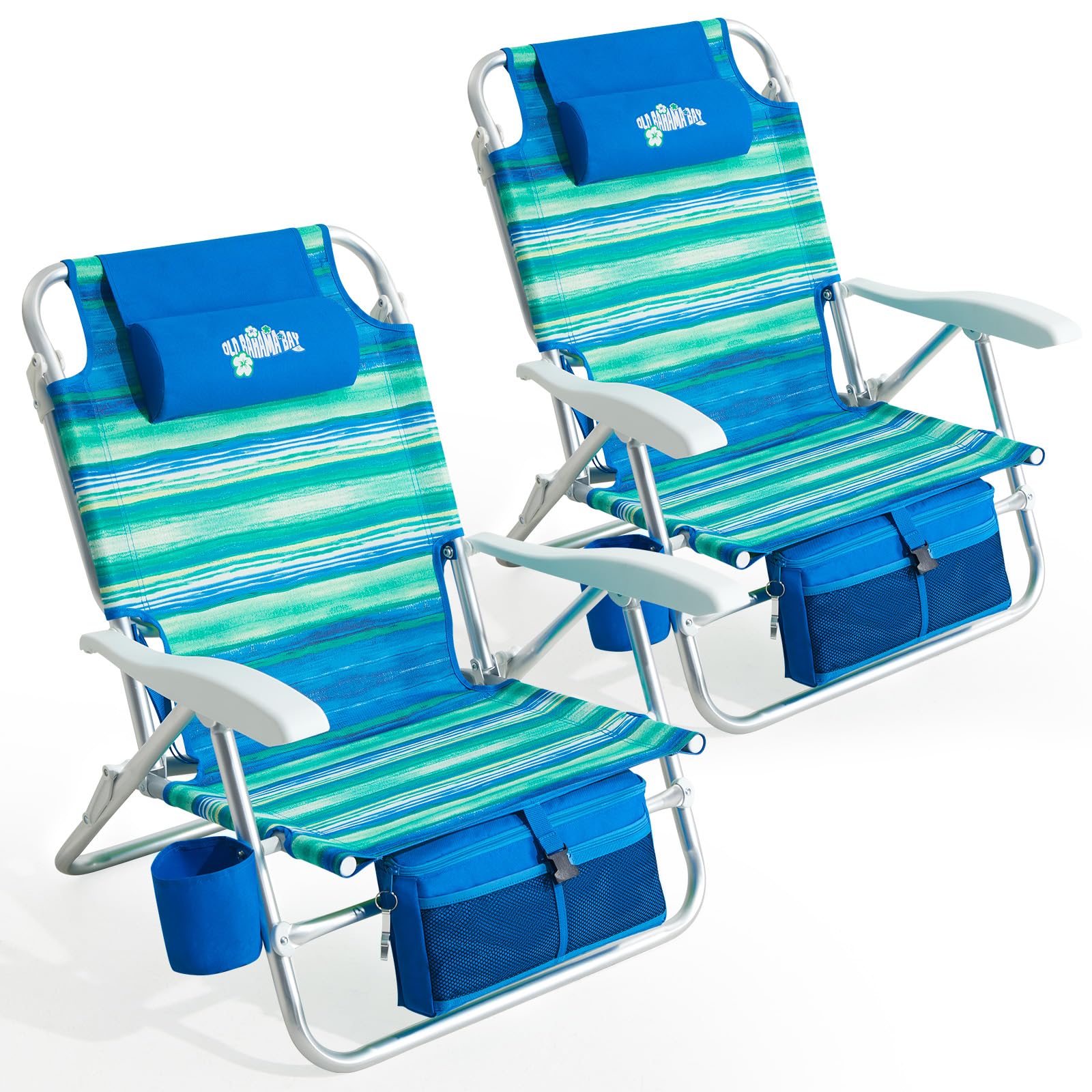
Best Beach Chairs for Adults: A Buyer Checklist
Run through these five checks in order, because a failure early in the list cannot be fixed later in it. A chair that cannot hold your weight safely is out, no matter how comfortable the fabric feels. A chair that fits your body but rusts in one summer is also out. Each check below names the figure that matters, what a sound class looks like, and the shortcut claims that should make you walk away.
Adult Fit, Capacity, and Support Come First
Adult sizing starts with the stated weight capacity, and the honest way to read it is as a class figure rather than a promise about one afternoon. Look for a capacity with real headroom above your body weight, because sand shifts under the legs and the load is never as even as it is on a showroom floor. A chair rated well above the sitter also flexes less, and less flex means the joints and rivets loosen more slowly. The seat width matters just as much, since a narrow seat that pinches the hips will end a beach day early.
Support in this class does not mean therapy, and no beach chair corrects posture or treats a sore back. It means the fabric holds its tension across the seat instead of sagging into a hammock, and the backrest reaches high enough to rest your shoulders against. If you already know your back is sensitive, treat that as a comfort question for the chair and a separate question for a clinician, not as something a product page can settle.
Seat Height and the Work of Standing Up
Seat height is the second check, and for adults it is often the one that decides the purchase. The classic low beach seat sits only a few inches above the sand, which is lovely for stretching your legs toward the water and hard work when it is time to stand. A higher seat class, around the height of a dining chair, asks far less of your knees and hips, and wide flat armrests give your hands a firm place to push. A low seat is harder to leave, plainly, and arms that feel sturdy under a downward push are the honest check.
Shoppers buying for parents or grandparents should weight this check heavily. Our guide to the best beach chairs for older adults goes deeper on seat height and arm support, because for that group the chair is only a good chair if getting out of it is easy.
Frame and Fabric That Survive Sand and Salt
Sand and salt are the two wear classes every beach chair lives in, and the frame material decides how long it resists them. Aluminum frames are the light class: they shrug off rust and keep the carry easy, but thin tubing bends when a heavier sitter drops into the seat. Steel frames are the strong class and usually carry the higher capacities, yet any scratch in the coating invites rust at the shore. Wood sits between them, handsome and solid, but it wants drying after every trip.
Fabric faces the same weather. Tightly woven synthetic fabrics dry fast, resist mildew, and fade slowly in strong sun. Padded seats feel plush for the first hour and then hold heat and water for the rest of the day. Rinsing and full drying after each trip are part of ownership for every class, because salt left in a hinge or a fold works on the chair all week while it sits in the garage.
Comfort for a Full Day Outdoors
Once fit and build pass, comfort is about small honest things. A recline with several locked positions lets you sit up for lunch and lean back for a nap without fighting the chair. A headrest pillow that can slide or come off beats a fixed lump that lands in the wrong place for your height. Armrests wide enough for a forearm, rather than a narrow bar, spread the pressure when you lean on them to shift position.
Mesh panels earn their keep on still, hot days by letting air move across your back. Storage pockets are pleasant but secondary, and a pocket that hangs where your calves rest becomes an annoyance instead of a feature. Judge comfort by the second hour, not the first minute, because that is when a sagging seat and a hot back make themselves known.
Carry Weight, Fold Size, and the Walk In
The last check is the trip between the car and the waterline. A chair that weighs about 6 to 10 pounds rides easily on one shoulder, while the wide high capacity classes can reach 12 pounds or more. Backpack straps change the math, since they free both hands for a cooler and an umbrella. Fold size matters for small trunks and crowded storage closets, so check the folded length rather than guessing from a photo.
If your walk is long, weigh the carry features as heavily as the sitting features. A slightly plainer chair that you actually bring is worth more than a luxurious one that stays home because it is a burden to haul.
Beach Chair Classes and Price Bands
Use the product table to compare picks; this section prices the classes in plain bands. The low slung classic class usually runs about $25 to $50, with light frames, low seats, and capacities aimed at average builds. The mid band, about $50 to $90, is where higher seats, sturdier frames, and capacities around 250 to 300 pounds become common, and it suits most adults best. Above that, about $90 to $160 buys the heavy duty and extra wide classes, oversized seats, and fabrics chosen for long seasons of sun.
Paying more inside this category buys frame strength, seat height, and fabric that dries fast and fades slowly. It does not buy a different beach. If a premium chair and a mid band chair list the same capacity, seat height, and frame class, the gap is mostly finish and extras, and the mid band chair is the sensible spend. Spend the difference only when the bigger chair is measurably bigger where your body needs it.
Who Should Buy Which Beach Chair
Adults Who Want One Chair for Every Trip
Most adults are best served by the mid band: a seat high enough to leave without a struggle, a capacity with headroom, and a weight you can carry in one trip. Start from the wider family of best beach chairs and narrow by the numbers on this checklist rather than by looks. If two chairs tie on the figures, choose the one with the simpler fold, because you will fold it hundreds of times.
Seniors Who Read Long and Sit Long
Readers who settle in for hours should prize the high seat, firm armrests, and a backrest that supports the shoulders without forcing a slouch. The dedicated guide to best beach chairs for seniors covers the comfort side of this choice in more depth. Remember that a chair is furniture, not a mobility aid, and standing practice and a walking companion do more for a safe beach day than any frame.
Anyone Buying for an Elderly Parent
When the chair is a gift for an elderly parent, check the exit before anything else: sit, then stand, using only the armrests, on a hard floor at home. The guide to best beach chairs for elderly readers walks through the same comfort first framing. A chair that fails that home check will fail worse on soft sand, so exchange it while returning is easy.
Quick Buyer Checklist
- Is the stated capacity comfortably above the body weight of the person who will sit in it?
- Can the sitter stand up from the seat using the armrests alone, without rocking or help?
- Is the seat wide enough that the hips rest inside the frame rather than against it?
- Does the frame class fit your beach: light aluminum for long walks, coated steel for strength, wood only if you will dry it?
- Does the fabric dry fast and resist mildew, with padding only where it will not trap water?
- Can you carry the folded chair, plus your other gear, the full distance from car to sand in one trip?
- Does the recline lock firmly at each position, with no slip when you lean your weight back?
- Is there a warranty of at least a season, and a return window long enough for a home trial?
Red Flags to Watch For
The clearest red flag is a missing or vague capacity figure. A seller who will not state a number is asking you to guess at the one fact that keeps the chair safe. Treat listings for indoor seating, such as best officer chairs, as a different category entirely, since office frames are never built for sand, salt, or sun. Tiny folded photos that hide the leg span are another warning, because width at the feet is what keeps a chair steady on uneven ground.
Be wary of padded seats sold as luxury for the beach, since foam that drinks seawater stays damp and heavy. Short warranties on a frame, hinges described without any material named, and reviews that praise a chair no one seems to have taken outdoors all point the same way. When the numbers are missing, the chair is asking for trust it has not earned.
How to Make Your Beach Chair Last Longer
Rinse the whole chair with fresh water when you get home, paying attention to the hinges and the feet where sand packs in. Open it fully and let it dry in the shade before folding, because a chair stored damp grows mildew in the seams and rust at the joints. Work the recline locks once or twice while it dries so grit does not set inside them.
Store the chair out of direct sun, since the same light that fades the fabric also weakens it over time. Check the fabric tension and the rivets at the start of each season, and retire a chair whose frame has bent or whose seat has torn at a stress point. A sound chair gives several seasons; a tired one should not be trusted with a long drop onto packed sand.
Beach Chairs: Questions Answered
What features matter most in beach chairs for adults?
Weight capacity and seat height matter most, because they decide whether the chair fits a grown body and whether the sitter can stand up without help. After those, frame material and fabric decide how many seasons the chair survives at the shore. When friends ask about the best chairs for adults generally, the same order applies: fit first, build second, extras last.
Is an expensive beach chair worth it?
An expensive beach chair is worth it only when the extra money buys measurable things: a higher capacity, a taller seat, a stronger frame class, or fabric that dries faster and fades more slowly. If the figures match a mid priced chair, the premium is paying for finish and branding. Many adults find the middle band, about $50 to $90, covers every real need.
How long should a good beach chair last?
A good beach chair should last about three to five seasons of regular use, and longer when it is rinsed, dried, and stored out of the sun. The fabric usually ages first, fading and losing tension before the frame gives out. Chairs left damp in a garage or stored folded while wet often fail in a single season, whatever their price.
What seat height suits adults who struggle to stand?
A seat around 14 to 17 inches off the ground suits most adults who find low seats hard to leave, since it is close to ordinary chair height. Pair that height with wide, flat armrests that sit firmly under your palms. Very low seats of about 4 to 8 inches belong to younger sitters who like to stretch out near the water.
How do I choose the right size beach chair?
Choose the size by measuring the sitter, not the photo: hip width against seat width, body weight against stated capacity, and leg length against seat height. Add headroom to every figure, because sand makes loads uneven. If the sitter falls between classes, take the larger one, since a roomy seat is a comfort and a tight seat is a daily irritation.
Final Thoughts
Three checks do most of the work: a capacity with headroom, a seat height your knees can manage, and a frame and fabric pairing that can live with sand and salt. Everything after that is preference. Use the product table to compare options against those numbers, pick the band that fits your budget, and give the chair a home trial while the return window is open. Chosen that way, the best beach chairs for adults are simply the ones that fit your body, survive your beach, and make the walk in feel easy.


