Best Battery Drills by Budget: Smart Picks for 2026
Disclosure: We may earn a commission when you buy through links on this page, at no extra cost to you. As an Amazon Associate I earn from qualifying purchases. Learn more
Learn how to choose the best battery drills for home projects, from power and battery life to chuck size and price tiers, plus care and safety tips.
Shopping for best battery drills can feel confusing because prices run from modest starter kits to costly professional grade sets, and the boxes often highlight numbers that matter less for home use. This guide sorts the market by budget so you can see where extra money helps and where it simply buys capacity you may never need. Use the product table to compare the options side by side before you read the detail.
A good drill should feel balanced, hold a charge through a typical job, and accept the bits you already own. Think about the work you actually do, such as hanging shelves or drilling into studs, and let that work set your budget. Frequent deck or renovation work calls for a stronger motor and a second battery.


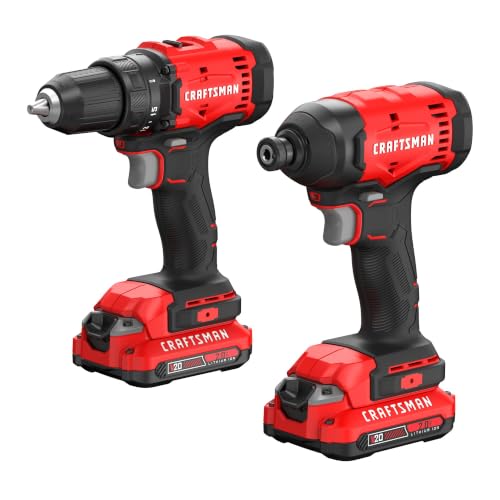
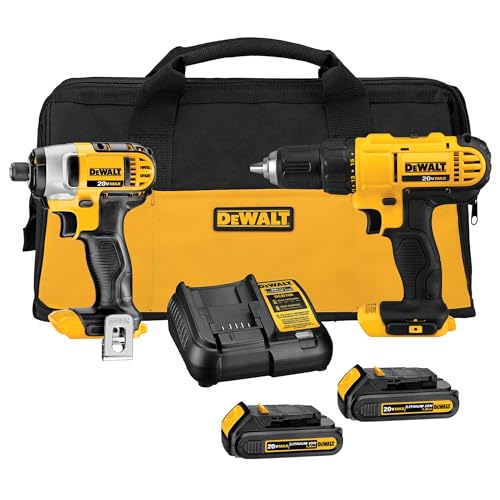
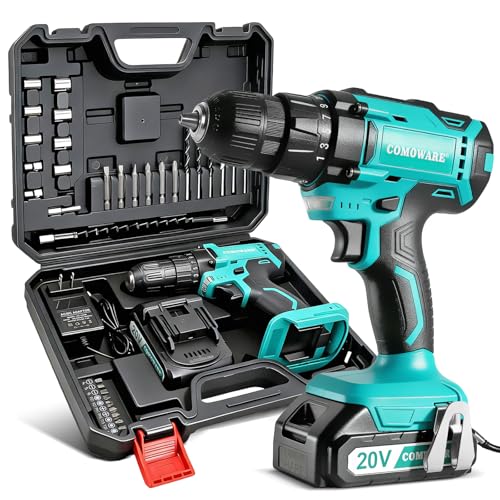
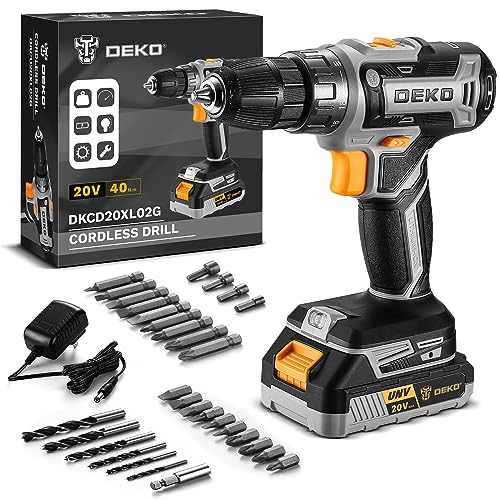
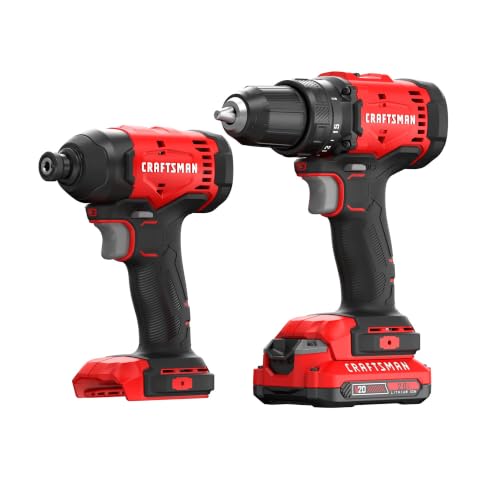
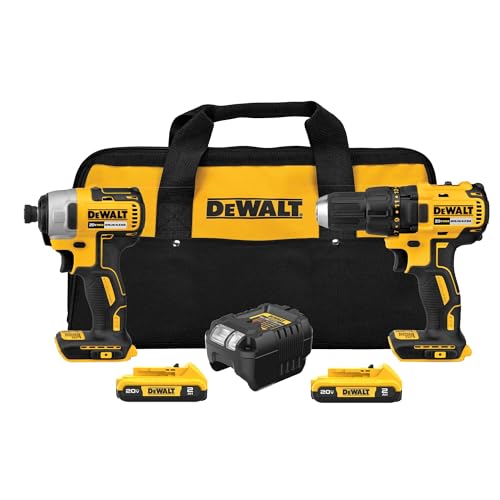
Choosing the Best Battery Drills by Budget
Budget level is a useful starting point, but it should not be the only factor. A low cost drill with a comfortable grip can beat a stronger drill that feels awkward or runs out of charge mid job. Look at power, battery size, chuck size, and warranty together.
Budget Level Buyers
Budget level buyers usually drill into drywall, softwood, and thin metal a few times a month. A compact drill with a single battery, a 10 mm or 13 mm chuck, and a variable speed trigger often covers these tasks well. You may give up a second battery and a brushless motor at this level, so plan to charge between jobs.
Midrange Level Buyers
Midrange level buyers want one drill for a wider mix of projects, from building a fence panel to fitting cabinets. At this level you often get a larger battery, a brushless motor, a sturdier chuck, and a better grip that reduces fatigue. This level suits buyers who drill weekly or want a drill that stays capable as projects grow.
Premium Level Buyers
Premium level buyers drill often, work with hardwood or masonry, and want long run time and durable construction. At this level you often get a high capacity battery, a second battery, a metal chuck, and a stronger gearbox. The extra cost makes sense for large renovation work.
What Your Money Gets You at Each Price Tier
Price tiers reflect motor design, battery capacity, build materials, and what comes in the box. A higher price does not always mean a better drill for your home, because a heavy tool can feel tiring for small tasks. When comparing the best battery drills, choose the lowest tier that meets your regular needs with some room to grow.
Budget Tier: What to Expect
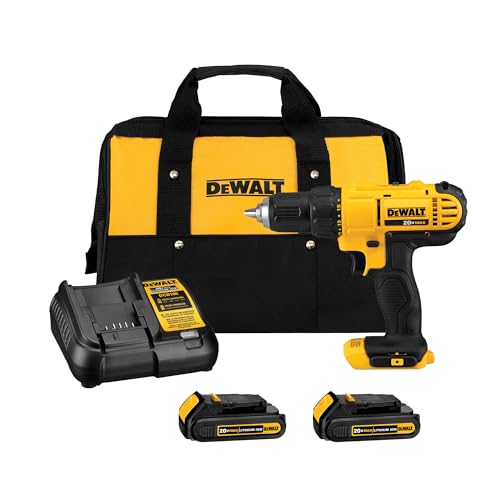
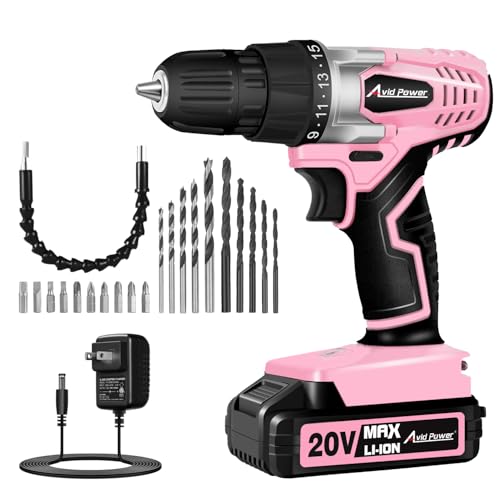
Budget tier drills usually cost about $40 to $80 and come with one small battery, a basic charger, and a simple case. Torque is modest, so these drills suit pilot holes, screws in softwood, and light assembly work. Expect to recharge more often on bigger jobs.
Midrange Tier: A Strong All Round Choice
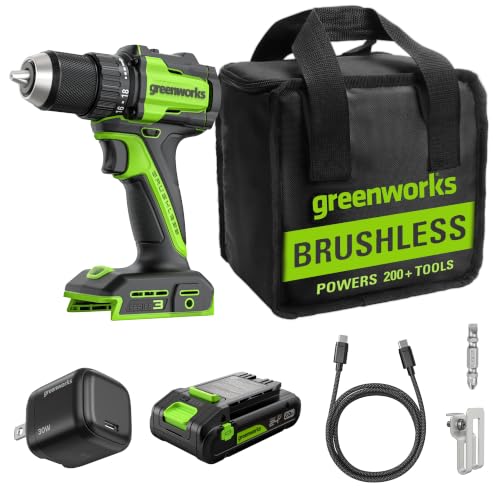
Midrange tier drills usually cost about $80 to $160 and often include a brushless motor, a larger battery, and a more comfortable grip. Torque and speed control improve, so these drills handle hardwood and longer screw driving jobs with less strain. Many buyers find this tier the best balance of power, weight, and value.
Premium Tier: When Spending More Pays Off
Premium tier drills usually cost about $160 to $300 and often include two high capacity batteries, a fast charger, and a durable metal chuck. These drills suit frequent users who need steady power and long run time. For occasional home use, this tier may offer more power than you need.
Features Worth Paying For (and Ones to Skip)
Some features change how a drill feels in daily use, while others add cost without helping your projects. Focus first on power delivery, battery platform, and comfort, and treat extra lights and belt hooks as extras rather than deciding factors.
Warranty and Brand Ecosystem
A warranty of three to five years can signal a maker that stands behind its tools, but read the terms to see whether batteries are included. A shared battery platform matters more over time, because one set of batteries can power several tools. If you already own tools from one platform, staying with it often saves money and space. See our guide to best battery blowers for an example of a shared platform across garden tools.
Accessories Included
The box contents can change the real cost, because a second battery, a fast charger, and a bit set can cost as much as the drill itself when bought separately. A kit with two batteries suits long jobs, while a single battery kit suits short tasks. For a fuller kit view, see our guide to best battery drill sets and compare what each kit includes.
Durability and Brushless Motors
A brushless motor has no carbon brushes to wear out, so it often runs cooler, lasts longer, and uses charge more efficiently than a brushed motor. That efficiency shows up as longer run time, which matters on jobs with many screws or holes. A metal gearbox and a sturdy chuck also add durability. For light occasional use, a brushed motor can still serve well and keep the price down.
Corded Versus Cordless and Battery Platform
A cordless drill offers freedom to move around a room, up a ladder, or out to a fence without searching for an outlet, and that freedom is the main reason most home buyers choose battery power. A corded drill still offers steady power for long stationary jobs, but it limits movement. Within cordless tools, 12 volt, 18 volt, and 20 volt platforms set the power range, and batteries usually work only within the same platform. A shared platform can also power other tools, as shown in our guide to best battery powered vacuums.
Long Term Costs to Factor In
The purchase price is only part of the total cost, because batteries wear out, bits dull, and chargers can fail over years of use. Budget for a replacement battery every few years if you drill often, and for a basic bit set for wood, metal, and masonry. A widely available battery platform usually keeps replacement costs lower, because you can buy a battery alone.
Safe Use Basics
Follow the maker guidance for your drill, and wear eye protection whenever you drill or work overhead where dust and chips can fall. Secure the workpiece with a clamp when you can, and keep loose clothing and hair away from rotating parts. Store the drill and its batteries away from children, and away from heat and sharp objects.
Battery Drills: Your Questions Answered
Is a brushless motor worth it?
Yes, a brushless motor is worth it for frequent users because it usually delivers longer run time, cooler operation, and less maintenance than a brushed motor. The benefit is smaller for occasional users, because a brushed motor can handle light work at a lower price. Consider how often you drill and whether longer run time would save you from stopping to recharge mid job.
Can I use batteries across brands?
No, batteries generally work only within the same maker platform, even when the voltage rating looks the same. Each maker uses its own battery shape, connector, and controls, so a battery from one brand will not fit another brand tool. Before you buy, check which other tools share your chosen platform. Adapters exist in some cases, but they can void a warranty, so follow maker guidance.
Corded or cordless: which is better for DIY?
Cordless is better for most do it yourself work because it lets you move freely around a home, a garden, or a ladder without managing a cord. Corded power suits long stationary jobs where steady output matters more than movement. For home projects, a cordless drill with a spare battery usually covers both short and medium jobs.
What specs matter most for home projects?
Torque, speed control, chuck size, and battery capacity matter most for home projects, because they set what you can drill and how long you can work. A variable speed trigger helps you start holes cleanly, while a clutch stops screws at the right depth without stripping them. A 13 mm chuck accepts a wider range of bits, and larger battery capacity suits longer jobs.
How do I choose the right voltage?
Choose voltage by matching it to your heaviest regular job, not by picking the highest number on the shelf. A 12 volt drill suits light assembly, while an 18 volt or 20 volt drill suits hardwood and long screws. Higher voltage tools often weigh more, so balance power against comfort if you work overhead.
Final Thoughts
The right drill matches your regular jobs, feels comfortable, and fits a battery platform you can grow with. Midrange models suit most buyers, budget models suit light work, and premium models suit frequent heavy use. Before you order, check the product table above, compare chuck size, battery capacity, and warranty, and choose the lowest tier that covers your needs. A well chosen pick from the best battery drills should make home projects easier for years to come.