Best Battery Powered Cameras: A Checklist for 2026
Disclosure: We may earn a commission when you buy through links on this page, at no extra cost to you. As an Amazon Associate I earn from qualifying purchases. Learn more
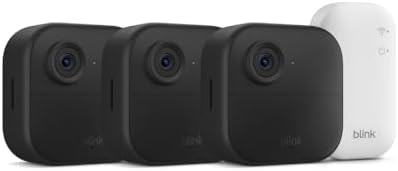
Use this checklist to compare the best battery powered cameras by battery life, recording quality, storage, weather sealing, and placement before you buy.
A battery powered camera promises a simple install, and the simple part ends at the mounting screw. What decides your experience is how often you climb a ladder to recharge, how clear the night clips look, and how much storage quietly costs each month. This checklist puts those checks in a strict order, starting with the honest reading of best battery powered cameras: power first, pictures second, price last.
Use the product table as your short list while you read. Renters, owners of detached garages, and anyone guarding a gate far from an outlet all gain the most from this class, because none of them can run a power cable easily. If a wired run is simple at your home, read this checklist as a way to confirm that the battery trade is still worth it.


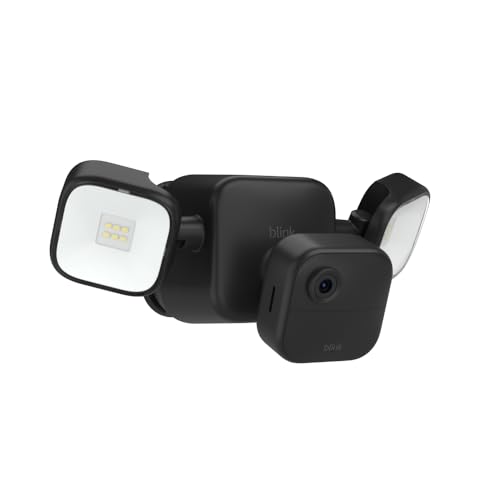
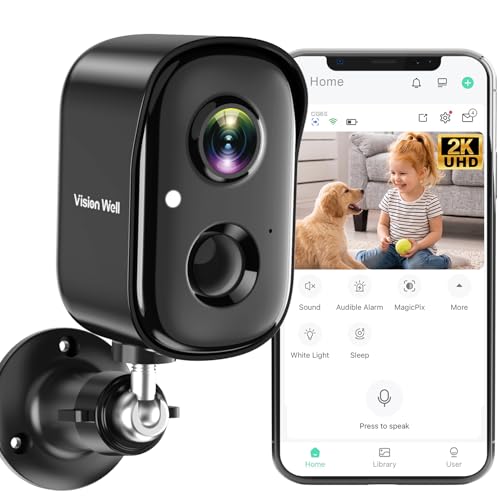

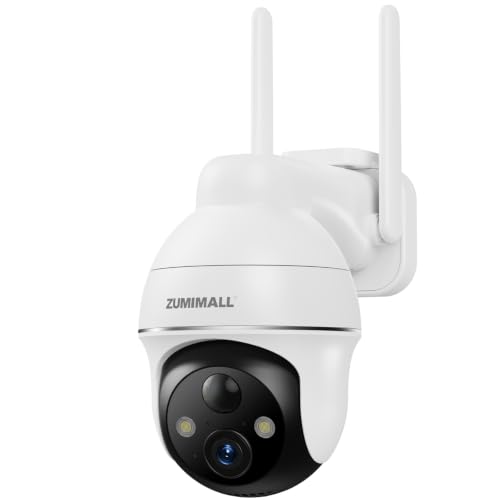

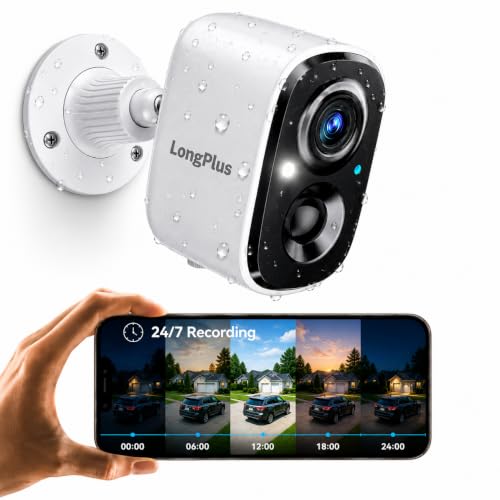

A Checklist for the Best Battery Powered Cameras
Start with power, because every other feature depends on it. Stated plainly, battery life figures are maker figures, gathered with light use in mild weather. Cold nights, a weak signal that keeps the radio searching, and busy recording schedules all cut those figures, sometimes to a fraction of the printed claim.
Battery Life and Power Options
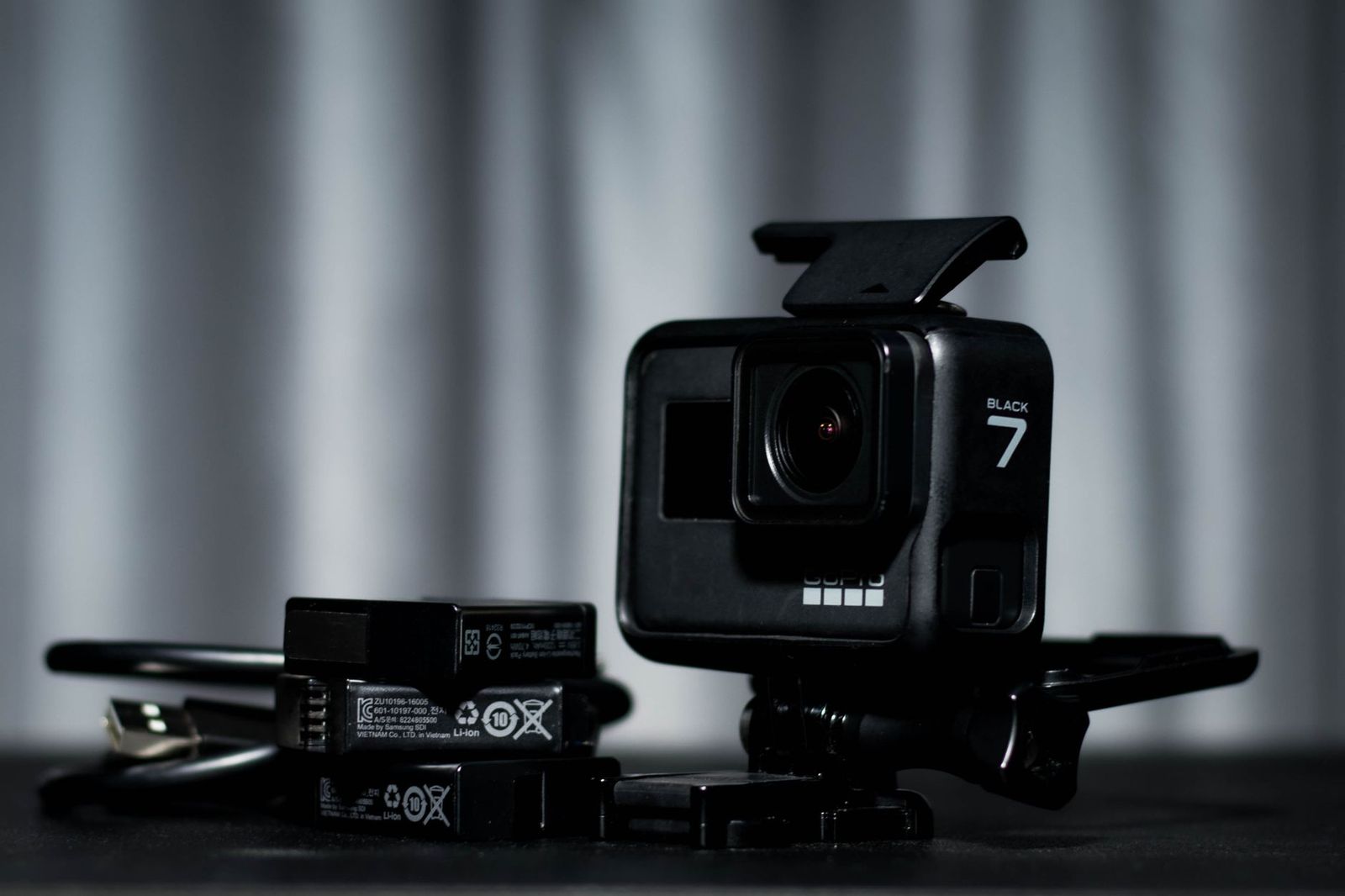
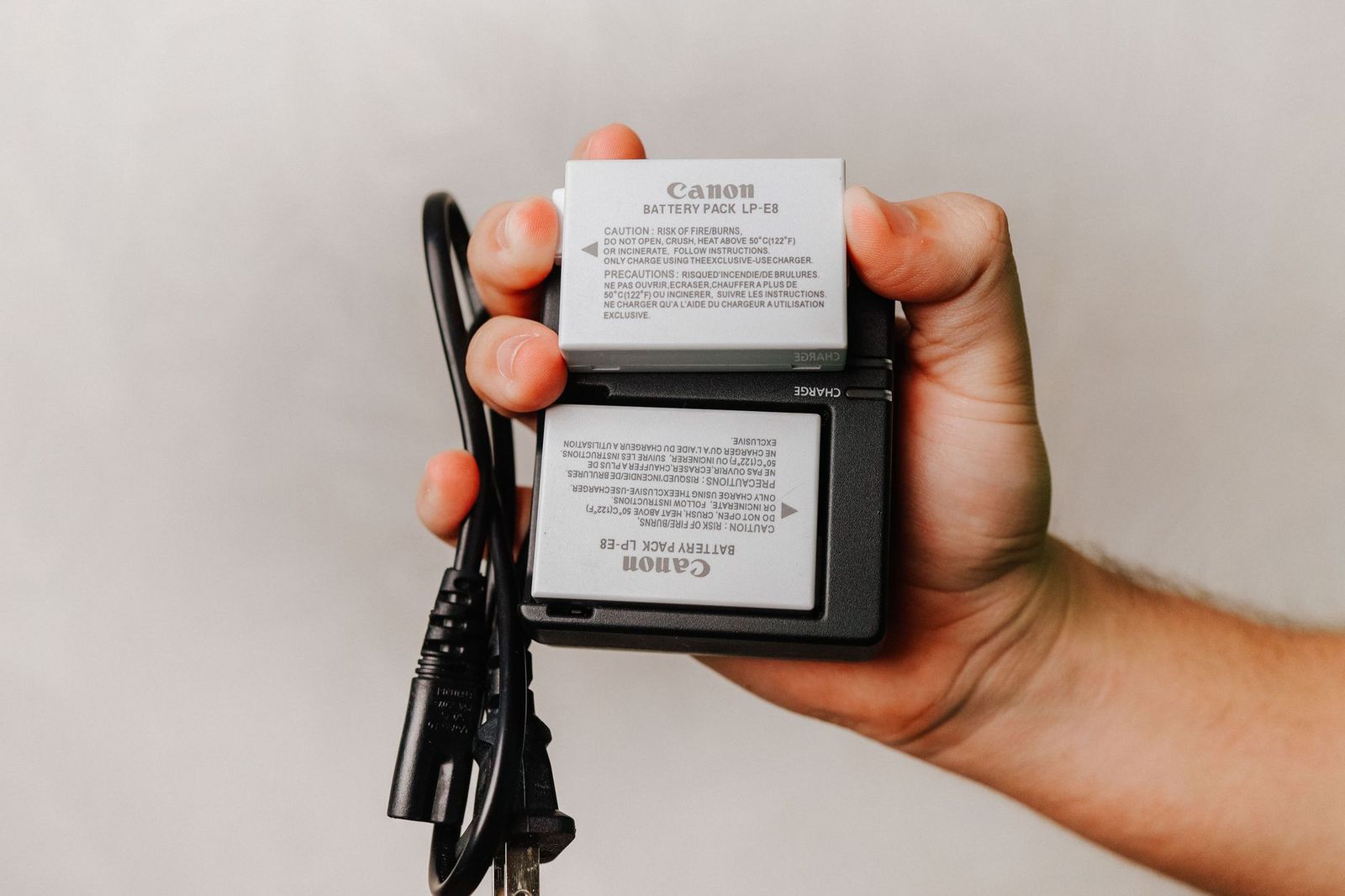
The swap and recharge classes split this purchase in two. A removable pack swaps in seconds, so a spare on a shelf keeps the camera watching while the flat pack charges indoors. A sealed unit must come off its mount for every charge, which turns a busy doorway into a monthly chore.
Capacity figures are guide numbers only, since trigger counts matter more than pack size. A camera battery is judged by months of standby between charges, not by minutes of active work.
Recording Quality and Night View
Resolution classes set the ceiling for detail, yet the lens and the sensor decide how much of that detail survives at night. Look for a stated night view range and treat it as a maker figure, then plan placement well inside it.
Wide views cover more ground and show smaller faces, so a camera guarding a door should favor a narrower view over a sweeping one. Motion detection range classes matter as much as picture classes, because a camera that wakes late records backs, not faces.
Weather Sealing and Housing
Outdoor units carry a sealing rating class, and the rating only holds when the charge port cover sits fully closed. A mount under an eave buys real protection that no rating replaces, while a fully exposed fence post mount stresses every seal weekly. Housing color sounds cosmetic until summer heat builds inside a dark shell and stresses the battery. Buyers comparing best battery powered outdoor cameras for open yards should weigh sealing and shade together, not as separate lines on a box.
Storage: Local Cards and Cloud Plans
Storage classes decide what a camera costs after the sale. A local card records with no monthly fee and keeps clips inside your home, but the card leaves with the camera if the camera is taken. A cloud plan keeps clips safe from theft and adds smart alerts, at a monthly cost that can pass the camera price within two years. Many guides to best security cameras battery powered treat the plan as the default, so check whether local recording works fully before you accept that assumption.
Alerts, Privacy, and Placement Rules
Read the password, update, and placement classes before price. A camera is a monitoring aid: it records and warns, it prevents nothing, so its value is evidence and early notice. Set a strong password, turn on automatic updates, and use two step sign in where the app offers it.
Placement carries duties as well as angles, because a lens aimed at a neighbor window or a shared walkway records other people daily. Local rules on recording and audio vary, so check yours before the camera goes up.
Mounting and Signal Reach
A battery camera still needs a solid signal, and the mount point must sit inside reliable range of your router or hub. Brick, metal siding, and long yard runs all weaken that link, and a weak link drains the battery as the radio retries. Check the exact spot with your phone before drilling, then mount around head height near doors so faces fill the frame. Owners of larger properties who look at best battery powered cctv cameras usually accept a recorder and longer cable runs instead, which is a different class of system entirely.
What the Price Bands Change
When you compare best battery powered cameras by band, the honest differences are battery size, night detail, and storage freedom, not the length of the feature list. Entry units around $40 to $80 cover one quiet door with short clips and basic alerts. The middle band, about $80 to $160, adds larger packs, sharper night view, and local storage on more units.
Above about $160 to $300, you are paying for stronger sealing, faster wake times, and plan free smart alerts. Shorter guides to best battery cameras often skip these bands, so use the product table to see which band each unit on your list belongs to.
Quick Buyer Checklist
- Can the battery be swapped, or must the whole camera come down to charge?
- Does the stated battery life name its conditions, or only a best case month count?
- Will the mount point sit in strong signal range on the worst weather day, not just today?
- Does local storage work fully if you never pay for a plan?
- Is the night view range stated, and is your placement well inside it?
- Are password setup, two step sign in, and automatic updates all offered in the app?
- Does the aim cover your ground only, without a neighbor window in frame?
Red Flags to Watch For
- A battery claim in months with no mention of triggers per day or temperature.
- No stated update policy, which leaves security fixes to chance.
- Local recording locked or crippled unless a monthly plan is active.
- A sealing claim with no rating class named anywhere on the box or listing.
- A warranty shorter than the battery life the box advertises.
Any two of these together should move a unit off your list, whatever its price band. A cheap camera that misses events is not a saving, and a costly one with locked storage is a subscription in disguise.
Setup and Care Tips
Charge the pack fully before the first mount, then update the firmware while the camera is still indoors and close to the router. Walk the detection zone at day and at night, adjusting sensitivity until passing cars stop waking the unit. Wipe the lens with a soft cloth monthly, since dust and spider silk scatter the night light and blur clips. Keep a simple charge routine on your calendar, because a camera found flat after an incident teaches the lesson too late.
Battery Powered Cameras: Questions Answered
How long do battery powered cameras really run between charges?
Run time depends mostly on triggers per day, so a camera over a quiet side gate can last months while one over a busy front path may need a charge in weeks. Lowering sensitivity, shrinking the detection zone, and shortening clip length all stretch the interval. Cold snaps shorten it again, so a midwinter check is wise even when autumn performance looked strong.
Do battery powered cameras need wifi to record?
Many units record to a local card with no network at all, but alerts, live view, and cloud clips all need a connection. A camera that loses signal keeps saving locally on most classes, then uploads or syncs when the link returns. If your mount point has weak coverage, choose strong local storage and treat remote alerts as a bonus, not the core job.
Can a solar panel keep a battery powered camera charged all winter?
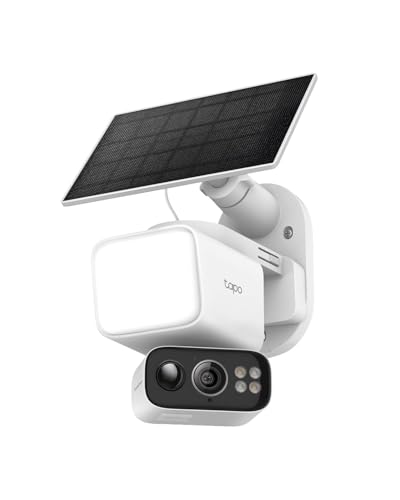
A panel can carry a modest camera through winter if it gets several hours of direct sun and the camera triggers sparingly. Shade, low sun angles, and short days cut the harvest hard, so a panel in a tree covered yard may only slow the drain. Plan on at least one manual charge in the darkest stretch, and treat the panel as an extender rather than a promise. For panel-ready models, see this guide to the best outdoor solar powered security camera.
Where should a battery powered camera be placed to record faces?
Faces record best when the camera sits near door height and looks slightly down the path people walk, not straight down from a high corner. A high mount shows hats and shoulders, which rarely identify anyone. Keep the subject path inside the middle of the frame, where lenses stay sharpest, and avoid aiming into sunrise or porch lights that wash out the scene.
Is local storage or a cloud plan better for a battery powered camera?
Local storage wins on cost and privacy, while a cloud plan wins when theft of the camera itself is a real risk. A middle path works for many homes: local recording for everything, plus a plan only during trips away. Whichever you choose, check playback before you rely on it, because finding a broken archive after an event is the worst outcome of all.
Final Thoughts
Judge every unit in the product table by the same order: honest battery expectations, storage you control, and placement that respects your neighbors. When those three checks pass, best battery powered cameras deliver exactly what the class promises, quiet watch over the spots a cable cannot reach.