
Best Outdoor Solar Powered Security Camera: Buying Guide
Disclosure: We may earn a commission when you buy through links on this page, at no extra cost to you. As an Amazon Associate we earn from qualifying purchases. Learn more
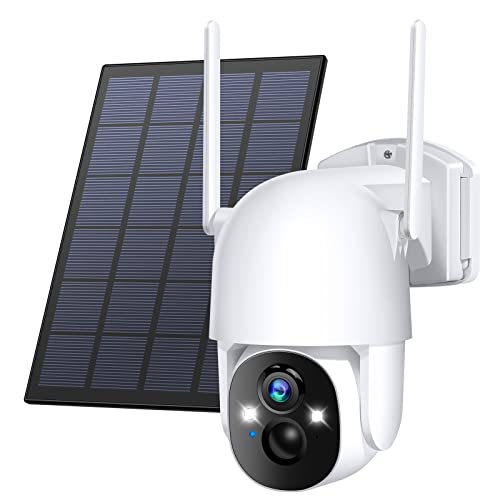
A complete guide to choosing the best outdoor solar powered security camera, covering solar panel wattage, battery capacity, night vision, PIR motion detection, weatherproofing, and storage options.
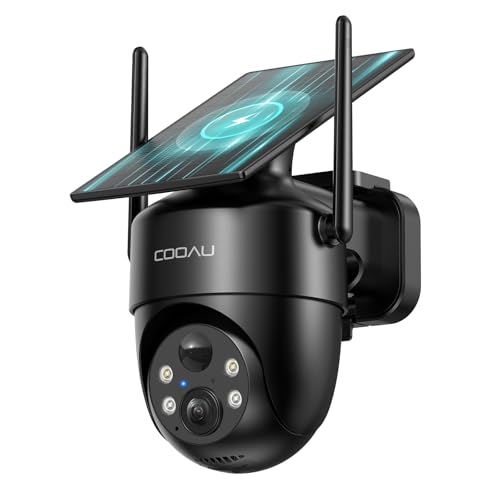
A wired security camera is only as good as the outlet near it, and most driveways, sheds, and back fences don't have one. That's the entire pitch of a solar powered camera: no cable run, no electrician, no dead battery to swap out every few weeks. But "solar powered" only works if the panel actually gets fed, and that depends on things a spec sheet glosses over, like how many hours of direct sun your specific mounting spot gets in January versus July, and what happens to detection speed when the camera switches into a power-saving mode to stretch a low battery. This guide walks through the parts of a best outdoor solar powered security camera search that actually determine whether the thing runs itself indefinitely or ends up needing a manual recharge every month.

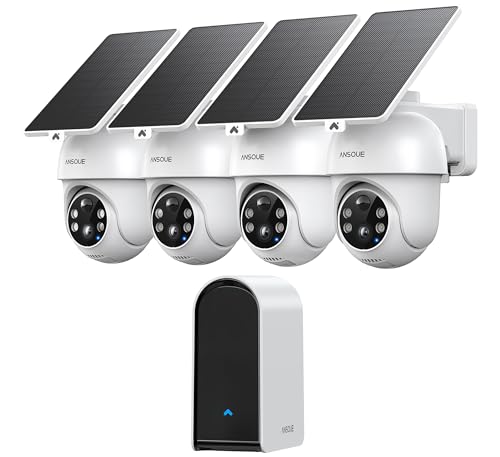
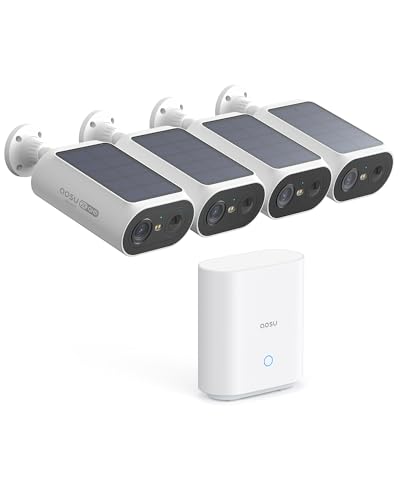

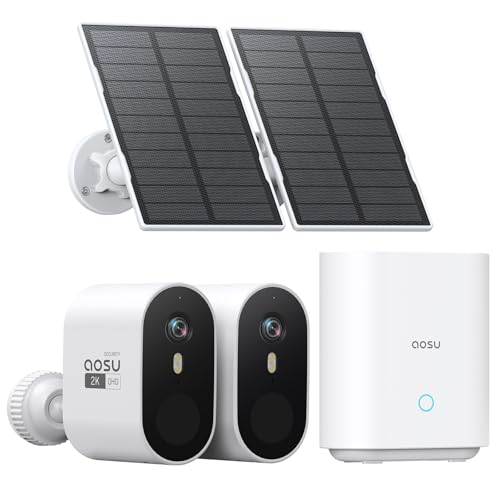
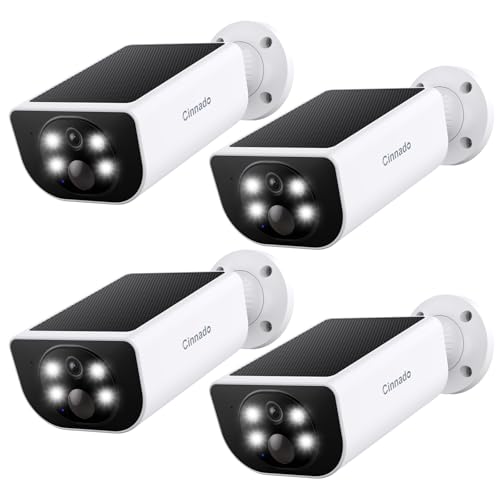
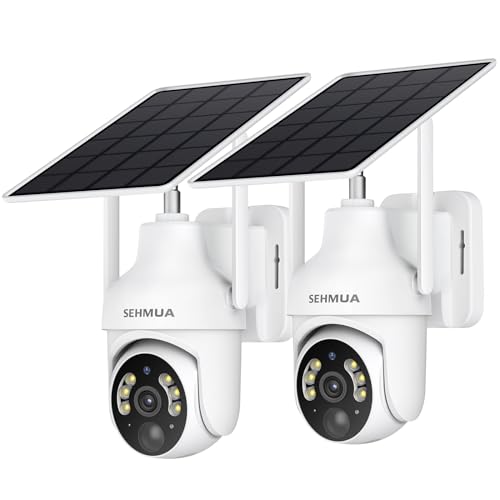
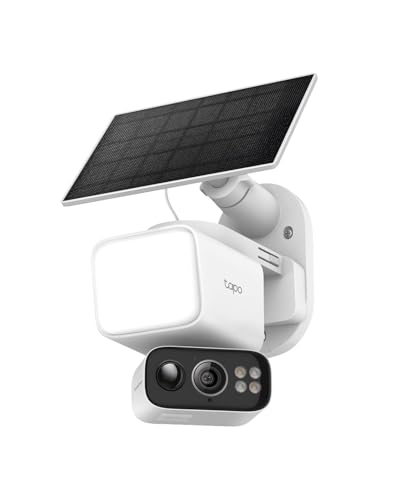
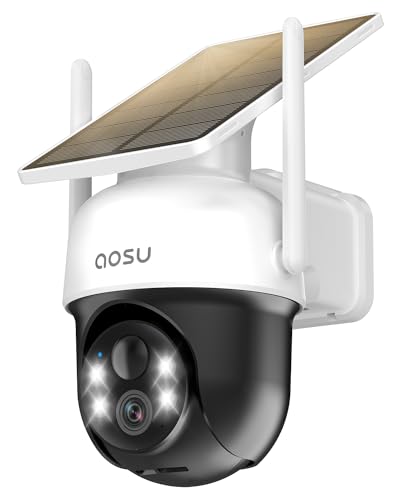
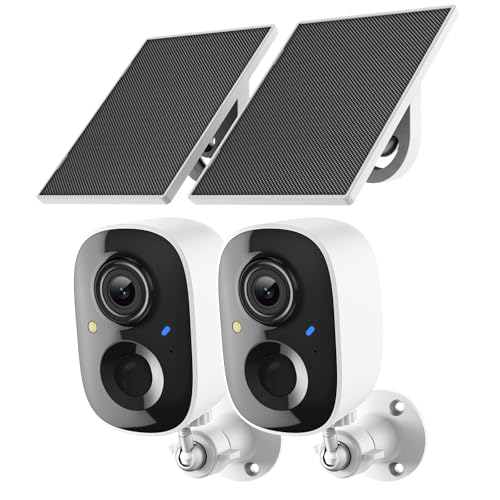

How Many Hours of Direct Sun Your Camera Actually Needs
Manufacturers love to advertise that a camera "runs on just 2 to 4 hours of sunlight a day," and technically that's true under lab conditions with minimal recording. In a real yard, with a camera that's actually triggering on package deliveries, cars, and the neighbor's cat, four to six hours of unobstructed, direct sun is a safer target for the battery to stay topped off year-round. The distinction that trips people up is "direct" versus "daylight." A spot that's bright all day but never gets the sun hitting the panel head-on, because it sits under a covered porch or in the shadow of a taller structure, will charge far slower than the hours-per-day number suggests. Before buying, walk the intended mounting spot at a few different times of day and note when the sun is actually falling on that exact patch of wall or fence, not just when the general area feels sunny.
Getting Panel Placement and Tilt Right Through the Seasons
Direction matters as much as duration. In the northern hemisphere, a panel facing south with a clear view of the sky collects noticeably more charge than one facing east or west, since it stays in the sun's path longer through the middle of the day. Tilt angle is the part most people skip entirely. A rough rule of thumb is to set the panel's tilt close to your local latitude, then steepen it by roughly 15 degrees for winter, since the sun sits much lower on the horizon once daylight hours shrink. Few people are going to climb a ladder twice a year to re-angle a camera bracket, so if you can only pick one fixed angle, lean toward the steeper winter setting. It costs a bit of efficiency in summer but avoids the much bigger shortfall in the months when daylight is already scarce. Also worth checking each season: a spot with full sun in July can fall into shade by December once the sun's arc drops, even without anything physically changing about the yard. Trees lose their leaves and let more light through, but rooflines and neighboring structures cast longer shadows as the sun angle lowers, and that shift catches a lot of people off guard the first winter after installation.
If your setup is spread across an entry point, a solar camera on the fence line pairs well with a solar motion sensor light mounted nearby, since the sudden illumination adds a visible deterrent that works alongside, not instead of, the camera's own recording.
Battery Reserve: How Long It Runs When the Sun Doesn't Show
Panel wattage gets the sun back into the battery, but battery capacity is what determines how long the camera survives a stretch of storms or a solid week of overcast skies. Batteries on current models range from around 4,000mAh up to 13,000mAh, and the gap between those numbers is significant. A larger pack in the 9,000mAh to 13,000mAh range can often coast for a few months on a single charge if recording activity stays light, while a smaller 4,000mAh to 5,000mAh battery might only hold on for a matter of weeks under the same conditions. Those figures assume minimal motion triggers, though. A camera parked next to a busy sidewalk or a driveway with regular traffic will burn through reserve much faster than one watching a quiet side yard, since every recorded clip, every push notification, and every use of a built-in spotlight or siren pulls directly from that same battery. As a practical baseline, a fully charged battery with zero sun input typically buys somewhere between two and seven days of normal use before it needs the panel to catch back up. That window is the real safety margin worth sizing for, not the multi-month figures that assume the camera barely records anything.
Signs the Battery-to-Panel Match Is Undersized
- Notifications slow down or stop arriving a day or two after a run of cloudy weather
- The app shows a battery percentage that never climbs back above 60-70% even on clear days
- Color night vision or the spotlight stops working while basic recording still functions, since those features get cut first to conserve power
Why Motion Alerts Lag on Solar Cameras (and How to Cut the Delay)
One of the more common complaints with solar cameras isn't that they miss motion outright, it's that the alert arrives a few seconds after the moment already passed. Part of that comes down to how PIR sensors work: they read heat signatures moving laterally across the frame far more reliably than something walking straight toward the lens, so a person approaching head-on from the driveway can trigger later than someone crossing the yard. The bigger factor, though, is power-saving mode. When a battery runs low, many cameras automatically throttle how often they wake up and check for motion, trading a faster response time for a longer runtime. That's a reasonable trade during a rough weather stretch, but it means the exact moment your battery is weakest, likely a stretch of gray winter days, is also when detection gets slowest. Weak Wi-Fi at the mounting spot compounds the delay further, since a marginal signal takes longer to push the clip and notification through, and outdoor cameras are frequently mounted in the corner of a property specifically because that's where wireless coverage is already thin. Keeping firmware current, positioning the camera within solid range of the router, and sizing the battery so it rarely dips into power-saving mode are the three levers that actually shrink that lag.
Wi-Fi Range or Fully Off-Grid: Choosing How It Connects
Most solar security cameras connect over standard 2.4GHz Wi-Fi, which is the simpler and cheaper route as long as the mounting spot is within reasonable range of your router. For a detached garage, a barn, a rural property, or a job site where no home network reaches at all, a 4G LTE cellular model solves that problem by connecting straight to a mobile network through a built-in SIM card, no Wi-Fi required anywhere in the setup. The trade-off is ongoing cost. A standard Wi-Fi camera has no data expense beyond an optional cloud storage plan, while a cellular model typically needs a paid data plan after an initial trial period, on top of any storage subscription. For most suburban homes, a Wi-Fi model mounted within solid signal range is the more economical choice, and it's usually the version that pairs cleanly with one of the smart home hubs already running lights, locks, or an alarm elsewhere on the property. Cellular only earns its extra monthly cost when there genuinely isn't a network option, which is often the exact scenario prompting someone to look into a smart home security system that combines a camera with sensors and an alarm panel that can also work off a cellular backup line.
It's also worth separating a solar security camera from a video doorbell camera, since the two get compared often but solve different problems. A doorbell camera covers a single entry point and usually draws power from existing doorbell wiring or a small rechargeable pack, while a solar camera is built to sit anywhere on a property, driveway, back fence, detached shed, with no wiring and no need to be near a door at all.
Frequently Asked Questions
How many hours of direct sunlight does a solar security camera need?
Vendors often advertise 2 to 4 hours as sufficient, but 4 to 6 hours of unobstructed, direct sun gives a much safer margin once the camera is actually recording regular activity rather than sitting idle.
Will the battery survive a whole cloudy week?
A fully charged battery with no sun input typically lasts two to seven days under normal use, depending on capacity and how much motion the camera records. Larger battery packs paired with a properly angled panel handle multi-day cloudy stretches with the most headroom.
Why does my solar camera's alert arrive late?
Low battery often triggers a power-saving mode that slows how frequently the camera checks for motion. Weak Wi-Fi at the mounting spot and a subject walking straight toward the lens rather than across it can add to the delay as well.
Do I need to change the panel's angle for winter?
You don't have to, but a steeper tilt, roughly your latitude plus 15 degrees, captures the lower winter sun more effectively. If you can only set one fixed angle, biasing toward the winter setting avoids the bigger shortfall since summer sun is more forgiving either way.
Can a solar security camera work without any Wi-Fi at all?
Yes, through a 4G LTE cellular model that connects via a built-in SIM card instead of a home network. It costs more to run long-term because of the data plan, but it's the practical option for detached buildings or properties without wireless coverage.
Is a bigger solar panel always better than a bigger battery?
Not necessarily; they solve different problems. The panel determines how fast the battery recovers on a sunny day, while battery capacity determines how long the camera survives when the sun doesn't show up at all. A camera that runs a spotlight or siren regularly needs both sized generously, not just one or the other.