Best Batteries for Digital Cameras in 2026: Budget Guide
Disclosure: We may earn a commission when you buy through links on this page, at no extra cost to you. As an Amazon Associate I earn from qualifying purchases. Learn more
Compare the best batteries for digital cameras by budget, chemistry class, format and shelf life, with honest guidance on spares, chargers and cost per trip.
Battery prices for one camera range from a few dollars for disposables to well over one hundred dollars for spares and a good charger. Spending more does not help if the chemistry class or the size class is wrong for your camera. This guide to the best batteries for digital cameras sorts the choice by budget first, so you can see where money actually buys more shooting and where it buys nothing.
Read the price tiers first, then the chemistry and format sections before ordering anything. The sections below explain which class fits a light travel kit, a family camera, or a camera that works hard every weekend.
Best Batteries for Digital Cameras at Each Price Tier
Budget is the honest starting point, because the same camera can run on cheap disposables or on a rechargeable kit that costs ten times more at the start. The tiers below describe classes, not single products, and each makes a different trade between money spent now and money spent later.
Budget Tier: Disposable Packs for Light Use
At about $5 to $15, you are buying disposable cells in small packs, bought as you need them. This tier suits a camera that comes out a few times a year, where a charger would sit unused and slowly lose its own charge. The trade is cost per shot: each pack is cheap, but heavy shooting burns through packs fast, and a camera used weekly will cost more here over a year than in any other tier.
Midrange Tier: Rechargeable Kits for Regular Shooting
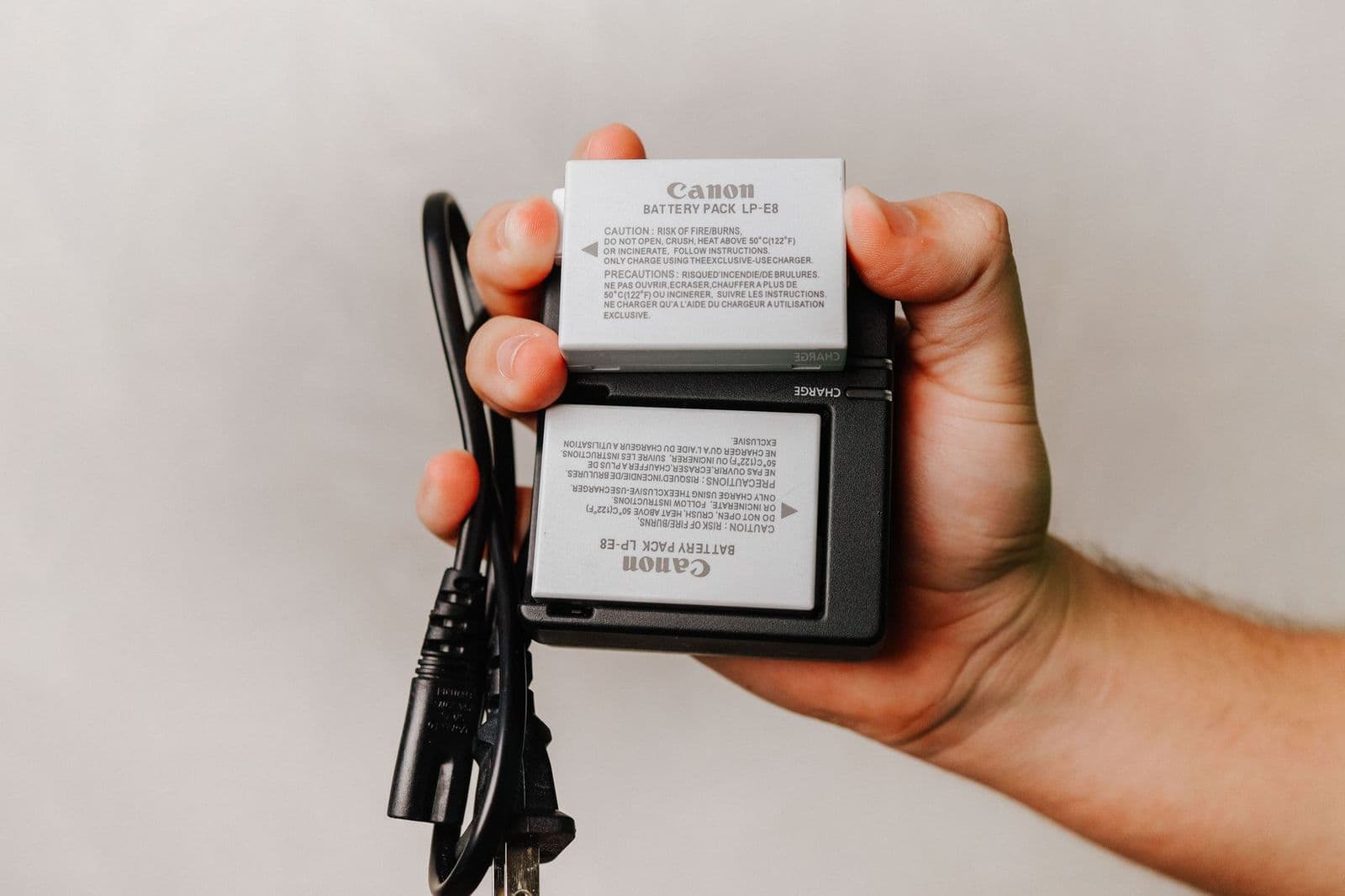
At about $20 to $50, you are buying rechargeable cells with a charger, or a spare pack for a camera that uses its own battery shape. This is the tier most owners should land in, because the cost is paid once and spread across hundreds of shooting days. The trade is care: rechargeable cells need charging before a trip and lose charge slowly in storage, so the kit pays off only with a simple routine around it.
Premium Tier: Spares, Fast Chargers and Cold Weather Cover
At about $60 to $120, you are buying depth rather than a different kind of power. That depth means two or three spares, a charger that handles two at once, and lithium cells for cold days when other chemistries fade early. This tier suits wedding guests who shoot all day, travelers far from outlets, and anyone whose camera is a work tool. If your camera sleeps in a drawer most weeks, this tier buys shelf stock, not better pictures.
Key Features to Compare
Once the budget tier is set, four factors decide whether the batteries serve the camera well. Chemistry comes first, because it shapes every other choice, and format comes second, because a battery that does not fit is no bargain at any price.
Chemistry Classes Split the Purchase
Stated plainly, chemistry classes split the purchase: alkaline, lithium and rechargeable classes trade cost, shelf and cold classes against each other. Alkaline cells are cheap and sold everywhere, but their voltage falls steadily as they drain, and many cameras read that fall as an empty battery long before the cells are truly spent. Lithium disposables hold voltage longer, weigh less, and keep working in cold air that weakens alkaline cells, but each pack costs more. Rechargeable cells cost the most at the start and the least over time, and low self discharge classes hold most of their charge for months.
That is why a guide to best alkaline batteries for digital cameras reads differently from a rechargeable guide: the alkaline buyer pays for convenience and instant availability, while the rechargeable buyer pays for a low cost per shooting day. Neither choice is wrong in itself. The mistake is buying one class while living the routine of the other, such as stocking disposables for a camera that shoots every school game all season.
Format and Size Classes Come Before Brand Loyalty
The size class is read from the manual that came with the camera, and format classes are not interchangeable. Some cameras take AA cells, a smaller group takes AAA cells, and many take a flat proprietary pack shaped for one camera family only. Guessing from a photo online is the most common buying error here, because two packs can look alike and differ in contacts or thickness.
If your camera takes AA cells, the dedicated guide to best batteries for digital cameras aa covers that size in depth. If it takes the smaller size, the guide to best aaa batteries for digital cameras does the same for that format. Shoppers still choosing the camera itself can start with best digital cameras and check which battery class each candidate uses, because that class shapes running costs for years.
Capacity Figures and the Counterfeit Problem
Capacity is printed as a milliamp hour figure on rechargeable cells and packs, and bigger numbers look better on a listing. Treat those numbers with care. Capacity fraud is a real class risk in this category: unbranded capacity figures are best read as advertising rather than as measurement.
Cells promising far more capacity than known classes deliver usually weigh less, not more, because the inside is partly empty. A fair check is weight and price together. A cell that claims twice the capacity at half the price and half the weight is telling you the truth with its weight.
Honest capacity still matters, just within one chemistry class at a time. Comparing one rechargeable cell against another of the same class by its printed rating is reasonable. Comparing that rating against a lithium pack rating is not, because the two classes deliver power at different voltages and fade differently during a shooting day.
Shelf Life, Cold and Storage Behavior
Batteries age on the shelf as well as in the camera, and each class ages at its own pace. Lithium disposables are the storage champions and can sit for years and still deliver close to full power, which suits emergency kits and glove box spares. Alkaline cells store well but can leak late in life and damage contacts, so they should not sleep inside a camera for a year. Standard rechargeable cells lose charge fastest in storage, while low self discharge classes answer exactly that weakness.
Cold reverses some of this ranking. In freezing air, alkaline output drops early, rechargeable output drops less, and lithium disposables hold up best. Winter shooters should carry spares in an inside pocket, because a warm spare swapped in at midday often delivers more than a larger cold battery would.
Chargers, Spares and the Rotation Habit
A rechargeable purchase is really a small system: cells, a charger, and a rotation habit. The guide to best rechargeable batteries for digital cameras goes deeper on cell choice, but the charger rules are simple. Prefer a charger that reads each cell on its own channel, so one tired cell does not end the charge for the whole set. Keep charged and used cells in different pockets or cases so you never guess which set is fresh.
Two sets in rotation beat one larger set for most owners. One set works in the camera while the other charges or rests, and a tired set can be retired without leaving the camera powerless. Date each set with a small label, because sets bought together age together and should be replaced together.
Best Batteries for Specific Needs
Two needs come up often enough to deserve their own sections. One is the traveler or winter shooter who wants the strongest disposable class, and the other is the household that wants simple packs with no charger on the counter.
Best Lithium Batteries for Digital Cameras: Where Your Money Goes
The extra money for lithium disposables buys three things: steady voltage until late in the discharge, strong output in cold air, and light weight in a travel bag. Choose this class for trips where outlets are scarce, for winter outings, and as the spare set that lives in the camera bag for months. Skip it for daily home shooting, where a rechargeable kit does the same work for far less over a season.
Best Disposable Batteries for Digital Cameras
Disposable classes split into alkaline for price and availability and lithium for performance and storage, and the choice is a routine question rather than a quality question. Pick alkaline when the camera shoots rarely and packs can be bought locally the same day. Pick lithium when the camera must work after long storage or in the cold. Buy pack sizes that match your real pace, because a bulk bargain that expires in a drawer is not a bargain.
Long Term Costs to Factor In
Starting prices are only part of the story, because the honest cost of a battery class is the cost per shooting day across a year or two. Disposable classes have no charger cost, yet their running cost grows with every outing. Rechargeable classes cost more at the start, then ask for a replacement set every few years as capacity fades.
Proprietary packs sit between the two: no extra charger for many owners, but each spare costs more than a set of standard cells. Add small costs honestly too, such as a battery case that keeps spares from touching loose metal in a bag, and the picture stays accurate instead of optimistic.
Frequently Asked Questions
How many spare batteries does a digital camera owner really need?
One spare is enough for most owners, and two spares suit all day shooting. A single spare covers the common failure, which is a battery fading faster than expected during a long outing. Extra spares beyond two mostly add weight unless you shoot video for hours, work in deep cold, or travel for days without an outlet. Buy the second spare only after a real trip has shown that one spare runs short.
Can batteries from a different camera model be used safely?
Only batteries listed for your exact camera family should be used. Packs that look alike can differ in contact layout, thickness, or voltage behavior, and a pack that forces into place can damage the compartment or the contacts. The manual and the label inside the battery door name the accepted pack class. When a listing claims wide compatibility across many models, treat that claim as a reason to check the manual again, not as proof.
Why does a digital camera drain batteries while switched off?
Some drain is normal, because clocks and settings memory sip small amounts of power. Fast drain while off points to a tired battery, dirty contacts, or a camera left in a mode that keeps a sensor or screen ready. Clean the contacts with a dry cloth, charge a known good set fully, and check again. If a fresh set still fades within days, the camera itself needs service rather than another battery purchase.
Should batteries be removed from a digital camera during long storage?
Yes, batteries should come out for storage longer than a few weeks. Removing them protects the contacts from leaks in disposable cells and removes slow drain from rechargeable cells. Store the removed set in a case, partly charged for rechargeable classes, in a cool dry place. Before the next outing, charge rechargeable sets fully and try disposable sets in the camera at home, where a weak set is an inconvenience rather than a lost photo day.
Do rechargeable batteries damage older digital cameras?
No, rechargeable cells do not damage a camera that was built to accept their size class. The real issue is voltage behavior: rechargeable cells run at a slightly lower voltage than fresh disposables, and a few older cameras read that lower level as a nearly empty battery and shut down early. Try one set before a big event. If your camera accepts the class in its manual, the only risk is shorter indicated life, not harm.
Final Thoughts
Sort the budget first, then let chemistry and format do the rest. Regular shooters save the most with a rechargeable kit and a rotation habit, rare shooters save with disposables bought as needed, and cold weather or long storage pushes the choice toward lithium classes. Whichever tier fits your routine, the best batteries for digital cameras are the ones whose class matches how often and where you actually shoot, so check your camera manual against the classes above before you order.