
Best Battery Lawn Mower Buying Guide for 2026
Disclosure: We may earn a commission when you buy through links on this page, at no extra cost to you. As an Amazon Associate I earn from qualifying purchases. Learn more

Match deck width, drive type and battery capacity to your yard to find the best battery lawn mower for quiet, low upkeep cuts.
Choosing the best battery lawn mower is less about chasing the highest voltage on the box and more about matching run time, deck width, and drive type to the lawn you actually cut. This guide walks through the specs that decide how a cut feels week after week.
Start with your yard size, grass type, and storage space, then work through the profiles and criteria below. The product table pulls the key specs together in one place, so you can compare deck sizes, battery systems, and features side by side before you read the detail that follows.

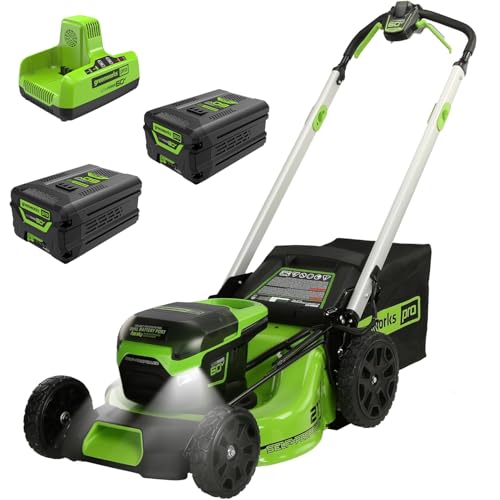
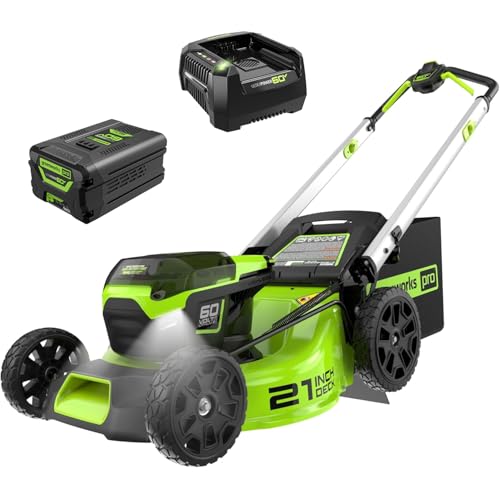
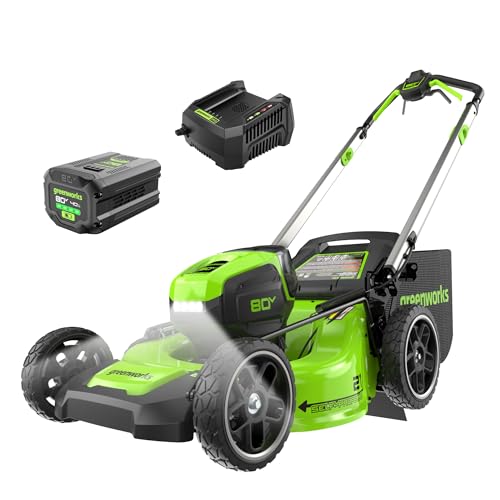


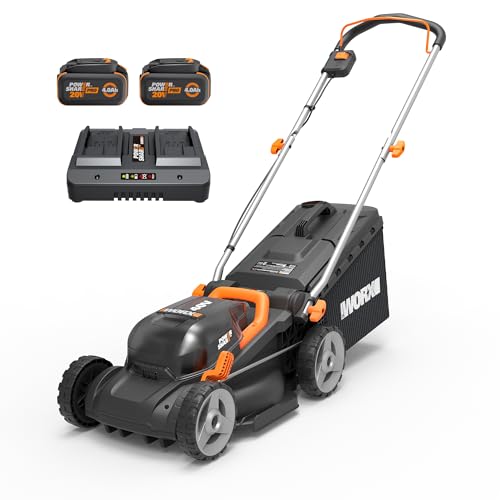

Three Buying Profiles and What to Prioritize
Most shoppers fall into one of three groups, and each group should spend its budget in a different place. Naming your group first keeps you from paying for power you will never use or saving money on a mower you will outgrow in one season.
Small and Mostly Flat Yards
If your lawn is under about a quarter acre and mostly level, a push model with a deck around 20 to 21 inches and a single mid sized battery will usually cover a full cut with charge to spare. Prioritize light weight and a handle that folds without tools. Money saved on voltage is better spent on a second smaller battery or a spare blade.
Mid Sized Yards With Slopes or Thick Grass
For a quarter acre to a half acre, especially with slopes, fescue, or grass that grows fast in spring, look for self propelled drive and a battery system that can hold two packs at once. The drive motor does the pushing on hills, so your effort stays steady even when the bag fills. A brushless motor helps maintain blade speed when the grass gets dense.
Large Yards Near an Acre
At close to an acre of actual grass, run time becomes the deciding factor, and you should plan around total watt hours rather than voltage alone. Look for dual battery ports, fast charging, and extra packs on the same platform as your other outdoor tools. Wider decks around 21 to 22 inches still suit most gates and paths.
How to Evaluate a Battery Mower Before You Buy
A fair comparison looks at five things together: build materials and weather resistance, size and capacity, ease of assembly, durability, and warranty cover. Read spec sheets alongside verified buyer reports, because a strong motor cannot make up for a flimsy height adjuster or a bag that clogs in damp grass.
Pay close attention to how run time claims are measured. Some claims assume light grass, a high cut setting, and no self propelled drive, while real lawns demand more. Treat every claim as a best case figure and leave a margin of about a third when you match a mower to your yard.
How to Choose the Right Battery Lawn Mower
Size and Form Factor
Deck width decides how many passes a lawn takes and how easily the mower fits through gates and between beds. Decks around 20 to 21 inches suit most suburban yards, balance cutting speed with control, and leave a tidy edge along fences. Very wide decks and riding formats belong to large, open properties, and if that is your situation, our guide to the best zero turn lawn mower covers that different class of machine.
Push and Self Propelled Types
A push mower is lighter, simpler, and usually costs less, and it works well when the ground is flat and the grass stays under control. A self propelled model drives its rear or front wheels, so you guide rather than push, which matters on slopes and during long summer cuts. If you are weighing the two styles directly, read self propelled vs push mower for a focused comparison before you decide.
Battery Voltage, Capacity, and Run Time
Voltage tells you about the platform, while amp hours tell you how much energy a pack holds, and multiplying the two gives watt hours, the fairest way to compare across brands. A small yard may need only about 200 to 300 watt hours per cut, while a half acre of thick grass can need double that or more. Batteries are the most expensive part of the system over time, so a platform shared with a trimmer or blower spreads that cost across tools.
Features Worth Paying For
A brushless motor is worth paying for because it runs cooler, lasts longer, and holds blade speed better under load than a brushed design. Two battery ports, a bag that is easy to empty, mulching and side discharge options, and single lever height adjustment all save time on every cut. Electric start is standard, since you simply press a button and hold a bar. Skip paying extra for decorative lights or app features you will rarely open.
Weather Resistant Materials and Build
Decks come in steel, aluminum, and tough composite, and each handles weather and impact differently. Steel is strong and common but can rust at chipped edges if you store the mower damp, while composite decks resist rust and dents but should still be kept out of constant rain. Look for sealed battery compartments and covered charge ports. A mower stored dry under cover will outlast a stronger mower left in the rain.
Size for Your Space and Storage
Measure your gate, your shed door, and the floor space where the mower will live before you order, not after it arrives. Many battery models fold at the handle and stand upright, which can cut the storage footprint by more than half compared with a gas mower that must sit flat. Remember that batteries and chargers need dry indoor space away from extreme heat and cold.
Assembly and First Setup
Assembly on most battery mowers is light work: unfold the handle, tighten two or four knobs, fit the bag, and charge the battery before the first cut. Read the manual for blade bolt torque and bag fitting, since a poorly seated bag leaks clippings. Charge packs fully before first use.
How Much Should You Spend?
Entry models at about $200 to $300 suit small, flat lawns and usually include one modest battery and a slower charger. The middle range at about $300 to $500 is where most buyers should shop, with brushless motors, better bags, and enough battery for a typical suburban yard. Spending about $500 to $800 buys self propelled drive, dual packs, and stronger decks for larger or hillier lawns.
Battery Compared With Other Lawn Mower Types
Battery mowers win on convenience: no fuel runs, no oil changes, no spark plugs, and far less noise, so early morning cuts annoy neighbors less. They start instantly, store upright, and need little routine care beyond blade work and cleaning. Their limits are run time and recharge time, which is why yard size matters so much.
Gas mowers still offer long, uninterrupted run time and strong power for rough ground, but they bring fuel storage, fumes, pull starting, and engine maintenance. Corded electric models never run out of charge, yet the cord limits range and demands constant attention around trees and beds. If you are still deciding between power sources, the comparison in electric vs gas lawn mower lays out running costs and upkeep in detail. For most homes under a half acre, battery power now covers the job without the compromises that once defined it.
For a wider view of corded and cordless options together, see the best electric lawn mower guide.
Common Mistakes to Avoid
- Buying on voltage alone and ignoring amp hours, which leaves you short of run time on the first long cut.
- Choosing a deck too wide for your gate or shed, which turns storage and access into a weekly struggle.
- Skipping self propelled drive on a sloped yard, which makes every cut harder than it needs to be.
- Storing batteries fully charged in a hot garage all summer, which shortens pack life over time.
- Cutting wet grass at the lowest setting, which clogs the deck, tears the grass, and drains the battery fast.
- Forgetting to check platform fit, then discovering your new packs do not work with your other outdoor tools.
Care and Off Season Storage
After each cut, tip the mower safely with the battery removed, brush clippings from under the deck, and let it dry before storing. Check the blade every few weeks, since a dull blade tears grass tips and makes the lawn look brown. Our guide on how to sharpen lawn mower blades covers safe removal, filing, and balancing.
For winter, clean the mower, charge batteries to about half, and store packs indoors at room temperature where possible. Wipe contacts and check wheels, cables, and the bag for tears before spring. Never store a battery mower outside under only a tarp, because moisture reaches the motor over time.
Frequently Asked Questions
What size battery lawn mower do I need for my yard?
You need a deck and battery sized to your grass area, not your total lot size. As a rule, a 20 to 21 inch deck with about 300 watt hours suits a quarter acre, while a half acre needs closer to double that capacity or a mid cut pack swap. Subtract beds, paths, and buildings from your lot size first. Slopes and thick grass raise energy use, so size up when either applies to your lawn.
Are battery lawn mowers worth it for most homeowners?
Yes, battery lawn mowers are worth it for most homeowners with small to mid sized yards. You trade fuel trips, oil changes, and pull starting for quieter cuts and simple storage. The honest limit is run time on large or very thick lawns, where extra packs add real cost. If your yard fits within one or two charges, the lower upkeep usually outweighs the higher upfront price within a few seasons.
How long does a battery lawn mower battery last before it needs replacing?
A lithium ion mower battery typically lasts about three to five years of regular home use before its capacity drops noticeably. Heat is the main enemy, so indoor storage and avoiding full charge storage in summer heat extend pack life. You will first notice shorter run time on the same lawn rather than a sudden failure. Budget for replacement packs when you buy, and favor platforms with widely available batteries.
Can a battery lawn mower handle wet or very tall grass?
A battery lawn mower can handle light dampness and moderately tall grass, but it will struggle in soaked or overgrown lawns. Raise the cutting height, slow your pace, and take narrower passes so the motor can hold blade speed. For overgrown grass, cut once at the highest setting and again lower a day or two later. Repeatedly forcing wet, tall grass is the fastest way to clog the deck and drain a pack.
How do I start a battery lawn mower safely?
You start a battery lawn mower by inserting a charged pack, pressing the start button, and holding the safety bar against the handle. Keep feet clear of the deck, check that children and pets are away from the cutting area, and release the bar to stop the blade before reaching under the mower for any reason. Remove the battery entirely before clearing clippings or inspecting the blade. That removal step, not just switching off, is what makes hands near the deck safe.
Do battery lawn mowers need oil or tune ups?
No, battery lawn mowers need no oil, fuel, spark plugs, or engine tune ups at all. Your routine care is blade sharpening, deck cleaning, wheel and cable checks, and sensible battery storage. That shorter list is a major reason many owners switch from gas. Keep the manual anyway, because torque figures for the blade bolt and warranty terms for the battery still matter and differ between makers.
Final Thoughts
The right choice comes down to honest numbers: your grass area, your slopes, and the watt hours you need to finish in one session. Match the deck to your gates and storage, choose drive type for your terrain, and buy into a battery platform you can reuse across tools. Use the product table to compare the finalists against those priorities, and the best battery lawn mower for your home will be the one that fits your yard, not the one with the loudest claim on the box.


