Best Battery Charged Lawn Mowers by Budget for 2026
Disclosure: We may earn a commission when you buy through links on this page, at no extra cost to you. As an Amazon Associate I earn from qualifying purchases. Learn more

Best battery charged lawn mowers by budget: what run time and deck size each price band buys, and the battery costs to plan for.
Prices for cordless mowers stretch from a couple hundred dollars to nearly a thousand, and the sticker only tells half the story. The battery is part of the price at every level, so the best battery charged lawn mowers for your yard are the ones whose band matches your lawn size and whose battery costs you have counted before ordering. This guide walks through each budget band, what it delivers, and where the extra money actually goes.
The product table shows the picks side by side. As you read, keep two numbers in mind: the width of your largest open stretch of grass, and whether the price in front of you includes a battery and charger or assumes you already own them.


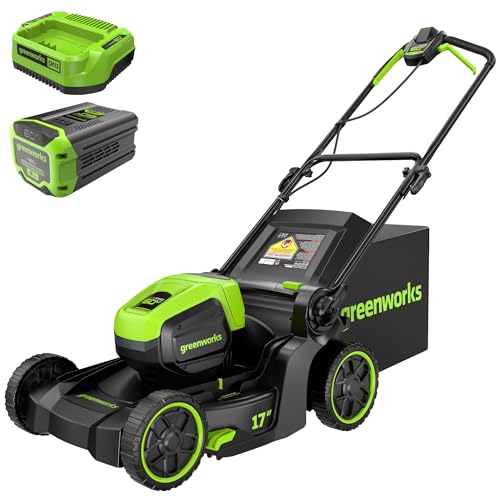


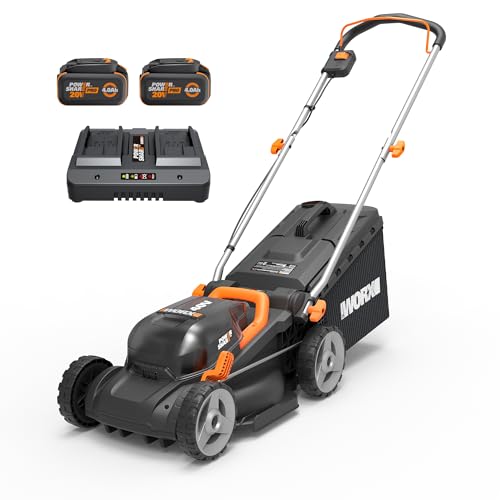
What the Best Battery Charged Lawn Mowers Offer at Each Price Tier
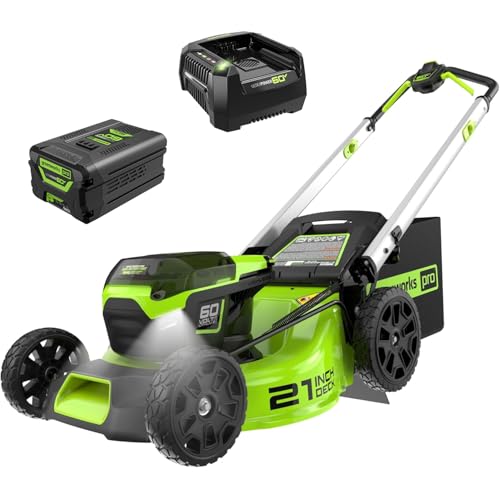
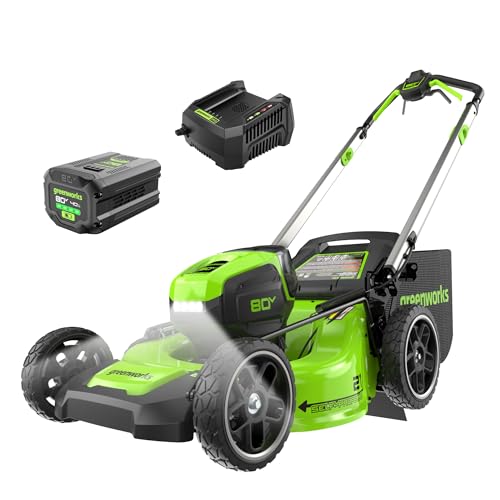
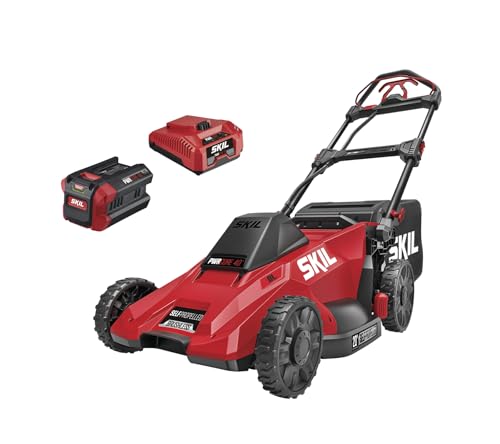
Every band below describes a walk behind mower class, not a single product. The pattern is consistent across brands: as price rises, you gain deck width, battery capacity, and drive assistance, in that order. Decide which of those three your yard truly needs, and the right band usually picks itself.
Read listings carefully before comparing bands, because two habits distort prices across the whole class. Some listings headline the kit price while the photo shows extra batteries that are sold separately, and some quote deck width from the housing rather than the true cutting swath, which can differ by an inch. Confirm what is in the box, and compare cutting width to cutting width, before deciding that one mower undercuts another.
Starter Band: Small Yards and Simple Cuts
For about $250 to $400, expect a push mower with a 16 to 20 inch deck, one battery of modest capacity, and a standard charger in the box. Run time suits small, flat lawns of roughly an eighth of an acre when the grass is dry and not overgrown. Handles fold for storage, decks are often steel at the top of the band and composite below it, and height adjustment may work one wheel at a time.
This band asks you to mow on schedule, because thick or wet grass will drain the battery well before the yard is done.
Everyday Band: Where Most Yards Land
Between about $400 and $650, the class changes in ways you feel on the first mow. Decks grow to 20 or 21 inches, batteries get larger or arrive in pairs, and many models add a rapid charger that refills a pack in about an hour. Self propelled drive appears here, which matters on any slope or when the bag fills and the mower gets heavy.
Height adjustment usually becomes a single lever for all four wheels. For a typical suburban lawn near a quarter acre, this band removes the run time anxiety that defines the starter tier.
Big Yard Band: Width, Runtime, and Drive
From about $650 to $950, you are paying for ground covered per charge and per pass. Decks reach 21 inches with stronger motors, or widen to around 30 inches on wide area models, and dual battery ports let the mower draw from two packs in sequence. Steel or reinforced decks, ball bearing wheels, and self propelled drive with speed control become standard. This band serves lawns of a half acre or more, yet it still has limits: past roughly one acre of open grass, most owners are better served by a riding machine, and our guide to the best riding lawn mower covers that step up.
The Battery Is Part of the Price
Two mowers with identical stickers can differ by more than $150 in real cost once the battery math is done. Read every listing for three words: battery included, or bare tool. A bare tool price only makes sense inside an existing tool platform, when you already own compatible packs and a charger from other garden tools. Otherwise you must add the pack and charger to the total before comparing anything.
A second battery is the most useful upgrade in this class, and it is a real cost, usually about $100 to $250 depending on capacity. It turns a mid mow recharge wait into a thirty second swap, and it doubles as insurance when one pack ages. A rapid charger, around $50 to $100 when sold separately, is worth it if your mowing window is short. Our guide to the best batteries for lawn mowers explains capacities and platform compatibility in more detail for readers building a battery collection.
Charge time belongs in the same calculation. A standard charger can take several hours to refill a large pack, so a mower bought for Saturday morning can sit useless until afternoon if you forgot to plug in on Friday. Households that mow on a tight schedule should either budget for the rapid charger or build the habit of charging the same evening the lawn is cut, while the need is still in mind.
Features Worth Paying For (and Ones to Skip)
The features below decide daily satisfaction far more than motor wattage claims. Each one lists where it matters and where you can safely save. As a rule, spend on deck size, battery capacity, and drive help for slopes; save on lighting, displays, and cosmetic extras.
Yard Size and Cutting Width
Deck width sets how many passes your lawn needs, and passes set whether one charge finishes the job. Lawns under an eighth of an acre do fine with 16 to 18 inch decks, quarter acre yards suit 20 to 21 inches, and wide area models near 30 inches cut a half acre workload down noticeably. Narrow decks still win in yards full of trees, beds, and gates, because a wide mower that cannot fit between obstacles costs time instead of saving it. Match the deck to your tightest gate first, then to your largest open stretch.
Drive Type: Push or Self Propelled
A push mower is lighter, cheaper, and has almost nothing extra to maintain, which suits flat lawns and smaller budgets. Self propelled drive earns its cost on slopes, on thick grass, and for anyone who finds a loaded bagger heavy by the last row. Rear wheel drive grips best when climbing, since weight shifts onto the back wheels. In the push class, our guide to the best battery operated push lawn mowers goes deeper on weight and maneuverability for tight yards.
Within self propelled models, speed control is the detail to check. A single fixed ground speed forces you to walk at the mower pace, which feels rushed in open areas and pushy around beds. Variable speed drive, usually a squeeze lever or dial that follows your stride, costs a little more in the middle band and is the version most owners still praise a few seasons later.
Voltage Badges and Real Run Time
The big voltage number on the box is marketing first and engineering second. Higher volts on the badge do not cut more grass by themselves; run time comes from battery capacity in amp hours working against deck size and grass load. A wide deck on a small pack empties fast no matter what the voltage claims.
Treat advertised run time figures as a maker best case measured on light, dry grass, and expect thick spring growth to cut them sharply. If a listing hides the amp hour rating, that silence tells you the number is not flattering.
Slopes and Terrain
Battery mowers are light, which helps on slopes but does not make steep banks safe. Work across the slope rather than up and down it, keep your footing on dry grass, and let self propelled drive pull the mower while you steer. Most makers rate their walk behind models for gentle grades, and anything steep enough to make you brace your feet deserves a different tool or a different plan. Bumpier ground favors larger rear wheels, which roll over ruts instead of dropping into them.
Deck Material and Build
Steel decks resist impacts from hidden stones and roots, and they dominate the middle and upper bands. Composite decks never rust and shave weight, which matters if you lift the mower into a car or hang it on a wall, though they can crack under a hard strike in cold weather. Check the height adjustment hardware either way: stamped metal levers that flex will annoy you every season. A washout port for rinsing the underside is a small feature that pays off weekly.
Bagging, Mulching, and Side Discharge
How the mower handles clippings shapes both the finish and your workload. Mulching cuts clippings finely and drops them back into the lawn, which suits frequent mowing and saves bag emptying, but it struggles when grass is long or wet. Bagging leaves the cleanest surface and is the practical choice during leaf season or when you compost clippings elsewhere.
Side discharge handles overgrown grass best, at the cost of visible rows of clippings. Most models in the middle band switch between all three; confirm the bag and mulch plug are included rather than sold as add ons.
Safety Rules That Come Before the First Cut
A battery mower is quiet and feels gentle, and that calm hides a blade spinning at full cutting speed. Treat it with the same respect as any powered mower. Remove the battery or the safety key before any blade or deck work, and before clearing a clog, every time, with no exceptions for quick jobs.
Never reach under a raised deck, and keep children and pets out of the yard while you mow, because a thrown stone does not care how quiet the motor is. Wet grass on a slope is a slip risk even without a fuel engine, so wait for the lawn to dry. Wear eye protection and closed shoes, follow the manufacturer's instructions, and if a battery pack is ever damaged or swollen, stop using it and do not charge it.
Long Term Costs to Factor In
Electricity for charging is the smallest cost here, usually a few dollars across a whole season. The real long term items are the blade, which needs sharpening once or twice a season for about the price of a pizza or a home sharpening kit, and the battery itself. Packs lose capacity over the years, so a replacement battery partway through the mower life is a known future cost worth planning for, not a surprise.
Store batteries partly charged, indoors away from heat, and keep them off cold concrete in winter. Warranty length on the battery, often shorter than on the mower, deserves a look before buying. Timing also matters, and our guide to the best time to purchase lawn mowers covers the seasonal sales pattern for readers who can wait for a discount.
The wider cordless class spans many deck sizes and platforms, and our guide to the best electric battery lawn mowers surveys that whole field for readers still deciding between brands and battery systems.
Frequently Asked Questions
Is a self propelled battery mower worth the extra cost?
For flat lawns under an eighth of an acre, a push model is usually enough and saves a few hundred dollars. Self propelled drive pays off on slopes, on thick grass, and with a full bag, because the mower pulls its own weight while you steer. Variable speed control is the version to look for. Count how often you mow uphill or with a heavy bag before paying for it.
What size mower do I need for my yard?
Start with your gate width, then your lawn size. A yard under an eighth of an acre suits a 16 to 18 inch deck, a quarter acre suits 20 to 21 inches, and a half acre benefits from a wide area model or self propelled drive. Bigger is not always better: a wide deck that cannot pass your side gate or fit between trees forces awkward extra passes with a trimmer. Measure the tightest gap on your mowing route before ordering.
Are battery mowers as good as gas mowers?
For most suburban yards, yes, battery mowers now match gas models on cut quality and day to day convenience. They start instantly, run quietly, and skip fuel, oil, and spark plug upkeep entirely. Gas still holds an edge on very large properties, in neglected overgrowth, and wherever refueling beats recharging during a long session. The deciding question is your largest realistic mowing job: if one or two charges cover it, battery is the simpler ownership path.
How often should I sharpen a mower blade?
Sharpen the blade once or twice a season for a typical home lawn. The clearest sign it is due is torn, pale grass tips a day or two after mowing. A sharp blade cuts cleanly, uses less battery per pass, and leaves a visibly neater finish. Always remove the battery or safety key before taking the blade off, and balance the blade on reinstallation so the mower does not vibrate.
How long does a battery charged lawn mower last?
The mower itself commonly lasts about eight to ten years with basic care, while the battery is the shorter lived half of the purchase. Most packs hold strong capacity for roughly three to five seasons of regular mowing before run time fades noticeably. Storing packs partly charged away from heat stretches that span. When you price a mower, assume one replacement battery during its life and the machine still usually costs less to run than a fuel mower.
Final Thoughts
Match the band to your lawn size, count the battery and charger inside the price, and pick capacity in amp hours over the voltage badge. Those three checks filter out nearly every bad buy in this category. Compare your finalists in the product table, and the best battery charged lawn mowers for your budget will be the ones that finish your yard on one charge with a pack you can afford to replace.