Best Automatic Swimming Pool Cleaners by Budget for 2026
Disclosure: We may earn a commission when you buy through links on this page, at no extra cost to you. As an Amazon Associate I earn from qualifying purchases. Learn more

Compare the best automatic swimming pool cleaners by budget and class, with surface fit, climbing, cord length and long term costs explained before you buy.
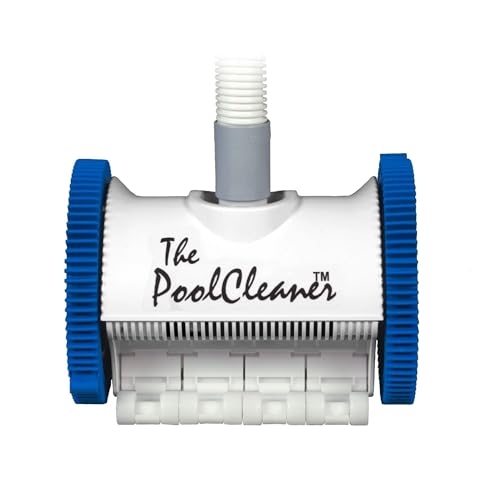
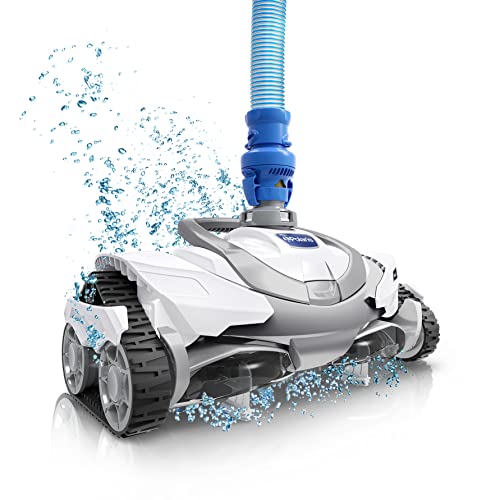
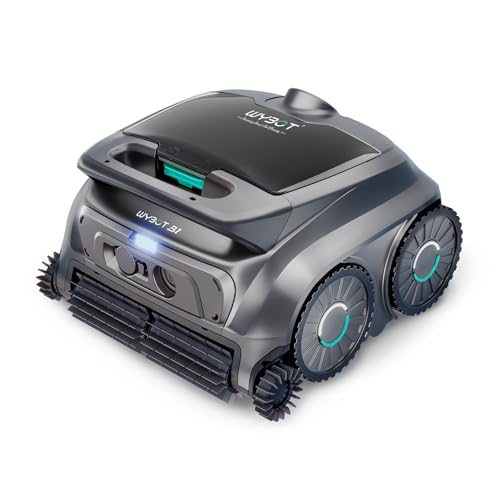
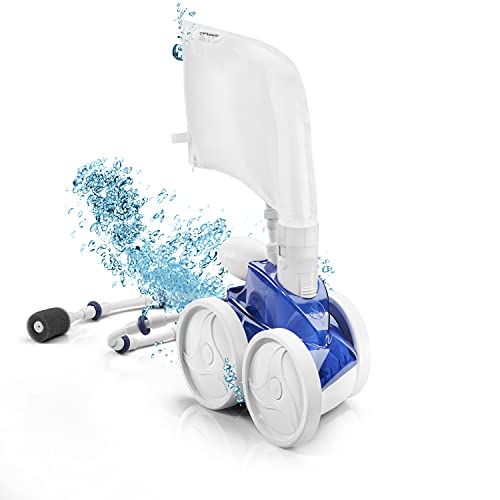
Prices for automatic pool cleaners stretch from about the cost of a nice dinner out to the cost of a major appliance, and the gap is not only about brand polish. The class of cleaner, the size of your pool and its surface decide what a given budget actually buys. Shoppers comparing best automatic swimming pool cleaners usually get better results when they match the class to the pool first and the price second. The product table shows the picks side by side, and the budget sections that follow explain how to read them.
One thing no cleaner at any price does is manage the water itself. A cleaner lifts leaves, grit and dust from the floor and walls, while circulation, filtration and water balance do a different job entirely. This guide sits within the broader subject of best swimming pool cleaners and stays with the automatic classes that work while you do other things. Read the class section first, because a modest cleaner in the right class beats an expensive one in the wrong class.




Start With the Cleaner Class, Not the Price
The three cleaner classes work in genuinely different ways, and each one leans on different equipment you may already own. Stated plainly, a suction class runs off the pump you already have, a pressure class pushes debris into its own bag, and a robotic class works alone with its own motor and filter. Choosing the class first narrows the budget question to machines that can actually serve your pool.
Listings sometimes group these machines with best swimming pool vacuum cleaners, an older naming sibling for much the same equipment.
Suction Cleaners Run Off the Pump
Suction cleaners connect to the skimmer or a dedicated suction line and move as the pump pulls water through them. They are usually the lightest and simplest class, with few moving parts and prices often about $100 to $300.
Their cleaning strength rises and falls with your pump and filter, so a tired pump makes a tired cleaner. They suit small to midsize pools with fine debris, and they struggle with large leaves that can clog the throat.
Pressure Cleaners Push Debris Into a Bag
Pressure cleaners work from the return side, using water pressure to drive themselves while a tail sweeps sediment toward the intake. Debris lands in a bag on the cleaner, which keeps grit out of your main filter and can extend the time between filter cleanings. Some models need a booster pump, and that extra purchase belongs in the price from the start. Expect about $250 to $550 for the cleaner itself, and plan on emptying the bag as part of every session.
Robotic Cleaners Work on Their Own
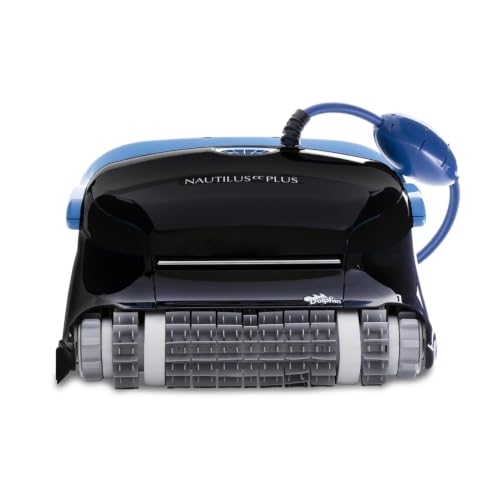
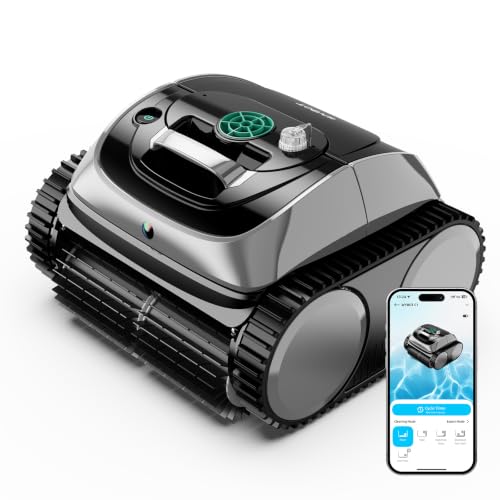
Robotic cleaners carry their own motor, pump and filter basket, and they plug into a standard outdoor outlet rather than the pool plumbing. That independence is why the class costs more, usually about $450 to $1,200, and why it scrubs more actively than the other two classes. You lift the unit out, rinse the basket and store it away from the water between sessions. A narrower comparison of best robotic automatic pool cleaners helps once you know this is the class for your pool.
What the Best Automatic Swimming Pool Cleaners Offer at Each Price Level
Budget bands in this category map closely onto the classes above, so read them as class guidance rather than pure spending tiers. Ratings in roundups of best rated automatic pool cleaners reflect owner reports and satisfaction, not a measured cleaning comparison, so treat them as one signal beside class and surface fit.
Cleaners Under About $300
Under about $300 you are mostly buying suction cleaners and the simplest pressure models. Coverage patterns are basic, often random, and wall climbing is limited or absent at this level.
What you get is real relief from daily hand vacuuming in a small pool with light debris. What you give up is scrubbing power, smart navigation and any help with the waterline. For a small above ground pool that gets dust and a few leaves, this band is honestly enough.
Cleaners From About $300 to $700
The middle band is where entry level robotic cleaners and stronger pressure models sit, and it is the sweet spot for many inground pools. Robotic models here add active brushes, bigger filter baskets and scheduled cycles you can set and forget for days. Pressure models in this band often include finer debris bags and better tail sweep action. Homes with trees nearby or a pool that opens to windblown grit usually feel the step up from the budget band right away.
Cleaners Above About $700
Above about $700 the money buys refinement rather than a new class of clean. Expect stronger climbing, waterline scrubbing, larger baskets that need less frequent emptying, and controls such as cycle timers and remote steering on some models. These features matter most in large pools, deep pools and pools with steps, benches and curves that trap debris. If your pool is a simple rectangle of modest size, this band buys convenience you may rarely notice.
Features Worth Paying For (and Ones to Skip)
Pool Surface Decides Climbing and Scrubbing
The surface of your pool decides which cleaner class can climb and scrub it, stated plainly. Smooth vinyl and fiberglass need gentler wheels or tracks, while rough plaster and pebble finishes need stronger grip and tougher brushes. A cleaner rated for tile may slip on vinyl, and a soft wheel cleaner may barely climb a plaster wall. Owners of built in pools should compare best inground automatic pool cleaners against their exact finish before trusting any climbing claim.
Coverage Pattern and Pool Shape
Random pattern cleaners eventually cover a simple pool, but they waste time in pools with ladders, steps and swim outs. Models that map or systematically sweep finish faster and miss fewer corners, which matters when debris settles in the same spots daily. L shaped and kidney shaped pools reward better navigation more than raw suction does. If your pool is a plain rectangle, save the money and let a simpler pattern do the work over a longer cycle.
Cord and Hose Length
A cleaner cannot clean water it cannot reach, so measure before you buy. Robotic cords and suction hoses should exceed the longest run of your pool by several feet, with slack for the deep end wall. A swivel fitting on a robotic cord reduces tangling across long sessions, and it is worth paying for in pools over about 30 feet. Short cords are the most common reason an otherwise good cleaner gets returned in the first month.
Wall and Waterline Cleaning
Floor only cleaners leave the walls to you and a brush, which is fine for many above ground pools with shallow walls. Climbing models scrub the waterline band where sunscreen and dust collect, and that band is where pools start to look dirty first. Climbing ability depends on surface grip, weight and brush design together, not on price alone. If your walls are tall and your finish is slick, put climbing near the top of the list.
Long Term Costs to Factor In
The purchase price is only the first entry in the ledger. Suction and pressure cleaners borrow power from your pump, so their running cost hides inside longer pump hours, while robotic cleaners draw modest power on their own and let the pump rest. Replacement hoses, bags, brushes, tracks and tires are consumables in every class, and a model with cheap, easy to find parts costs less over five seasons than a bargain unit with scarce spares.
One cost no cleaner removes is water care itself, because cleaning is not chemistry. A cleaner never replaces checking and balancing the water, and cloudy water caused by poor balance will stay cloudy behind the cleanest floor. Budget for water care supplies and sanitizer as separate lines, and treat any claim that a machine reduces chemical needs with real doubt. Warranty length matters here too, since one motor repair outside warranty can erase the savings of a cheaper class.
Common Mistakes to Avoid
- Buying a cleaner class your plumbing cannot support, such as a pressure model that needs a booster pump you do not own.
- Ignoring the pool surface, then watching a climbing cleaner slip on smooth vinyl or stall on rough plaster.
- Choosing a cord or hose that is too short for the deep end, which leaves the far wall permanently dusty.
- Expecting the cleaner to fix water balance problems, which are chemistry issues and not debris issues.
- Leaving a robotic cleaner stored in the pool water for weeks, which ages seals, cords and brushes faster.
Care and Maintenance
Rinse filter baskets, bags and cartridges after heavy sessions so trapped grit does not harden and cut flow. Check brushes, tracks and tires each month for wear, because worn contact parts quietly reduce climbing long before a motor complains. Coil cords and hoses loosely out of direct sun, and store robotic units under cover with the cord off the ground. Before the first swim of the season, run one full cycle and watch the pattern for five minutes to catch a stuck wheel or split hose early.
Frequently Asked Questions
How long should an automatic pool cleaner run each day?
Most pools stay clean with about 2 to 3 hours of cleaning on the days the pool is used. Heavily treed yards may need a longer cycle after windy days, while covered pools often need less than an hour. Running far longer than needed mostly adds wear to brushes and hoses. A good rhythm is to clean in the morning, skim anything that lands later, and shorten the cycle in weeks when debris is light.
Which cleaner class handles large leaves best?
Pressure and robotic cleaners usually handle large leaves better than suction models. Their intakes and bags or baskets are wider, so acorns and broad leaves pass through instead of lodging in a narrow throat.
Suction cleaners can manage leaves in small numbers, yet a heavy leaf drop will stop them repeatedly. If autumn drops a blanket of leaves on your pool, a leaf canister on the hose or a robotic model with a large basket saves real frustration.
Can an automatic cleaner replace brushing the pool walls?
No, an automatic cleaner reduces brushing but does not replace it entirely. Climbing models scrub the walls they can grip, yet corners, steps, behind ladders and the tight curve at the floor still shelter algae film and dust. A weekly pass with a hand brush on those spots keeps the cleaner effective. Think of brushing as the detail work and the cleaner as the bulk work, and the pair of them keeps a pool presentable with far less effort.
Does a robotic pool cleaner raise the electric bill much?
A robotic cleaner adds only a small amount to most electric bills. The units draw modest power, roughly like a bright lamp, and they run for a few hours at a time. Many owners save energy overall because the main pump can run fewer hours for circulation alone once cleaning is offloaded. The honest comparison is total system hours, and on that measure a robot often lowers the combined load of pump plus cleaner.
Can one cleaner serve a small above ground pool and a large inground pool?
Usually one cleaner serves both pools poorly, so a shared purchase is a compromise. Above ground pools need light units that will not stress thin walls or liners, while large inground pools need longer cords, stronger climbing and bigger baskets.
A midrange robotic cleaner can cover a modest inground pool and a small above ground pool if the surface ratings allow it. Check the maker ratings for both pool types before assuming one machine can move between homes.
Final Thoughts
Match the class to your plumbing and surface first, then let the budget bands above sort the rest. The product table pulls the leading options together so you can compare class, climbing and price in one view. Chosen with the pool in mind, the best automatic swimming pool cleaners turn a daily chore into a background routine, and that is the real value at every price level.