Best Automatic Lawn Mowers in 2026: What Actually Matters Before You Buy
Disclosure: We may earn a commission when you buy through links on this page, at no extra cost to you. As an Amazon Associate I earn from qualifying purchases. Learn more

Use this buyer checklist for the best automatic lawn mowers: boundary setup, coverage ratings, slopes, safety, and the true running costs of robot mowing.
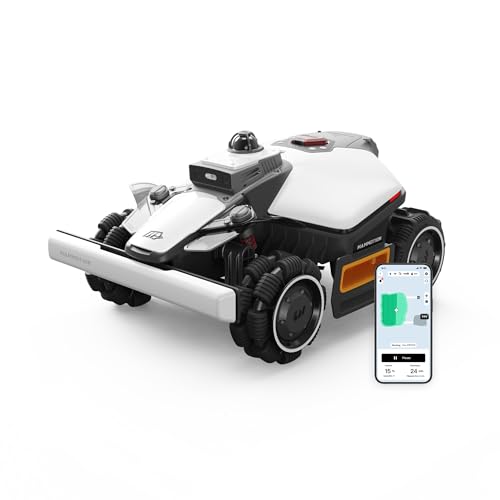
An automatic lawn mower is a robot mower: a small battery powered machine that leaves its charging dock on a schedule, trims a little grass at a time inside a boundary you set, and returns on its own to recharge. It never collects clippings for one big weekly mow the way a walk behind or riding mower does. The best automatic lawn mowers are simply the ones matched to a lawn's size, shape, and slope, with a safety setup you are willing to maintain. This guide runs through the checklist that matters before you buy.
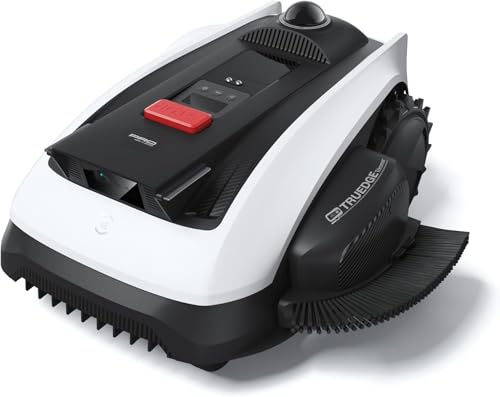
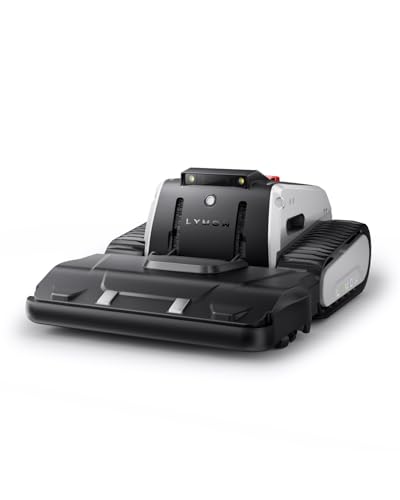
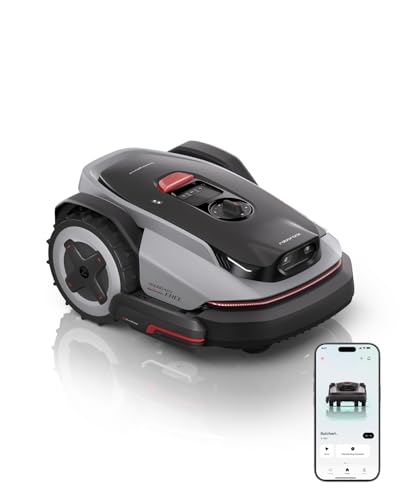
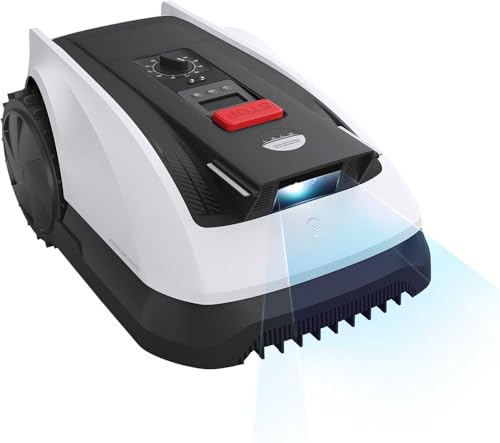
Coverage claims, navigation styles, and prices vary wildly in this category, and the most expensive model is often wrong for a small simple lawn. The product table shows robot mowers across several price levels, and the sections after it work through each buying factor in the order you should check them.






The Buyer Checklist for the Best Automatic Lawn Mowers
Lawn Size and Layout Come First
Every robot mower carries a maximum coverage figure, and that number assumes a flat, open, roughly rectangular lawn with few obstacles. Real lawns with trees, flower beds, play equipment, and narrow side passages defeat the stated capacity, sometimes by half. Measure your actual grass area, then shop for a coverage figure comfortably above it, with about a third of headroom as a working rule.
Passages narrower than about 3 feet usually need to be treated as separate zones or opened up. For a pocket lawn of only a few hundred square feet, be honest about whether a robot makes sense at all: the simple machines in our guide to the best manual lawn mowers cost a fraction as much and take minutes a week.
Boundary Wire or Wire Free Navigation
The established class steers by a perimeter wire pegged or buried around the lawn and its obstacles, and it remains the most predictable option under trees and near buildings. Installation takes a few hours of careful work, and a wire break means a repair hunt, but the mower then follows its boundary faithfully for years.
Wire free models navigate by satellite positioning, cameras, or both, and skip the installation entirely. Their guidance accuracy figures are maker best case numbers: tall trees, house shadows, and narrow side yards all degrade the signal, and a model that wanders in a shaded garden is worse than an older wired one. Wire free convenience is real, but it costs more and suits open lawns best.
Slopes and Uneven Ground
Maker slope figures, often quoted as a percentage grade, are best case numbers measured on dry grass with fresh wheel tread. A slope your lawn only reaches in one corner still counts, because the mower has to climb it every circuit. Wet grass cuts grip sharply, and models that climb a bank confidently in June may slide and dig in during a damp October.
Larger drive wheels and all wheel drive layouts, found on midrange and premium models, genuinely extend what is possible. Holes, ruts, and exposed roots are a separate problem: small wheels stall in dips a riding mower would never notice, so budget an afternoon of filling and leveling before the mower arrives.
Cutting System and Height Adjustment
Robot mowers cut a little and often, taking a few millimeters several times a week instead of a weekly scalp, and that habit is the whole secret of the tidy finish. Most use small pivoting razor style blades that slice cleanly and run quietly; a minority use a fixed blade disc that tolerates debris better but cuts less finely. Height adjustment typically spans from about one inch up to a little over three inches depending on the class, set by a dial or through the app.
Clippings are always left where they fall as a fine mulch, which feeds the lawn but means a robot cannot rescue grass that has grown long and rank. If your grass regularly gets away from you, no robot mower will fix that pattern.
Battery, Charging, and Rain Behavior
Daily coverage depends on the pair of numbers most listings bury: how long the mower runs per charge and how long it then sits recharging. A model that cuts for an hour and charges for an hour covers far less ground per day than its headline figure suggests.
Larger batteries and faster charging appear as you move up the tiers. Most models carry a rain sensor and head home in wet weather, which is the right behavior, since cutting wet grass smears clippings under the deck and leaves the underside caked. Check whether the battery is user replaceable, because a sealed pack turns a worn battery into a whole machine replacement a few seasons in.
Noise, Security, and App Controls
Noise is the easiest win in this category: a robot mower at work is roughly the volume of a quiet conversation nearby, so early morning and evening schedules bother nobody.
Security matters more, because the machine lives outside unattended. Look for a PIN code that locks the controls, an alarm that sounds when the mower is lifted, and, on premium models, GPS tracking that reports its position. App controls handle scheduling, cutting height on some models, and zone management. Treat any model that locks basic scheduling behind a paid subscription as a running cost, not a feature, and factor that into the price before you compare tiers.
Price Tiers: What Each Budget Buys
Timing helps as well as tier choice: our guide to the best time to purchase lawn mowers covers the end of season discount pattern, and robot models follow it like the rest of the category.
Entry Tier: Small, Simple Lawns
At about $500 to $1,000 you get a model suited to roughly a quarter acre of simple lawn, with basic scheduling and a rain sensor. Expect to accept slower charging and a modest battery, and on wired models to install the wire yourself. For shoppers weighing a robot against a conventional machine on the same money, our guide to the best affordable lawn mowers shows what that budget buys in a walk behind model instead. On a small, flat, open lawn this tier genuinely delivers the full robot experience, and paying more buys capacity you will never use.
Midrange Tier: The Practical Middle
At about $1,000 to $2,000, coverage climbs toward about half an acre, batteries grow, and charging speeds improve enough for daily cutting on most suburban lawns. Multi zone handling appears, so a front lawn and a back lawn separated by a path can share one machine.
Better wheels and steeper slope figures help on real world gardens, and security features usually include a PIN and a lift alarm. This is the tier where dependable wire free navigation becomes common. Most households with an ordinary lawn should land here.
Premium Tier: Large or Complex Lawns
At about $2,000 to $4,000, coverage reaches about one acre and beyond, wire free navigation becomes dependable on open ground, and GPS tracking, all wheel drive, and the steepest slope figures arrive. These machines earn their price on large, awkward properties where a wired install would be long and where one robot replaces hours of weekly riding. Do the time math honestly before buying: price the mower, its blades, and its eventual battery against what your own mowing hours are worth to you. Above about an acre of open grass, compare the riding options in our guides to the best ztr lawn mowers and the best tractor lawn mowers, because one seated machine often beats a premium robot on cost per acre.
What Ownership Actually Looks Like
A robot mowed lawn looks constantly tidy rather than freshly mowed, and the difference matters to some buyers. There are no stripes, since the mower wanders in a random or guided pattern, and the finish reads as neat and even rather than crisp. Edges are the standing chore: the mower cannot reach the last few inches along fences, walls, and beds, so a string trimmer session every week or two remains part of the routine.
The machine also lives visibly in your garden, docked in the open where it can work, and theft and weather exposure come with that. What you are really buying is your Saturday mornings back, at the price of setup, supervision, and consumables. Judged on those honest terms, the best automatic lawn mowers succeed on fit for the lawn, not on feature lists. For a wider look at this class, see our guide to the best robotic lawn mower.
Quick Buyer Checklist
- Is your measured grass area at least a third smaller than the mower's stated coverage?
- Does your lawn have passages narrower than about 3 feet, and can they be widened or zoned?
- Is your steepest slope, measured at its worst point, inside the maker figure with margin to spare?
- Do trees, tall buildings, or narrow side yards shade the lawn enough to trouble satellite navigation?
- Can the charging dock sit on level ground with the clearance the manual requires?
- Are children and pets able to be kept off the lawn during scheduled mowing hours?
- Is the battery user replaceable, and are spare blades stocked by sellers near you?
- Does scheduling work fully without a paid subscription?
Red Flags to Watch For
Walk away from listings with coverage claims that state no conditions, because an acreage figure without a stated lawn type is advertising, not a specification. Treat a warranty of under two years on a premium priced model as a warning about expected lifespan. Check the spare parts story before buying: a mower whose blades, wheels, and battery cannot be bought locally becomes scrap after one failure.
Be suspicious of brands that sell the mower cheaply and then charge monthly for the app features shown in the product photos. Finally, if a seller cannot tell you how the mower behaves when lifted, rained on, or driven outside its boundary, those unanswered questions are themselves the answer.
Setup, Safety, and Care
Safe Setup and the Rules That Matter Most
Install the boundary and dock exactly as the manual describes, with the dock on level ground and the entry path clear, because most early failures trace back to rushed setup. Then set the schedule for hours when the yard is empty. A robot mower runs on its own timetable, so children and pets must be out of the yard while it works, and it must never be treated as safe around toddlers, who may walk up to it and grab it without warning.
Lift and tilt sensors stop the blades per maker design when the machine is raised, but hands never go under a live mower for any reason. Walk the lawn and clear toys, hoses, stones, and dog waste before mowing cycles, since small objects jam blades and get thrown. Charge and store the battery following the maker guidance, and keep the PIN set so a curious child cannot restart the machine.
Care: Blades, Cleaning, and Storage
The small razor style blades are consumables, not lifetime parts: daily cutting dulls them within weeks, and dull blades tear grass tips instead of slicing them, leaving the lawn looking brown and stressed. Plan on several fresh sets per season at about $15 to $30 a set, and treat that as part of the purchase price. Scrape grass build up from the underside with the mower switched off and the dock disconnected; never hose down the top of the machine unless the maker explicitly allows it. At the end of the season, clean the mower, charge the battery to the storage level in the manual, and keep machine and battery indoors somewhere dry and frost free.
Automatic Lawn Mowers: Your Questions Answered
What size lawn can a robot mower actually handle?
Measure the grass itself, not the lot, because the house, driveway, and beds do not count toward coverage. A mapping app satellite view gives a fair figure fast. Then compare that area against the stated coverage: a mower sold for half an acre that spends its day threading around trees and beds will behave like a quarter acre machine.
Narrow passages under about 3 feet wide are the hidden capacity killer, since many models refuse them or need a guide wire through the gap. Near the limit of a model's coverage, step up a class rather than hoping.
Can a robot mower cut wet grass or run in the rain?
Most robot mowers sense rain and return to the dock, and that default is worth keeping. Light dew is harmless, but cutting genuinely wet grass smears wet clippings under the deck, coats the wheels, and leaves clumps on the lawn. It also spreads fungal disease from patch to patch as the machine travels.
During a rainy week, the right move is to pause the schedule rather than override the sensor. The grass will not suffer from a few uncut days, while a caked deck and a slipping mower on wet slopes cause real wear.
What stops a robot mower from being stolen?
A layered setup stops most theft: a PIN that locks the controls, an alarm when the machine is lifted, and, on premium models, GPS tracking with a phone alert. A mower lifted out of its boundary usually disables itself and will not restart without the PIN, which makes it near worthless to a thief who knows the category. Record the serial number and keep the purchase receipt, since some home insurance policies cover garden machinery under contents cover. Siting the dock out of direct street view also removes the casual temptation that causes most losses.
How often do robot mower blades need replacing?
Replace robot mower blades as soon as grass tips start looking torn and frayed rather than cleanly cut, which usually shows up after a few weeks of daily running. Many razor style blades are double sided, so flipping them once doubles their working life before you fit a fresh set. Sandy soil and lawns with sticks and stones shorten blade life sharply, and a quick weekly look at the blade edges costs nothing. Never sharpen these thin blades on a grinder as a money saving trick, because an unbalanced or thinned blade vibrates, cuts poorly, and stresses the motor.
Can a robot mower handle a hilly yard?
Judge a hilly yard by its single steepest point, not by the average slope, because the mower must climb the worst bank on every circuit. Check that point against the maker slope figure and keep a margin, since it assumes dry grass and fresh tread. Boundary placement matters on slopes too: a wire run across a steep face can leave the mower sliding along it, so routes that climb and descend in short stretches behave better. Wet clay soil is the worst case for any model, and on genuinely steep gardens a conventional mower often remains the practical answer.
Final Thoughts
Three checks decide this purchase: honest coverage with headroom, a navigation style your trees and buildings allow, and a slope figure that clears your steepest ground with margin. Get those right and the tiers fall into place, with most households best served by the midrange. Look back at the product table above, measure your lawn before you fall for a coverage claim, and the best automatic lawn mowers for your garden will narrow to a short and confident list.