Best Batteries for Digital Cameras Rechargeable: A Buying Guide for 2026
Disclosure: We may earn a commission when you buy through links on this page, at no extra cost to you. As an Amazon Associate I earn from qualifying purchases. Learn more
Compare the best batteries for digital cameras rechargeable by type, capacity, fit, and charging to power your camera all day.
Choosing the best batteries for digital cameras rechargeable comes down to two questions: does your camera use its own battery pack or standard AA cells, and how many shots or minutes of video do you need per outing? A good rechargeable battery saves money over disposables, delivers steady power for flash and autofocus, and recovers well when you charge it. This guide explains the main battery types, the specs that matter, and how to keep batteries healthy.
Use the product table to compare current options, then read on to match a battery to your camera.




Types of Rechargeable Camera Batteries
Camera Specific Lithium Ion Packs
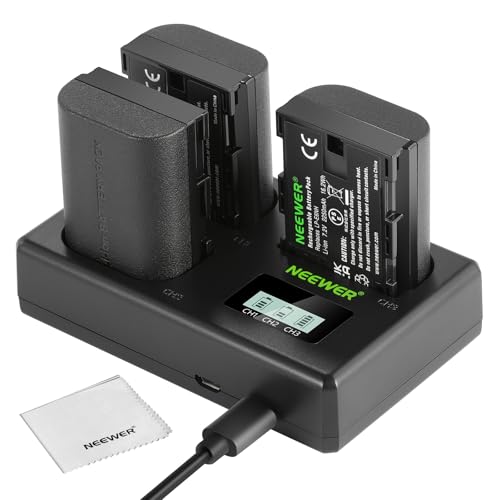
Most mirrorless and DSLR cameras use a lithium ion pack made for that model line, such as Canon LP-E6 style packs or Sony NP-FZ100 style packs. These deliver the longest run time per charge and report remaining power to the camera. Third party packs cost less than original ones, and many include a charger, but quality varies, so check capacity, reviews, and compatibility with your exact camera.
Rechargeable AA NiMH Batteries
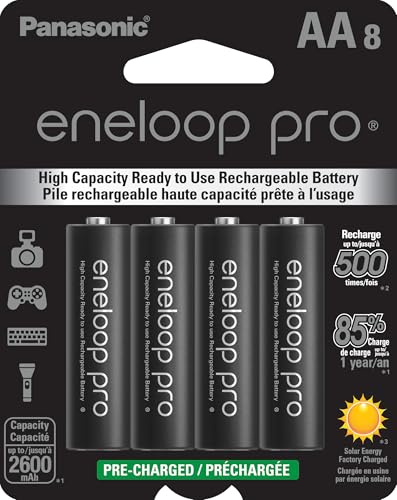
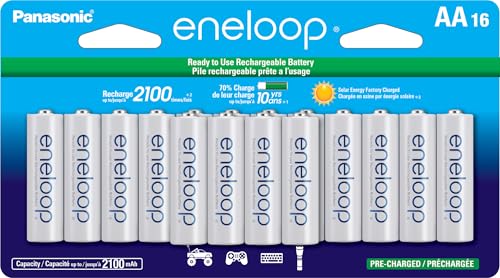
Some compact cameras, flashes, and accessories take AA cells. Nickel metal hydride (NiMH) AA batteries are the standard rechargeable choice. Low self discharge types hold their charge for months, which makes them practical for a flash or a spare set in your camera bag. Pair them with a smart charger for the best life.
Key Features to Compare
Capacity
Capacity is listed in milliamp hours (mAh) and tells you how long a battery can run. For camera packs, compare the number against the original battery for your model, because a higher number on a third party pack is not always real. For AA cells, 2000 to 2500 mAh suits most uses, while very high capacity cells can age faster.
Compatibility
Check that the battery part number matches your camera model, and read whether the camera will accept third party packs without warnings. Some cameras show a message if the pack is not recognized, even when the battery works well.
Charging Options
A USB C port on the battery or a dual slot charger makes charging easier on trips. A charger with an LCD or indicator lights shows when each battery is full. Fast charging is convenient, but moderate charging is gentler on battery life.
Cold Weather and Cycle Life
Cold weather reduces battery output, so carry a spare in an inside pocket for winter shooting. Cycle life describes how many charges a battery can take before it fades. Low self discharge NiMH cells commonly list several hundred to over a thousand cycles.
Safety and Quality
Buy batteries from reputable sellers, and avoid cells with swelling, dents, or damage. Use the charger made for the battery type, never leave charging batteries unattended, and stop using any battery that gets hot, swells, or leaks. Follow the manufacturer's instructions for storage and disposal, and recycle batteries instead of throwing them in the trash.
Common Mistakes to Avoid
- Buying a pack by capacity number alone, without checking that it fits your exact camera model.
- Mixing old and new AA cells in one device, which wears the weaker cells faster.
- Leaving batteries fully drained for months, which can shorten their life.
- Using a cheap charger that does not stop at full charge.
- Skipping a spare battery for events and travel.
Care Tips
Store batteries in a cool, dry place at about half to full charge when they will sit unused for a while. Keep contacts clean with a dry cloth, and carry batteries in a case so they cannot touch metal objects. Rotate your spares so they all see regular use.
Frequently Asked Questions
What features matter most in rechargeable batteries for digital cameras?
Correct fit for your camera, honest capacity, and a reliable charger matter most. For AA cells, low self discharge is a major plus.
Are third party camera batteries safe?
Many are, but quality varies. Choose well reviewed brands from reputable sellers, and stop using any battery that heats up, swells, or leaks.
How many spare batteries do I need?
One spare covers most outings. For video, travel, or events, carry two or three, since video drains batteries faster than photos.
How long do rechargeable camera batteries last?
Lithium ion packs often last two to four years of regular use before capacity fades. NiMH AA cells can last for hundreds of charges with good care.
Can I charge camera batteries with USB?
Many packs and chargers support USB C charging, which is handy on trips with a power bank. Check the product details for your battery. See our guides to the best rechargeable AA batteries for digital cameras and the best batteries for digital cameras for more choices.
Our Verdict
Match the battery to your camera first, then compare capacity, charging options, and quality. Check your shortlist in the product table above, and the best batteries for digital cameras rechargeable for you will be one that fits, lasts all day, and charges reliably.