Best Alkaline Batteries for Digital Cameras by Budget for 2026
Disclosure: We may earn a commission when you buy through links on this page, at no extra cost to you. As an Amazon Associate I earn from qualifying purchases. Learn more
Compare the best alkaline batteries for digital cameras by budget: chemistry, shelf life, shots per set, and when rechargeable cells save money.
AA batteries look identical on the shelf, yet prices per pack vary widely and the gap is not just packaging. What changes with price is how long a set lasts in a camera, how much charge survives in a drawer, and how the cells cope with a flash. This guide sorts the best alkaline batteries for digital cameras by budget, so you can see exactly what each price step buys and where it stops mattering.
The comparison table below lines up the main buying factors side by side. Read the tiers first, then the feature notes, and you will know which pack size and price class fit your camera bag.


Alkaline Basics for Camera Owners
Most cameras that take replaceable cells use AA batteries, and alkaline is the standard disposable chemistry for them. Each AA cell delivers 1.5 volts, and cameras draw power in short heavy bursts, especially when the flash fires or the lens motor runs. That bursty demand is why battery choice matters more in a camera than in a clock or a remote. Our wider guide to the best digital cameras covers the cameras themselves; this article stays on the cells that power them.
What Your Money Gets You at Each Price Tier
Budget Tier: Everyday Spares
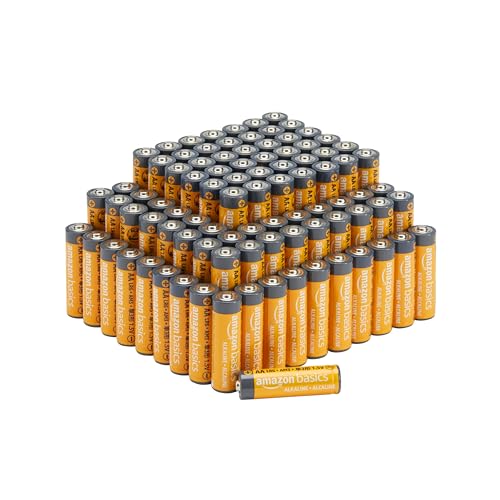
Budget alkaline cells are the simple, store brand style packs sold in large counts at a low price per battery, often under $1 per cell. They suit light use: a camera that comes out for birthdays and trips, with modest flash use. Expect a few hundred shots per set in gentle use, and keep expectations lower in cold weather. Shelf life is adequate for a year or two of drawer storage, so for a backup set that sits in your bag for emergencies, this tier does the job without waste.
Midrange Tier: Longer Working Life
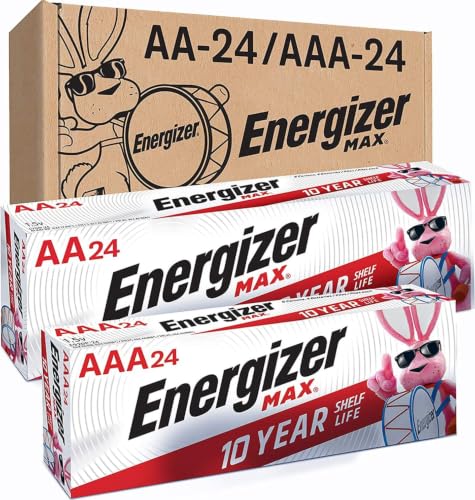
Midrange packs cost a little more per cell and repay it with stronger performance under load. The chemistry holds voltage better as the cells drain, so the camera stays responsive deeper into the set and the flash recycles faster for longer. Printed shelf life stretches further too, which suits households that buy a few packs a year and take the camera out most weekends. Our comparison of the best batteries for digital cameras shows how this class stacks up against other chemistries.
Premium Tier: Maximum Shots per Set
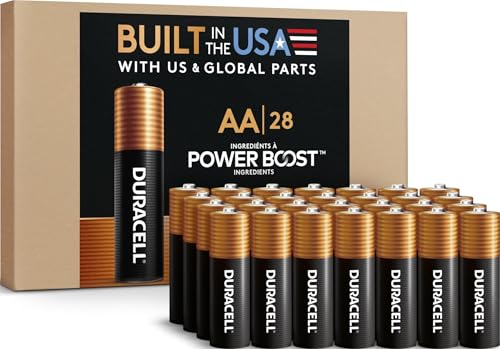
Premium alkaline cells are built for high drain devices, and cameras are exactly that. You pay more per cell, often about $1 to $2, and get the longest runtime per set, the strongest flash performance, and the longest stated shelf life on the pack. This tier makes sense for travel, events, and any day when changing batteries mid shoot is a real nuisance. It is poor value for a camera that sits unused for months, because the extra capacity may expire in the drawer before you spend it.
Features Worth Paying For (and Ones to Skip)
Chemistry Comes First
The chemistry governs how a set behaves in your camera, so settle this choice before you compare prices. Alkaline cells are disposable, ready straight from the pack, and ideal as spares because they hold charge in storage. Rechargeable nickel metal hydride cells cost more up front but can be reused hundreds of times, and our guide to the best rechargeable batteries for digital cameras covers that route in full. Heavy shooters save money with rechargeables; occasional shooters and backup sets are usually better served by alkaline.
Shelf Life and Printed Dates
Read shelf life as a printed date class rather than a vague promise. Every quality pack carries a use by or freshness date, and cells stored cool and dry keep most of their charge until roughly that date. Buy packs with the longest remaining date when prices tie, check that date at the shelf rather than after you get home, and rotate stock so the oldest set goes into the camera first. A bargain bulk pack is no saving if half the cells pass their date in your drawer.
Shots per Set and Flash Load
Judge value as a shots per set class, not by the size of the pack alone. A set that delivers more photos costs less per photo even at a higher shelf price. Flash use is the biggest drain: heavy flash can cut a set life to a fraction of its daylight figure, and premium cells hold up far better under that load, while screen brightness, video clips, and cold weather also shorten a set. Match the tier to your shooting style, and carry one spare set more than you think you need.
Size Checks and What to Skip
Confirm the size your camera takes before you buy anything. AA is the common fit, but some compact models and grips use AAA cells, and our guide to the best aaa batteries for digital cameras covers that smaller class. For AA models, the detailed picks in our guide to the best batteries for digital cameras aa are worth a look. Skip giant bulk packs if your use is light, skip mixing old and new cells in one set, and skip any pack with no printed date.
Long Term Costs to Factor In
The true cost of disposables is the cost per set multiplied by how often you shoot. A household that burns through a set a month spends far more over a few years than the price of a charger and rechargeable cells. Occasional shooters see the opposite math, since rechargeables slowly self discharge in a drawer. Add the small cost of proper disposal or recycling for spent cells, and never store loose batteries where metal objects can touch both ends.
FAQs
What features matter most in alkaline batteries for digital cameras?
The features that matter most are chemistry quality, the printed freshness date, and how the cells hold voltage under flash load. A camera draws power in bursts, so a cell that sags early makes the camera feel slow long before the set is empty. Pack price only matters after those three points. Buy the freshest dated pack in the tier that matches your shooting volume, and treat oversized bulk packs with suspicion if you shoot only a few times a year.
How much should a beginner spend on camera batteries?
A beginner should spend about $5 to $10 on a modest midrange pack and one spare set. That budget covers a few weekends of shooting and teaches you how fast your own camera drains a set, with no need to start with premium cells or bulk counts. Once you know your usage, you can judge whether premium alkaline or a rechargeable kit saves you money. Spending a little on fresh, dated cells beats spending more on a large pack that ages in storage.
Why do alkaline batteries drain so fast in a digital camera?
Alkaline batteries drain fast in a camera because the flash, the lens motor, and the screen all pull heavy bursts of power. Alkaline voltage sags under that load, and the camera reads the sag as an empty set even when charge remains for lighter devices, with cold weather making the sag worse. Premium high drain cells resist the sag longer, which is the main thing their price buys. Turning the screen off between shots and limiting flash use stretches any set noticeably.
Can alkaline batteries damage a digital camera?
Alkaline batteries rarely harm a camera in normal use, but old or exhausted cells can leak, and leaked residue can corrode the contacts in the battery bay. Remove sets from a camera that will sit unused for months, and never leave a drained set inside. Wipe contacts gently with a dry cloth if you spot residue, and dispose of leaking cells with care. Storing the camera empty and keeping fresh spares in the bag removes nearly all of this small risk.
Is a smartphone enough instead of a camera with replaceable batteries?
A smartphone is enough for casual snapshots, and its sealed battery removes the battery question entirely. A dedicated camera earns its place with a real zoom, a proper flash, and handling that suits long shooting days. The trade is that you manage cells yourself, including spares and disposal. If you already own a camera that takes AA cells, a few dollars of fresh alkaline batteries is the cheapest way to keep it useful, so the phone does not have to win by default.
Final Thoughts
Match the tier to your shooting volume, read the printed date before you pay, and judge packs by shots per set rather than shelf price alone. Do that and the best alkaline batteries for digital cameras for your bag will be obvious: budget cells for rare outings, midrange for regular weekends, premium for travel and events. Check your shortlist against the product table above, keep one dated spare set in the bag, and your camera will be ready whenever the moment is.