
Best Batteries for Trail Cameras: Matching the Right Power to Your Routine for 2026
Disclosure: We may earn a commission when you buy through links on this page, at no extra cost to you. As an Amazon Associate I earn from qualifying purchases. Learn more

Match the best batteries for trail cameras to your climate and visit schedule, from lithium for cold to rechargeable for frequent checks.
There is no single power source that suits every trail camera setup, because a camera beside a backyard feeder and a camera left for months on a remote ridge face very different demands. Choosing best batteries for trail cameras starts with how often your camera wakes, how cold it gets, and how often you can reach it to swap power. This guide compares battery types by runtime, cold weather behavior, cost over time, and ease of use, so you can match power to your routine rather than guessing at the shelf.
The product table gives a quick overview of power options, but the sections that follow explain when each type makes sense and when it does not. You will also find practical storage tips, common mistakes to avoid, and answers to questions that come up again and again for new trail camera owners.
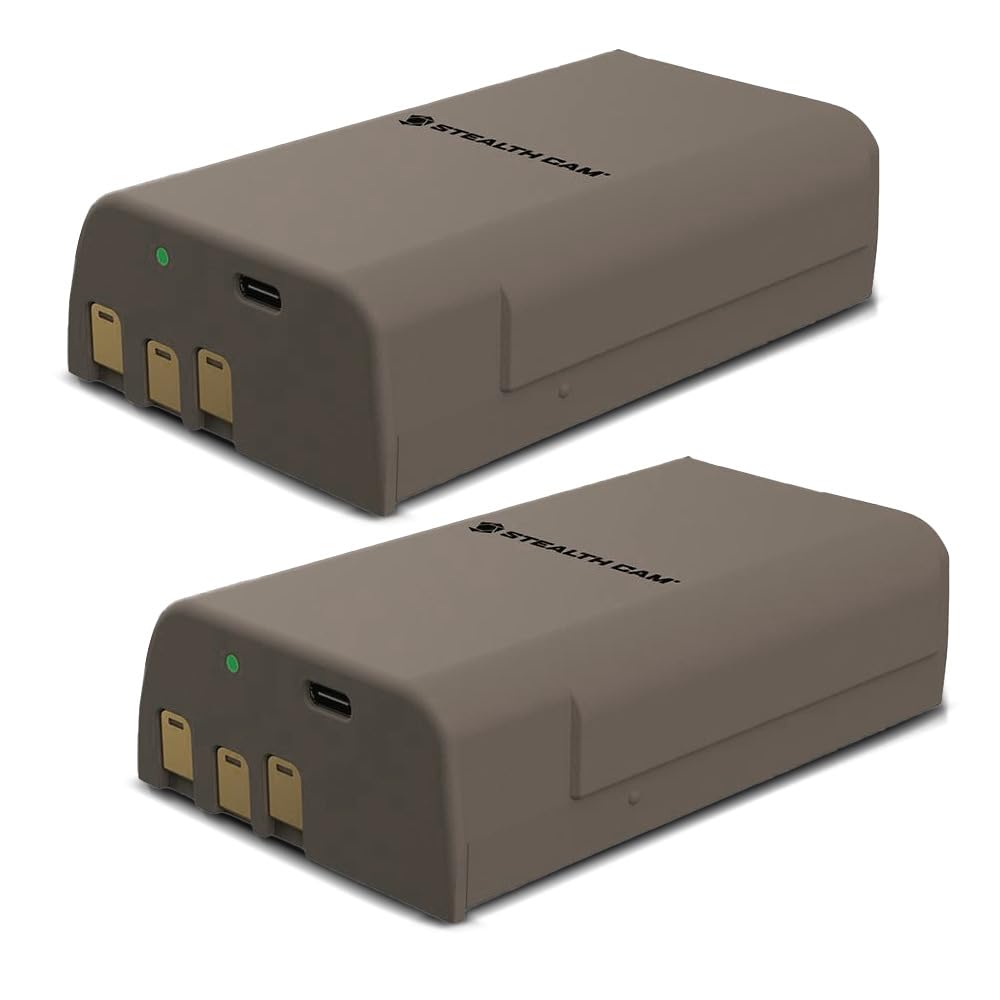
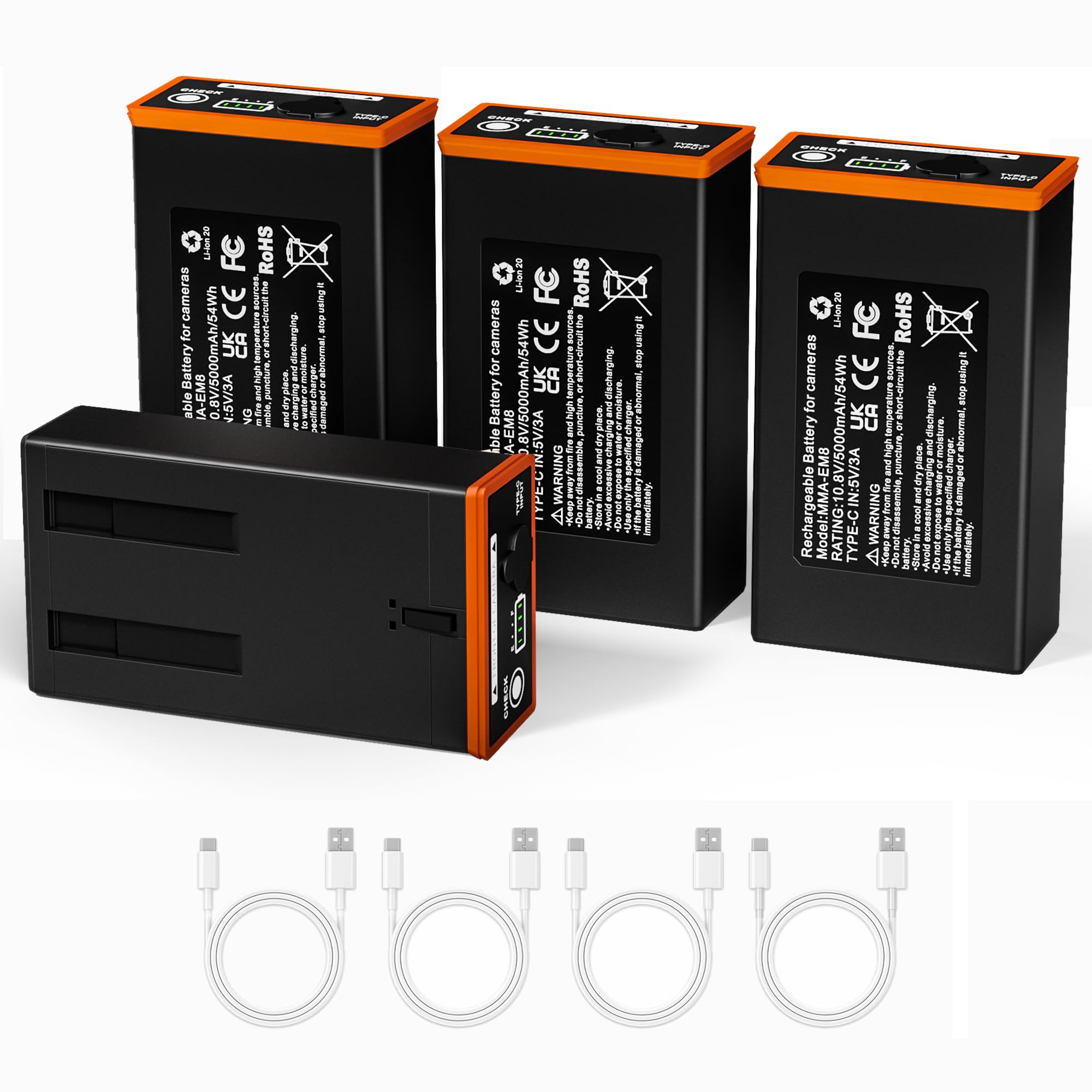


Who Should Buy the Best Batteries for Trail Cameras?
Your routine matters more than any single specification on a package. A camera that records a few short clips a day can run well on a different power plan than a camera that records long night video in freezing weather. The groups below describe common routines, and each one points to the traits that deserve the most attention.
For Backyard Watchers
Backyard watchers usually check cameras often and value convenience over maximum runtime. Standard alkaline cells can work well here, because you can swap them during a regular garden visit and you are not paying a premium for extreme cold performance. Look for a large pack size that keeps the cost per cell low, and keep a spare set ready so a dead set does not cost you a weekend of activity.
For Remote Property Owners
Remote property owners need power that lasts between infrequent visits, often through heat, rain, and cold snaps. Lithium cells are usually the better fit here, because they hold voltage well in cold weather and lose charge slowly while sitting in a camera. Plan your visit interval first, then choose a chemistry that can comfortably cover that interval with a margin for extra night triggers.
For Wildlife Researchers and Land Managers
Researchers and land managers often run many cameras and need consistent, comparable results across sites. Rechargeable cells can make sense when visits are regular and a charging routine is practical, because they lower waste and long term supply cost. Keep sets matched by age and charge level, label each set, and rotate them on a fixed schedule so no camera gets a mixed set. Follow local wildlife rules for camera placement and check intervals.
For Hunters Who Check Cameras Often
Hunters who check cameras often during a season need power that is easy to carry, quick to swap, and reliable in early morning cold. A mix can work well, with rechargeable cells for cameras near access roads and lithium cells for cameras placed deeper in cover. Carry spares in a dry pouch, keep them away from keys and metal tools, and swap the full set at once rather than mixing fresh and partly used cells.
Picking the Right Batteries for Different Uses
Use shapes the power decision in a direct way. Video length, trigger frequency, night illumination, and cellular transmission all draw power at different rates, so two cameras with the same battery size can still run for very different periods. Start from your expected trigger count and video settings, then choose a chemistry with enough reserve for busy nights.
Best Rechargeable Battery for Trail Cameras: What to Prioritize
When you shop for a rechargeable option, prioritize low self discharge, a charger that charges each cell on its own channel, and cells rated for the temperatures you expect. Low self discharge matters because a camera may sit for weeks between triggers, and a cell that loses charge on its own will shorten that deployment.
Key Features to Compare
Compare batteries on the traits that change field performance, not only on the headline capacity number. Capacity, chemistry, temperature behavior, and shelf life interact, and a high capacity cell that fades in cold weather may still lose to a lower capacity cell that holds voltage when it matters.
Cold Weather Performance
Cold weather is one of the largest causes of short runtime in trail cameras, because chemical reactions slow down and voltage can drop under load. Lithium cells generally handle cold better than alkaline cells, which is why they are a common choice for winter deployments and high elevation sites. If your camera will face freezing nights, treat cold performance as a first tier factor, not a bonus, and keep spare cells warm in an inside pocket until the moment you install them.
Capacity and Runtime
Capacity tells you how much energy a cell can store, but runtime also depends on trigger count, video length, night illumination, and transmission settings. A camera set to long video clips at night will use power far faster than the same camera set to short daytime photos. Shorten video clips, reduce unnecessary night illumination where your camera allows it, and try a new power plan on a short deployment before committing to a long one.
Chemistry Types Explained
Alkaline cells are widely available, simple to use, and low in upfront cost, which suits short deployments and cameras you can reach easily. Lithium cells cost more per cell but often last longer in the field, perform better in cold, and weigh less, which suits remote cameras and long deployments. Nickel metal hydride rechargeable cells suit frequent users with a charging routine, and they reduce ongoing purchase cost and waste over many cycles.
Self Discharge and Shelf Life
Self discharge describes how quickly a cell loses charge while it sits unused, and shelf life describes how long a fresh cell stays ready in storage. Low self discharge rechargeable cells are a better fit for trail cameras than older rechargeable types that drain quickly between uses. For disposable cells, buy from a source with fresh stock, store them in a cool dry place, and check the date printed on the package.
Ease of Use in the Field
Ease of use matters more in the field than it does at home, because you may be swapping cells in low light, gloves, or rain. Cells that fit snugly without force, a battery tray that opens cleanly, and a clear polarity marking all reduce mistakes during a swap. Carry a small dry bag for used cells, keep fresh and used cells in separate pouches, and dispose of used cells through a local recycling program rather than leaving them at a site.
Common Mistakes to Avoid When Buying Batteries
- Buying on price alone, which can lead to short runtime and extra trips to remote cameras.
- Mixing fresh and partly used cells in one camera, which can cause uneven discharge and unpredictable shutdowns.
- Ignoring cold weather ratings, which can leave a camera dead on the coldest and most active nights.
- Choosing the wrong size or chemistry for your camera model, which can damage contacts or void maker guidance.
- Storing spares in a hot vehicle or damp shed, which can shorten shelf life before the cells ever reach a camera.
How to Make Your Battery Last Longer
Small setting changes often extend runtime more than a new battery type does. Carry a spare set on every visit, store spares in a dry padded bag, and remove cells from a camera that will sit unused for a long period, following the maker guidance for storage.
Check maker electrical safety guidance before you charge, store, or dispose of any cells, and keep batteries away from children at all times. Never puncture, crush, or expose cells to fire, and never mix chemistries or brands in the same camera. If a cell leaks, swells, or feels hot, stop using it, handle it with care, and follow local disposal rules for that chemistry.
Batteries: Your Questions Answered
What features matter most in trail camera batteries?
Cold weather performance, capacity for your trigger load, and low self discharge matter most for trail camera batteries. Cold performance decides whether a camera keeps working on freezing nights, while capacity and self discharge decide how long a deployment can run between visits. Chemistry choice ties these traits together, since lithium cells often lead in cold and shelf life while rechargeable cells lead in long term value for frequent users. Match these three traits to your climate and visit interval before you compare price per cell.
What specs matter most for beginners?
Beginners should focus first on size, chemistry, and the temperature range listed by the maker. Size must match the camera exactly, chemistry must suit the deployment length, and the temperature range must cover the coldest nights you expect. Capacity is useful as a secondary comparison within the same chemistry and size, but it should not override a mismatch in any of those three basics. Starting with a short trial deployment also teaches you how your own settings affect runtime.
How much should I spend on my first set?
Most first time buyers can start with about $10 to $25 for a full set of disposable cells, depending on camera size and cell count. That range covers a sensible first deployment without overinvesting before you know how busy your site is. Rechargeable users should also budget for a quality charger, which often costs about $20 to $40, and that upfront cost pays back over many cycles. Track how long the first set lasts, then adjust your next purchase to that real result.
What does a high trigger count mean for battery life?
A high trigger count means the camera wakes, records, and saves files far more often, so battery life falls even when the cells are new. Wind moving branches, busy game trails, and long video settings can all raise trigger counts quickly. Reviewing trigger logs after a first deployment helps you spot false triggers and adjust placement or sensitivity. A camera on a quiet trail and a camera on a busy crossing can need very different power plans despite using the same cells.
Is a solar panel a good alternative to swapping batteries?
A solar panel can be a good alternative when a camera sits in a sunny spot and you can mount the panel with a clear view of the sky. It works best as a supplement that tops up a rechargeable pack, rather than as a sole power source in deep shade or through long cloudy periods. Check compatibility with your camera model, secure cables so wildlife cannot chew them, and keep the panel clean for steady charging. For shaded forest sites, a larger lithium set often remains the simpler choice.
Final Thoughts
The best choice is the one that fits your visit interval, your climate, and your camera settings, rather than the most expensive pack on the shelf. Lithium cells suit long remote deployments and cold weather, rechargeable cells suit frequent users with a charging routine, and alkaline cells suit short easy to reach deployments.
If you follow that routine, you will spend less time on surprise battery trips and more time reviewing useful images. Compare the options in the product table above with your own trigger load and temperature range in mind, then choose best batteries for trail cameras for the deployment you actually run, not the deployment you hope for.
For everyday cameras that use the most common cell size, see our guide to best AA batteries for trail cameras. When you need longer cold weather runtime, read our guide to best lithium batteries for trail cameras. If your camera sends images over a network, see best batteries for cellular trail cameras for transmission power use.


