
Best AA Lithium Batteries for Trail Cameras in 2026: Types Compared and How to Choose
Disclosure: We may earn a commission when you buy through links on this page, at no extra cost to you. As an Amazon Associate I earn from qualifying purchases. Learn more

Compare AA lithium batteries for trail cameras by cold weather runtime, voltage, shelf life, pack count and total cost, with setup and storage tips.
Trail cameras usually die quietly weeks before you return. Choosing the best aa lithium batteries for trail cameras is less about a label and more about voltage, cold weather runtime, and how long a set can sit untouched. Use this guide to judge the comparison table below against your own woods, weather, and visit schedule.
Most cameras ask for simple AA cells, yet the chemistry inside changes everything. Lithium cells cost more per pack and keep working in deep cold, while cheaper cells can fade early and cost you the photos you waited for.




Who Should Buy Lithium AA Cells for a Trail Camera?
Buy by the cost of a wasted trip, not by pack price alone. A longer lasting set often costs less overall than a cheap set that dies weeks before your next visit.
Hunters With Remote Cameras Checked Every Few Weeks
You hang cameras on a lease or public land, and each visit disturbs the area you want animals to trust. A lithium set stretches the gap between visits because it holds its charge while idle and still delivers strong power late in its life. Fewer trips also mean less scent and pressure near bedding areas.
Cold Climate Users Running Cameras Into Late Season
You keep cameras out through frost, snow, and single digit nights when bucks move most and alkaline cells struggle. Lithium chemistry keeps its voltage in deep cold, so the infrared flash and the shutter still get full power on the coldest nights. Northern and late season users gain the most from this advantage.
Cellular Camera Owners Sending Photos Over the Air
Your camera works harder every time it connects, searches for signal, and sends a photo, and weak signal makes each send hungrier. Lithium cells handle those repeated bursts well and hold up between sends, so a remote cellular unit is less likely to go silent mid season. Modest send settings help, because instant delivery drains any chemistry fast.
Types of AA Batteries for Trail Cameras Compared
Three chemistries fit the same tray, and that shared size hides real differences. For the wider AA picture, see our guide to the best aa batteries for trail cameras. Each type below suits a different visit rhythm and budget.
Primary Lithium AA Cells for Long Sits
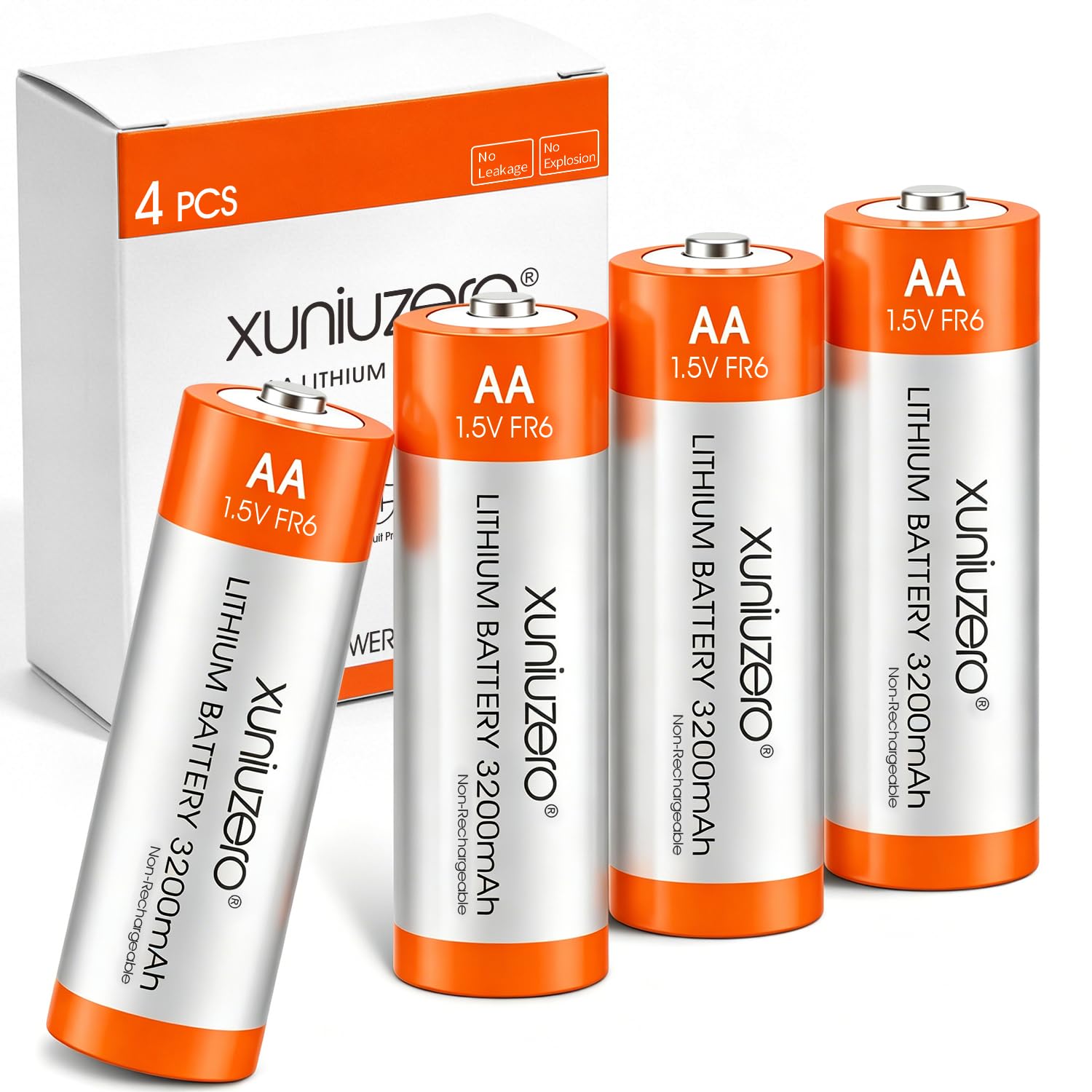
These single use cells use lithium iron disulfide chemistry and deliver a nominal 1.5 volts with strong burst power for the flash. They weigh about one third less than alkaline cells, shrug off deep cold, and store for many years before use. Their flat power curve keeps the camera working until the set is nearly spent, then fades quickly, and they cost the most per pack.
Alkaline AA Cells for Cameras Near Home
Alkaline cells are the low price option, and they power a backyard camera fine when you can swap them often. Their weakness shows in cold weather, where voltage sags and night range shrinks, and during long sits, where self discharge and leak risk grow. A leaking cell can corrode tray contacts, so choose alkaline only where a failed set costs a short walk.
Rechargeable Nickel Metal Hydride AA Cells
Rechargeable cells save money over many cycles on cameras close to home, and they suit busy sites you service weekly. Their nominal voltage is about 1.2 volts, below the 1.5 volts most cameras expect, so some models warn early or limit flash power. They also lose charge while sitting, a poor match for remote sets left for months, so confirm your camera maker allows them first.
Key Features to Compare
Compare packs on these five factors in order, because a bargain on the wrong factor still leaves you with a silent camera.
Voltage and Camera Compatibility
Trail cameras are built around 1.5 volt AA cells, and lithium primaries match that rating while adding a higher resting voltage of about 1.8 volts when fresh. That strong start is normal for this chemistry and does not harm cameras designed for AA power. Load a full set of one chemistry only, and set any battery type menu to lithium if offered, because that helps the gauge read the set correctly.
Capacity, Burst Power and Real Runtime
Capacity tells you stored energy, often around 3,000 to 3,500 milliamp hours for a lithium AA cell, but burst power decides night behavior. The infrared flash draws a hard pulse, and weak cells recover slowly, giving dark or missed follow up shots. Judge runtime by your own trigger count and video use rather than pack claims, because a busy feeder site can use in two weeks what a quiet trail uses in three months.
Cold Weather Performance
Lithium AA cells are commonly rated to work from about minus 40 to 140 degrees Fahrenheit, far beyond what alkaline cells tolerate before sagging. Cold slows reactions in every battery, but lithium loses far less voltage at low temperatures, so flash range and sensor reach stay close to normal on frosty nights. If your cameras face real winter, put this factor at the top of your list and budget for it first.
Shelf Life and Self Discharge
A spare set does you no good if it fades in a drawer, and lithium primaries are built for storage, with very low self discharge and a shelf life that can reach up to 20 years for quality cells. Buy from a seller with steady turnover, keep packs sealed, and write the purchase season on the pack. Keep one dated spare set in each camera case, ready for surprise trips and late season checks.
Weight, Leak Resistance and Cost Per Season
A lithium AA cell weighs about 15 grams against about 23 grams for an alkaline cell, a gap that adds up across a 12 cell camera and a pack of spares. Lithium cells are also far less likely to leak during long sits, which protects tray contacts. A set often costs about $15 to $30 depending on count, so weigh that against fuel and time for one extra trip.
Choosing the Right Count and Loading the Tray
Start with the tray, because choosing the best aa lithium batteries for trail cameras means little if the count is wrong. Cameras take 4, 6, 8, or 12 cells, and some run at reduced flash strength on a partial load, so fill every slot unless the manual allows fewer.
Load all cells in one sitting, from one pack, with the tray marks guiding each direction. Press each cell fully into its spring contacts, close the tray, and set the date, time, and battery type before arming the camera. Take one test photo and view it, because a reversed cell usually shows up as a camera that dies at the first night flash. For the wider battery picture, see our guide to the best batteries for trail cameras and our guide to the best lithium batteries for trail cameras.
Common Mistakes to Avoid
Most early failures trace back to these habits, not to a bad pack.
- Mixing old and new cells in one tray lets the weakest cell drag the whole set down early.
- Mixing lithium and alkaline cells gives uneven voltage and can confuse the gauge into false warnings.
- Trying to recharge single use lithium cells risks heat, swelling, and a damaged charger or camera.
- Leaving a spent set in place during the off season means nothing records if an animal passes.
- Storing loose spare cells together lets metal contacts touch and drain or short the cells.
How to Make AA Lithium Batteries Last Longer in a Trail Camera
Settings decide runtime as much as chemistry does. Shorten video clips, add a delay between triggers at busy sites, and turn off features you never review, because each saved burst stretches the set. Aim away from waving brush, which triggers empty frames all day.
Store unused packs sealed in a cool, dry place, away from heaters and sun. Remove cells before long storage so you can inspect tray contacts for dust or corrosion. Tape the ends of spent cells, keep them apart from fresh spares, and take them to a battery recycling point.
FAQ
How long do AA lithium batteries last in a trail camera?
AA lithium batteries in a trail camera often last several months to a full season, depending on trigger count and settings. A quiet camera taking still photos may run far longer than a feeder camera filming nightly video. Note the change date on the camera card, so you learn the true rhythm of each site.
Can you recharge AA lithium batteries used in trail cameras?
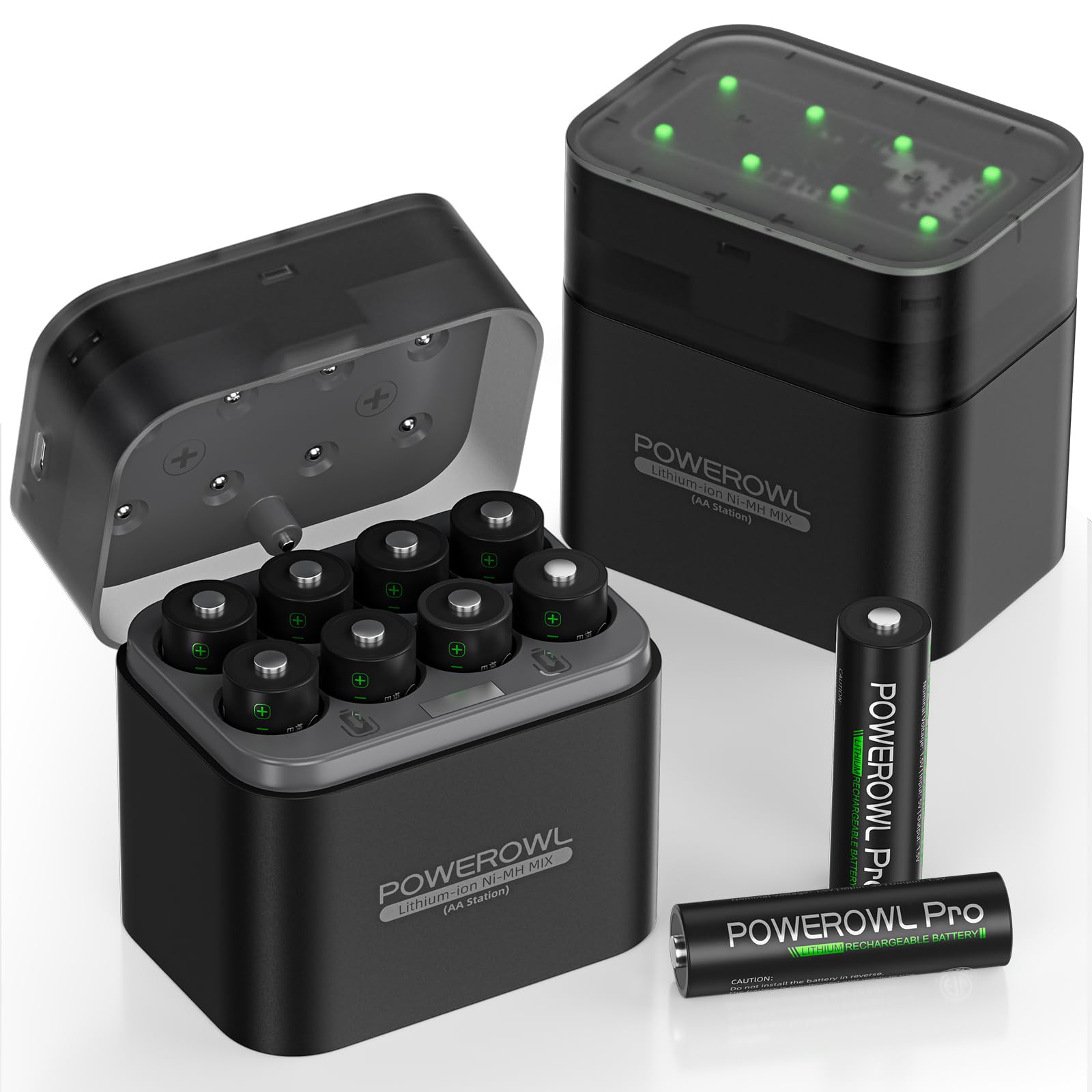
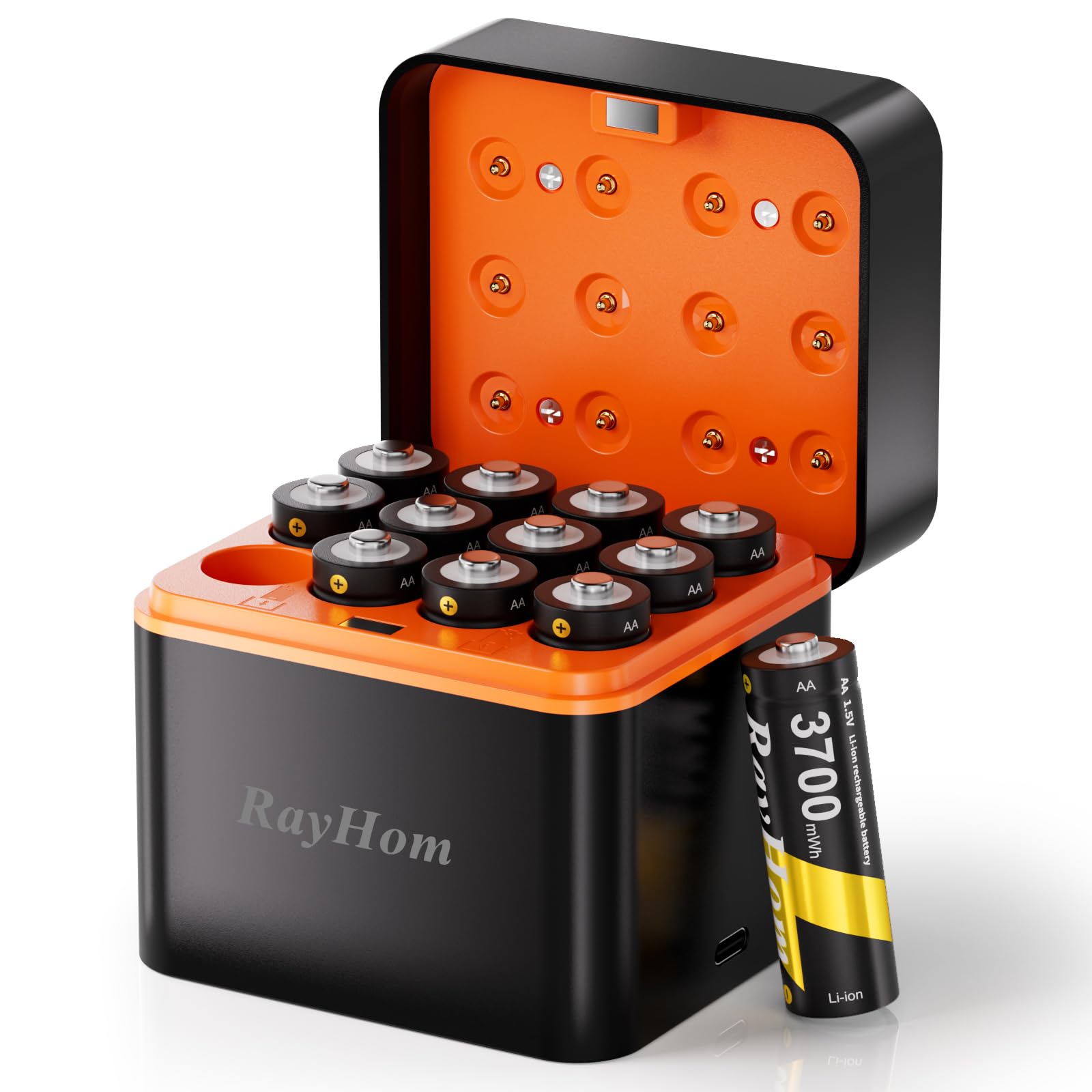
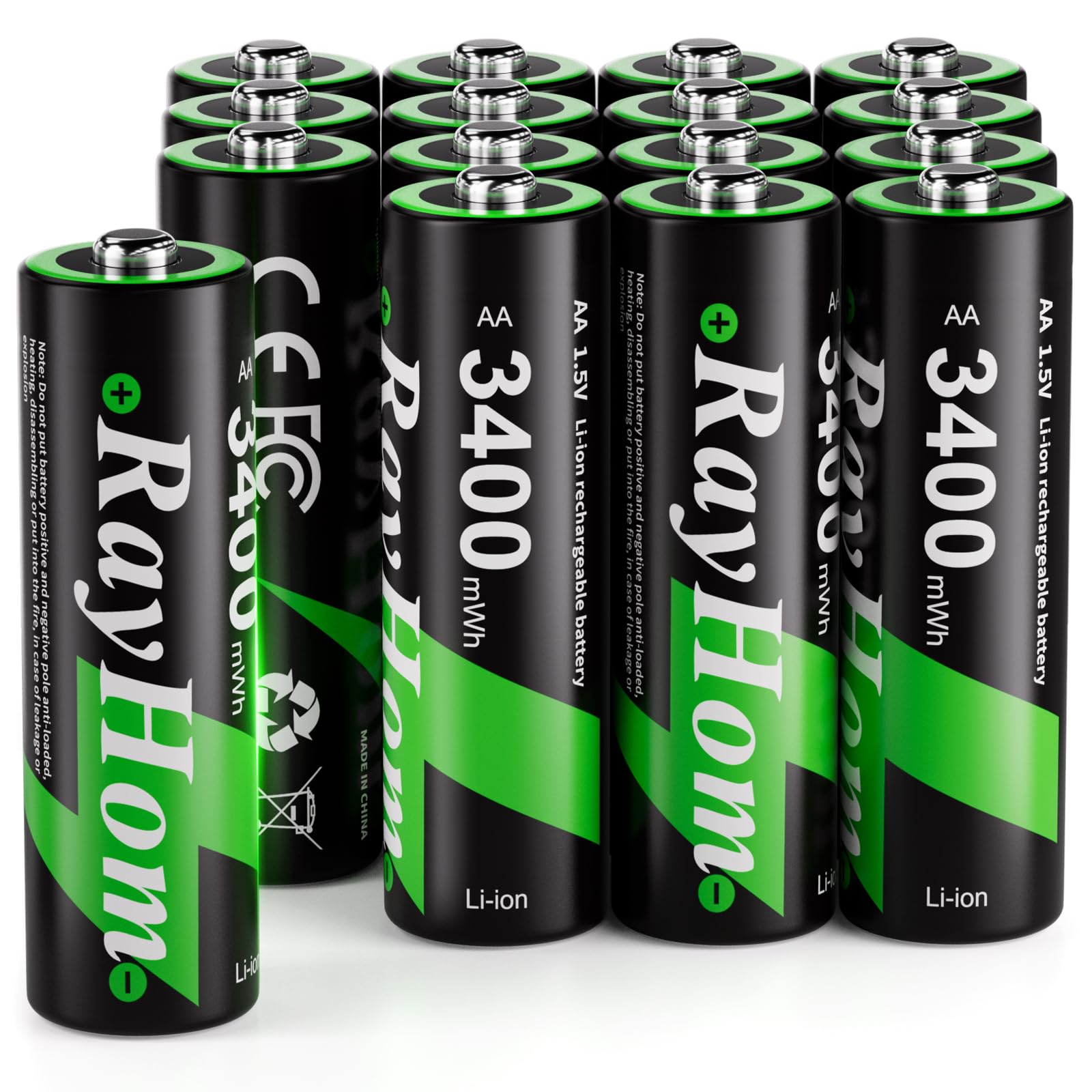
No, you cannot recharge the single use AA lithium batteries sold for trail cameras, and trying can overheat the cell. Do not confuse them with rechargeable lithium ion AA cells, a different product with built in charging ports. Those regulated cells hold a steady 1.5 volts, but confirm your camera maker approves them first.
Why does a trail camera show low battery with fresh AA lithium cells?
A trail camera can show odd readings with fresh AA lithium cells because its gauge was often tuned for the steady decline of alkaline voltage. Lithium holds a high, flat voltage and then drops fast near the end, so the bars may sit at full for months and fall quickly. Trust your change date and photo count more.
Do AA lithium batteries help a trail camera in extreme cold?
Yes, AA lithium batteries help a trail camera in extreme cold more than any other AA chemistry. Placement matters too. A camera on a thin metal post in open wind runs colder than one strapped to a large tree, which holds some daytime warmth. In deep cold, shorten video length, because long clips demand sustained flash power when cells are weakest.
Wrapping Up
Match the chemistry to your visit rhythm first, then check voltage fit, cold ratings, and the count your tray needs. Lithium earns its higher price on remote, cold, and cellular cameras, while cameras near home can forgive cheaper choices. Use the product table above to compare counts and prices for the sites you run.
When you choose best aa lithium batteries for trail cameras with those points in mind, you trade a little more money at the shelf for far fewer silent weeks in the woods. Stock one dated spare set and load full trays.


