Best Bathtub Mats for Seniors in 2026: A First Time Buyer Guide
Disclosure: We may earn a commission when you buy through links on this page, at no extra cost to you. As an Amazon Associate I earn from qualifying purchases. Learn more
Best bathtub mats for seniors: how to judge size, grip, drainage, comfort and cleaning so the mat fits your tub.
Shopping for best bathtub mats for seniors for the first time can feel confusing, because mats look similar in photos yet differ a lot in size, grip, and drainage. This guide explains the basics in plain language, compares the main types, and flags the rookie mistakes that lead to a mat that curls, slips, or never quite fits the tub. The product table after this intro lets you compare options, and the type comparison further down helps you narrow the field.
A bathtub mat sits on the floor of the tub and gives bare feet a textured surface to stand on while bathing. For older adults, comfort matters as much as grip: a mat should feel steady underfoot, drain well so water does not pool, and lift easily for cleaning. This guide offers general fit and comfort guidance only, and it does not promise to prevent slips or treat any health condition. If pain, dizziness, or balance problems persist or get worse, talk to a doctor about personal needs.

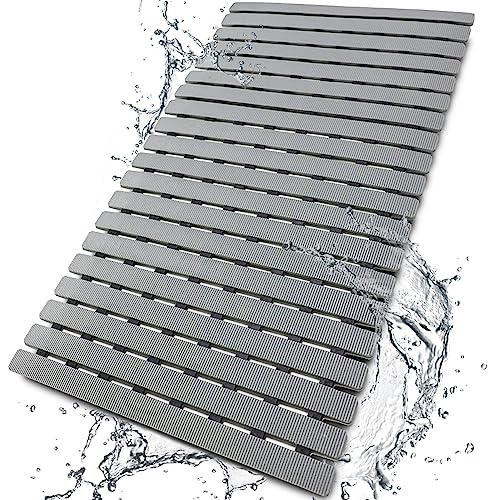
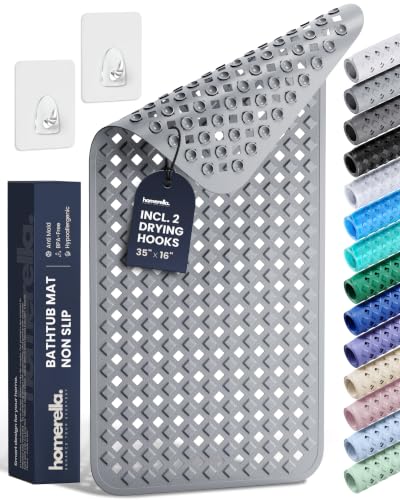
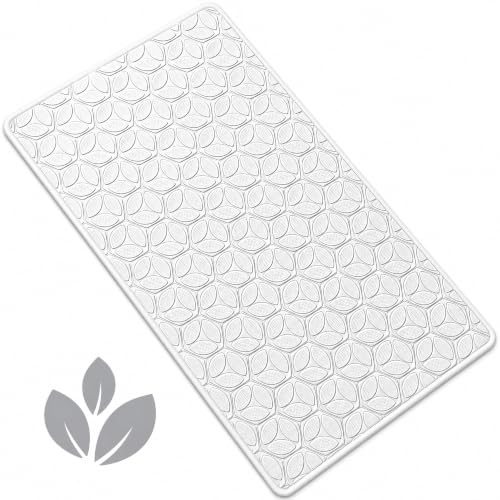
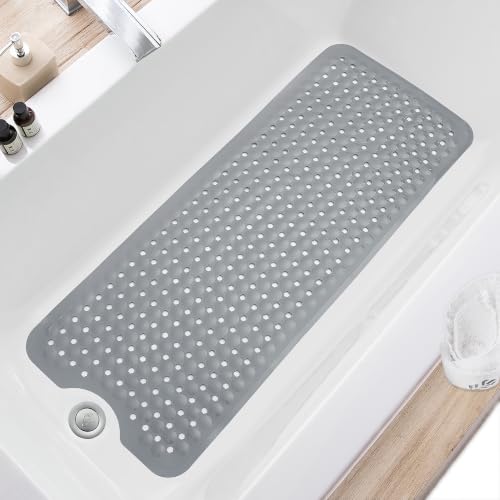

Best Bathtub Mats for Seniors: The Basics
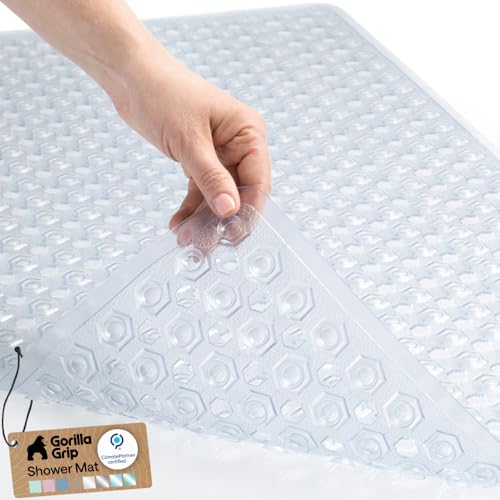
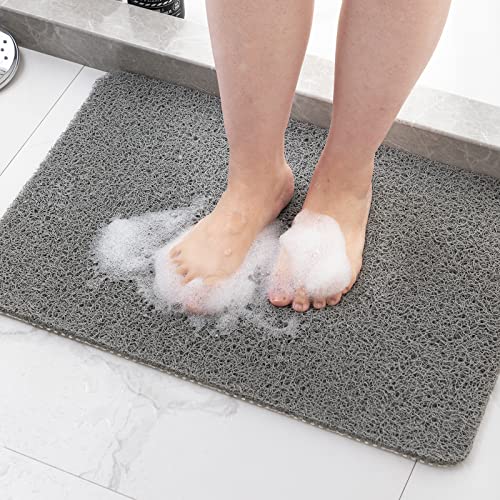
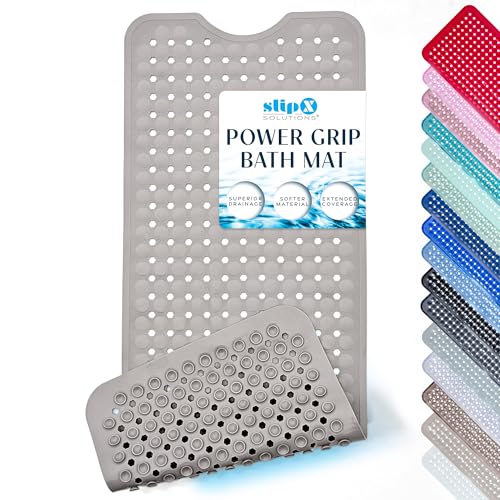
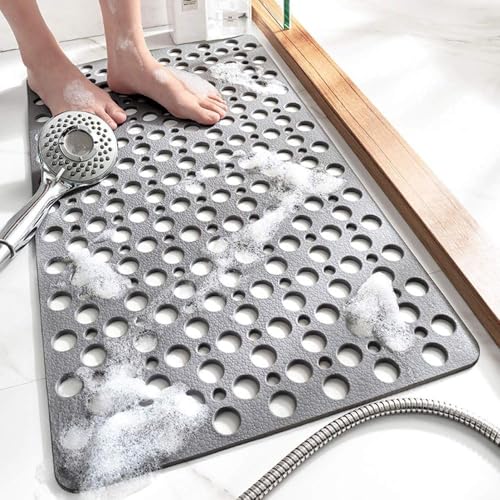
A bathtub mat is a flat sheet, usually made from rubber, vinyl, or a soft foam blend, that covers part of the tub floor. The top surface has a raised pattern that adds friction under wet feet, while the underside often has suction cups that hold the mat against the tub. Drainage holes let water flow through to the drain instead of pooling on top of the mat.
Key terms are simple once you know them. Suction cups are the small discs underneath that grip smooth tub surfaces. Drainage means how quickly water leaves the top of the mat.
Coverage means how much of the tub floor the mat spans, from a short center strip to a near full length sheet. Thickness affects cushioning and how the mat lies flat, while weight affects how easily the mat can be lifted, rinsed, and hung to dry.
See our guide to the best bathtub mat for a general comparison of mat styles, since many of the same size and drainage points apply here. The senior focused points in this guide add comfort, ease of handling, and simple care to that general picture.
Key Specs Explained in Plain English
Specs for bathtub mats are less technical than specs for electronics, but each one still affects daily comfort. Read them as practical questions: will it fit my tub, will it stay in place, can I clean it, and can I lift it without strain. The headings below answer each question in turn.
What Seniors Should Look For
For older adults, the most useful features are a wide, stable standing area, a texture that feels secure without feeling harsh, and a mat light enough to lift for cleaning. A longer mat helps when you shift position to wash or to sit down, since your feet stay on the textured surface. A low profile edge helps, too, because a thick raised edge can catch a toe when stepping in or out. Choose a mat you can handle with wet hands, and check the maker guidance on tub compatibility before you buy.
Intended Use and Who It Is For
Bathtub mats suit people who bathe in a standard tub and want a textured surface underfoot. They also suit households where several people share one bathroom, since a mat can be rinsed and left to dry between baths. A mat is not a substitute for grab bars, a shower chair, or other bathroom aids, and it works best as one part of a comfortable bathing setup. If stepping over a high tub wall is already hard, talk to a doctor or an occupational therapist about broader bathroom safety options.
Ease of Use and Setup
Setup is usually simple: clean the tub floor, press the mat down firmly, and check that the suction cups grip across the whole surface. Press from the center outward to push air out from under the mat, and tug it with a hand before stepping on with full weight. If the mat curls at the corners, unroll it flat and let it rest before first use, following maker guidance. A mat that needs constant repositioning after every bath may be the wrong size or the wrong shape for your tub.
Size, Weight, and Fit for Your Space
Measure the flat floor of your tub before you shop, not just the outer length of the tub. Many tubs slope at the ends, so a mat that matches the outer length may bunch up on the slope. Leave a small gap around the drain so water flows freely, and check that the mat does not cover the overflow or block the drain cover. Lighter mats are easier to lift and hang, while heavier mats often lie flatter, so balance flatness against how much weight you are comfortable handling when wet.
Maintenance and Long Term Costs
Long term costs for a bathtub mat are low, since the main cost is replacement when texture wears or suction weakens. Rinse the mat after each bath, hang it to dry, and clean it weekly with a mild cleaner that the maker approves. Check suction cups for wear and check the top surface for smooth patches, since worn texture gives less grip. Replace a mat that stays damp, smells musty after cleaning, or no longer lies flat, even if it looks fine at a glance.
Price vs Value
Budget mats, about $10 to $20, often cover the basics with simple rubber or vinyl and standard suction. Mid range mats, about $20 to $35, tend to offer larger coverage, softer cushioning, and better drainage patterns. Premium mats, about $35 to $60, may add extra length, thicker cushioning, or antimicrobial treatments, though the maker label should state what any treatment does and does not do. Value comes from fit and durability in your tub, not from the highest price alone.
Types Compared
The table below is a simple type comparison. Use it to narrow the field, then check size and suction against your own tub.
| Type | Best For | Pros | Cons | Typical Price |
|---|---|---|---|---|
| Rubber suction mats | Standard smooth tubs | Strong grip, easy rinse | Needs a smooth tub floor | About $10 to $25 |
| Vinyl cushion mats | Comfort and coverage | Soft feel, wide sizes | Can feel bulky when wet | About $15 to $35 |
| Foam mats | Soft standing surface | Light, cushioned | May dry more slowly | About $20 to $40 |
| Full length mats | Long tubs, shifting position | Wide standing area | Heavier to lift and hang | About $25 to $50 |
If your tub has a textured or non slip floor already, suction cups may grip less well, so check maker compatibility notes for textured surfaces. In that case, a heavier mat that lies flat by weight, or a mat made for textured tubs, may suit better than a light suction mat. For a walk in shower used with a tub, measure that floor separately, since shower floors often slope toward a center drain.
Our guide to the best bathtubs for seniors covers tub height, doors, and seating in more depth, which can help if you are planning a larger bathroom change. For a mat alone, focus on the tub you already have, and keep the setup simple.
Rookie Mistakes to Avoid
- Buying by outer tub length instead of the flat floor length, so the mat bunches on the slope.
- Skipping the suction check, then stepping on with full weight before the mat is pressed down firmly.
- Covering the drain, which leaves water pooling on top of the mat.
- Leaving the mat flat in the tub between baths, so it stays damp and grows musty.
- Choosing the thickest mat for comfort, then finding the raised edge catches a toe.
- Ignoring wear, and keeping a mat whose texture has smoothed or whose suction has weakened.
Getting Started: Setup and First Use
Start by cleaning the tub floor and rinsing away soap residue, since residue weakens suction. Unroll the mat fully, lay it on the flat floor, and press from the center outward until the suction cups grip. Step on gently with one foot first to check that the mat stays in place, then adjust the position before a full bath. After the first bath, lift the mat, rinse both sides, and hang it to dry, so you build a simple cleaning habit from day one.
Check the mat again after a week of use. Look for curled corners, loose suction, and any spots where water pools instead of draining. If the mat shifts during a bath, recheck the fit and the tub surface, and replace it if the suction no longer holds. Keep maker care notes handy, and follow them for cleaning products, since harsh cleaners can wear texture and suction over time.
If you are also comparing tub options, our guide to the best quality bathtubs explains materials and build quality in general terms. For day to day comfort, though, a well fitting mat that you clean and replace on time often matters more than a costly upgrade.
FAQs
What makes bathtub mats for seniors different?
Bathtub mats for seniors differ mainly in size, cushioning, and ease of handling, rather than in a special technology. Longer mats give a wider standing area when you shift position, softer surfaces feel kinder underfoot, and lighter mats are easier to lift for rinsing and drying. Low profile edges also help, since a thick edge can catch a toe when stepping in or out. The best choice still depends on your tub shape and your own comfort, so measure the flat tub floor and check maker guidance before you buy.
How long does a bathtub mat last?
A bathtub mat often lasts about 6 to 18 months with regular use, depending on material, cleaning habits, and how often it is left damp in the tub. Rubber mats may last longer when rinsed and hung to dry, while foam mats may wear sooner if they stay wet. Watch for smooth texture, weak suction, curled corners, and musty smells that persist after cleaning. Replace the mat when any of these signs appear, since a worn mat gives less grip and less comfort than a fresh one.
Are expensive bathtub mats worth it?
Expensive bathtub mats can be worth it when the extra cost buys larger coverage, softer cushioning, or better drainage that suits your tub, but price alone does not guarantee a better fit. Compare size, weight, drainage pattern, and suction against your tub before you compare prices. A mid range mat that fits the flat floor well often serves better than a costly mat that bunches on a slope. Spend more when you need extra length, extra cushioning, or a mat that is easier to lift and clean.
How much should I spend on a bathtub mat?
Most buyers spend about $15 to $35 for a bathtub mat, with simple rubber mats near the lower end and larger cushion mats near the upper end. Full length or premium cushion mats can cost about $35 to $60, which may suit a long tub or a need for extra softness. Set your budget after you measure the tub, then compare fit and drainage within that range. Replacing a worn mat on time matters more than stretching one mat far past its useful life.
What features matter most when buying bathtub mats?
The features that matter most are fit for the flat tub floor, suction or weight that keeps the mat in place, drainage that prevents pooling, and a texture that feels secure without feeling harsh. Ease of lifting and cleaning also matters, since a mat that is hard to handle often stays damp in the tub. Check maker guidance on textured tub surfaces, and look for a low profile edge that does not catch a toe. Together, these points shape daily comfort more than color or pattern alone.
How do I maintain a bathtub mat?
Maintain a bathtub mat by rinsing it after each bath, hanging it to dry, and cleaning it weekly with a mild maker approved cleaner. Lift the mat fully so the tub floor and the underside both dry, and check suction cups and texture for wear during cleaning. Avoid harsh cleaners that can wear the surface, and replace a mat that stays musty, curls, or no longer grips after cleaning. A simple routine like this keeps the mat fresher and helps you notice wear before it becomes a problem.
Our Verdict
Focus on three things: a mat that fits the flat floor of your tub, a texture and grip that feel steady underfoot, and a size and weight you can lift and clean with ease. Measure before you buy, check suction before a full bath, and replace the mat when texture or suction wears. If pain, dizziness, or balance problems persist or get worse, talk to a doctor about personal needs. Use the product table above to compare options side by side, then choose the best bathtub mats for seniors for your own tub and routine.