Best LED Bathroom Wall Mirror: A Complete Buying Guide

Dim, flat lighting is often the real reason a bathroom mirror never seems to work for makeup, shaving, or skincare, no matter how nice the fixtures around it look. The best led bathroom wall mirror solves that problem by building light directly into the mirror itself, giving you even, shadow-free illumination right where your face is instead of a single bulb throwing shadows from one side. These mirrors range from simple backlit ovals with a soft ambient glow to large frameless designs with adjustable color temperature, touch dimmers, and built-in anti-fog pads. This guide covers what to look for before you buy, the different mirror types you will run into while shopping, how to plan the installation, and the habits that keep an LED mirror working well for years.
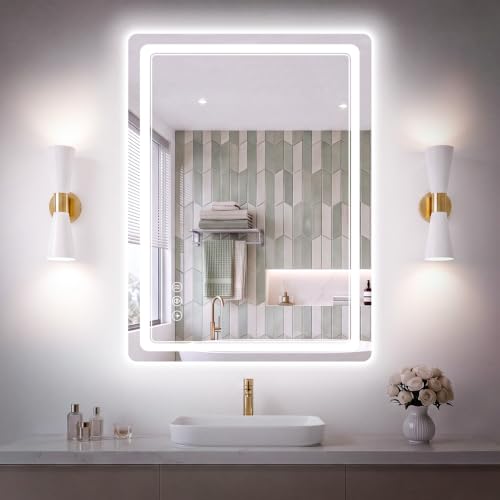
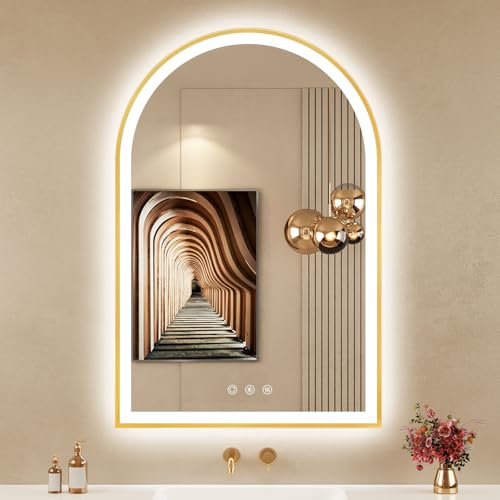
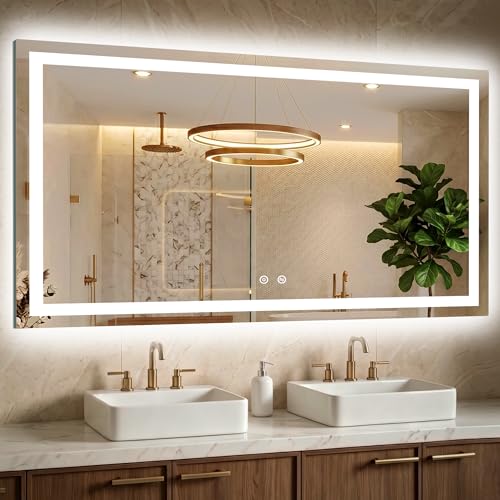
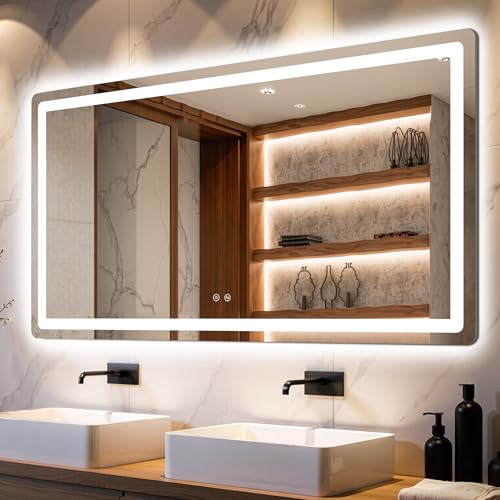
What to Look for in an LED Bathroom Wall Mirror
The best led bathroom wall mirror is really two products in one, a mirror and a light fixture, so it pays to evaluate both sides before you commit to a size or style.
Light Color Temperature
Color temperature is measured in Kelvin, and it determines whether the light looks warm and yellow or cool and blue-white. A range around 3000K reads warm and cozy, 4000K is a neutral white that works well for most grooming tasks, and 5000K to 6500K looks closer to daylight, which is useful for applying makeup that needs to look accurate outdoors. Some mirrors offer a single fixed tone while others include a tunable dial or touch control that lets you shift between warm and cool light depending on the task or time of day.
Brightness and Dimming Control
Brightness is usually listed in lumens, and a mirror with a dimmer gives you far more flexibility than one with a single on and off setting. Look for a touch-sensitive dimmer strip along the frame rather than a mechanical switch, since touch controls tend to hold up better in a humid bathroom. A memory function that returns to your last brightness setting after being turned off is a small feature that makes a noticeable difference in daily use.
Mirror Size and Shape for Your Vanity
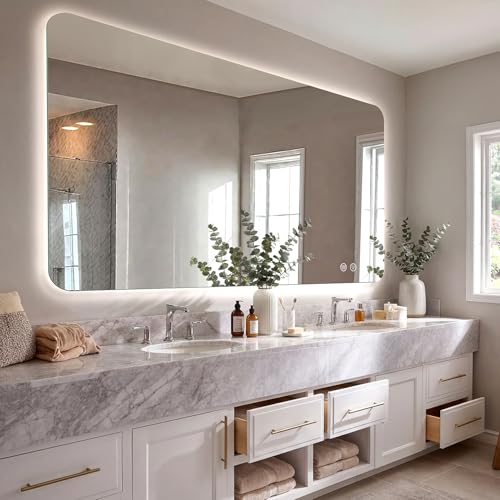
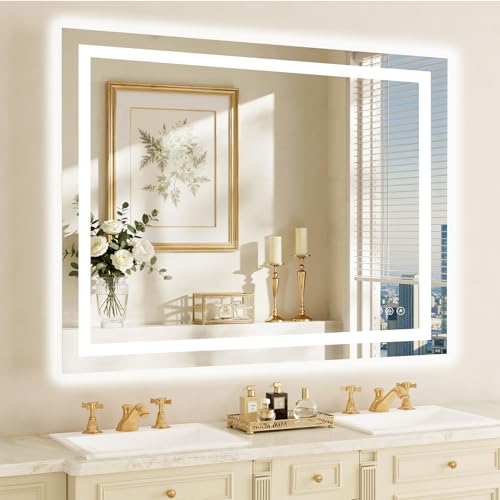
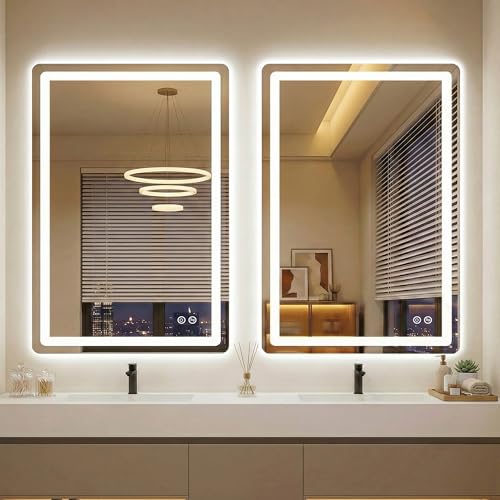
A mirror that is too small will feel out of proportion once it is mounted, while one that is too large can overwhelm a compact bathroom or crowd nearby fixtures like a light sconce or towel bar. As a general rule, aim for a mirror that is a few inches narrower than your vanity or sink area on each side, so it reads as centered rather than oversized. Round and oval shapes tend to soften a small bathroom, while rectangular mirrors make better use of wide vanity walls and double-sink setups.
Anti-Fog Function
An anti-fog pad is a thin heating element mounted behind the glass that keeps the surface just warm enough to prevent condensation from forming after a hot shower. This feature matters most in smaller bathrooms with limited ventilation, where steam tends to linger and coat every reflective surface in the room. Not every LED mirror includes this, so check the product details closely if a fog-free mirror is a priority for your morning routine.
IP Rating for Bathroom Safety
Because a mirror light sits in a room with constant moisture and splashes, it needs an appropriate IP, or Ingress Protection, rating to be used safely. An IP44 rating is a common minimum for bathroom lighting, meaning the fixture is protected against splashing water from any direction. Always confirm the IP rating before buying, especially if the mirror will hang near a sink, tub, or shower where direct splashes are likely.
Types of LED Bathroom Mirrors Explained
LED mirrors are not all built the same way, and the lighting style you choose changes both how the mirror looks on the wall and how well it actually illuminates your face.
Backlit, Front-Lit, and Edge-Lit Mirrors
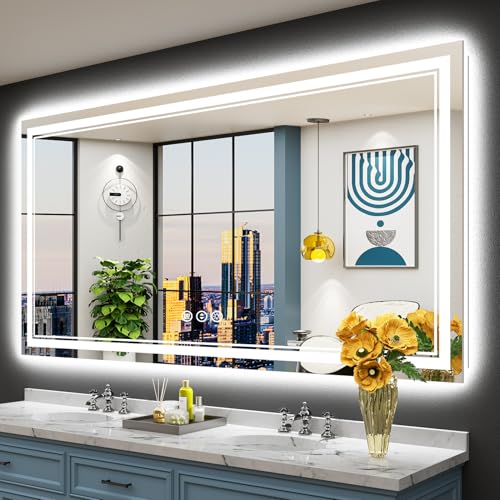
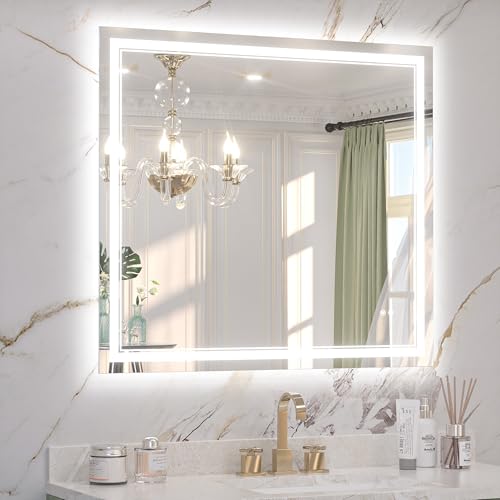
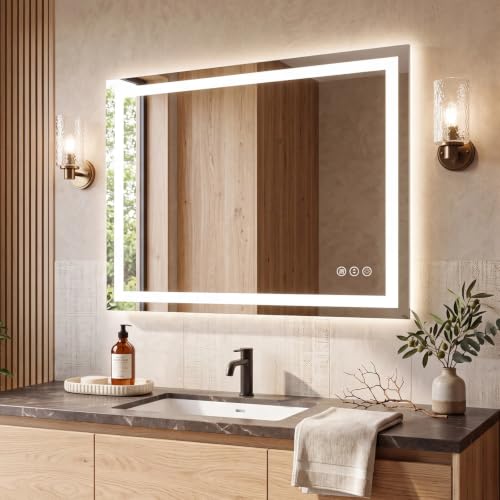
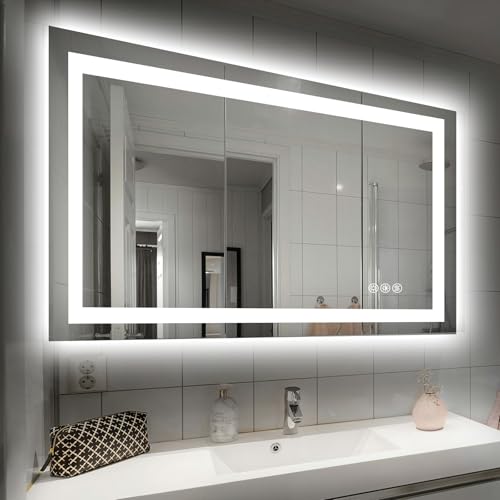
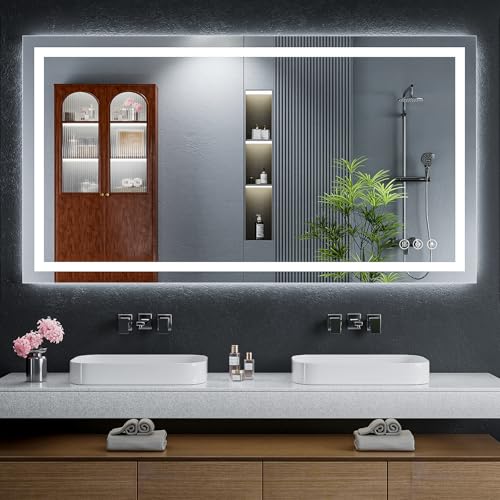
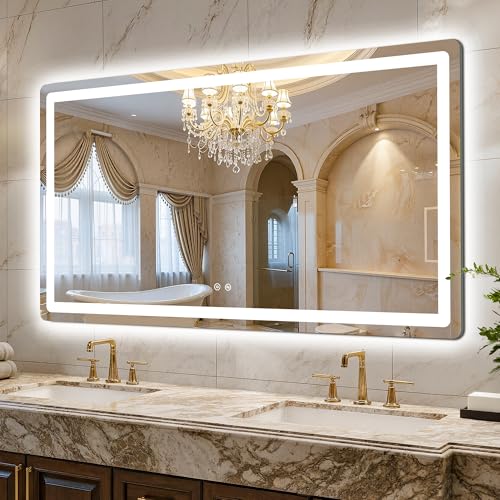
A backlit mirror places LEDs behind the glass, creating a soft halo effect around the perimeter that works well as ambient lighting but does not always throw much light forward onto your face. A front-lit mirror positions the LEDs to shine outward, which gives more direct, even light for tasks like shaving or applying makeup. An edge-lit design runs a slim strip of light around the mirror's border, blending some of the ambient glow of a backlit style with a bit more usable front light, all in a slimmer profile than either alternative.
Framed vs Frameless Designs
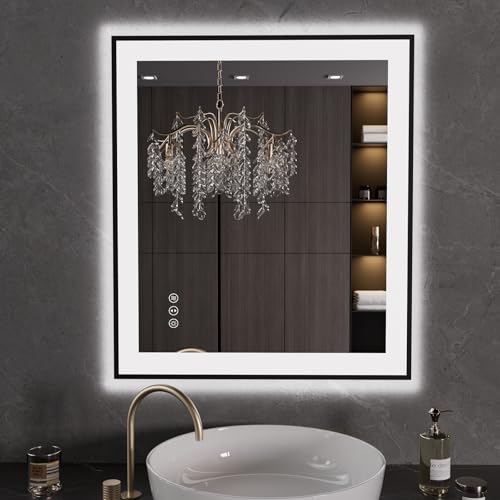
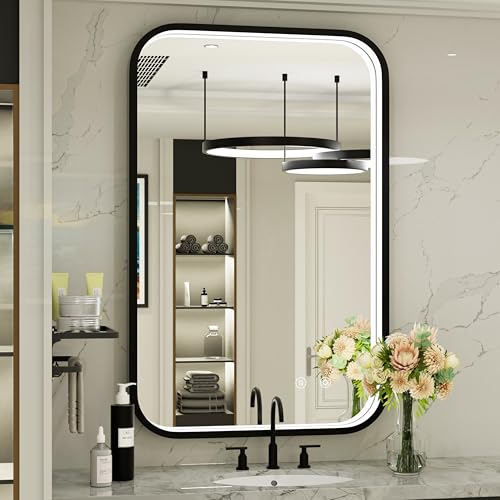
A framed LED mirror uses a visible metal or wood border around the light strip, giving it a more traditional or decorative look that can match other bathroom hardware. A frameless design has the light integrated directly into the mirror's edge with no visible border, which tends to read as more modern and is generally easier to wipe down since there are fewer seams for water and grime to collect in.
Smart Mirrors with Touch Controls and Extra Features
Higher-end models add features beyond basic lighting, such as touch-sensor power buttons, adjustable color temperature dials, built-in defoggers, and sometimes a small digital clock or Bluetooth speaker. These extras add convenience but also add more electronics behind the glass, so it is worth checking the warranty length on any mirror with this much built-in technology.
How to Plan and Install Your LED Mirror
Measuring Your Vanity Wall Space
Measure the full width of your vanity or sink area, then leave a bit of breathing room on each side so the mirror does not look cramped against nearby fixtures. If you are replacing an existing mirror, also check the height above the sink deck, since standard placement runs a few inches above the faucet to keep the light height comfortable for most users. Planning the mirror alongside other fixtures matters too. If you are also swapping in a new bathroom vanity as part of the same project, it is worth finalizing that choice first so the mirror size and mounting height line up with the new counter and sink placement.
Hardwired vs Plug-In Power
Some LED mirrors need to be hardwired into a junction box behind the wall, which usually means bringing in an electrician to tie the fixture into an existing switch. Plug-in models are simpler to install since they connect to a standard outlet, often with the cord routed discreetly behind the mirror or through a small hole in the wall. If you are coordinating a broader bathroom refresh, such as also installing new framed sliding shower doors, it can be worth scheduling the electrical work for all the fixtures at once to avoid multiple rounds of wall patching.
Keeping an LED Mirror Looking and Working Its Best
Cleaning the Glass and Light Edges
Use a standard glass cleaner and a soft, lint-free cloth for the mirrored surface, and avoid spraying cleaner directly onto the seams where the light strip meets the glass. Ammonia-based cleaners can degrade certain frame finishes over time, so a mild, ammonia-free formula is generally the safer choice for both the glass and any metal trim.
Protecting the Electronics from Humidity
Run your bathroom exhaust fan during and after showers to cut down on the moisture that reaches the mirror's internal wiring and light components. Never submerge or heavily spray the power cord, transformer, or any exposed wiring, and unplug a plug-in model before doing any deep cleaning around the outlet. A little consistency here goes a long way toward keeping a led bathroom wall mirror running reliably for years instead of flickering out early.
Common Mistakes to Avoid
A handful of avoidable choices turn an otherwise great LED mirror into a source of daily frustration. Watch for these before you buy.
- Choosing a color temperature without testing how it looks in your actual bathroom lighting conditions.
- Ignoring the IP rating and installing a fixture too close to a shower or tub spray zone.
- Buying a hardwired mirror without confirming an electrician is available and budgeted for.
- Overlooking dimmer compatibility, which can cause flickering or buzzing with the wrong switch type.
- Skipping the anti-fog feature in a small, poorly ventilated bathroom that fills with steam quickly.
- Picking a mirror size based on the display photo alone instead of measuring the actual vanity wall.
Frequently Asked Questions
What color temperature is best for a bathroom mirror?
A neutral to cool white between 4000K and 5000K generally works best for grooming and makeup application, since it renders skin tone and color more accurately than warm light. Some people still prefer a warmer 3000K glow for a softer, more relaxing feel in the evening.
Do LED bathroom mirrors use a lot of electricity?
No, LED lighting is highly energy efficient compared to older bulb-based fixtures, and most bathroom mirror lights draw only a small amount of power even when left on for extended periods. Running one daily typically adds very little to a monthly electric bill.
Can I install an LED mirror without hardwiring it?
Yes, many models are designed as plug-in units that connect to a standard outlet rather than requiring a hardwired connection. These are generally easier and faster to install, though hardwired options often look cleaner since there is no visible cord.
Are all LED bathroom mirrors anti-fog?
No, anti-fog is a specific feature that uses a heating pad behind the glass, and not every LED mirror includes it. Check the product specifications directly if a fog-free surface after showers is important to you.
What size LED mirror should I get for my vanity?
A good starting point is a mirror that is a few inches narrower than your vanity or sink area on each side, so it looks proportional rather than oversized or cramped. Double-sink vanities generally look best with either one wide mirror or two matching mirrors centered over each sink.
How long do LED mirror lights typically last?
Most LED light strips used in bathroom mirrors are rated for tens of thousands of hours, which typically translates to well over a decade of normal daily use before noticeable dimming occurs. Actual lifespan can vary based on build quality and how consistently the mirror is exposed to heat and humidity.
Final Thoughts
Choosing the best led bathroom wall mirror comes down to matching light quality, size, and features to how you actually use your bathroom every morning and night. A mirror with the correct color temperature, a reliable dimmer, and an appropriate IP rating will serve you far better than one chosen on looks alone. Taking a few extra minutes to measure your space and plan the installation properly pays off with a mirror that looks right and performs well for years to come.