Best Bass Small Speakers 2026: Buying Guide
Disclosure: We may earn a commission when you buy through links on this page, at no extra cost to you. As an Amazon Associate I earn from qualifying purchases. Learn more

Get real bass from a small speaker: driver size, passive radiators, cabinet tuning, room placement, battery life, and honest limits explained in simple terms.
Small speakers promise big bass, but physics sets limits that marketing often hides. best bass small speakers explains what actually creates bass in a compact box, and the comparison table below sets out speaker types so you can judge bass claims honestly before buying.
Bass in a small speaker comes from driver design, passive radiators, and cabinet tuning working together, not from wattage numbers alone. A well tuned small speaker can sound full in a room, while a poorly tuned one booms at one frequency and misses the rest. Learn the signs of good tuning, and shopping gets easier.


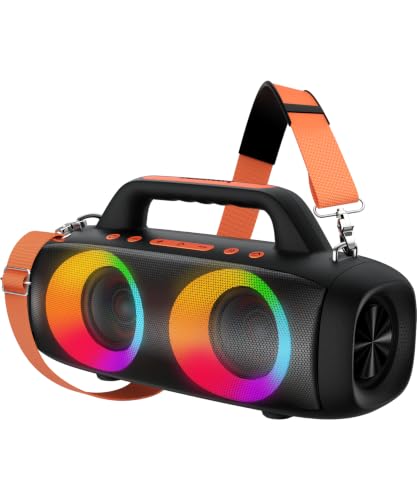
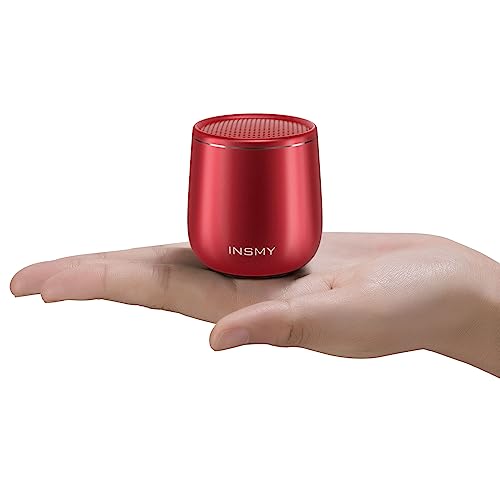
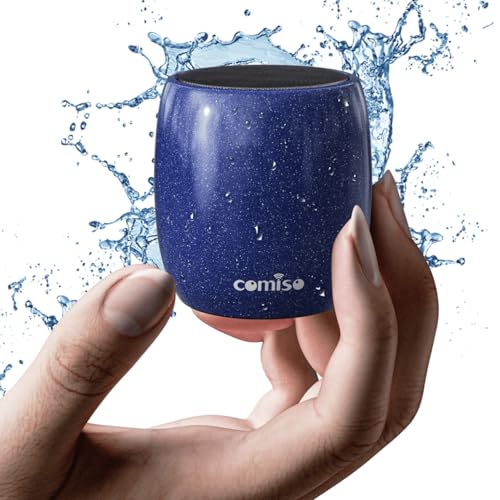
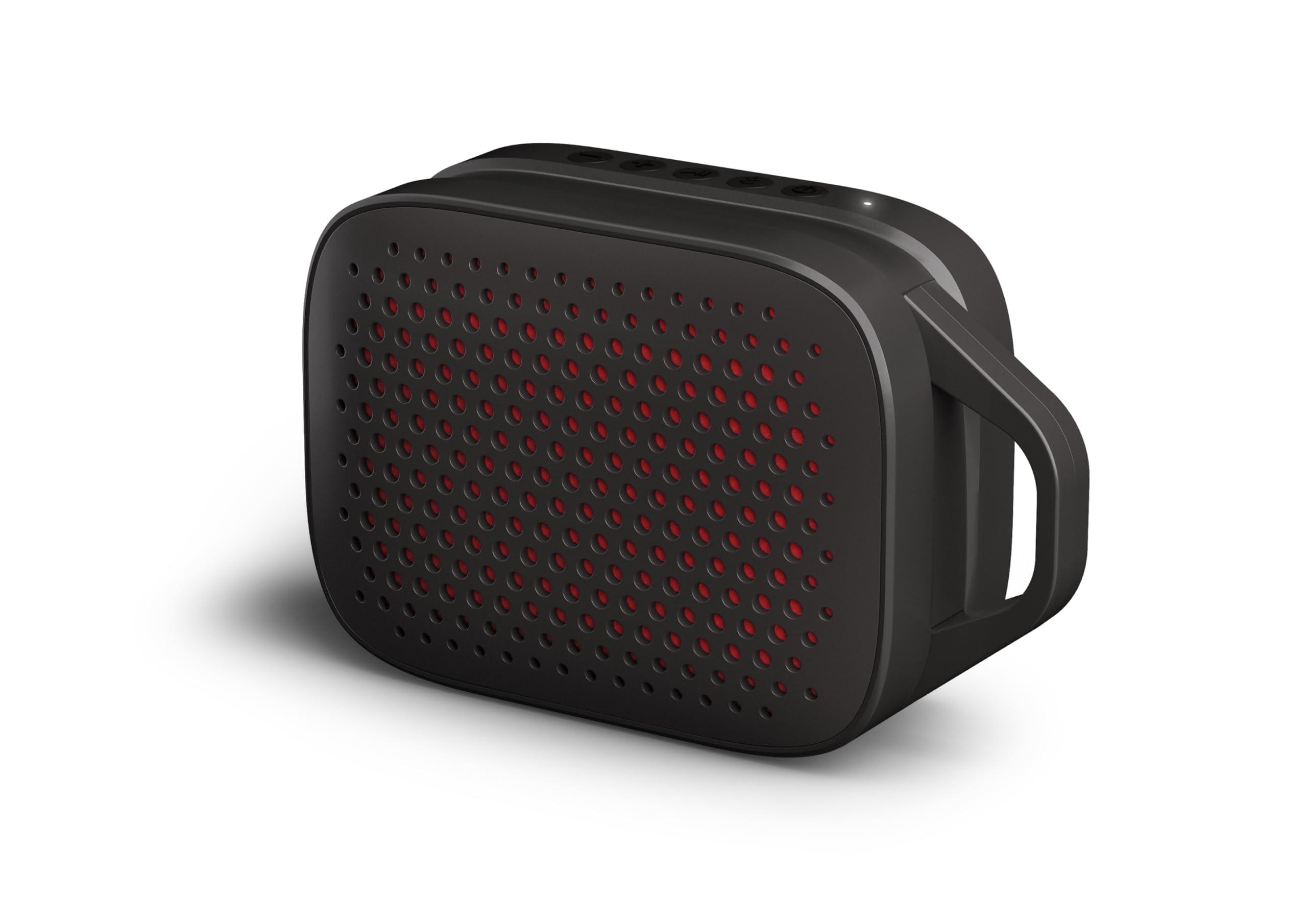
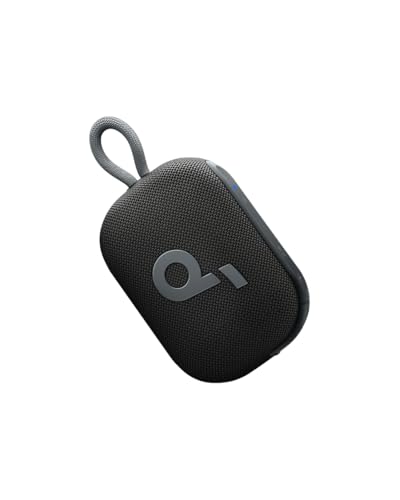
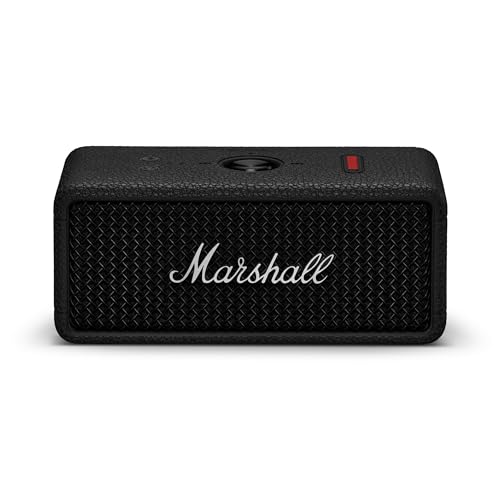
Who Should Buy a Small Bass Speaker
A small bass speaker suits listeners who want portable music with warmth for bedrooms, offices, patios, and small gatherings. It also suits travellers and students who need one speaker for many rooms, since a compact box moves easily and charges over USB. Bass lovers who listen mainly to hip hop, electronic, and pop will notice tuning most.
It is less suited to home theatre use, large rooms, or listeners who want deep sub bass you feel in your chest. Those needs require larger speakers or a dedicated subwoofer, since small drivers cannot move enough air for very low frequencies at volume. For small spaces, however, a good compact speaker satisfies most listeners.
- Bedroom, office, and patio listeners wanting warm sound
- Travellers and students needing one portable speaker
- Bass fans listening to hip hop, electronic, and pop
What Creates Bass in a Small Box
Drivers and Passive Radiators
Drivers move air to create sound, and larger drivers generally produce deeper bass, though tuning matters as much as size. Passive radiators are unpowered cones that vibrate with the main driver, extending bass without a port hole. A speaker with a well tuned radiator can sound fuller than a speaker with a slightly larger driver but poor tuning.
Check driver size and radiator design in specs, but trust listening tests and reviews over numbers alone. A speaker that sounds boomy on one track may sound thin on another, so test with music you know well. Bass should feel even across songs, not loud on one bass note and absent on the next.
Cabinet, Placement, and Volume
Cabinet size limits bass depth, since a tiny box cannot support very low frequencies no matter how clever the tuning. Sealed cabinets sound tighter, while ported or radiator designs extend bass lower at the cost of some control. Neither is universally better, and room placement changes results more than many buyers expect.
Placement near a wall or corner boosts bass noticeably, while placement in open space reduces it. Try corners and shelves before judging a speaker, since moving it a short distance can change bass more than switching models. Volume also matters: small speakers lose bass composure at maximum volume, so judge bass at your normal listening level.
Battery, Connectivity, and Durability
Battery life falls as volume and bass rise, since bass needs power. A speaker rated for long play at moderate volume may last far less time at high volume outdoors. Check battery claims for volume conditions, and favour USB charging that matches your existing cables for travel ease.
Connectivity should be simple: Bluetooth pairing, a wired input for older devices, and controls you can use without an app. Water resistance helps for patios and pools, but it does not guarantee good sound when wet. Check that buttons are easy to find by touch, since fumbling with tiny controls spoils casual listening.
Types Compared
Small bass speakers range from pocket models to bookshelf sized portables, and each balances bass, size, and battery differently. The table below compares them for bass listeners.
| Type | Suits | Watch Out For |
| Pocket speaker | Travel, bags, desks | Thin bass, limited volume |
| Compact portable | Most rooms, patios | Good balance, moderate bass |
| Larger portable | Small gatherings, bass fans | Heavier, pricier |
Pocket speakers prioritise portability over bass depth, compact portables balance bass and size best for most buyers, and larger portables add bass but weigh more. Choose the smallest speaker that still sounds full at your normal volume in your room.
Readers comparing nearby options often find related guides useful. See best small bluetooth speakers with bass, best small speakers, and best bass speakers for closer looks at those related choices.
Listening Before You Buy
Test with familiar tracks that cover deep bass, mid bass, and vocals together, since bass heavy tracks alone hide muddiness. Listen for bass that supports vocals without drowning them, and for drums that sound tight rather than boomy. A good small speaker keeps voices clear even when bass is strong.
Test at several volumes, since a speaker that sounds full quietly may distort loudly, while a speaker tuned for loud play may sound thin quietly. Check stereo pairing if you want wider sound, since two small speakers often beat one larger speaker for room filling sound at similar cost.
If your shortlist is still wide, these related guides can narrow it. See best small wireless speakers and best bass wireless speakers for closer looks at those related choices.
Mistakes That Lead to Disappointment
The most common mistake is trusting wattage or bass boost claims without listening. Wattage does not equal bass depth, and bass boost often adds boom at one frequency while muddying the rest. Another mistake is judging a speaker in a noisy shop, where bass is hard to hear accurately.
Ignoring placement is another error. A speaker placed in open space will sound thinner than the same speaker near a wall, so test placement at home before returning a speaker. Give the speaker a few days of normal listening, since first impressions in unfamiliar rooms often mislead.
What Your Money Gets at Each Price Level
Price tiers for a small speaker reflect materials, build quality, and features rather than a single best choice, so use the table below as a guide to where extra spending actually helps. A budget option often covers the core job well, while higher tiers add durability, comfort, or convenience that frequent users will notice most.
| Tier | Typical Price | What You Get |
| Budget | about $25 to $50 | Compact sound with modest bass. |
| Mid range | about $50 to $100 | Fuller bass, better battery, and water resistance. |
| Higher end | about $100 to $200 | Refined tuning, stereo pairing, and premium build. |
Start at the lowest tier that meets your real use, then step up only for a weakness that would bother you daily. A casual user rarely benefits from premium durability, while a daily user feels cheap materials quickly. That simple rule keeps spending sensible without sacrificing the features that matter for your routine.
Frequently Asked Questions
Can a small speaker really produce good bass?
Yes, for small rooms and moderate volumes, a well tuned compact speaker can sound warm and full, especially with passive radiators and careful cabinet design. It will not match a large speaker or subwoofer for very deep bass at high volume, since small drivers move less air. For bedrooms, offices, and patios, however, good small speakers satisfy most listeners.
What matters more: driver size or wattage?
Driver size and tuning matter more than wattage, since wattage describes power handling, not bass depth or sound quality. A well tuned speaker with a moderate driver often sounds fuller than a high wattage speaker with poor tuning. Judge by listening tests and reviews covering your music, not by wattage numbers alone.
Why does my speaker sound bassy in one room and thin in another?
Room size, wall distance, and furniture change bass dramatically, since walls and corners reinforce low frequencies. A speaker near a corner sounds bassier than the same speaker in open space. Move the speaker closer to a wall or into a corner before judging bass, and test in the room where you will listen most.
Do passive radiators really help bass?
Yes, when tuned well, passive radiators extend bass lower without a port, and they avoid port noise that some small speakers suffer. Poorly tuned radiators can sound boomy, so listening tests matter. A radiator is a tool for better bass, not a guarantee, and cabinet tuning decides the final result.
Should I buy one larger speaker or two small ones?
Two small speakers in stereo often give wider, more room filling sound than one larger speaker at similar cost, especially for music listening. A single larger speaker may give deeper bass and simpler setup, however. Choose stereo pairing if you listen in one room often, and a single larger speaker for portability and simplicity.
Does speaker size matter more than brand for bass?
Size and tuning matter more than brand alone, since a larger cabinet and well tuned radiator produce deeper bass regardless of logo. Brands differ in tuning style, with some favouring warm bass and others favouring clarity. Listen to speakers in your price range rather than buying by brand reputation alone.
Final Thoughts
Good small speaker bass feels even, supports vocals, and stays clean at your normal volume. Compare the product table above against your room size and listening habits, and test placement before judging any model.
Trust your ears with familiar music, not wattage claims alone. Careful best bass small speakers research usually ends with a compact speaker that sounds full without dominating the room.