Best Bass Response Bookshelf Speakers: Budget, Midrange, and Premium Picks for 2026
Disclosure: We may earn a commission when you buy through links on this page, at no extra cost to you. As an Amazon Associate I earn from qualifying purchases. Learn more
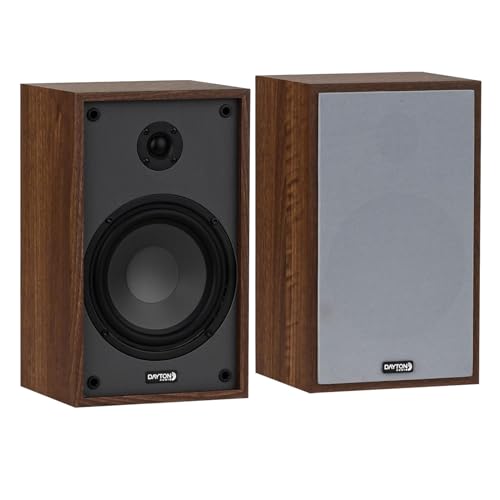
A buying guide to the best bass response bookshelf speakers, covering driver size, cabinet design, placement, price tiers, and a simple pre purchase checklist.
Prices for bookshelf speakers stretch from under $100 a pair to well over $1,000, and the price gap does not always tell you where the bass improves. The best bass response bookshelf speakers for your room depend on driver size, cabinet design, and how much space you can give them, not on the biggest watt number on the box.
This guide breaks the market into three budget paths, explains what each price tier usually delivers, and shows which features change the low end and which ones you can safely skip. Use the comparison table below to shortlist a few pairs, then work through the criteria here before you spend.



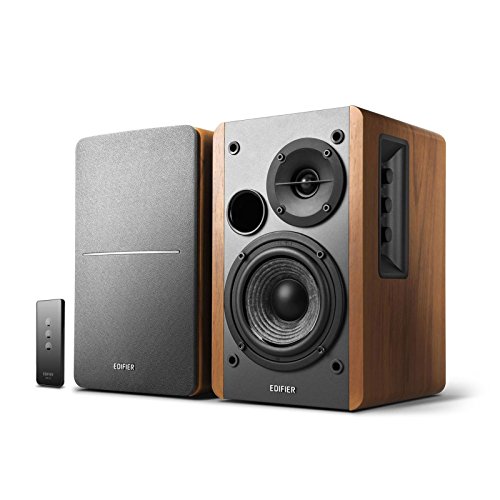
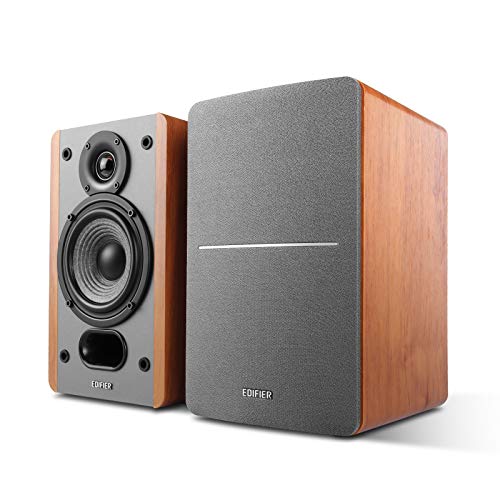
Three Budget Paths to Consider
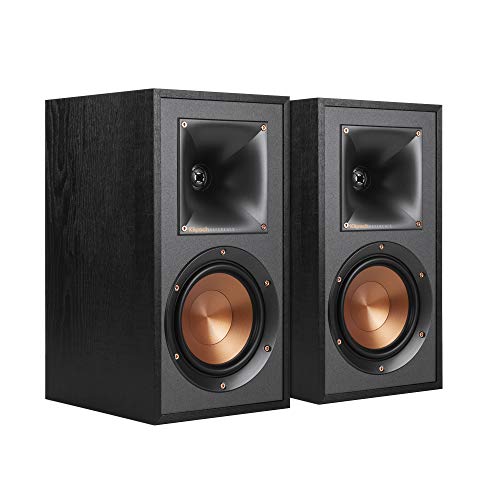
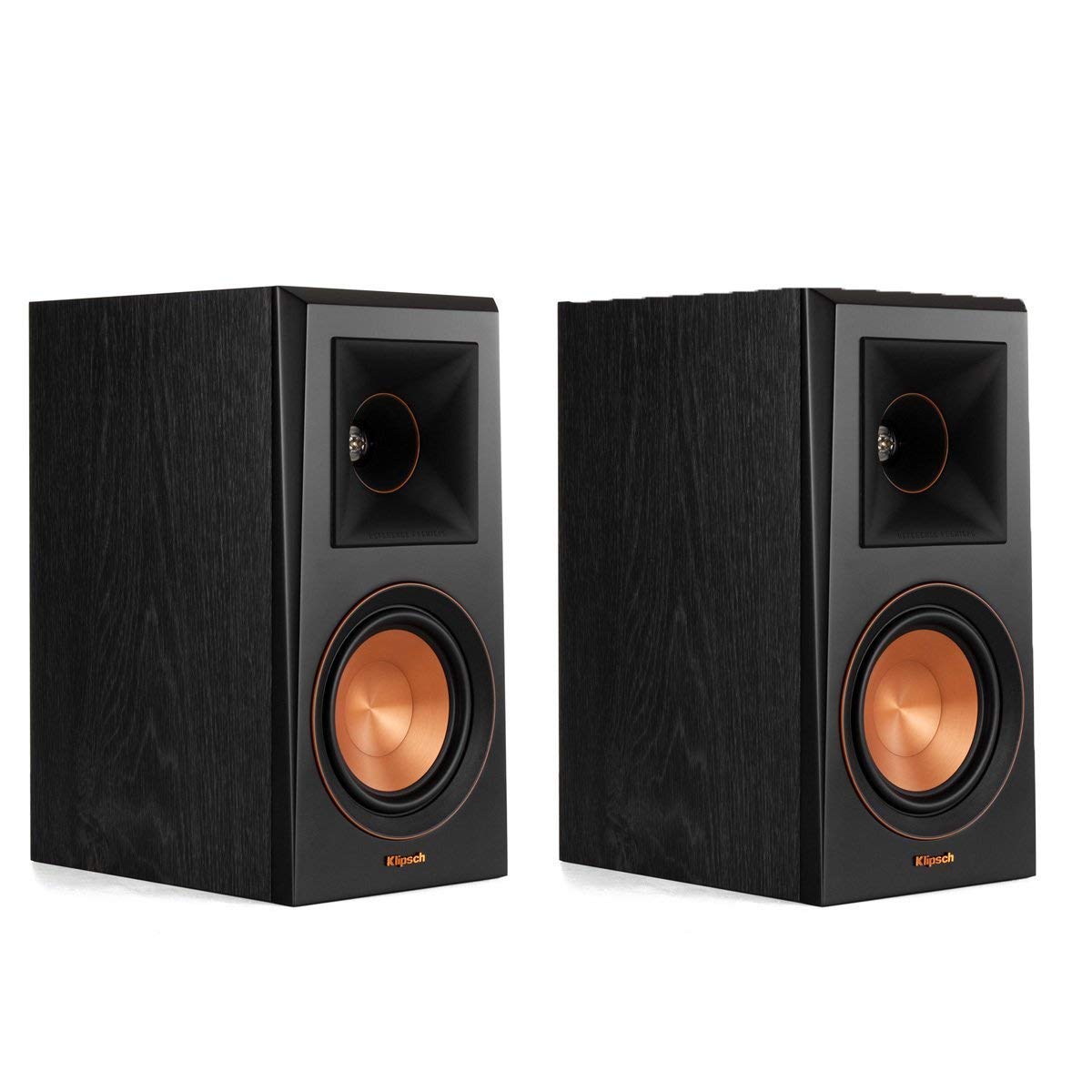
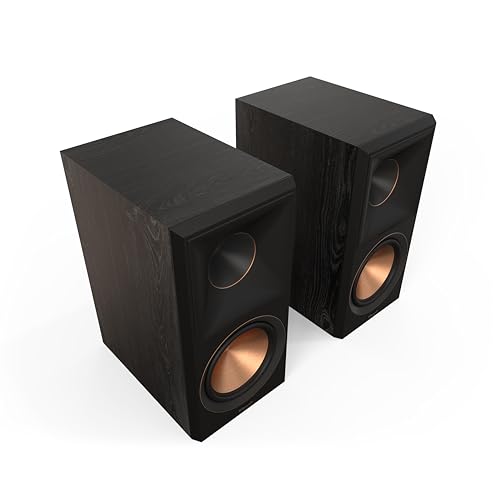
Instead of chasing a single winner, think about which of these three paths matches your room, your amplifier, and how loud you listen. Each path describes the kind of speaker that tends to satisfy buyers at that spend, so you can judge any model in the product table above against it.
Budget Path: Honest Bass in a Small Room
A good budget choice, usually around $100 to $200 a pair, gives you a woofer of about 4 to 5.25 inches, a cabinet that feels solid when you knock on it, and bass that stays clean at moderate volume. It suits a desk, a bedroom, or a small living room where you sit fairly close. Expect the deepest notes to roll off early, so movie explosions sound tidy rather than huge. The main limit is headroom: push the volume and the low end thins out or turns boomy near walls.
Midrange Path: The Step Most Buyers Feel
Around $250 to $450 a pair is where bass usually gains real weight. Woofers grow to about 5.25 to 6.5 inches, cabinets get heavier bracing, and ports are tuned with more care, so kick drums and bass guitars carry texture instead of a single thump. These speakers also tend to pair better with a modest subwoofer later, because their own output stays controlled. If you listen to a lot of electronic, hip hop, or film scores, this path is often the smartest spend.
Premium Path: Depth Plus Control
Premium pairs, often around $500 to $900, buy you refinement more than raw loudness. You get larger or more advanced woofers, stiffer cabinets that add less color of their own, and crossovers that blend the woofer and tweeter smoothly so bass notes stay clear even in busy tracks. The trade off is that these speakers expose a weak amplifier or a poor recording. Budget for decent power and good placement, or the extra money will not show.
What Your Money Gets You at Each Price Tier
Budget Tier: What to Expect
At the budget tier you are paying for the basics done competently: a simple two way design, spring clip or basic binding post terminals, and often a rear port. Many budget pairs are passive, so remember that an amplifier or receiver is a separate cost unless the speaker is powered. Bass extension figures are often quoted loosely at this level, so treat a claim of very deep response from a tiny cabinet with skepticism and look at the woofer size instead.
Midrange Tier: The Sweet Spot for Most Buyers
Midrange money adds build quality you can hear. Cabinets vibrate less, which keeps midrange detail from smearing when the bass gets busy. Ports move to the front on some models, which helps if shelves or walls force close placement. You also start to see better terminals, nicer finishes, and powered versions with useful inputs such as optical for a TV. For most living rooms, this tier covers music and movies without a subwoofer for casual listening.
Premium Tier: When Spending More Pays Off
Spending more pays off when your room and gear can use it. Premium speakers hold their composure at higher volume, image more precisely, and produce bass that starts and stops quickly. Some include room correction or adjustable bass controls in powered designs, which genuinely helps in awkward rooms. If you sit far away, listen loudly, or plan to keep the speakers through several amplifier upgrades, the premium tier makes sense. In a tiny room at low volume, it often does not.
Features Worth Paying For (and Ones to Skip)
Battery Life and Charging
Here is a useful saving: almost all true bookshelf speakers plug into the wall, so battery life is not a buying factor for this category at all. Powered models draw mains power and are ready whenever you are. If a listing leans heavily on battery claims, you are probably looking at a portable speaker in disguise, which will give up cabinet volume and bass depth. For portable options built around outdoor use, see our guide to the best portable speakers with bass instead.
Sound Quality and Tuning
This is where your money should go. Look at the low frequency rating and note whether it is quoted at a strict tolerance or a loose one, since a rating with a wider tolerance flatters the number. Woofer material and surround design affect how cleanly the cone moves, and a well tuned port extends bass without the chuffing noise a poor port makes at volume. If a powered model offers simple bass and treble controls, that small flexibility helps you tame a boomy corner. For a broader look at the category, see our guide to the best bookshelf speakers.
Placement and Room Size
Placement changes bass more than most spec sheet differences. A speaker close to a wall or corner gains low end, sometimes too much, while the same speaker pulled out into the room sounds leaner and cleaner. Rear ported models need a little breathing room behind them, often a hand span or more. In a small room, a compact speaker you can place well will beat a large speaker crammed onto a crowded shelf. Stereo pairing also matters: two matched speakers at ear height, angled slightly toward you, lock in the image.
Long Term Costs to Factor In
The sticker price is rarely the full cost. Passive speakers need an amplifier, speaker wire, and often stands, and stands alone can run around $50 to $150 a pair. Powered speakers skip the amplifier but may need longer cables or a subwoofer cable later. Factor in a possible subwoofer down the road if you love deep movie bass, since even strong bookshelf bass stops well above the lowest effects. Warranty length varies from about one to five years, and a longer warranty often signals a maker that expects the speaker to last.
Running costs are tiny by comparison, since even powered models draw modest electricity. The bigger long term value point is durability: foam surrounds on very old designs can age, while modern rubber surrounds last much longer. Buy from a maker with available support and you will likely keep a good pair for a decade or more. If you want to compare deeper bass options beyond the shelf, our guide to the best bass speakers covers larger formats too.
Bass Response Bookshelf Speakers: Your Questions Answered
Do I need a special codec?
No, you do not need a special codec for most bookshelf speakers. Wired connections to an amplifier carry the full signal with no compression at all. On powered models with Bluetooth, a higher quality codec can help slightly with streamed music, but the difference is small next to placement and driver size, so never choose a speaker mainly for its codec list.
How long does the battery last?
There is no battery to worry about with nearly all models in this class, since they run on mains power. That is actually an advantage: output stays consistent, and you never face a fading battery changing the sound. The rare rechargeable portable models are a different category with smaller cabinets and less bass, so compare them separately if portability is your priority.
Wired or wireless: which sounds better?
Wired usually sounds better and is simpler to keep reliable, because an amplifier and speaker wire add no compression and no dropouts. Wireless powered speakers win on convenience and fewer boxes, and good ones sound very close for everyday listening. Choose wired if you already own an amplifier, and wireless if a clean setup matters more. Either way, placement shapes the bass more than the connection does.
What IP rating do I need for outdoor use?
Standard bookshelf speakers carry no IP rating and belong indoors, away from rain and heavy humidity. Taking them onto a covered patio for an evening is fine, but do not leave them outside. If outdoor listening is a regular plan, buy a speaker designed and rated for it instead. For bookshelf use indoors that focuses purely on low end strength, see our guide to the best bookshelf speakers for bass.
Final Thoughts
Start with woofer size and cabinet build, check whether the speaker is powered or passive so your budget covers the full setup, and plan placement before you buy. Those three decisions shape your bass more than any codec or extra feature. The best bass response bookshelf speakers for you are the pair that fits your room and your amplifier at a tier you can support properly. Look back at the comparison table above, shortlist two or three pairs, and let your room size make the final call.